Greek F-16 belly-lands in flames closing busy Zakynthos Airport for hours

7 min read
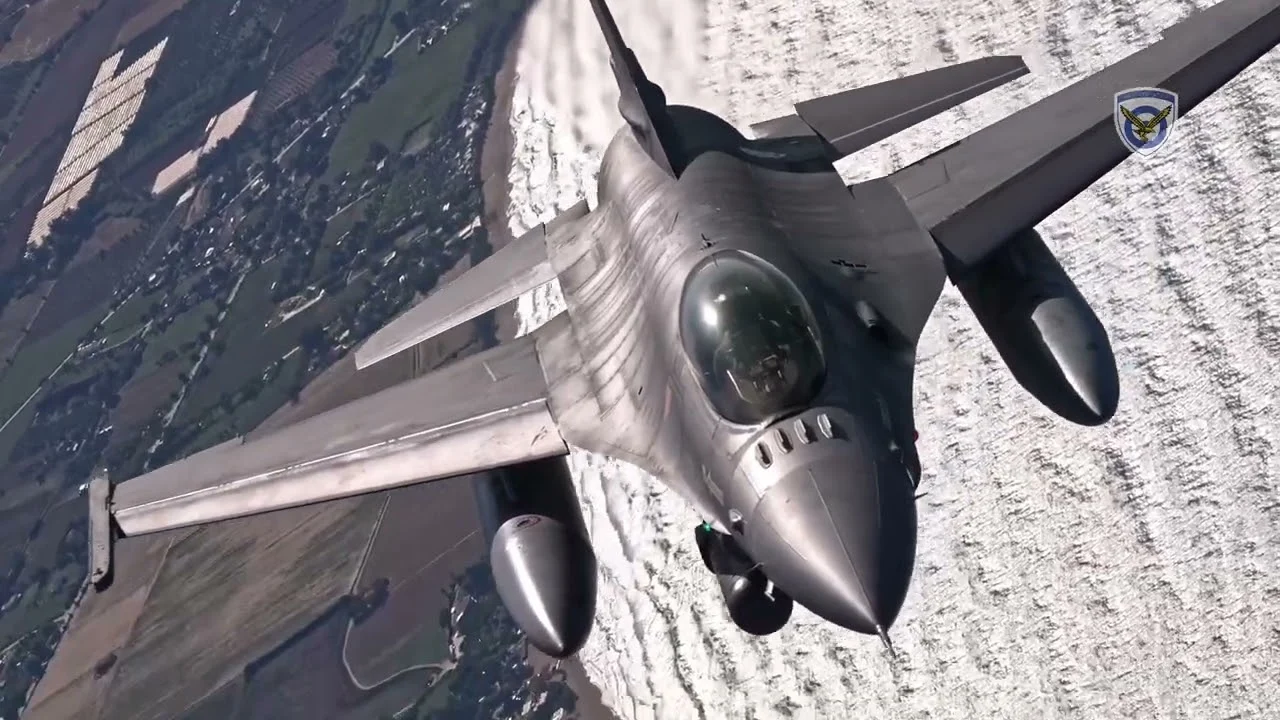
A Greek Air Force F-16 fighter crash-landed during a training mission on the island of Zakynthos on 10 July, an incident that comes as Greece is in the midst of one of Europe’s most extensive combat aircraft modernisation programmes.
The pilot escaped safely after an emergency belly landing that left the aircraft engulfed in flames, prompting an investigation into the cause of the malfunction.
While the Hellenic Air Force has not linked the accident to the aircraft’s condition or upgrade status, the incident has drawn attention because it occurred at a time when Athens is investing heavily to transform its air combat capability through the upgrade of its F-16 fleet, the induction of Rafale fighters and the planned acquisition of the F-35.
Greek newspaper Kathimerini first reported that the aircraft landed without its landing gear deployed before skidding along the runway, although the Hellenic Air Force has not officially confirmed the exact nature of the technical failure.
Following an engine compressor malfunction and a simultaneous hydraulic failure, a HAF F-16C Block 52+ Viper pilot executed a flawless wheels-up landing at LGZA, popped the canopy & walked away. Exceptional composure, nerves of steel & airmanship of the highest order. Kudos, Sir! pic.twitter.com/tWJRdwfmMT
— Anyuta 3D scale models (@Anyuta3d) July 9, 2026
Lieutenant Colonel Konstantinos Gravalos of the Hellenic Air Force told the Greek media that the aircraft experienced an unspecified technical malfunction during the training sortie before diverting to Zakynthos.
The aircraft, assigned to the 335 Squadron of the 116th Combat Wing based at Araxos Air Base, was conducting a routine training sortie when the pilot declared an emergency and diverted to Zakynthos International Airport.
Greek F-16 makes an emergency landing
The aircraft came to rest on the runway after sliding along its belly and catching fire.
Footage showed the F-16 on the airport tarmac on its belly, with flames erupting around the aircraft.
Fire crews doused the flames with water and foam. The pilot left the aircraft as normal, without ejecting, as the canopy and seat were still present on the aircraft.
A Hellenic Air Force F-16 made an emergency landing and caught fire at Zakynthos International Airport, western Greece, on Thursday afternoon.
— Breaking Aviation News & Videos (@aviationbrk) July 9, 2026
According to initial information, the pilot is in good health.
At this time, authorities are assessing the damage to the aircraft,… pic.twitter.com/90AaUcimSb
Airport operations were temporarily suspended while firefighters secured the area and recovery teams removed the damaged aircraft, disrupting commercial flights during the height of Greece’s summer tourist season.\
Zakynthos Airport’s runway remained closed until late Thursday (9 July), and flights scheduled to arrive at the airport were diverted to a number of nearby locations, including Athens, Corfu, and Thessaloniki.
An investigation has been launched to determine the cause of the incident, with officials expected to examine maintenance records, technical data and pilot reports before reaching any conclusions.
A Hellenic Air Force F-16 belonging to the 116th Combat Wing collapsed its landing gear while making an emergency landing at Greek island of Zakynthos
— FL360aero (@fl360aero) July 9, 2026
Following a suspected landing gear malfunction.
The pilot is safe, and authorities are assessing the aircraft for damage.… pic.twitter.com/F5l1P7Jbh7
Although accidents involving military aircraft are not uncommon, the timing of the incident makes it particularly significant.
Greece is currently undertaking a sweeping modernisation of its air force that will redefine its combat capability over the coming decade, with the F-16 remaining the backbone of the fleet during the transition to newer-generation aircraft.
F-16 Viper upgrade forms the backbone of Greece’s air power transformation
At the centre of the programme is the upgrade of 83 F-16 Block 52+ and Block 52+ Advanced fighters to the F-16V, or Viper, configuration under a programme led by Lockheed Martin in partnership with Hellenic Aerospace Industry (HAI).
The programme represents one of the largest F-16 upgrade efforts outside the United States and is intended to keep the aircraft operationally relevant well into the 2040s.
The F-16V introduces the Northrop Grumman AN/APG-83 Scalable Agile Beam Radar, an active electronically scanned array (AESA) radar derived from technology developed for fifth-generation fighters.
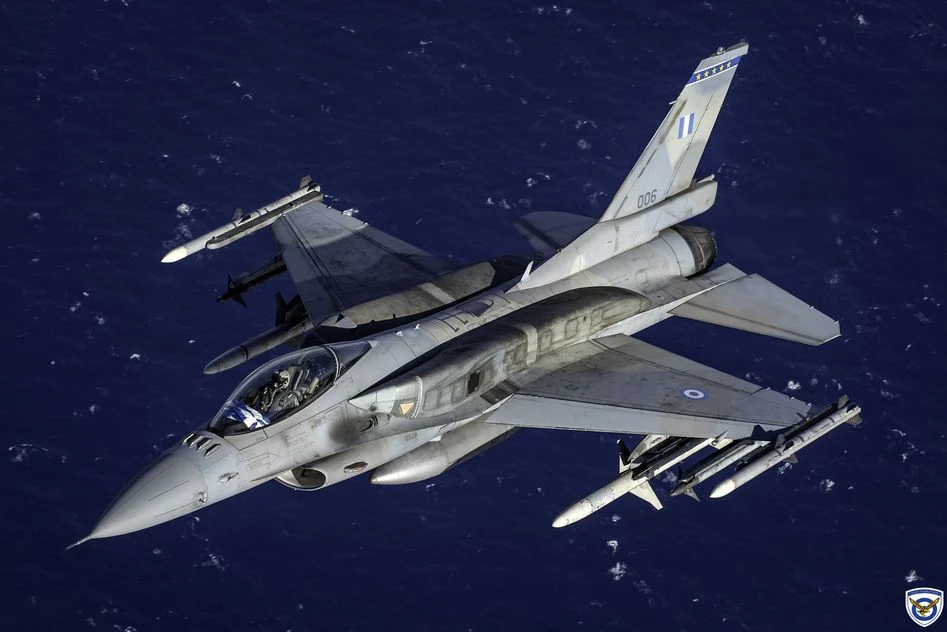
Compared with the mechanically scanned radar fitted to earlier aircraft, the APG-83 provides greater detection range, improved target tracking, enhanced resistance to electronic attack and the ability to engage multiple airborne and surface targets simultaneously.
The upgrade also includes a new mission computer, an upgraded cockpit centred around a large high-resolution centre pedestal display, improved avionics, a modern data link architecture, enhanced electronic warfare systems, upgraded navigation equipment and expanded precision-strike capabilities.
Together, these improvements significantly increase the aircraft’s situational awareness, survivability and interoperability with other NATO air assets.
Importantly for Greece, much of the upgrade work is being carried out domestically at HAI’s facilities near Athens.
Besides extending the operational life of the fleet, the programme has strengthened the country’s maintenance, repair and overhaul capabilities while allowing Greek engineers and technicians to gain experience in advanced fighter integration and sustainment.
The upgraded aircraft are expected to remain the backbone of the Hellenic Air Force for many years, providing the numerical strength required to support NATO missions and national air defence while newer platforms gradually enter service.
Rafale and F-35 acquisitions are reshaping the Hellenic Air Force
The F-16V programme is only one part of Greece’s broader effort to modernise its armed forces.
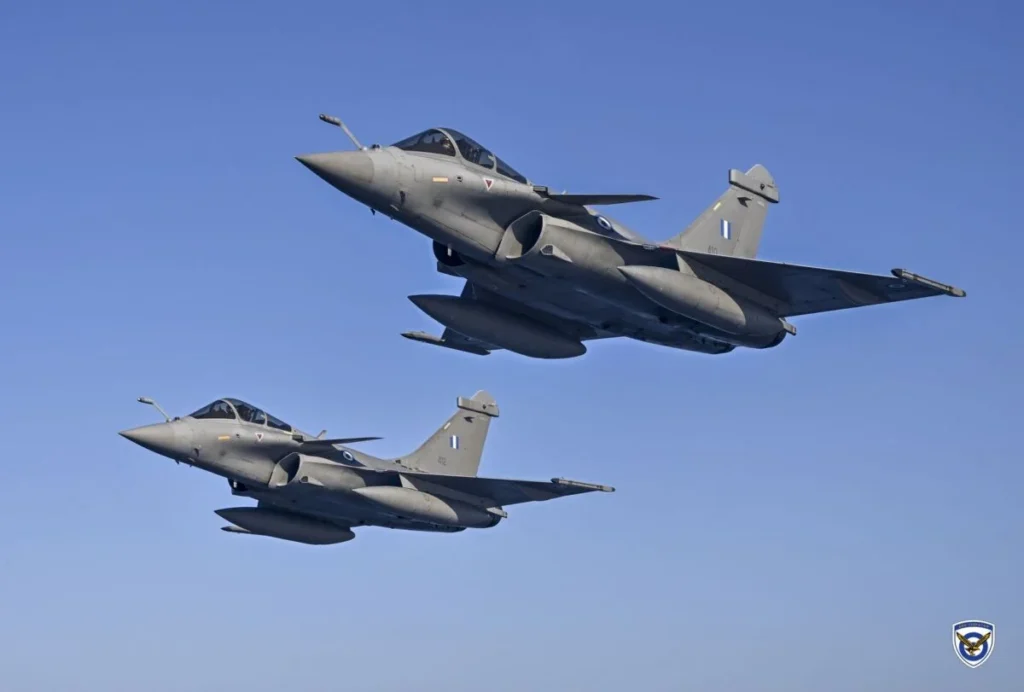
The Hellenic Air Force has already inducted the Dassault Rafale, giving it a significant increase in long-range strike capability, air superiority and stand-off weapons employment.
The Rafale fleet has rapidly become a central element of Greece’s deterrence posture in the eastern Mediterranean.
Athens is also preparing to become the latest operator of the Lockheed Martin F-35 Lightning II after receiving US approval to acquire the fifth-generation fighter.
Once delivered, the stealth aircraft will provide capabilities that complement rather than replace the F-16V and Rafale.
Equipped with low-observable technology, advanced sensor fusion and network-centric warfare capabilities, the F-35 is expected to operate alongside upgraded fourth-generation fighters in a highly integrated force structure.
The result will be one of the most capable tactical air forces in southeastern Europe, combining the numerical strength of the F-16V fleet with the advanced capabilities of the Rafale and the fifth-generation attributes of the F-35.
Modernisation extends beyond combat aircraft
The transformation of the Hellenic Air Force is taking place as Greece undertakes one of its most ambitious defence investment programmes in decades.
Alongside combat aircraft procurement, Athens is strengthening its air and missile defence architecture through the “Achilles Shield” initiative, an integrated network designed to connect existing and future sensors, command-and-control systems and interceptor weapons into a unified defensive architecture.
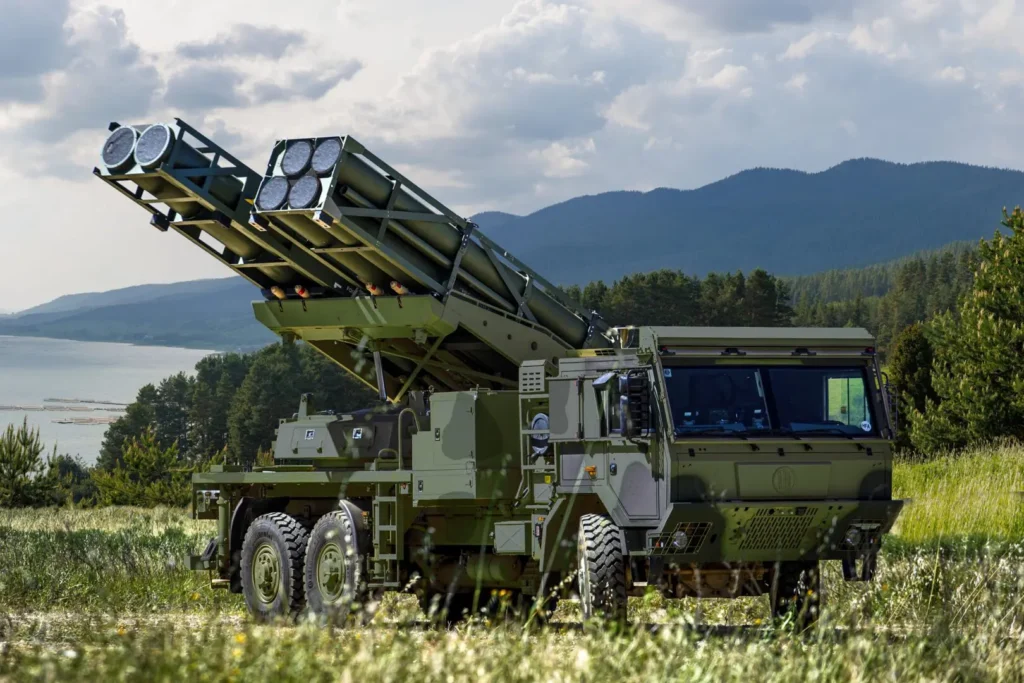
The system is intended to provide layered protection against a wide range of threats, including combat aircraft, cruise missiles, ballistic missiles, unmanned aerial systems and other emerging aerial threats.
At the same time, Greece continues to invest in surveillance systems, precision-guided weapons, naval modernisation and improved command-and-control capabilities as it seeks to enhance interoperability across the armed forces and strengthen its contribution to NATO’s collective defence.
The pace of investment reflects a wider recognition across Europe that deteriorating regional security conditions require sustained spending on both advanced platforms and supporting military infrastructure.
Latest incident adds to decades of intensive F-16 operations
The Hellenic Air Force has operated the F-16 for more than three decades, during which the fleet has accumulated hundreds of thousands of flying hours under demanding operational conditions.
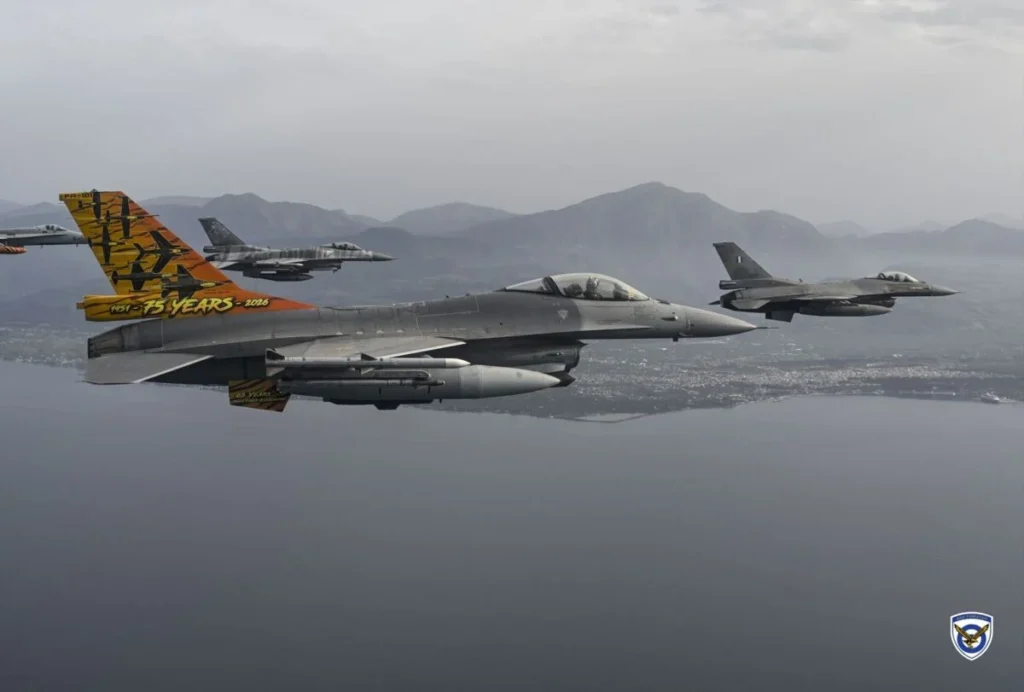
As with other long-serving military fleets, the aircraft has been involved in a number of accidents over the years, including training crashes, engine failures, bird strikes, runway incidents and mid-air collisions, some of them fatal. Thursday’s emergency, however, ended without injury after the pilot successfully completed the wheels-up landing.
Investigators will now examine the aircraft’s flight data, maintenance history and onboard systems to determine the sequence of events that led to the emergency and whether any fleet-wide technical issues require further attention.
Maintaining operational readiness during transition remains a complex challenge
Large-scale modernisation programmes inevitably create a period in which ageing aircraft must continue flying intensive operational and training missions while newer capabilities are progressively introduced.
For Greece, the F-16 remains an indispensable platform despite the arrival of newer aircraft.
The fleet continues to perform air policing, quick reaction alert duties, NATO commitments and routine training while simultaneously undergoing one of the most comprehensive upgrade programmes ever undertaken by the Hellenic Air Force.
Sign up for our newsletter and get our latest content in your inbox.


More from


October 17, 20265 min read


October 17, 20264 min read