Eve Air Mobility could fly its prototype eVTOL by the end of 2025

3 min read
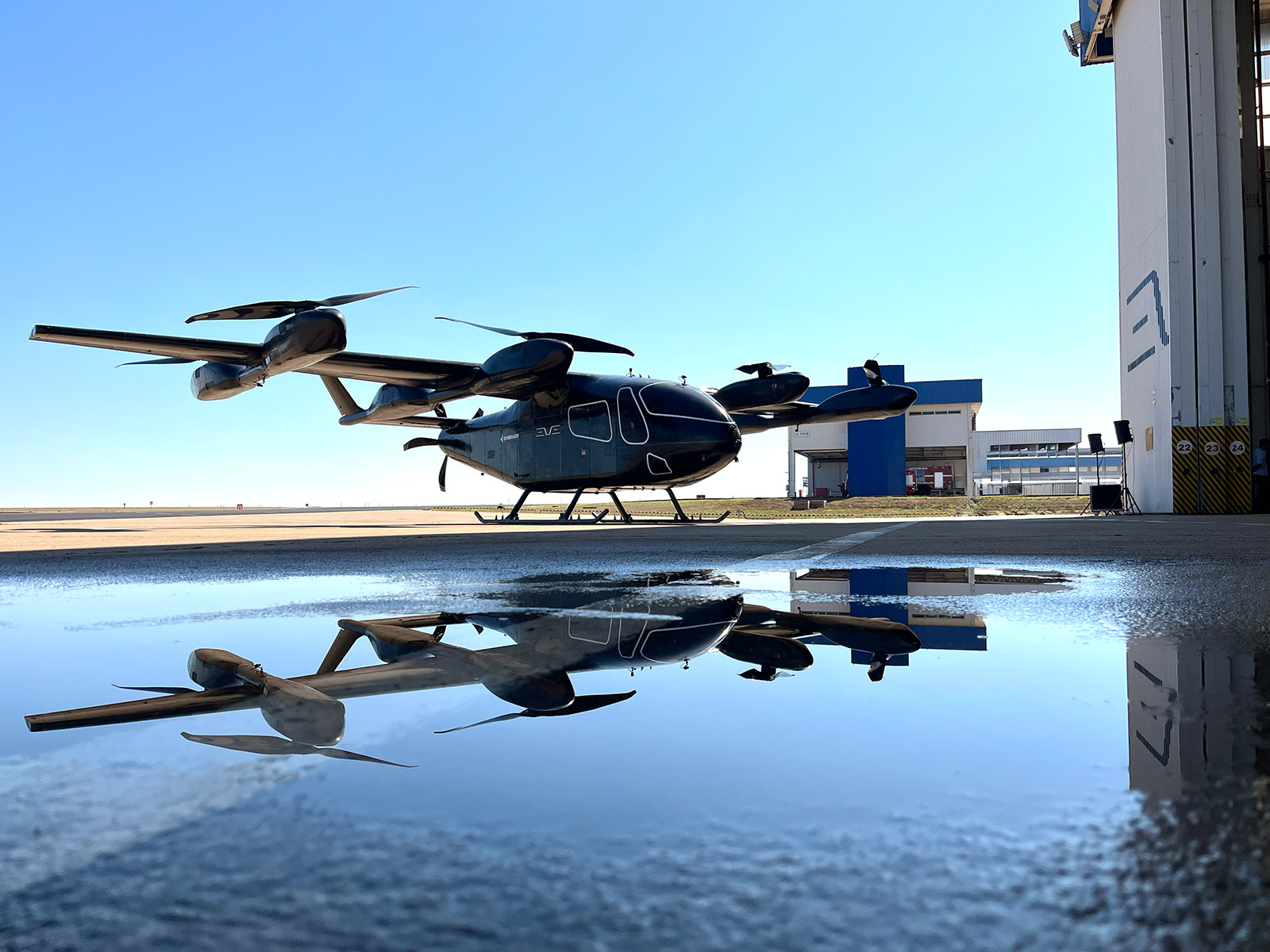
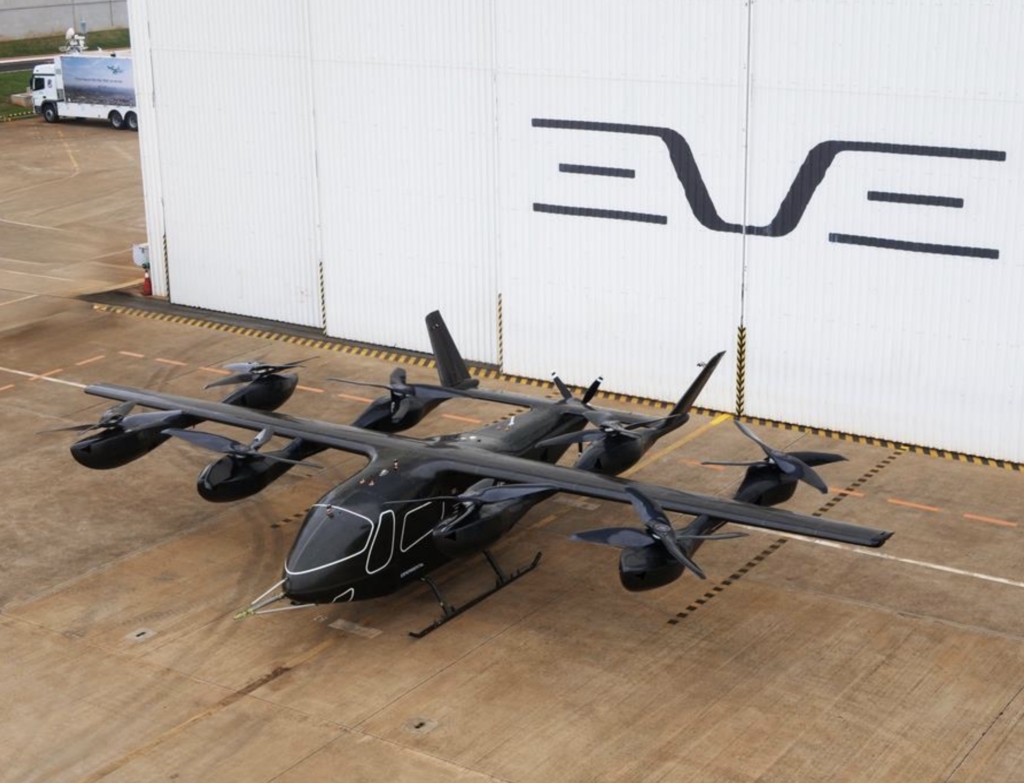
Eve Air Mobility is entering the final stretch before its prototype takes to the skies, with the company confirming that its full-scale prototype eVTOL is now completing final systems integration ahead of first flight by year-end or early 2026.
CEO Johann Bordais told investors the aircraft is “in the final stages of testing before its flight campaign starts”, marking a key milestone for Embraer’s urban air mobility spin-off.
“We’ve now received all of the electric motors for our engineering prototype from Beta Technologies,” he said. “They’ve been tested, installed, and integrated with the inverters, batteries and subsystems. We’re confident in starting our flight campaign soon, with the first flight at the end of this year or early next year.”
Embraer confirmed that all flight testing will take place at its Gavião Peixoto facility in Brazil. “We hope the first flight should occur late this year or early next year,” said CEO Francisco Gomes Neto during the parent company’s own earnings call. “The tests will be conducted at our plant in Gavião Peixoto.”
Get the latest eVTOL and AAM news at AGN
Eve’s eVTOL progress: Testing, simulation and the ‘iron bird’
Eve’s engineering team has already logged more than 10,000 hours of system testing across rigs and simulators. Its functional “iron bird” cockpit – a deconstructed version of the eVTOL wired with real components – has been instrumental in validating system integration before flight.
“This assures a representative result of the simulation,” Bordais explained. “The iron bird allows us to maximise the number of tests on the ground, streamline the flight-test campaign, and reduce certification costs. Some tests can be run 24/7, such as power systems and circuit breakers.”
The cockpit simulator, featuring a 270-degree view, is tied to the aircraft’s flight-control computers and fifth-generation fly-by-wire laws. Joysticks, actuators, and motors respond in real-time, helping engineers fine-tune control feel and performance.
Inside Eve’s 2025 milestones
Chief financial officer Eduardo Couto said Eve remains “on track to deliver all milestones this year”, with flight testing forming the centrepiece of its 2025 plan. “Our first full-scale prototype is concluding final tests and installations to start performing its initial flights in the upcoming months,” he said.
Those flights will begin with simple hover trials before gradually expanding to transition and cruise envelopes. “We’ll start with hovering only,” Couto said. “Then we’ll expand to manoeuvres at higher speeds, validate transition flight between hover and cruise, and later perform fixed-wing cruise flights. Even the hover phase gives us vital data on noise and controllability.”
Parallel work is continuing on Eve’s conforming prototypes for certification testing, with long-lead components already in manufacture and delivery due next year. Certification will be led by Brazil’s ANAC, followed by validation with the FAA and other global regulators.
Eve widens international footprint with new Bahrain deal
Eve recently strengthened its balance sheet with a $230 million capital raise, extending its cash runway to mid-2028 and giving it “the highest cash position ever,” according to Bordais. Cash consumption for 2025 is now expected to close near the lower end of its $200–250 million guidance.
At the same time, Eve continues to widen its international footprint. A new agreement with the Kingdom of Bahrain will see the company help the region build an electric aviation ecosystem, with potential for test flights in 2027 ahead of planned commercial operations in 2028.
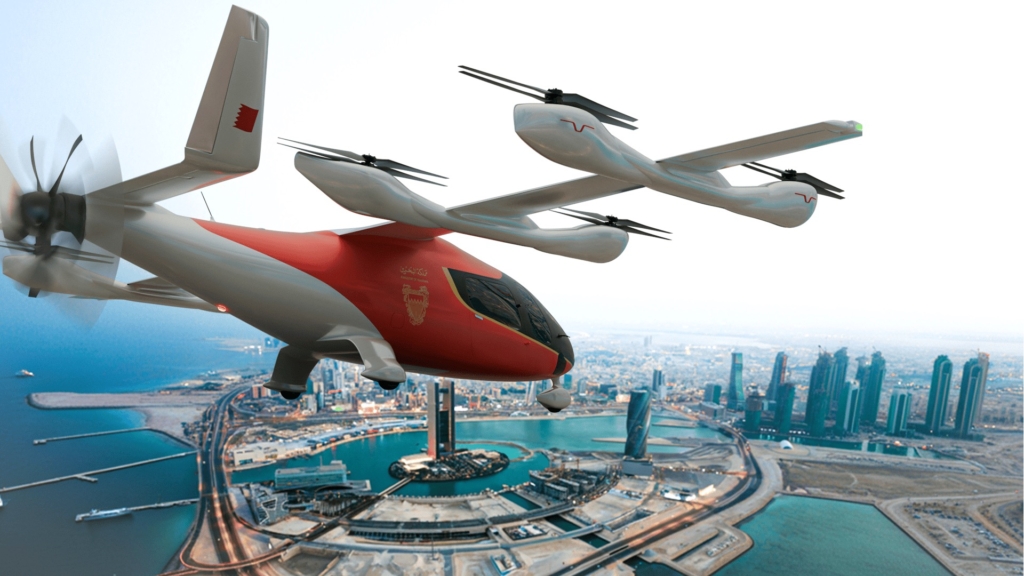
Eve holds a backlog of around 2,800 pre-orders worth $14 billion at 2025 list prices, alongside 14 signed service contracts for its Eve TechCare aftermarket suite and 21 customers for its Vector urban air traffic management system.
Bordais said the company’s DNA remains rooted in Embraer’s operational experience: “We bring not only the vehicle, but the whole solution—support, training, and reliability. That’s why customers have chosen Eve, and that’s what will make our aircraft ready to enter service in 2027.”
Sign up for our newsletter and get our latest content in your inbox.


More from

October 11, 20263 min read