


DHS halts Global Entry amid government shutdown but backtracks on TSA PreCheck suspension

3 min read
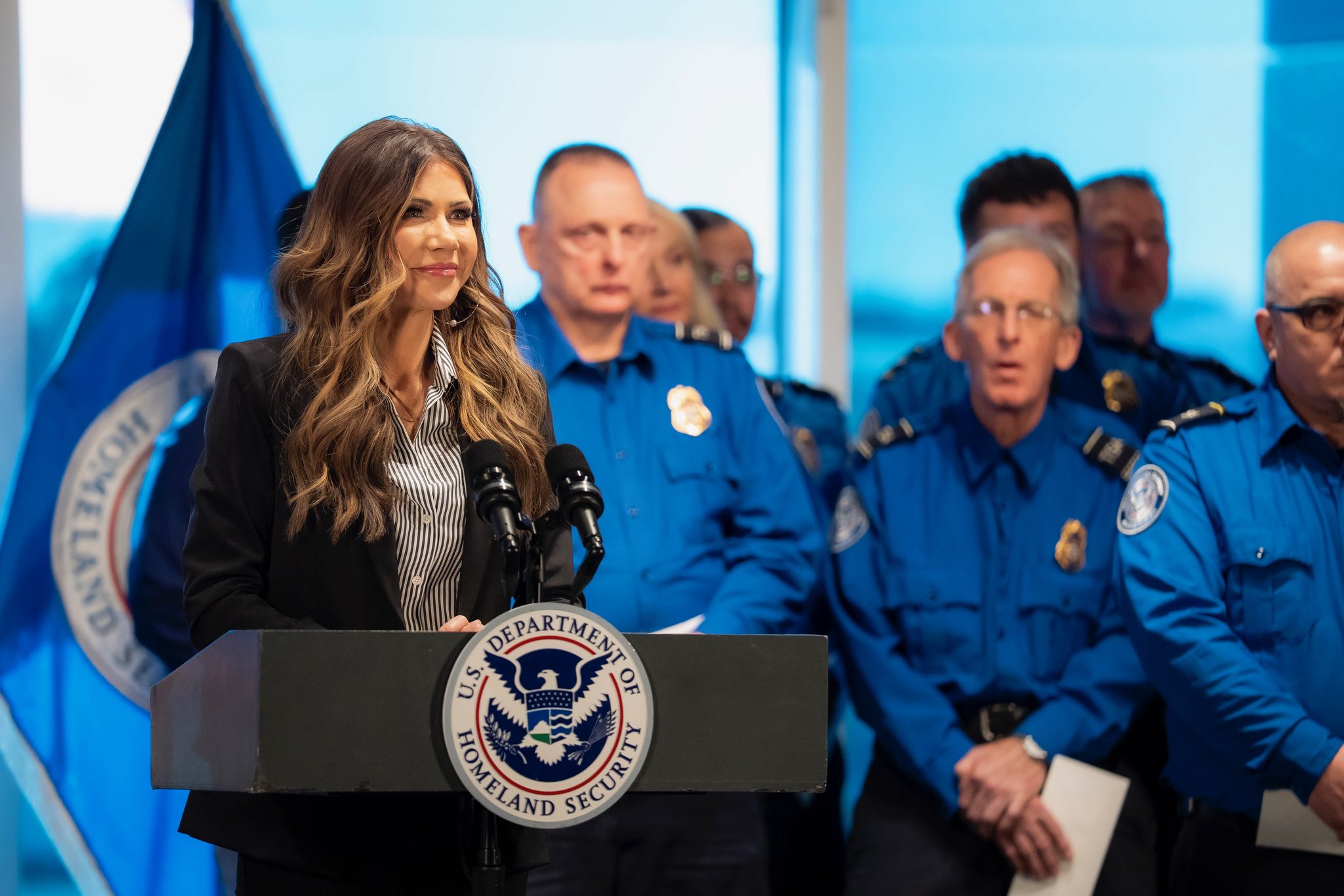
The US Department of Homeland Security (DHS) cancelled the Global Entry programme and announced, but later reversed, a decision to cancel TSA PreCheck, creating additional uncertainty for travellers just as a Nor’easter led to thousands of flight cancellations.
DHS suspends Global Entry during government shutdown
DHS has suspended enrollment and some administrative functions for Global Entry and TSA PreCheck amid a funding shortfall resulting from a partial government shutdown that began on February 14.
TSA PreCheck streamlines security before departure, and Global Entry expedites border clearance upon arrival. While travellers may register for either programme, those registered for Global Entry are automatically registered for TSA PreCheck.

DHS first announced the suspension of the TSA PreCheck and Global Entry on Saturday. On Sunday, DHS reversed its decision to cancel TSA PreCheck for travellers already enrolled, though it left the option open to suspend the service if funding shortages affect staffing levels.
“As staffing constraints arise, TSA will evaluate on a case-by-case basis and adjust operations accordingly,” DHS said in a statement.
TSA workers are required to work without pay during a government shutdown.
Airlines criticise DHS over Global Entry and TSA PreCheck suspension
Airlines for America (A4A), which represents major carriers including American Airlines, Delta Air Lines, and United, protested the DHS decision to suspend travel services during the government shutdown, citing the severe travel disruptions caused by the record 43-day government shutdown, which ran from last October through November.
In a statement published on Sunday, Airlines for America (A4A) President and CEO Chris Sununu said: “A4A is deeply concerned that TSA PreCheck and Global Entry programs are being suspended and that the travelling public will be, once again, used as a political football amid another government shutdown.”
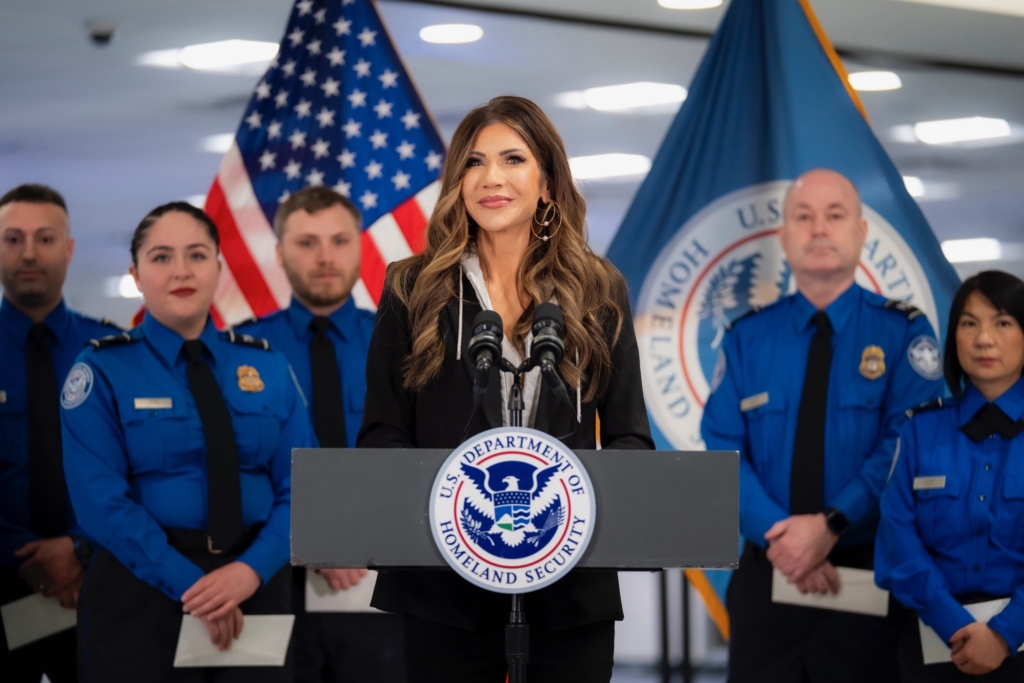
Sununu added that the DHS announcement gave travellers “extremely short notice” and “little time to plan.” He noted that the previous shutdown led to delays or cancellations of over 9,000 flights, affecting six million travellers and “countless” shipments. “That shutdown caused $6.1 billion of losses across the travel industry and related sectors,” Sununu said.
“It’s past time for Congress to get to the table and get a deal done that ensures TSA can fully operate and their frontline employees can be paid for the important work they do to keep our skies secure,” he concluded.
US Travel Association urges DHS to keep Global Entry and TSA PreCheck operational
For its part, the US Travel Association welcomed the news that the DHS had reversed its decision on TSA PreCheck.
“We are glad that DHS has decided to keep PreCheck operational and avoid a crisis of its own making,” said Geoff Freeman, President & CEO of the US Travel Association. “We are urging the same for Global Entry. These Trusted Traveler Programs strengthen aviation security and improve screening efficiency. They are funded by user fees, and there is no reason at this time for them to be suspended.”
Freeman was also critical of the goverment targetting air travel during government funding disputes. “Congress must act with urgency to fully fund TSA. Air travel is essential for our economy and daily life, and it’s disgraceful for travel to be used as leverage in political disagreements,” he said.
Government shutdown and winter storm compound US air travel disruption
With storm-related flight disruption already wreaking havoc on US air travel, any increase in checkpoint processing times could exacerbate airport congestion.
As of Sunday evening, the Nor’easter had already led to nearly 4,000 flights being cancelled on Monday, with the number of cancellations likely to rise during the day as the storm intensifies.
Airlines have also extended cancellations at Northeast airports to Tuesday, with New York JFK, LaGuardia, and Boston Logan seeing the highest rate of disruption—around 13% of flights cancelled.
The combination of winter weather and a lack of government funding for basic services means US travellers face an uncertain week of travel.
Featured Image: TSA


