Passenger attempts cockpit breach on Delta flight, highlighting urgent need for secondary barriers

February 19, 2026
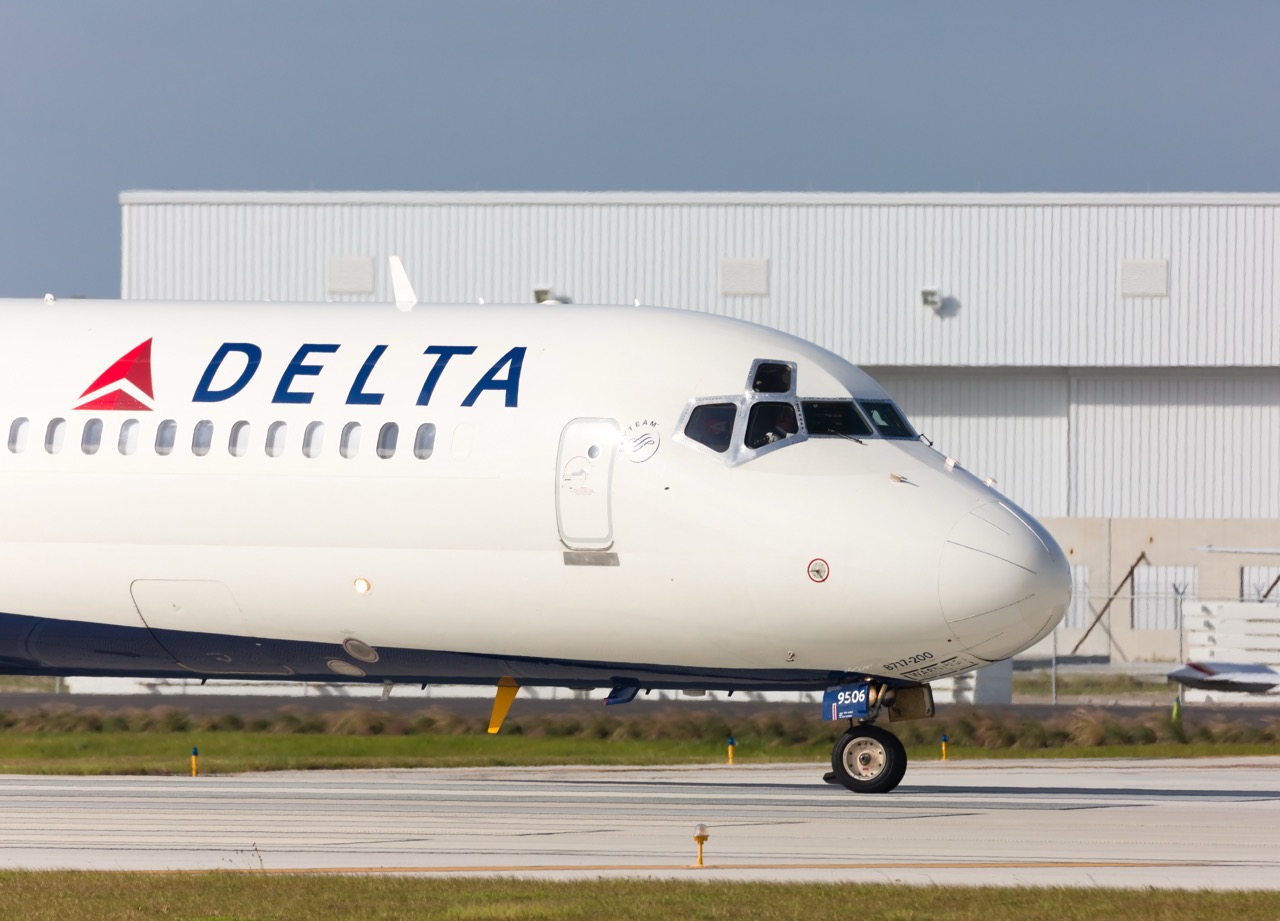
A Delta Air Lines flight was forced to return to Houston shortly after take-off on 18 February 2026 when an unruly passenger moved toward the cockpit. Crew members and passengers restrained the individual, and the aircraft landed without injuries or any breach of the flight deck.
The disturbance underscores the urgency for airlines to comply with US regulations requiring an additional layer of security for the flight deck.
Delta flight returns to Hobby Airport after unruly passenger attempts to breach the cockpit
As CNN reported, the incident occurred on Delta flight 2557, operating a Boeing 717 with 85 passengers and five crew members on board. The pilot declared an emergency shortly after take-off from Houston’s Hobby Airport, reporting an attempted cockpit breach to air traffic control.
“We had a passenger get up and try to access the cockpit,” the pilot reported to air traffic control, according to a radio recording captured by Broadcastify. “Can you coordinate and have security standing by?”
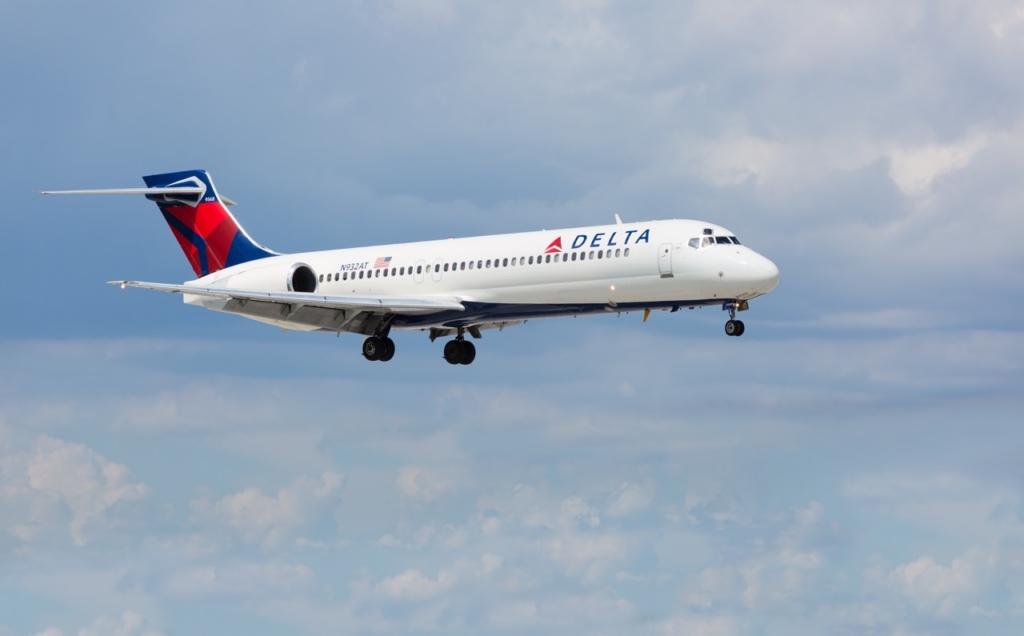
The pilot confirmed the cockpit was secure and asked for both police and paramedics to meet the aircraft, adding that the culprit was “in cuffs in the back of the aircraft, but he did assault another passenger, so we would like that other passenger checked out.”
Delta later corrected accounts, telling CNN that the passenger “approached crew and customers but did not make contact with or attempt to access the flight deck.”
Whether the unruly passenger reached the cockpit is unclear; however, this incident highlights the risk of passengers coming dangerously close. US legislation has required a secondary barrier to delay such attempts, but the implementation has been slow.
Cockpit access secured after 9/11
Attempts to approach the cockpit are rare. Hardened flight-deck doors introduced after the September 11 2001, attacks have prevented successful breaches on US commercial flights for more than two decades.
However, as the Delta incident illustrates, even unsuccessful incidents can pose a danger to the flight. The Federal Aviation Administration (FAA) Reauthorization Act of 2018 required airlines to install secondary cockpit barriers to protect the cockpit when the cockpit door must be opened during flight.
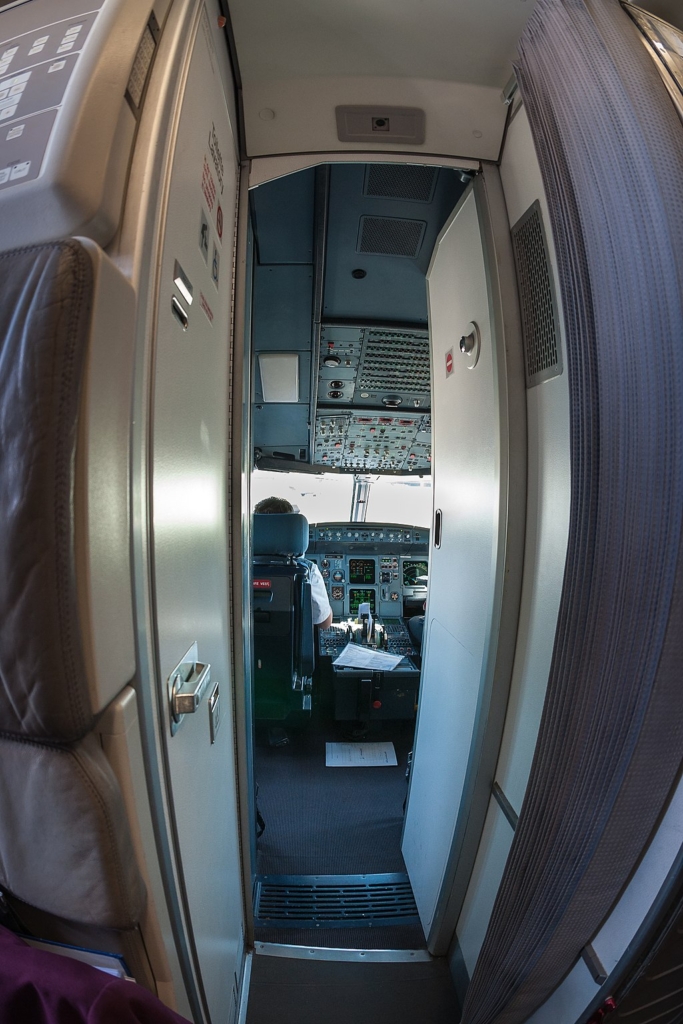
These devices, formerly known as installed physical secondary barriers (IPSBs), are a lockable, intrusion-resistant gate located between the passenger cabin and the cockpit door. These would retract when not in use and deploy when the cockpit door is opened, maintaining continuous protection of the flight deck.
IPSBs are intendes to delay intruders long enough for pilots or crew to secure the reinforced cockpit door, which was required under post-9/11 flight-deck rules, adding a secondary layer of protection.
The IPSB rule took effect in August 2023 and applies to newly built aircraft after August 2025. However, the regulator has extended the deadline to August 2026, allowing airlines more time to certify systems.
Security urgency versus airline industry processes
Some airlines have begun deploying the technology ahead of the updated deadline. Southwest Airlines operated its first flight with secondary cockpit barriers installed on a Boeing 737 MAX 8 in August of last year, in compliance with the original requirement.
“We felt like we could get it done and put it in production as soon as the aircraft was ready,” Justin Jones, Southwest’s executive vice president for operations, told Reuters.
Both Boeing and Airbus have begun delivering aircraft with secondary barriers installed.
However, Airlines for America (A4A), which represents major carriers including American, Delta, and United, has pushed for a further extension, citing FAA delays in design certification, the approval of operational manuals, and the completion of training requirements. The airline association had initially requested an extension to 2027, but the FAA granted an extension to August 2026.

The delays in implementation have pitted airlines against pilot unions, with the Air Line Pilots Association (ALPA) expressing frustration that the FAA had extended the deadline again.
“The FAA’s decision to grant airlines yet another delay on the secondary barrier rule is deeply disappointing and undermines our nation’s aviation security,” said Capt. Jason Ambrosi, ALPA’s president, said in a statement following the FAA’s decision, adding that the extension “compromises the safety and security of our skies.”
Horizon Air asks FAA for more time for Embraer E175 IPSB compliance
As reported by FlightGlobal, Alaska Air Group’s regional carrier, Horizon Air, has requested a 12-month extension for compliance, beyond the August 2026 deadline, arguing that the FAA-approved secondary-barrier design for the Embraer E175 cannot be installed on its aircraft due to differences in cabin layout.
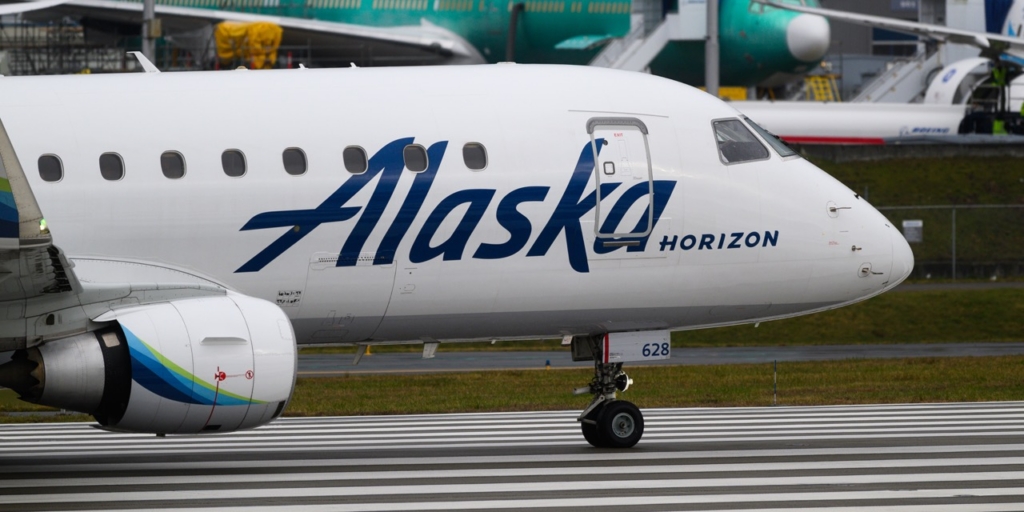
The certified design relies on a forward wardrobe structure to stow the IPSB when it is not in use. However, Horizon’s jets have a forward galley in this space and lack the necessary mounting surface. The airline is working with Embraer on the required modifications, but it does not expect to complete them until mid- to late-2026, leaving little time for certification, training approvals, and crew training before the current compliance date.
With 47 E175s in its fleet, the airline faces a significant operational challenge in achieving compliance.
Delta incident draws attention to the risk of IPSB delays
The Delta incident ended without injuries or cockpit intrusion—but it underscores the ongoing risk to US aviation security, with Delta participating in A4A’s extension request.
With a federal compliance deadline looming this summer, the fact that some carriers are still struggling while others are already flying with barriers reflects the complexities of approving new aircraft equipment across a variety of aircraft types.
However, after the 9/11 attacks, airlines implemented emergency cockpit door fixes within weeks and installed new, reinforced cockpit doors within approximately 15 months of the regulation taking effect. When the situation calls for action, certification and implementation can be expedited.
Events like the Houston unruly passenger disturbance serve as a reminder that—even decades after 9/11—the flight deck must remain secure.
Featured Image: Carlos Yudica – stock.adobe.com