As legacy VLATs retire, Coulson turns to the Boeing 767 for aerial firefighting

4 min read
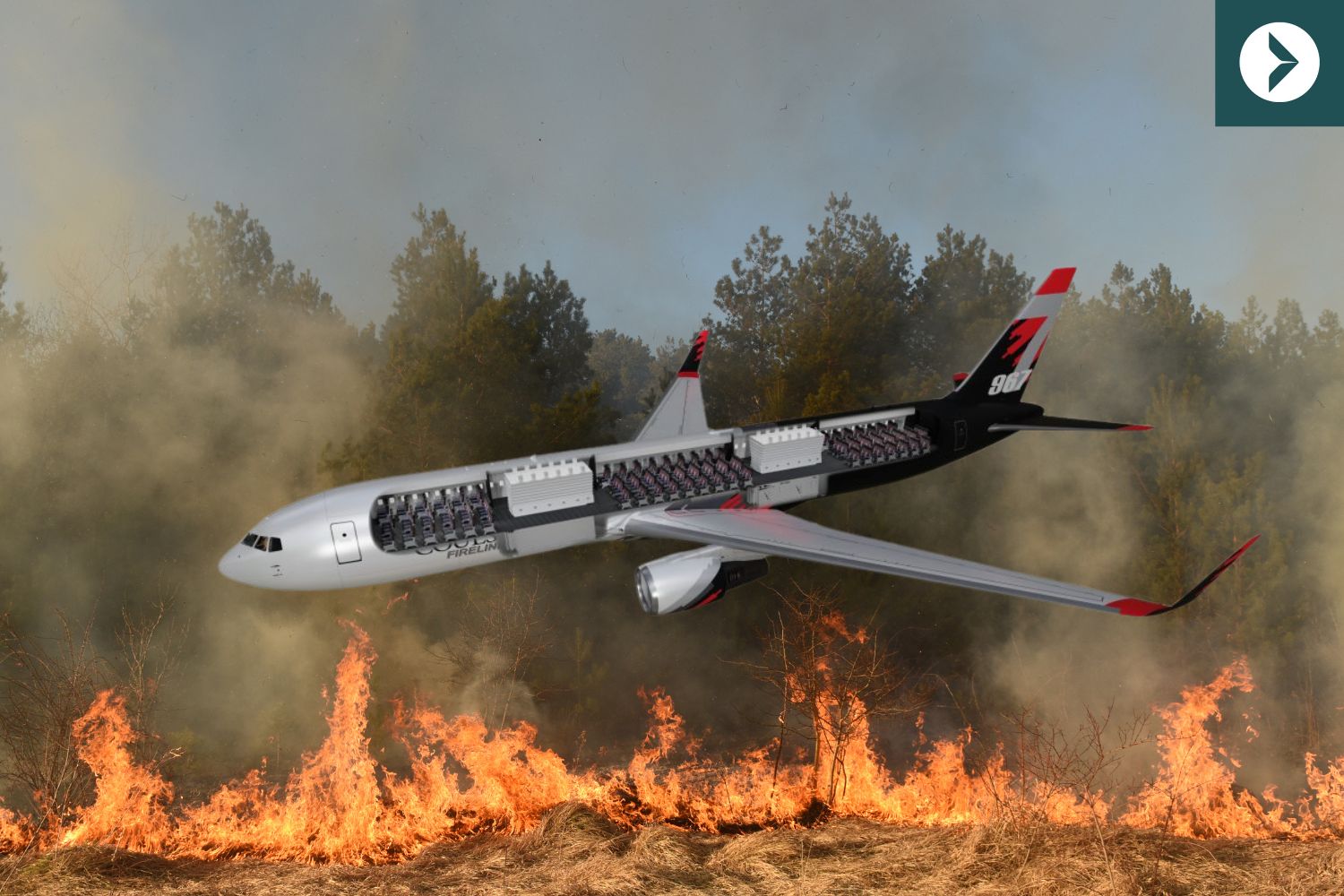
The global aerial firefighting community is facing a quiet but consequential transition.
As legacy widebody tankers are grounded or retired, agencies are confronting a shrinking pool of aircraft capable of delivering sustained, high-volume fire retardant over large and fast-moving wildfires.
It is against this backdrop that Coulson Aviation has launched its Boeing 767 Very Large Airtanker (VLAT) programme, positioning the aircraft as a long-term successor to platforms that have defined large-scale aerial suppression for decades.
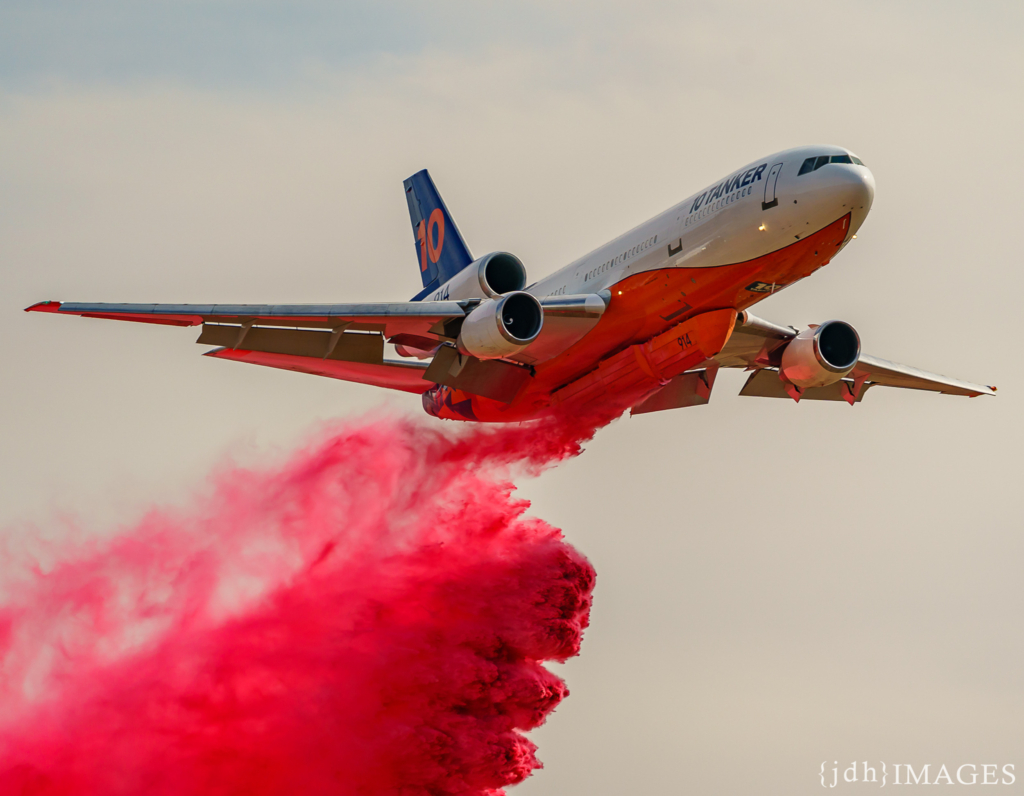
The programme is intended to address a widening capability gap created by the grounding of MD-11 tankers and the gradual withdrawal of DC-10 fleets from frontline service.
Both aircraft types, while operationally effective, were never designed for extended second lives as firefighting assets and are increasingly constrained by age, maintenance complexity, and parts availability.
The end of legacy VLATs exposes a structural aerial firefighting capability gap
For firefighting agencies, the issue is not simply fleet renewal, but scale.
Very Large Airtankers occupy a niche that cannot easily be filled by smaller aircraft, delivering long, continuous retardant lines in a single pass, sustaining operations over large fire fronts, and supporting suppression efforts where ground access is limited.
The grounding of the MD-11 fleet following recent safety concerns, combined with the ageing DC-10 population, has sharply reduced the number of widebody tankers available worldwide.
This contraction comes as wildfire seasons grow longer, fires burn hotter, and incidents increasingly demand rapid, high-volume aerial response.
Industry officials note that replacing VLATs is not a matter of converting any available airliner. Certification complexity, structural reinforcement requirements, performance margins at low altitude, and long-term supportability significantly narrow the field of viable candidates.
Why the Boeing 767 is emerging as a next-generation VLAT
Coulson’s decision to base its next VLAT on the Boeing 767 reflects these constraints.
Unlike many retired widebody types, the 767 remains in widespread commercial service, ensuring continued parts availability, global maintenance infrastructure, and a deep pool of trained pilots and engineers.

“The firefighting community is seeing rapid changes in available airframe types, and agencies need solutions that are safe, efficient, and supportable for decades,” said Britt Coulson, President and CEO of Coulson Aviation USA. “The 767 is a proven widebody platform with global support, parts availability, modern systems, and compelling operating economics.”
Operationally, the 767 offers payload capability comparable to, or exceeding, existing VLATs, while benefiting from more modern aerodynamics and engines that reduce fuel burn per tonne of retardant delivered.
Coulson’s next-generation retardant delivery system for VLAT operations
At the heart of the programme is the largest iteration yet of Coulson’s proprietary RADS (Retardant Aerial Delivery System).
The company says the system will provide a tank capacity exceeding that of any VLAT currently in operation, while maintaining precise flow control across a range of drop profiles.
Unlike single-mission conversions, the 767 VLAT is being designed with multi-role flexibility in mind.
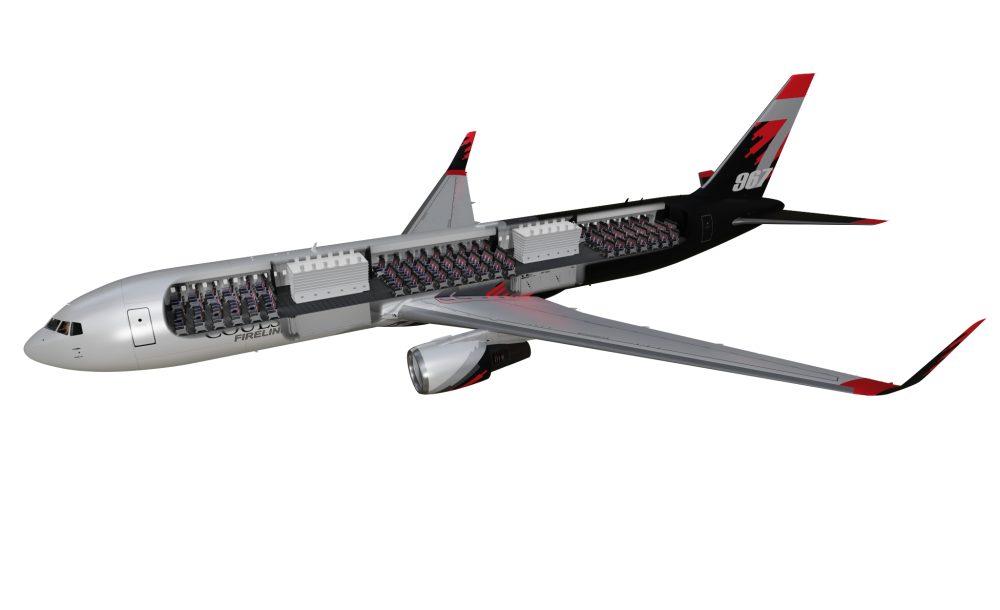
Coulson says the aircraft will retain the ability to carry more than 160 passengers when configured for non-firefighting missions, reflecting a broader industry move towards adaptable platforms that can be repurposed as operational needs evolve.
Engineering work, including structural analysis and systems integration planning, is already underway, with certification pathways being developed in parallel.
How the 767 VLAT fits into Coulson’s aerial firefighting fleet
Coulson emphasises that the 767 VLAT is intended to complement, not replace, its existing Large Airtanker (LAT) fleet.
The company currently operates C-130H Hercules aircraft and the 737 Fireliner, both of which sit at the upper end of the LAT category with payloads of around 4,000 gallons.
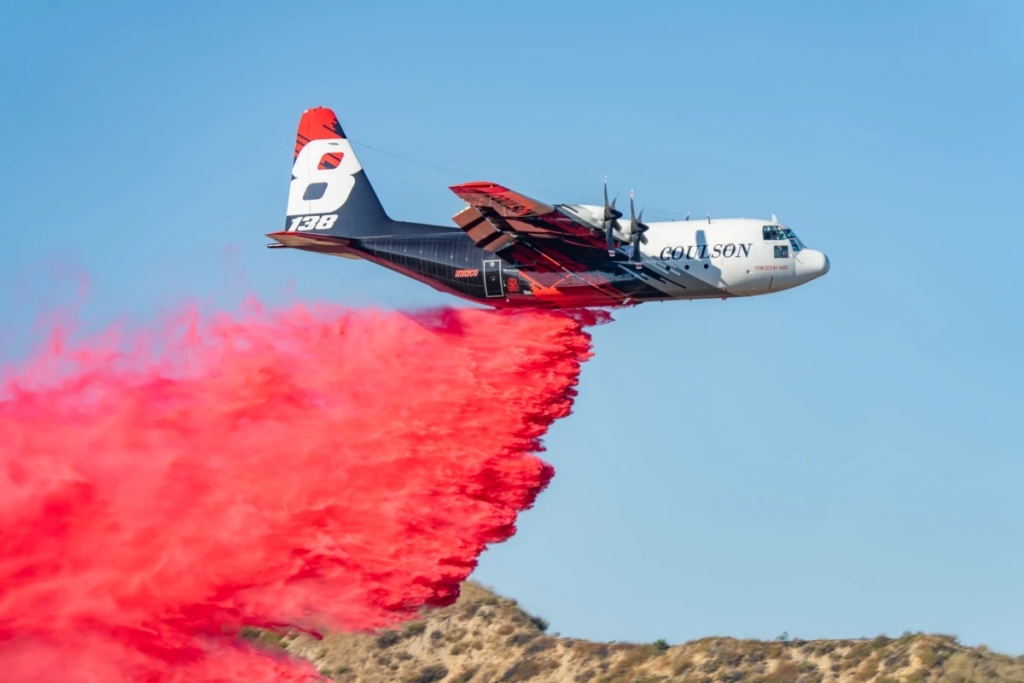
By reintroducing a VLAT into its portfolio, Coulson aims to offer agencies a layered response capability, combining the flexibility and turnaround speed of LATs with the sustained, high-volume delivery VLATs provide when conditions demand it.
Fire behaviour analysts note that such tiered fleets are becoming increasingly important as incidents grow more complex, often requiring a mix of precision drops and broad-area coverage within the same operational period.
Wildfire growth drives long-term demand for very large airtankers
The timing of the 767 VLAT launch aligns with broader market signals.
The global firefighting aircraft market was valued at approximately $7.5 billion in 2024 and is projected to grow steadily through the next decade, driven by climate-related increases in wildfire frequency and severity.
North America remains the largest market, but growth is accelerating in the Asia-Pacific region as governments invest in aerial assets to protect expanding wildland–urban interfaces.
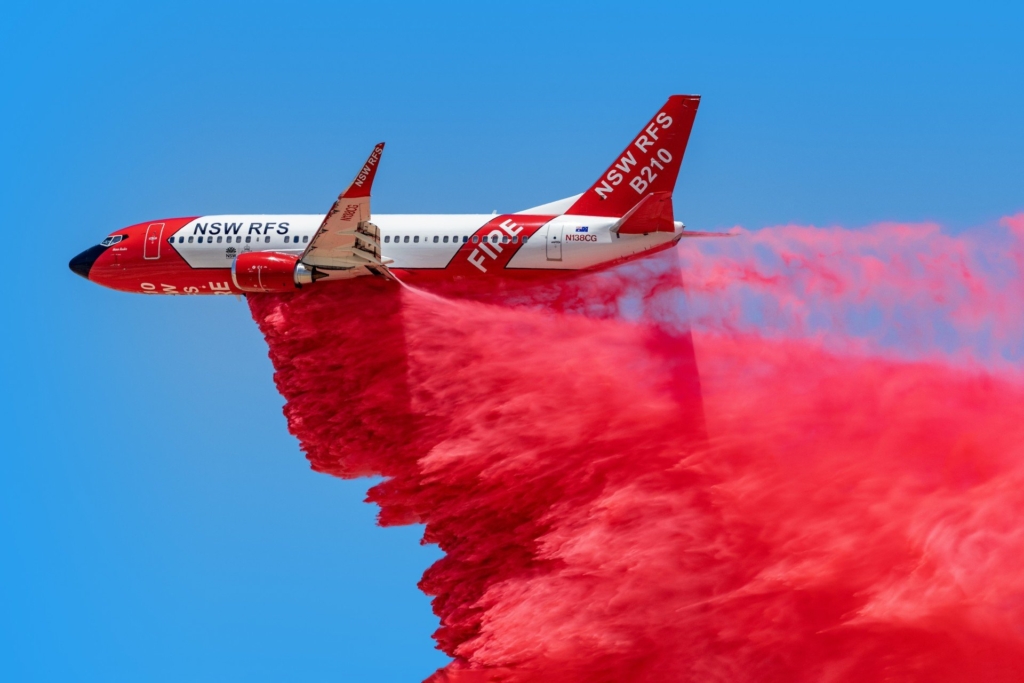
Against this backdrop, operators and agencies are prioritising aircraft that can be supported for decades, rather than stopgap conversions vulnerable to early obsolescence.
While the Coulson 767 VLAT programme remains in its early stages, it signals growing recognition that the era of relying on ageing, out-of-production widebodies for aerial firefighting is drawing to a close.
As legacy platforms exit the fleet, the question facing agencies is no longer whether VLATs are needed, but what form the next generation should take.
Coulson’s answer is a modern, globally supported widebody designed from the outset for long-term service.
Featured image: Coulson Aviation / AGN
Sign up for our newsletter and get our latest content in your inbox.


More from

October 17, 20265 min read

October 17, 20264 min read