


ATR 72-600 enters service with Rise Air days after winning Transport Canada certification

4 min read
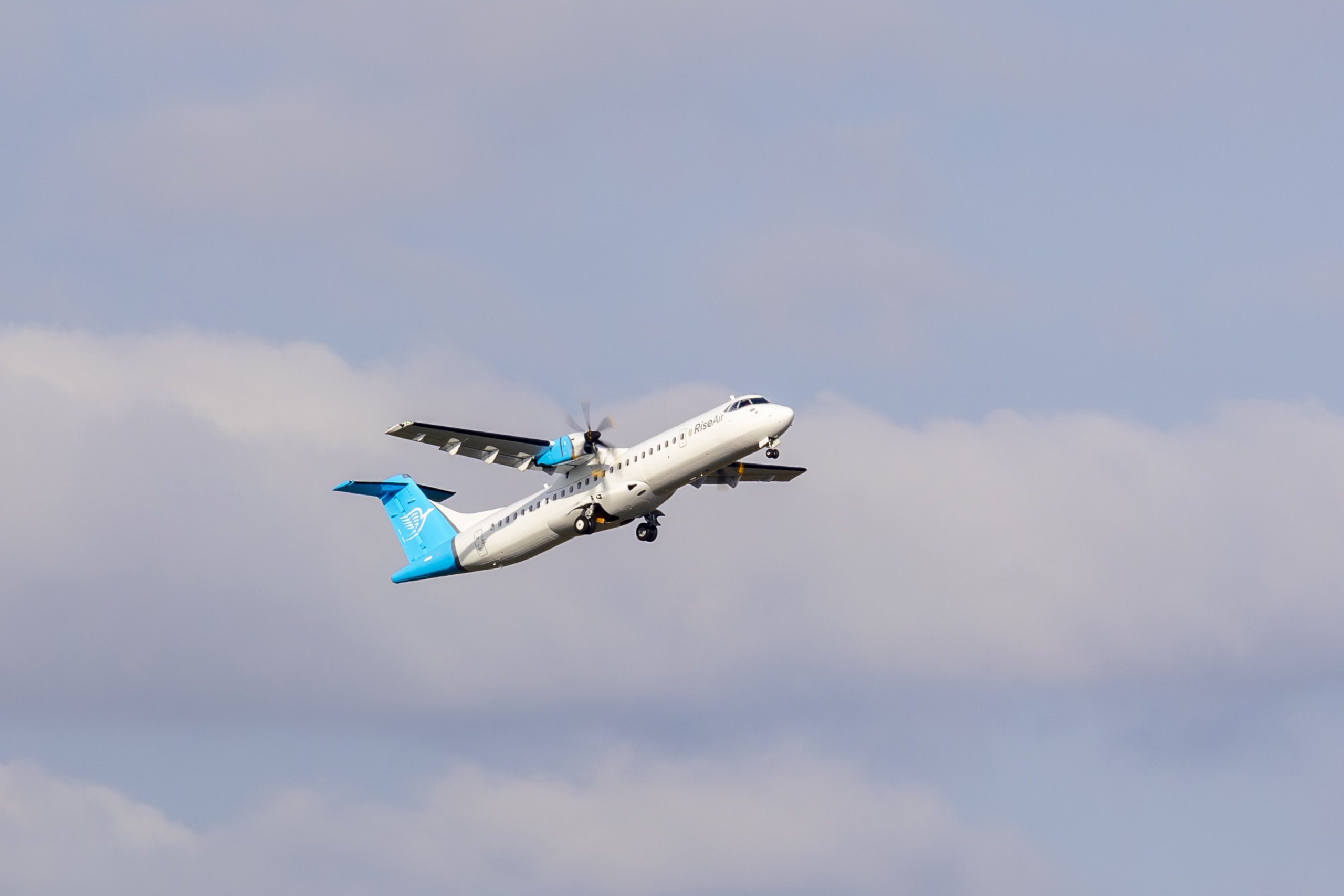
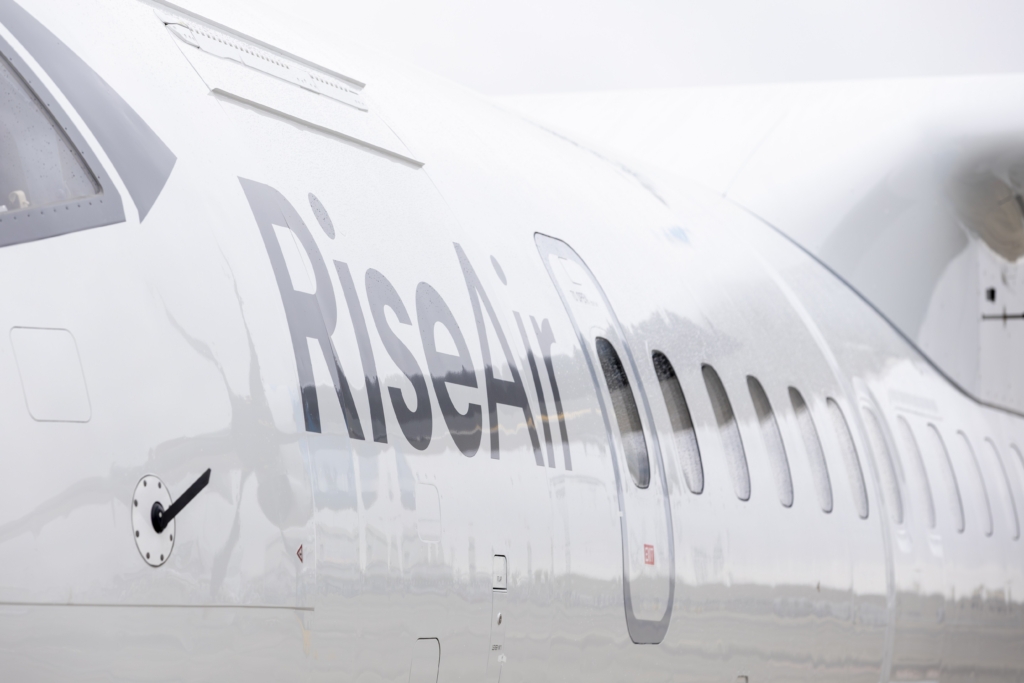
The ATR 72-600 has officially entered service in Canada, with Rise Air taking delivery of the country’s first example just days after Transport Canada issued certification for the -600 series.
On 27 November, Transport Canada certified both the ATR 42-600 and ATR 72-600, a regulatory milestone that, until now, had prevented Canadian operators from introducing ATR’s most modern turboprop variants despite the type being widely used elsewhere.
For ATR, the approval closes a long-standing gap between Canada and other major aviation markets. For Canadian regional airlines, it finally unlocks access to a new-generation turboprop at a time when fleet renewal pressures are becoming increasingly difficult to ignore.
ATR 72-600 certified and delivered in days
With Transport Canada’s validation complete, Rise Air moved quickly to take delivery of its first ATR 72-600, becoming the launch operator for the -600 series in Canada.
Based in Saskatchewan, Rise Air operates scheduled, charter and essential services across some of the country’s most remote regions, including workforce transport and medevac support. Its network includes short, lightly served routes, challenging weather conditions and infrastructure constraints that strongly favour turboprop operations over regional jets.
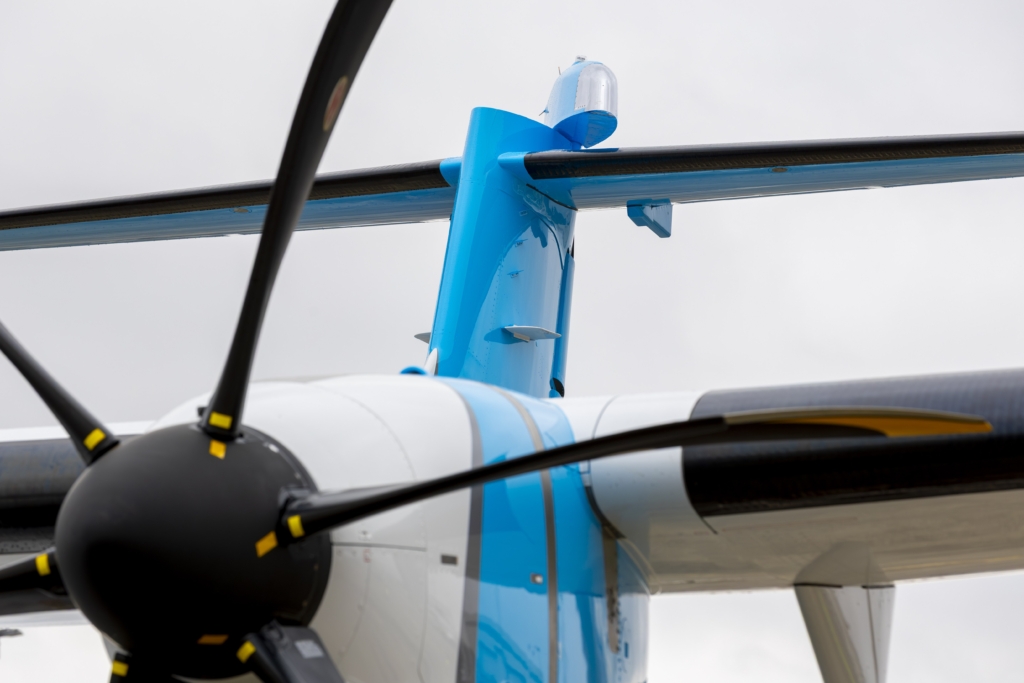
The ATR 72-600’s combination of short-field capability, low fuel burn and improved passenger comfort aligns closely with those operational realities. Compared with older ATR variants and ageing Dash 8 aircraft still common in Canada, the -600 introduces a modern glass cockpit, updated systems architecture and the latest Pratt & Whitney Canada PW127XT engines, aimed at reducing both operating and maintenance costs.
“Introducing the ATR 72-600 is about delivering modern, safe, and reliable air transportation to remote work sites and infrastructure projects that are vital to Saskatchewan’s economy,” says Derek Nice, President and Chief Executive Officer of Rise Air.
“These operations support employment and GDP growth across the province, particularly in the north. With this aircraft, we can provide our customers with a higher level of comfort and efficiency while continuing to strengthen connectivity in some of Canada’s most challenging environments.”
The ATR 72-600 entered service over a decade ago, and is in service with airlines including IndiGo, Azul, Air New Zealand and Wings Air. Silver Airways launched the variant in the US in 2019, and Air Corsica took the first of the upgraded PW127XT versions in 2022.
Why did Transport Canada take so long to certify the ATR 72-600?
While the ATR -600 series has been certified by EASA for more than a decade and validated by the FAA since 2013, Transport Canada’s approval only arrived in 2025. The delay was not the result of a technical obstacle, but rather a combination of regulatory process and market dynamics.
Although bilateral agreements allow Canada to leverage European and US certification work, Transport Canada still conducts its own validation of foreign-certified aircraft, particularly where new avionics architectures, software and powerplant variants are involved. The -600 series represents a significant evolution over earlier ATR models already flying in Canada, rather than a minor derivative.
Crucially, there had been no confirmed Canadian customer for the -600 series until recently. Without an operator ready to introduce the aircraft, there was limited incentive for the regulator to prioritise validation work.
That changed with firm orders, growing fleet age concerns and the introduction of the PW127XT engine, which effectively required approval of the full aircraft-engine combination.
ATR brings a timely option for Canada’s ageing turboprop fleet
The arrival of the ATR 42-600 and 72-600 comes at a critical moment for Canadian regional aviation. Much of the country’s 30- to 70-seat turboprop fleet is now more than 30 years old, dominated by early-generation Dash 8s and older ATR variants.
Rising maintenance costs, parts availability challenges and increasing pressure to reduce emissions are making life-extension strategies less attractive. Against that backdrop, the ATR 72-600 offers a rare opportunity for operators to modernise without stepping up to more expensive regional jets.
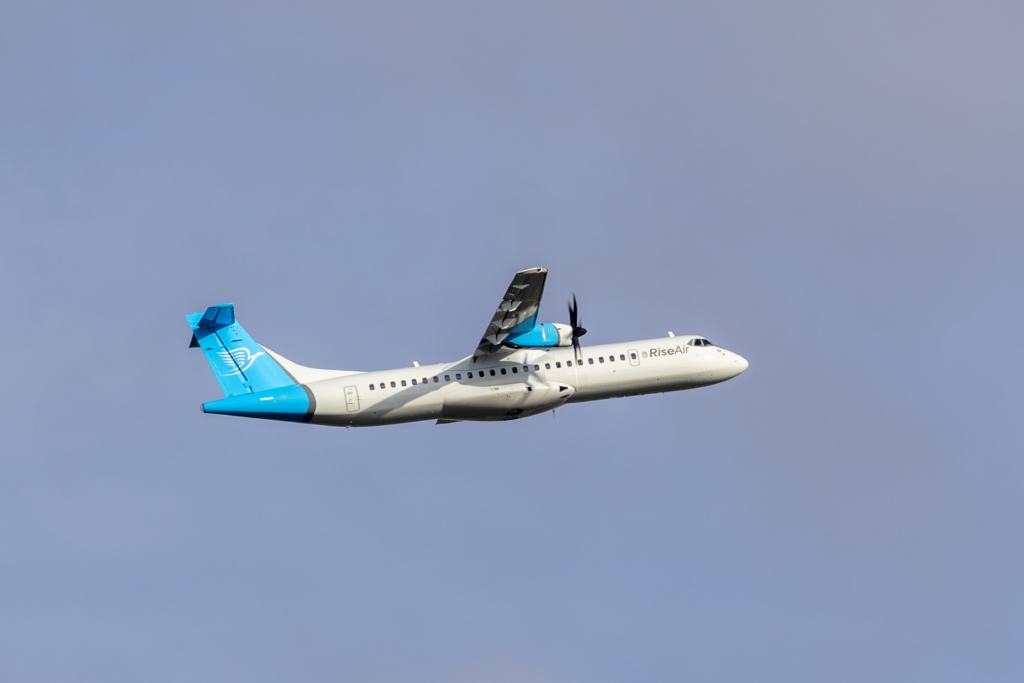
ATR claims the PW127XT-powered 72-600 delivers lower fuel burn, extended maintenance intervals and reduced lifecycle costs, while turboprop economics continue to offer a substantial advantage on short sectors typical of Canadian regional routes.
Already, ten Canadian airlines operate more than 60 ATR aircraft, many of which are freighters. The new -600 series is offered as a purpose-built modern freighter in the ATR 72-600F, giving operators the opportunity to upgrade to a more efficient, lower cost platform.
Next up for delivery will be Hydro-Quebec, which ordered three ATR 72-600s to replace its Dash 8s earlier this year.
Featured image: ATR


