


Goodbye to a legend: Airbus BelugaST 5 to retire with farewell flypast over Broughton

4 min read
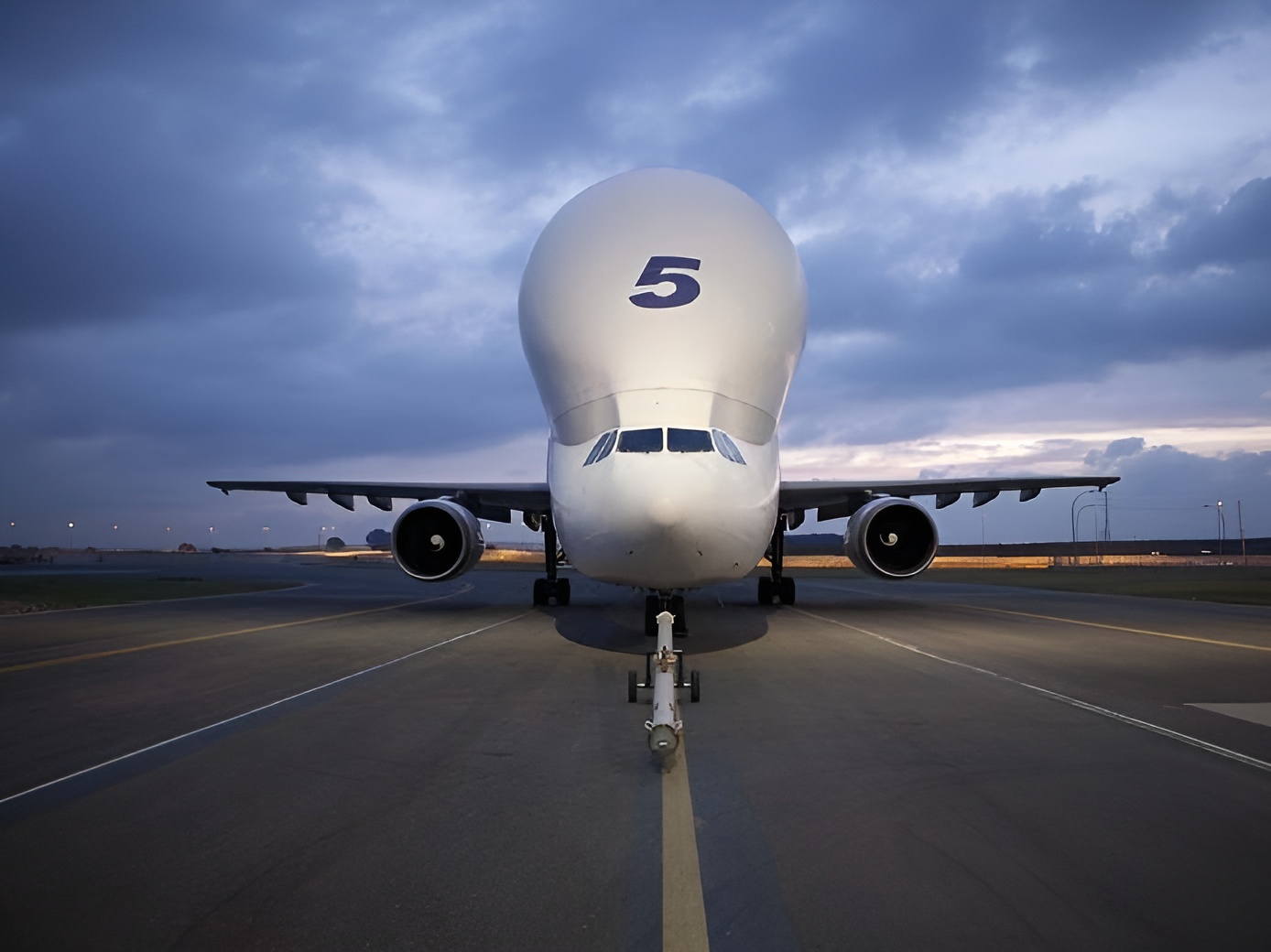
After three decades hauling wings, fuselage sections and outsized aircraft components, Airbus’s most recognisable transport aircraft is preparing for its final goodbye. This week, one of the last Airbus BelugaST will take to the skies one last time with a farewell flypast over Broughton Airfield in North Wales, a site that has been central to Airbus manufacturing for half a century.
On Thursday, 29 January, the aircraft, registered F-GSTF and known internally as BelugaST 5, will make its last operational appearance over the former BAE Systems plant at Broughton, marking the end of 30 years of BelugaST service.
Airbus BelugaST number 5 to make farewell flypast over Broughton Airfield
The Airbus BelugaST Super Transporter will make a final flypast over Broughton Airfield (CEG) this Thursday as the company winds down its BelugaST operations. The type is being replaced by the larger BelugaXL aircraft, which offers around 30% more payload than its smaller stablemate.
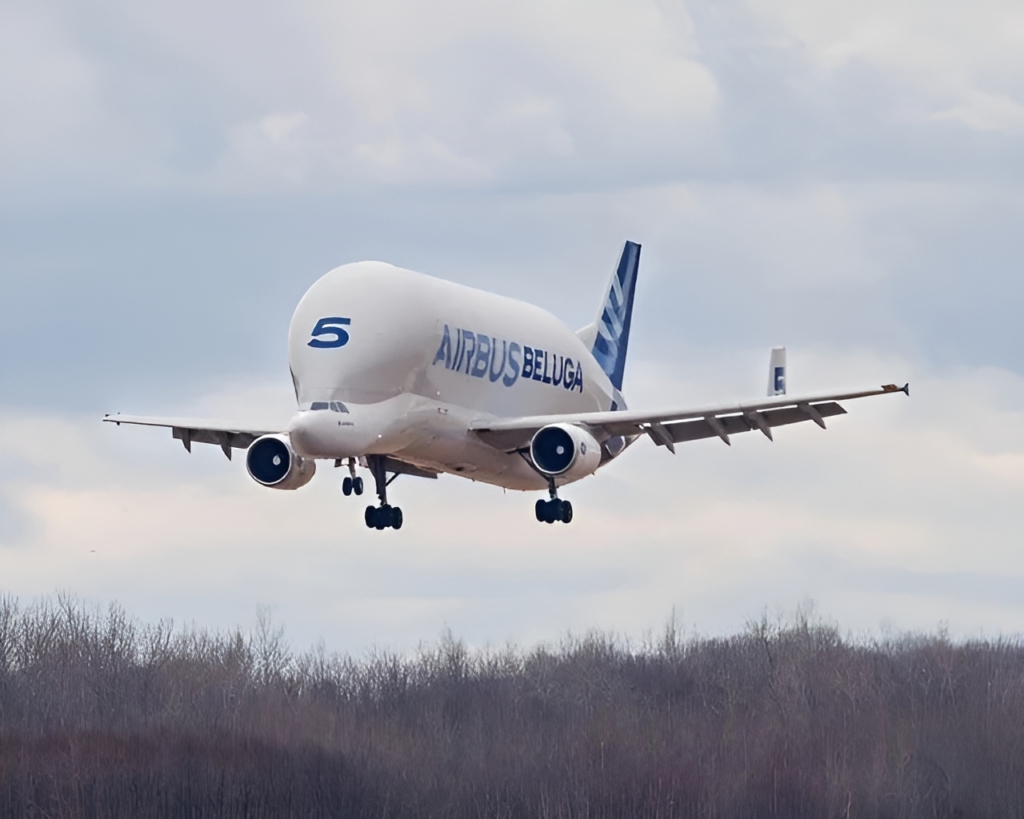
Following the flypast, which remains subject to weather conditions on the day, the aircraft will then perform its final landing at the airfield, touching down on the airport’s runway at around 11:00 local time. The site has been tipped as the final resting place for F-GSTF, which will eventually be put on static public display for future generations.
According to data from Planespotters, Airbus has already retired numbers 1 and 4 from the Super Transporter fleet. Numbers 5 and 2 are listed as parked, so both will retire imminently. However, BelugaST 3 is still going strong, with a few scheduled flights this week between Airbus sites in Germany and France.
Airbus BelugaST: 30 years supporting European aircraft production
The BelugaST, known for its distinctive whale-shaped fuselage, has played a key role in transporting large aircraft components between Airbus sites since 1996.
The BelugaST’s first flight was on September 13, 1994, and after 400 hours of flight testing, the first of five aircraft entered service in January 1996.
The purpose of the aircraft was to transport parts between Airbus’s various production sites around Europe to its primary final production lines in Toulouse (France) and Hamburg (Germany).
The five Beluga ST aircraft have all been regular visitors to Broughton ever since. The site has been a key component of the Airbus production chain for several decades, manufacturing wings and other major components for various members of the Airbus family of aircraft. The airport is also known as Hawarden Airfield, after a nearby village.
Over the years, the aircraft made history by setting a world record in 1997 for the largest payload ever transported by air – a chemical tank for a merchant ship. Beluga ST5 was the final aircraft to be built, entering service in December 2000.
Why Airbus is retiring the BelugaST in favour of the BelugaXL
Created to replace the ageing Aero Spacelines Super Guppy fleet previously operated by Airbus in the 1970s and 1980s, the BelugaST was based on the Airbus A300-600 platform.
Five aircraft were built in total and were operated by Airbus Transport International (ATI) to shuttle components between Airbus’ European production sites.
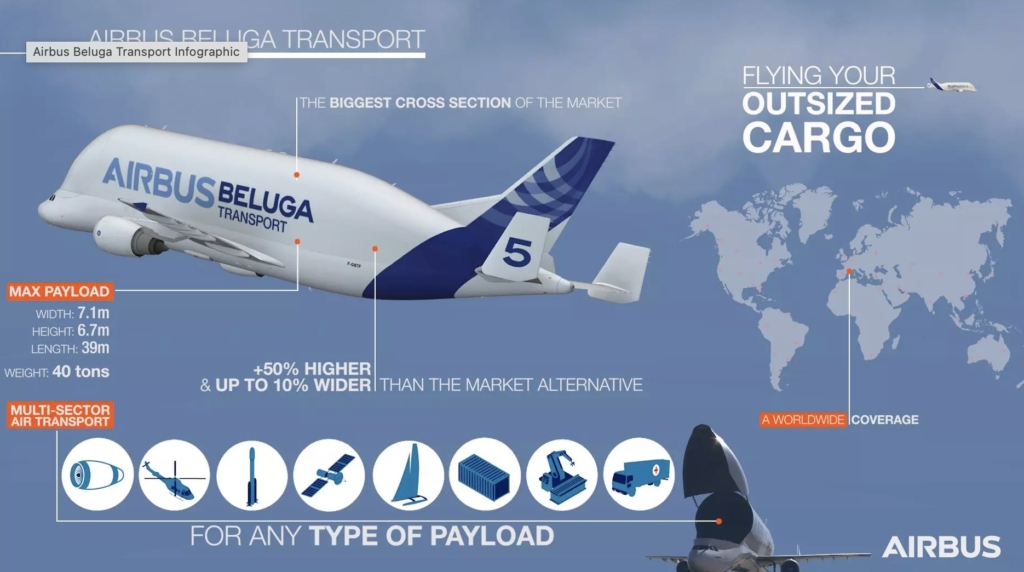
However, greater capacity was required for the newer and larger aircraft being built by the planemaker, like the Airbus A350, so Airbus launched the Beluga XL in 2019. The BelugaXL is based on an Airbus A330-200 platform.
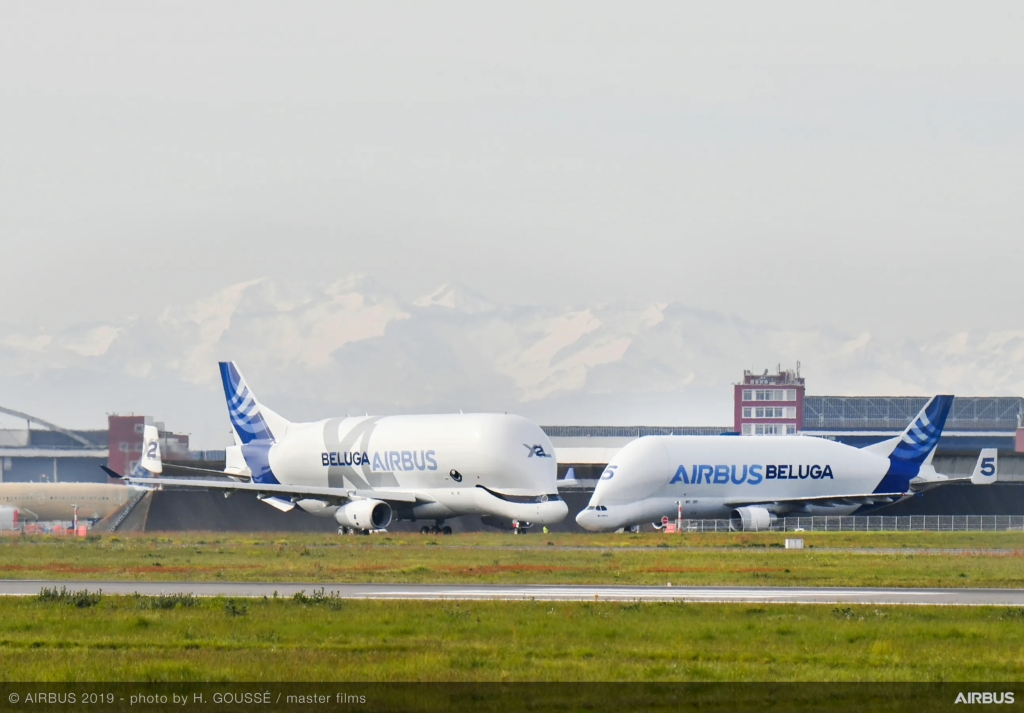
For a while, the two types worked in tandem, but as more XLs came online, the need for the A300 based Beluga diminished.
At the start of 2023, the five aircraft were retired from Airbus service and handed over to a new commercial entity, Airbus Beluga Transport, to operate the aircraft in the commercial air cargo market.
After just two years of operations, this commercial division was closed, with Airbus citing a lack of demand in the marketplace. The specialised aircraft had faced tough competition and could not compete with other freighters like the Antonov An-124 due to its weight limits, operational costs, and also its difficult loading characteristics.
The decision was taken to gradually withdraw the five aircraft from operations, with flight operations winding down over the latter half of 2025.
What does the future hold for the Airbus BelugaST?
At the end of 2025, Airbus shared that it was seeking permanent new homes for its five BelugaSTs, adding that the company wanted to preserve them rather than see them scrapped.
The company said it was considering museums, exhibition spaces, and educational placements for its five BelugaSTs, to preserve “the historical and engineering significance” of the unusual airlifters.
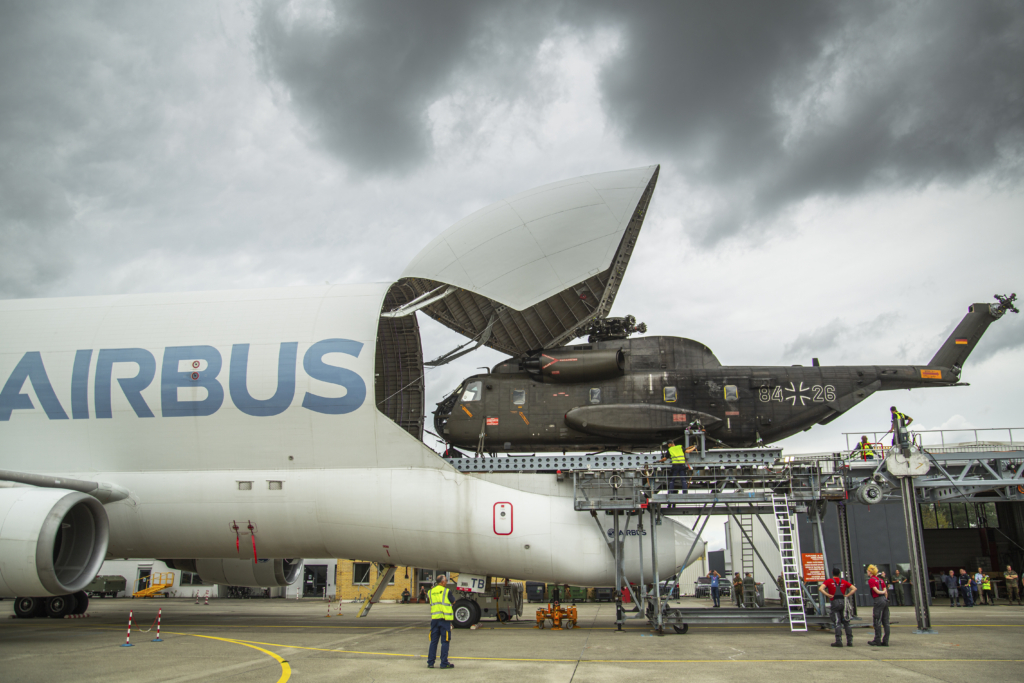
A spokesperson for Airbus told North Wales Live, “We plan to retire the BelugaST aircraft in the Airbus home countries, and respective options are currently being worked through. For BelugaST 5, its final flight will take place on 29 January.”
While the locations for the other retiring BelugaSTs have yet to be confirmed by Airbus, it would seem that at least one will find a new home and be serving out its retirement in North Wales by the end of this month.
Featured image: MarcelX42 / Wikimedia Commons
Sign up for our newsletter and get our latest content in your inbox.


More from

October 4, 20264 min read


