


Europe needs more than new fighter jets: It needs a new defence industry
4 min read

Dr Robert Brüll is co-founder and CEO of FibreCoat, an Aachen-based company developing coated fibres for applications including defence, space and mobility. The business grew out of his doctoral research at RWTH Aachen University and was founded in 2020.
Europe has an opportunity to change how it builds military equipment. Indeed, it has an opportunity to change how it thinks about defence from the ground up.
The continent’s governments are spending more on defence, young companies are developing new technology, and manufacturers are facing growing pressure to deliver what is needed faster. So why does the industry still rely so heavily on a few large contractors, a few ‘primes’, with smaller companies just supplying their parts?
Europe must rethink this if it wants to rearm quickly, deter its enemies, and secure peace.
A bigger role for specialist suppliers
Consider the debate over Europe’s next fighter jet. It is an illustrative case.
Following the breakdown of the Franco-German-Spanish Future Combat Air System (FCAS) fighter partnership, Airbus is exploring cooperation with BAE Systems on the Global Combat Air Programme (GCAP).
Governments now have to decide which companies will take part. But they should also consider how these programmes could strengthen the wider defence industry. Because modern fighters need advanced sensors, they need software, they need materials that protect their electronics and make them harder to detect.
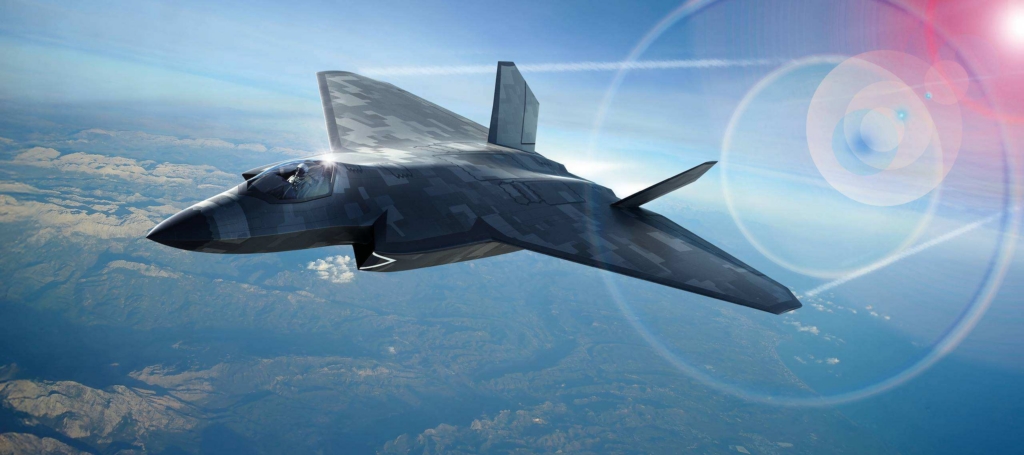
No one manufacturer can excel at everything. It’s only rational that smaller technology companies and specialist suppliers should play a bigger role: helping to design, rather than simply making parts to specs set by larger counterparts.
Simply put, manufacturers should involve the specialist engineers in their supply chains earlier. In doing so, they could identify better ways to protect their electronics, for example, or reduce weight, or improve performance (or all three) before settling on a final design. They could avoid having to make costly changes later.
Put even more simply: an engineer who develops lightweight materials may know how to reduce an aircraft’s weight without sacrificing protection. But that knowledge is less useful if the aircraft maker has already settled on a design that cannot accommodate the material without extensive changes.
Turning innovation into production
These reforms are necessary, rather than merely desirable, because Europe’s resources are limited. Companies building fighter jets must compete for these resources with those making missiles, drones and satellites. Many are already struggling.
In March 2026, the French Treasury reported that smaller defence companies were finding it hard to recruit workers, obtain supplies and pay their bills on time.

But developing new technology is only half the task. Suppliers have to prove they can manufacture that technology reliably and in large quantities. A material that works well in a laboratory may behave differently when exposed to heat or vibration.
Even small changes in production can affect its performance. Testing, equipment and skilled workers all cost money.
Shared testing and longer contracts
Governments could help bring down costs by agreeing to use the same tests for similar parts. At present, a supplier may have to test the same product several times to satisfy different aircraft makers.
If manufacturers agreed to share and accept one another’s test results, smaller companies could save time and money. They would also find it easier to sell their products to more customers and invest in making larger quantities.
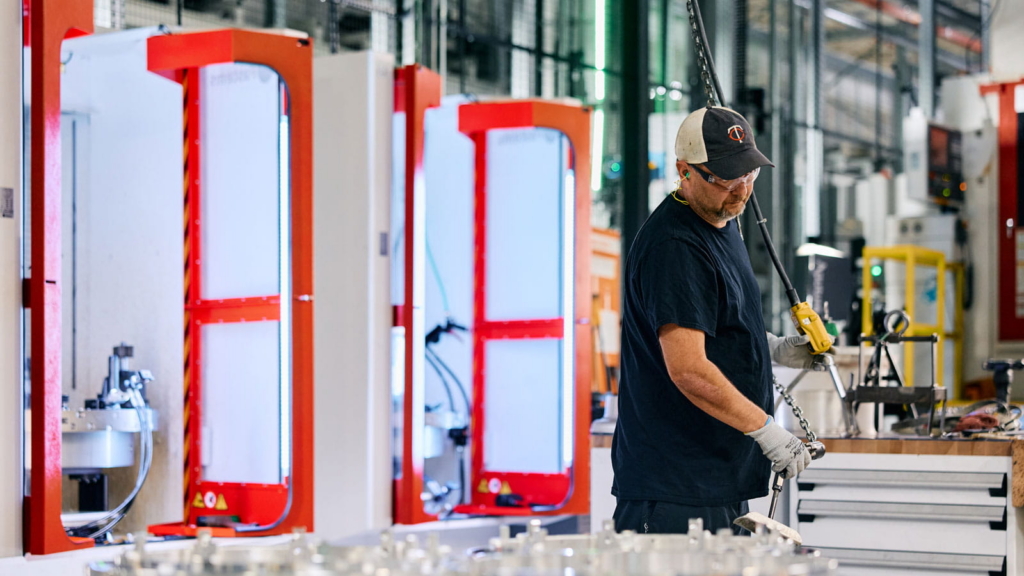
Longer contracts would also help. Small companies are less likely to buy new machines or hire more workers if they cannot be sure they will have enough orders to pay for them.
Governments could help by placing orders further in advance, making clear what they need and helping companies pay for the tests required before their products can be used in military aircraft.
Designing fighter jets for future upgrades
Manufacturers should also make fighter jets easier to improve over time. Given that an aircraft built today may still be flying in 30 years, by which time much of its technology will be out of date, engineers should design aircraft so that they can replace old equipment with newer, better versions without having to rebuild large parts of the plane. Working with specialist suppliers from the start would help them do this.
European governments have often focused on making sure that each country gets its fair share of the work when they develop military aircraft together. That matters, but they should also ask which companies can do the best job. The next generation of fighter jets offers a chance to give smaller companies a greater role, help them grow and make better use of Europe’s skilled workers and factories.
Whatever Airbus and BAE Systems decide, governments should use this opportunity to change how Europe builds military aircraft. More than that: it should use it as an opportunity to bring about a defence industry that can develop, manufacture and improve military equipment faster, in greater quantities and at a lower cost.
Sign up for our newsletter and get our latest content in your inbox.


More from


January 15, 20251 min read

January 15, 20251 min read


April 18, 20241 min read


July 22, 20222 min read


November 21, 20232 min read