


French investigators recreate night flight in Nice amid A320 near-collision probe
3 min read
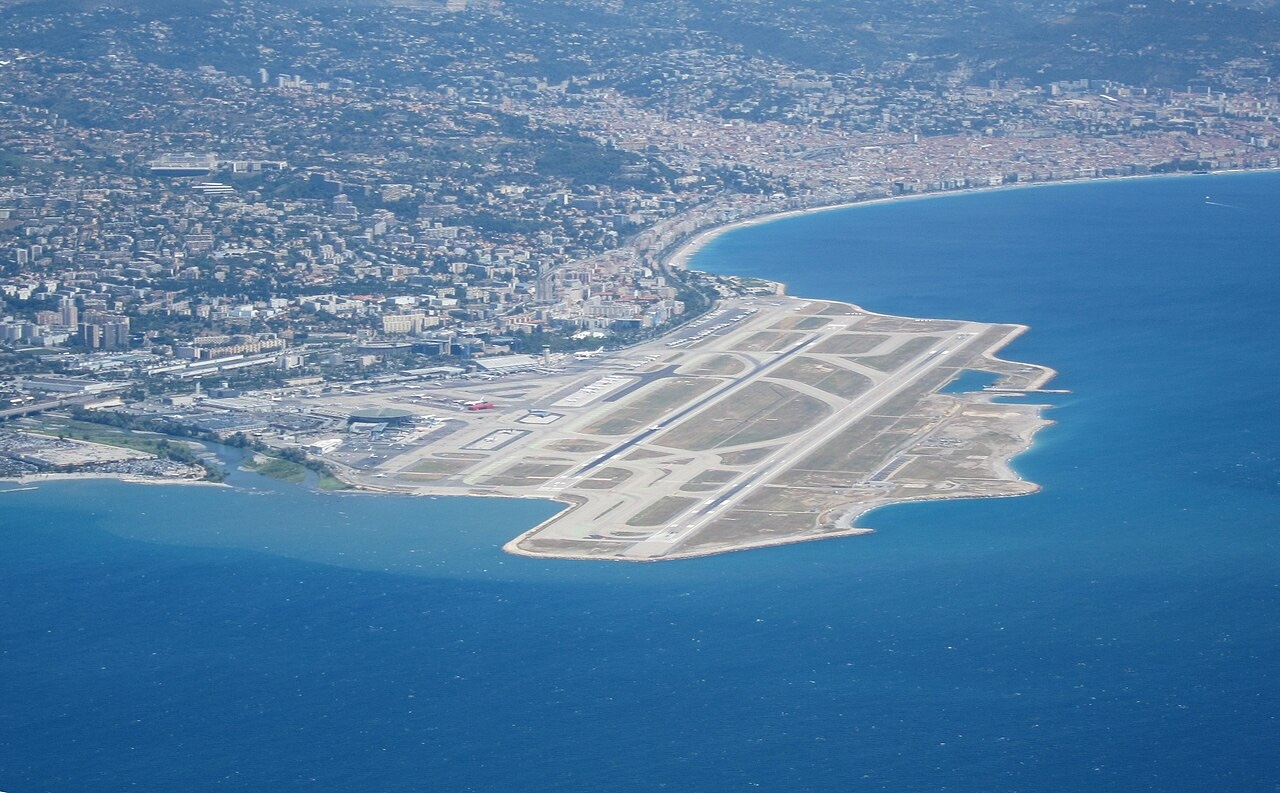
French investigators probing a near-miss incident involving two Airbus A320s at Nice Côte d’Azur Airport have recreated a night flight as part of their investigation into the runway incident.
The Bureau of Enquiry and Analysis for Civil Aviation Safety (BEA) revealed this week that it carried out the flight re-enactment in January.
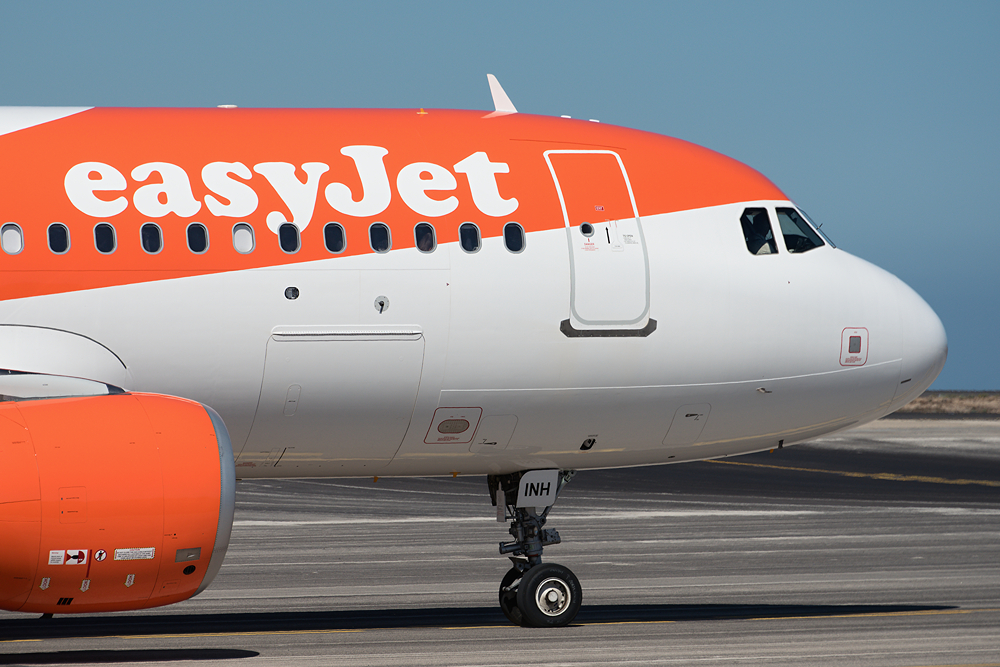
The exercise was conducted in coordination with Nice air traffic services, the airport operator and the local air force helicopter division, while easyJet provided an A320 and flight crew for the investigation.
The event under investigation has been deemed a “serious incident” by the BEA team.
What happened at Nice Airport?
On the night of 21 September 2025, a Nouvelair Airbus A320 came within seconds of landing on a runway occupied by an easyJet A320 at Nice Airport.
The Nouvelair aircraft was cleared to land on runway 04L but, during its night-time approach, became aligned with the parallel runway 04R, which was being used for departures. At the same time, the easyJet A320 had been cleared to line up and wait for takeoff on 04R.
The Nouvelair crew reported having the runway in sight as they descended through 1,000ft.
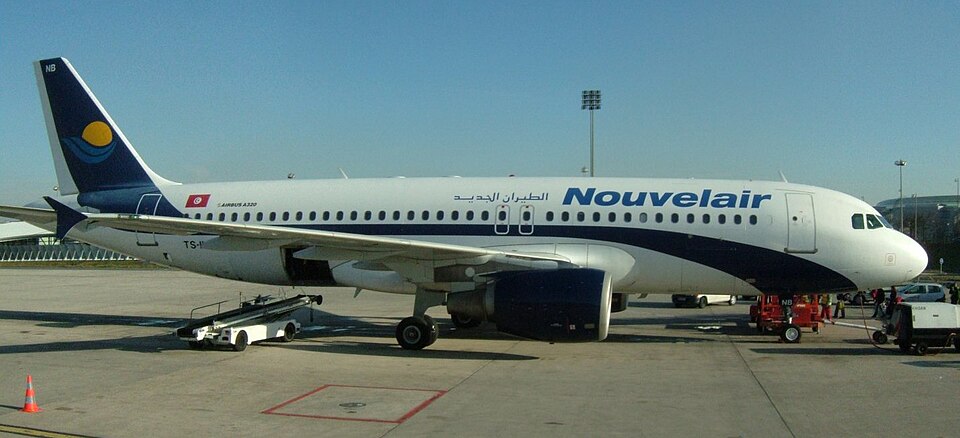
By the time the aircraft was aligned with 04R, it was around 1.8nm from the threshold. An automated runway-incursion alert was subsequently triggered, followed by a red warning from Nice’s A-SMGCS system.
The easyJet crew saw the approaching aircraft as it descended towards their runway.
The Nouvelair A320 passed directly over the occupied runway before the controller ordered a go-around.
Neither aircraft suffered any damage and there were no injuries.
BEA investigators recreate flight into Nice Airport
The recreated flight was intended to help investigators assess how Nice’s runway lighting may have affected the pilots’ perception while carrying out the approach to runway 04.
The BEA is examining two approach procedures used at the airport, including the RNP A runway 04 and visual approach with prescribed tracks, or VPT A, for runway 04, with attention being paid to the lighting on the parallel runways 04L and 04R.
Investigators have also enlisted the civil aviation engineering department STAC, whose laboratory has analysed the characteristics of the runway lighting and how it is perceived from the air by the flight crew.
The work forms part of a wider investigation into an incident on 21 September 2025 involving Nouvelair A320, registered TS-INP, and easyJet Europe A320, registered OE-IJZ.
Probe examines CVR and FDR data
Since publishing its preliminary report in October 2025, the BEA has analysed flight recorder data from both aircraft, air traffic control radar and communications data, weather conditions and interviews with the pilots and controllers involved.
It has also examined crew and controller training and procedures, the design of the approaches, requirements governing airport lighting and the methods used to inspect runway lighting both from the ground and in flight.
In an update posted to the BEA website on 21 September, a year on from the incident, the agency said “investigation work has been continuing in order to establish the circumstances of the occurrence and to identify the contributing factors”.
BEA noted that work has continued with the “collection and analysis of the technical, operational and organisational aspects that might have contributed to the occurrence of the incident, including “analysis of the data from the flight recorders (CVR and FDR) of the two aeroplanes” as well as the “analysis of the ATM radar system data (radar surveillance and A-SMGCS) and the Nice ANSP (SNA-SE) radio-communications”.
Investigators have also considered the weather conditions, in conjunction with interviews with the pilots of the flights and the air traffic controllers.
Safety improvements after A320 near-miss
The investigation has identified several areas where safety improvements may be possible, including pilots’ knowledge of airport-specific characteristics, requirements and inspection methods for aerodrome lighting, and the use of Nice’s advanced surface movement guidance and control system.
The BEA said these findings remain subject to change as the investigation continues.
It will use the remaining work to establish the factors that contributed to the incident and determine whether further safety recommendations are required.
Sign up for our newsletter and get our latest content in your inbox.



More from


September 21, 20263 min read


