


Southwest joins a small but growing club of low-cost airlines with airport lounges

9 min read
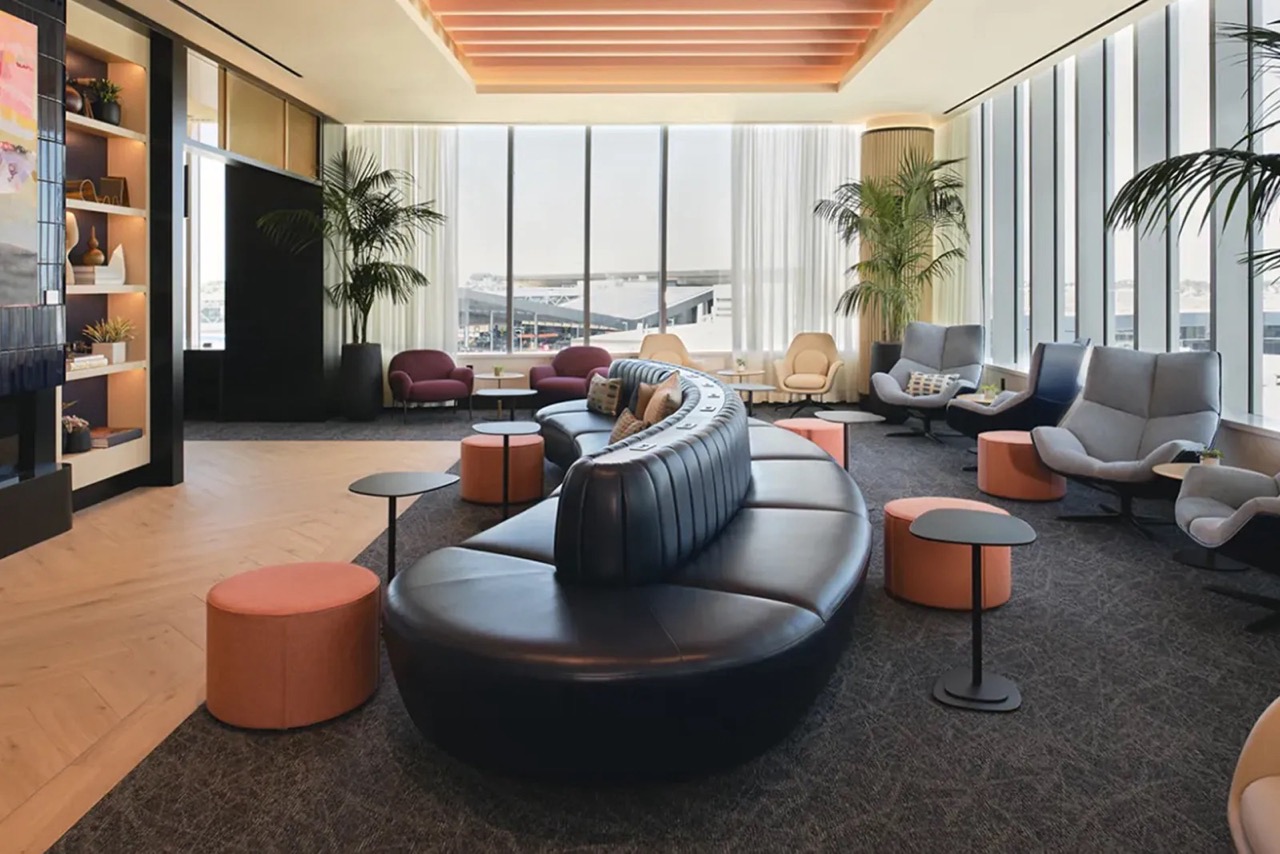
Airport lounges have long been associated with first class, business class and the world’s premier full-service airlines. But some low-cost carriers have included lounges in their passenger experience, despite their lean operating models.
Southwest Airlines is the latest—and one of the most significant—examples.
The US carrier has announced its first airport lounge network, with initial locations at Austin-Bergstrom International Airport (AUS), Baltimore/Washington International Thurgood Marshall Airport (BWI), Daniel K. Inouye International Airport in Honolulu (HNL) and Nashville International Airport (BNA).
Construction has already begun, with the first lounges expected to open from late 2027. Southwest says at least seven more locations will follow over the next several years.
The move is another striking departure from the traditional low-cost model the airline first perfected, and so many others followed over the decades. Southwest has recently left its long-successful model behind, introducing assigned seating, extra-legroom seats and baggage charges.
But Southwest is not alone. A number of low-cost airlines see premium airport services as another service element passengers may be willing to pay for—either directly, through ancillaries, through airline loyalty programmes or by signing up for revenue-generating airline credit cards.
Southwest lounges will be closely tied to Chase
Southwest is developing the lounges in partnership with Chase. A new premium Southwest Rapid Rewards credit card issued by Chase will launch in 2027 and include access to the lounge network. Southwest has not yet disclosed the card’s annual fee, guest policy or whether other passengers will be able to buy lounge access.
Chase operates its own expanding Sapphire Reserve Lounge Network. However, none of the first four airports Southwest has announced as lounge locations currently has a Chase Sapphire Lounge.
Chase currently lists Sapphire lounges at Boston, Dallas/Fort Worth, New York JFK, Las Vegas, New York LaGuardia, Philadelphia, Phoenix and San Diego, with Los Angeles coming soon. Its wider card benefits also include Priority Pass lounges and selected Air Canada Maple Leaf Lounges.
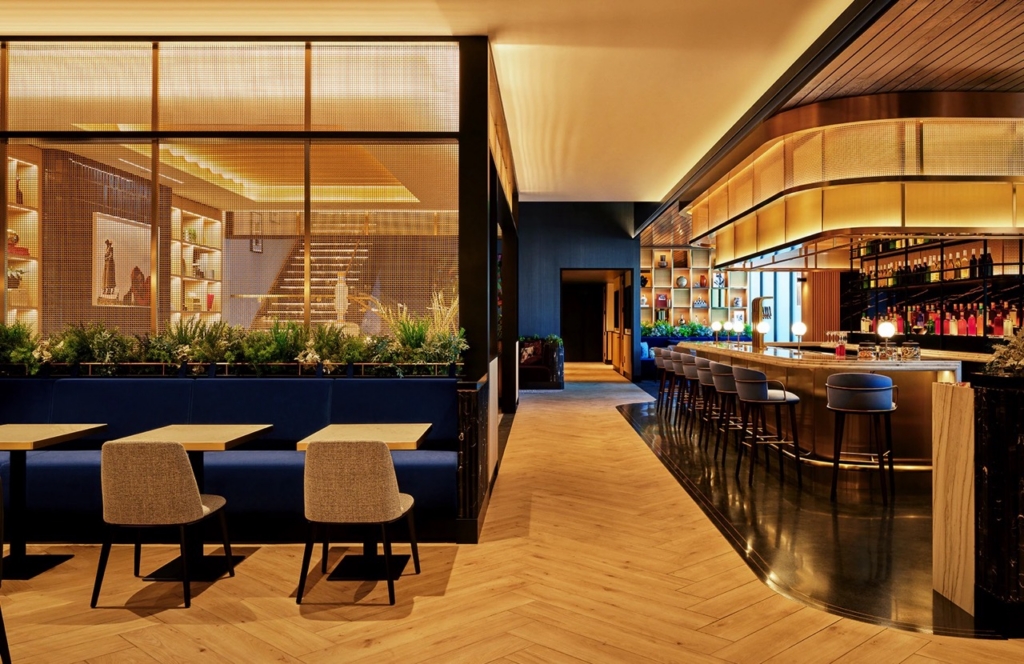
Southwest says its new lounges will combine its own hospitality with the “success of the Chase Sapphire Reserve Lounge Network,” including sophisticated design, locally inspired food and amenities similar to those found in Chase lounges today.
Neither Southwest nor Chase has yet said who will own and operate the facilities. For now, the four new facilities appear to be a distinct Southwest-branded lounge network developed with Chase rather than new Chase Sapphire Lounges.
Lounges require significant investment in real estate and service. Southwest could recover that investment through Chase card revenue and possibly by selling lounge passes as ancillaries.
JetBlue has already moved into the lounge business
Southwest is not the first US airline with low-cost roots to make the move. JetBlue opened its first BlueHouse lounge at New York JFK Terminal 5 in December 2025. The 9,000-square-foot, two-level facility includes food and drinks, high-speed WiFi, charging points, quiet areas and a game room.
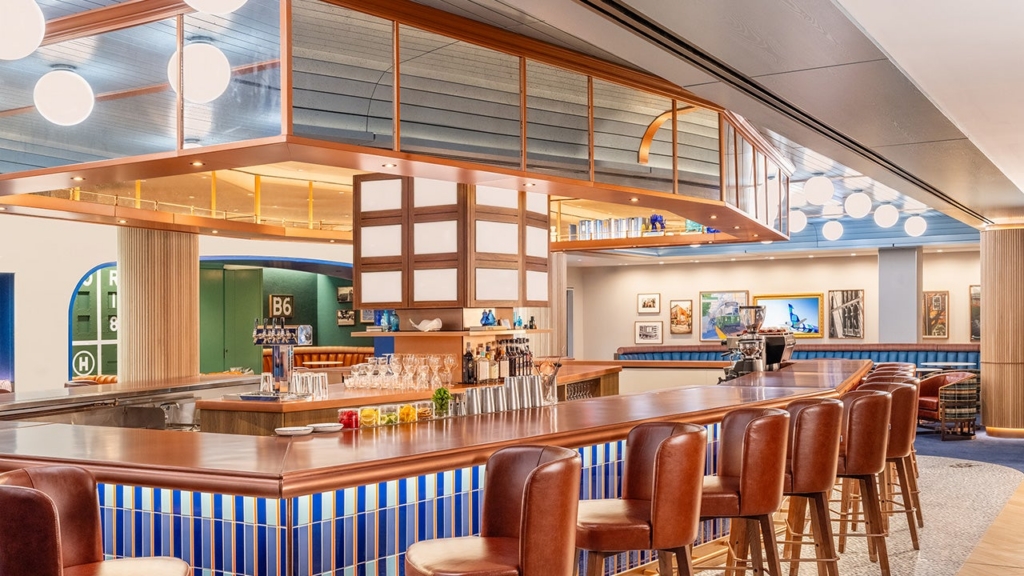
Its second BlueHouse opened at Boston Logan Terminal C on 27 August 2026.
Eligible Mint passengers get complimentary access, as do top-tier Mosaic loyalty programme members and qualifying JetBlue credit card holders. JetBlue also sells limited access to some other eligible passengers.
The lounges encourage bookings of JetBlue’s Mint premium cabin product, sign-ups for the TrueBlue loyalty programme, and credit card business, while also generating ancillary revenue through access passes.
easyJet finds lounge partner at Gatwick
In 2021, easyJet opened The Gateway at London Gatwick’s North Terminal. Rather than build and operate a proprietary lounge, easyJet partnered with No1 Lounges to run the facility.
The Gateway offered hot and cold food, drinks, WiFi, charging facilities, work areas, a TV den and games room.
The airline closed the easyJet Gateway Lounge over two years ago, and returned the property to No 1 Lounges. It now offers Inclusive Plus fare paying passengers access to My Lounge at Gatwick’s North Terminal, which is a separate No 1 Lounges property.
The airline has partnered with lounge operators to offer their facilities at other airports as a benefit for its higher-fare-paying passengers.
easyJet’s Inclusive Plus fare offers up to three hours of lounge stays at select locations.
- Birmingham Airport (BHX) – No1 Lounge
- Bristol Airport (BRS) – Escape Lounge
- Edinburgh Airport (EDI) – Escape Lounge
- Jersey Airport (JER) – No1 Lounge
- London Gatwick Airport (LGW) – My Lounge North Terminal
- Luton Airport (LTN) – My Lounge
- Manchester Airport (MAN) – Escape Lounge Terminal 2
- Stansted Airport (STN) – Escape Lounge
In Milan, easyJet grants access up to two hours before flight boarding time:
- Milan Malpensa Airport (MXP) – Alda Merini Lounge, T2
- Milan Linate Airport (LIN) – Leonardo Exclusive Lounge
The airline also sells lounge access as an ancillary product.
Norwegian and Scoot choose asset-light alternative
Building a lounge is not the only way for a low-cost carrier to sell passengers a more premium airport experience.
Norwegian has adopted an especially asset-light model through its Norwegian Reward partnership with Lounge Pass.
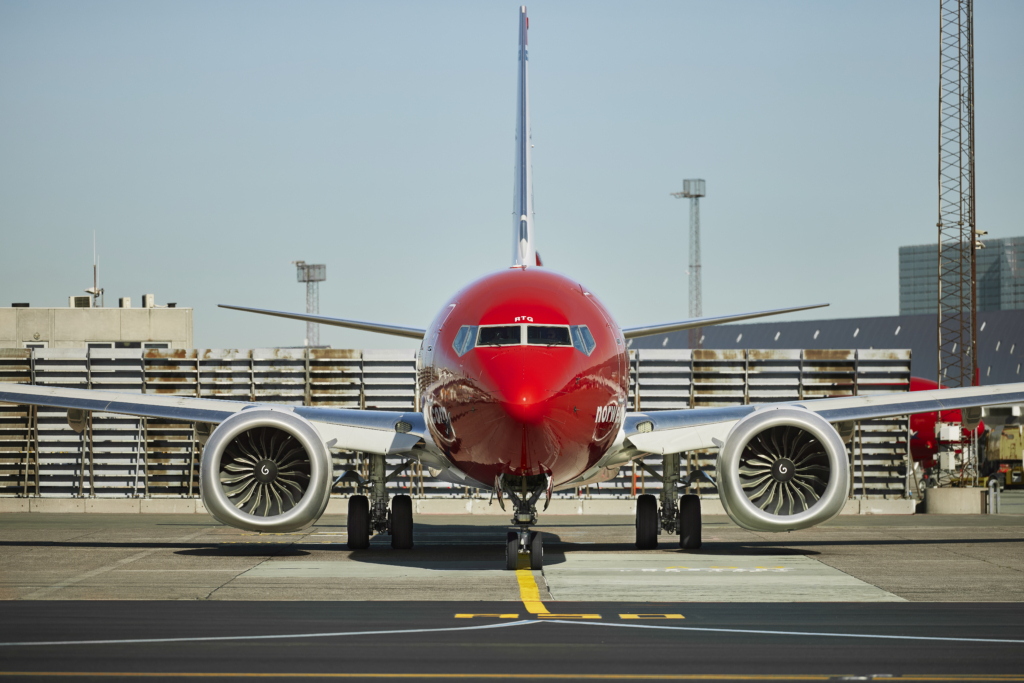
Norwegian Reward members can pre-book access to more than 800 independent airport lounges at more than 250 airports worldwide. The airline currently advertises access from £14 and awards members CashPoints worth 8% of the lounge booking.
It gives Norwegian an attractive lounge offer for passengers, covering a large geographical area, without having to build, staff or operate a single lounge.
Singapore-based Scoot has also used third-party lounges rather than investing in its own facilities. It previously sold a product called Scoot-in-Style at Singapore Changi, which bundled priority check-in and boarding with access to the SATS Premier Lounge. Scoot treated the lounge much like other optional airport services. The airline later discontinued the ancillary product and now directs passengers to buy their own access passes to run terminal lounges independently.
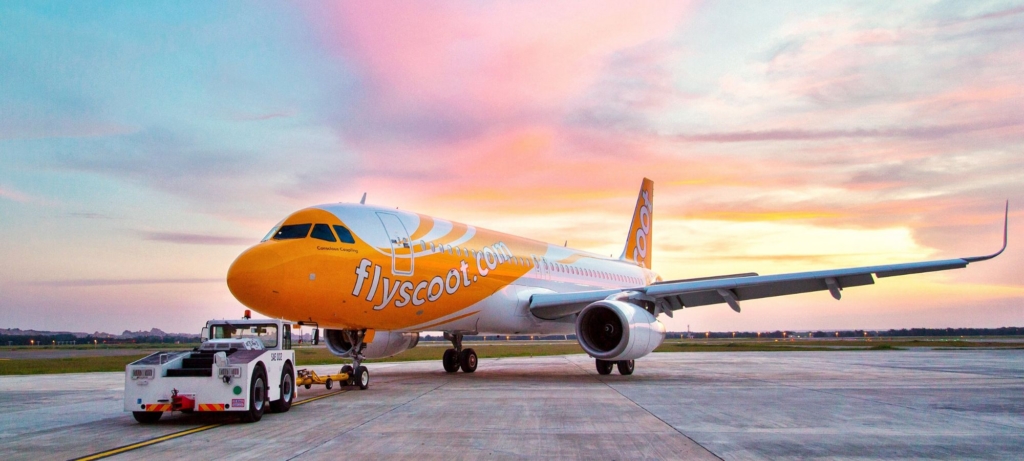
Lounge access as an ancillary service is the easiest way to integrate lounges into the low-cost model. Airlines do not need to own or manage premium ground infrastructure. Instead, they can connect passengers to existing lounge operators and earn loyalty, ancillary revenue or both.
IndiGo links lounges to fares, loyalty and credit cards
IndiGo applies a variation on the easyJet model, with a Southwest spin. Like easyJet, India’s largest airline provides premium airport services delivered by partners rather than building a large proprietary lounge network. Like Southwest, IndiGo’s lounge access supports its loyalty programme and branded credit card.
Its BluChip loyalty programme has, for example, partnered with AirportZo, allowing members to earn five IndiGo BluChips for every ₹100 spent on services including airport lounges, meet-and-greet and porter services.
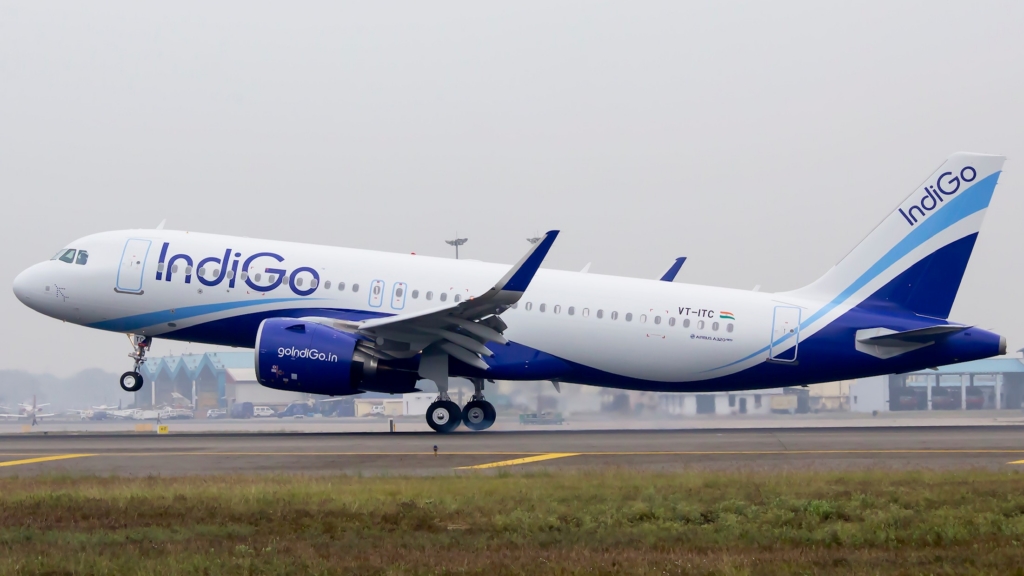
IndiGo is also connecting lounge access with its expanding co-branded credit card business.
The premium IndiGo SBI credit card currently includes up to eight domestic and six international lounge visits annually, subject to its terms and spending requirements. Its premium Axis Bank card offers eight domestic and two international visits annually.
flynas combines its own lounges with a partner network
Saudi Arabian low-cost carrier flynas has gone considerably further. Unlike Norwegian or IndiGo, flynas has put its own name on airport lounges while also using partnerships to extend lounge benefits much further across its network.
A flynas-branded lounge is available at Jeddah’s King Abdulaziz International Airport and Dammam’s King Fahd International Airport.
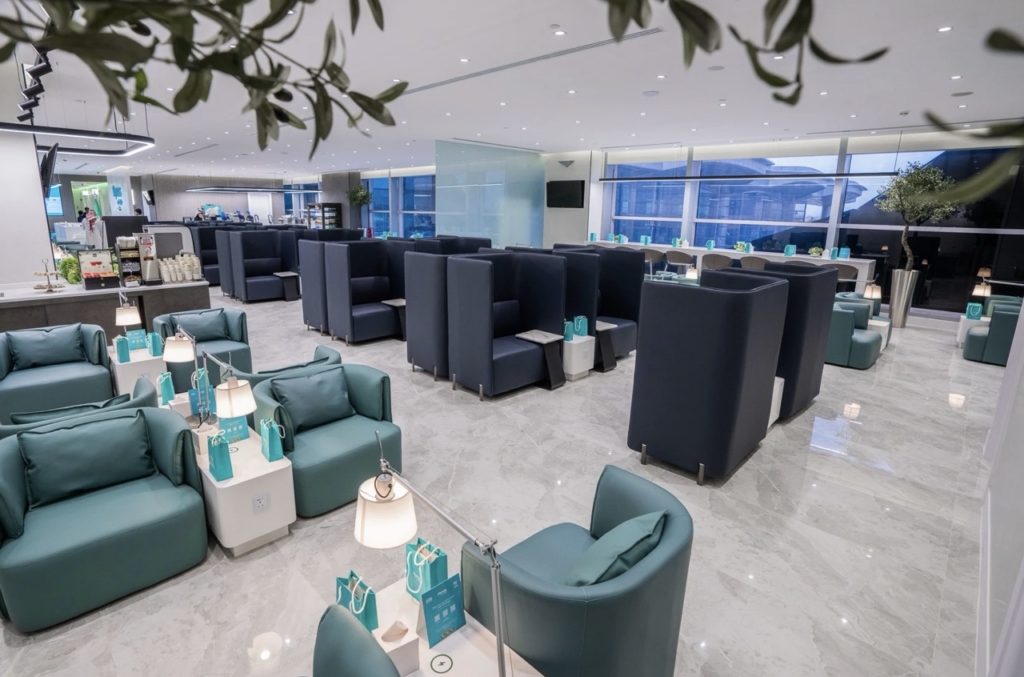
The airline has also developed lounge access as a loyalty benefit. In 2024, flynas signed an agreement with Saudi lounge operator Hayyak, giving Prime members of its nasmiles loyalty programme complimentary access to 18 Hayyak lounges around the country when travelling with flynas. Other flynas passengers could purchase access through the airline’s website or app.
At the time, flynas said the Hayyak partnership complemented three flynas lounges at Riyadh, Jeddah and Dammam. Its current lounge listings show how the model has evolved, with Hayyak now listed at Riyadh while Jeddah and Dammam retain flynas-branded facilities.
Prime nasmiles members continue to receive complimentary Hayyak lounge access when flying with flynas, subject to the programme’s conditions.
The result is effectively a hybrid lounge strategy: invest in branded facilities at key hub airports while using a specialist lounge operator to provide a much broader lounge network.
For a low-cost airline, that offers many of the advantages of a traditional global airline lounge network without requiring the carrier to build lounges at multiple destinations.
AirAsia X includes lounges with its premium seats
AirAsia X provides another example of a low-cost carrier using someone else’s lounge infrastructure to strengthen its most expensive onboard product.
The long-haul low-cost airline includes three hours of complimentary Plaza Premium Lounge access with its Premium Flatbed product at participating departure airports.
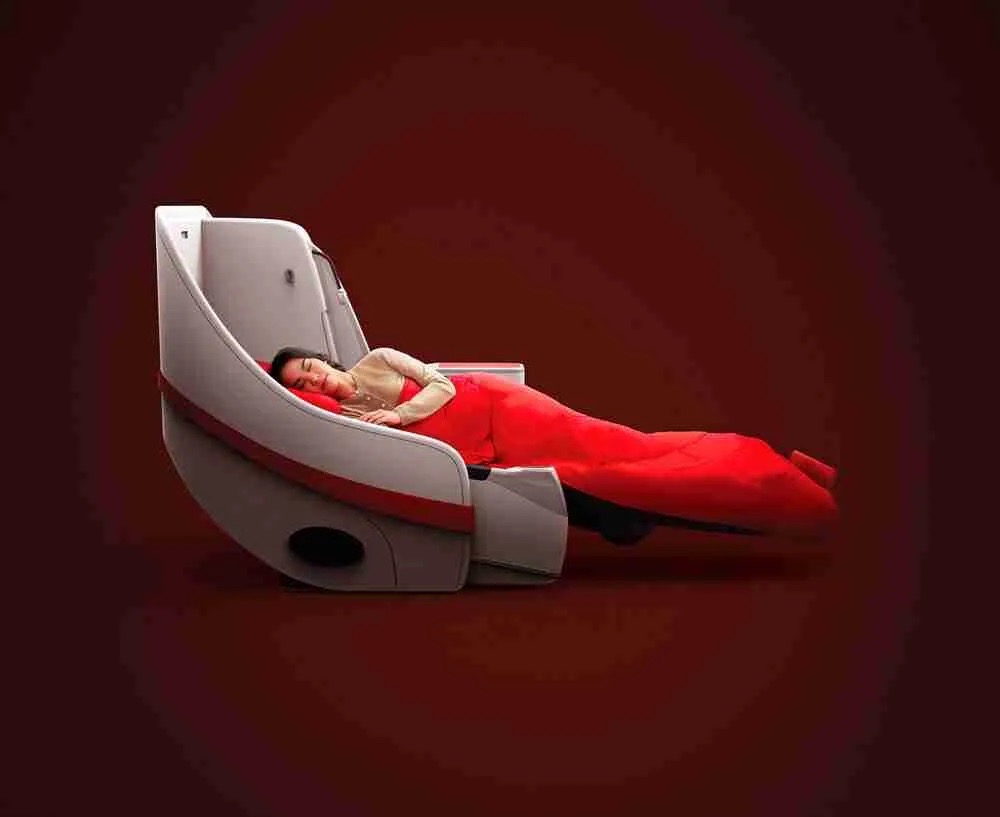
AirAsia X can offer one of the traditional benefits of international Business Class—a pre-flight lounge—without operating the facilities itself.
Air Arabia sells lounge access as another extra
Air Arabia follows a similarly asset-light approach. Like Norwegian, the Middle Eastern low-cost airline offers airport lounge access as an additional airport service passengers can add to their journeys, alongside products such as fast track and meet-and-assist.

This turns the lounge into another optional ancillary: passengers who value it can pay for it, while customers seeking the lowest possible fare can opt out.
flydubai takes a hybrid model approach to lounges
flydubai sits towards the premium end of the low-cost spectrum. Like JetBlue, it is closer to a hybrid carrier model than a traditional low-cost model. It opened its own dedicated Business Class Lounge at Dubai International Terminal 2 in December 2024.
Passengers travelling from Terminal 3 can instead use Emirates’ Business Class Lounge, while flydubai also provides access to partner lounges at numerous overseas destinations.
Lounges can make sense for low-cost airlines
JetBlue and flydubai invest in their own lounges. easyJet has branded a lounge built by a specialist company. flynas blends branded lounges with a broader partner network. Norwegian and Scoot use an asset-light approach, connecting passengers to independent lounge operators. IndiGo ties lounge access to its loyalty programme and co-branded cards, while AirAsia X bundles third‑party lounge access with its premium onboard product.
These strategies let low-cost airlines target passengers willing to spend more while keeping travel affordable for everyone else.
A lounge can create another paid ancillary, strengthen a premium fare bundle, reward high-value frequent flyers and make a co-branded credit card considerably more attractive.
Airline loyalty programmes and credit-card partnerships have become major businesses in their own right.
Southwest’s new lounges are explicitly tied to a new Chase credit card rather than a new business class cabin. The airline can sell the basic seat relatively cheaply, and customers willing to spend more can improve the journey with an upgraded airport wait.
Southwest’s latest announcement also shows how far low-cost segmentation can go. An airline built around a famously simple passenger proposition will soon have assigned seats, extra-legroom sections, multiple fare bundles and its own airport lounges.
The low-cost airline model is evolving as premium demand grows. Low-cost airline lounges are no longer the contradiction they once seemed.
Sign up for our newsletter and get our latest content in your inbox.


More from

September 13, 20264 min read

September 12, 20264 min read


