


Latvia considers Embraer A-29 Super Tucano to counter Russian drone threats

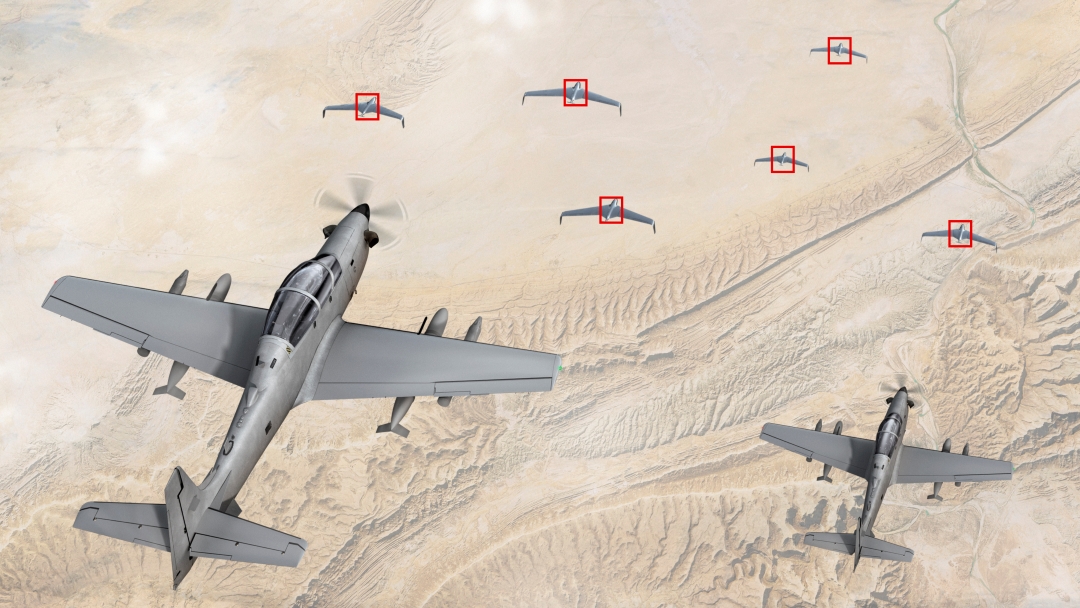
Faced with an increasing drone threat from Russia and backed by a dramatically increased military budget, the Baltic state of Latvia is considering purchasing Embraer A-29 Super Tucanos as drone hunters.
Latvia evaluates Embraer A-29 Super Tucano for counter-drone and air-defence missions
According to a new article published by Latvia’s SARGS news outlet, the Baltic state is considering purchasing the Brazilian/United States Embraer A-29 Super Tucano turboprop light combat aircraft/advanced trainer.
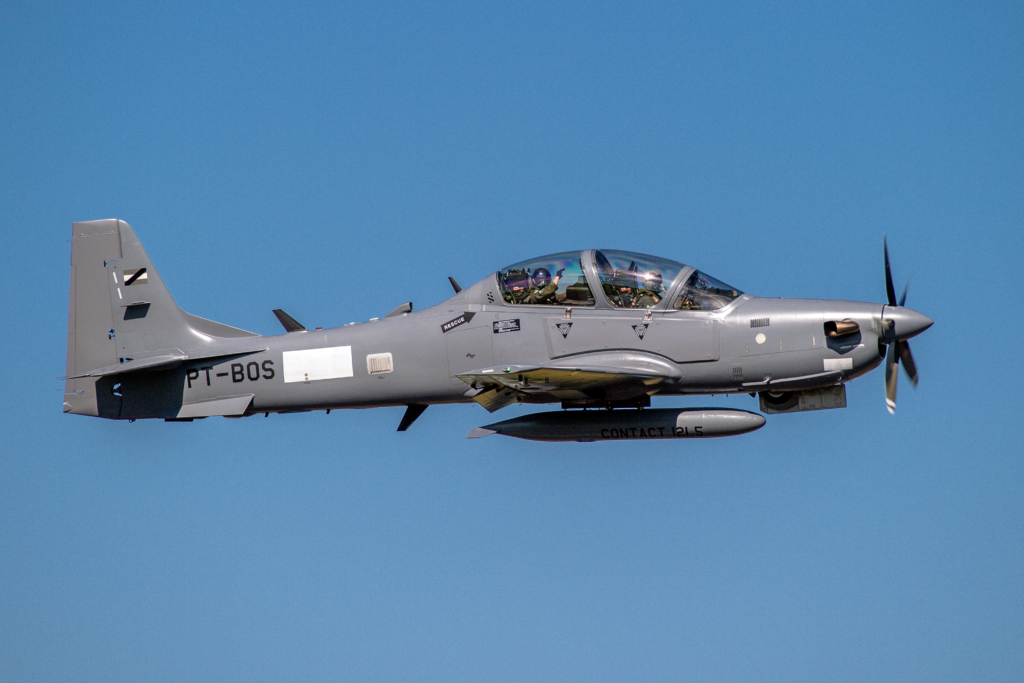
National Armed Forces (NBS) Air Force Commander Colonel Viesturs Masulis said that acquiring such aircraft is a realistic option, although any aviation solution requires significant financial resources.
It is unclear how many Super Tucanos Latvia is considering or when they would arrive. Importantly, Poland is also considering the aircraft for the anti-drone role.
Ukraine has used a mix of fast jets, helicopters, and utility aircraft to hunt down drones. It has been stuck in negotiations with the Czech Republic to acquire Aero L-159 ALCA jets for that role.
Why the A-29 Super Tucano could become Latvia’s counter- drone aircraft
Latvia’s Masulis stated, “As I hand over the baton to the next Air Force commander, Colonel Edmunds Svenčs, I will certainly encourage him to focus on these aircraft – not as conventional aircraft, but as an air-based air-defence capability, particularly for combating slow-flying targets and drones.”
SARGS notes that the Super Tucano occupies a sort of intermediate position between attack helicopters and fighter jets.

The Super Tucano offers Latvia the advantages of being significantly lower maintenance and cheaper than fighter jets, while also being able to conduct patrol missions.
They can operate from unprepared runways and are compatible with precision-guided munitions and air-to-air missiles. They come with built-in machine guns and electro-optical/infrared sensors.
Embraer is currently working on the aircraft to perform counter-drone missions. It is integrating the Gunslinger guidance system from Valkyrie Aero, which uses artificial intelligence algorithms to make tactical decisions in real time.
Why acquiring the A-29 would be significant for Latvia’s military aviation capabilities
Purchasing the Super Tucano would be a significant step for the small country with a population of around 1.8 million. The Baltic states have historically built relatively light, territorial-defence-oriented militaries, relying heavily on NATO allies to provide capabilities such as combat aviation and heavy formations that they could not economically field themselves.
NOTÍCIA | Embraer expande capacidades do A-29 Super Tucano para combater Sistemas Aéreos Não Tripulados de maneira acessível e efetiva. Leia notícia completa: https://t.co/AEertHzX19 pic.twitter.com/OnCnzi0Bsw
— Embraer (@embraer) November 11, 2025
The Baltic states have built their militaries to dig in and hold back a potential Russian invasion long enough for NATO forces to arrive. They have typically avoided purchasing high-ticket items, instead relying on NATO air policing missions, although this has increasingly changed since 2022.
Currently, the Latvian Air Force has three Black Hawks in service (and a fourth on order), having donated its Soviet legacy Mi-17 helicopters to Ukraine. Otherwise, it operates a handful of small Antonov An-2 biplanes and two Latvian-built Tarrgon ultralight basic trainers used for reconnaissance.
For Latvia, purchasing a fleet of Super Tucanos would therefore amount to building a fixed-wing combat aviation capability almost from scratch.
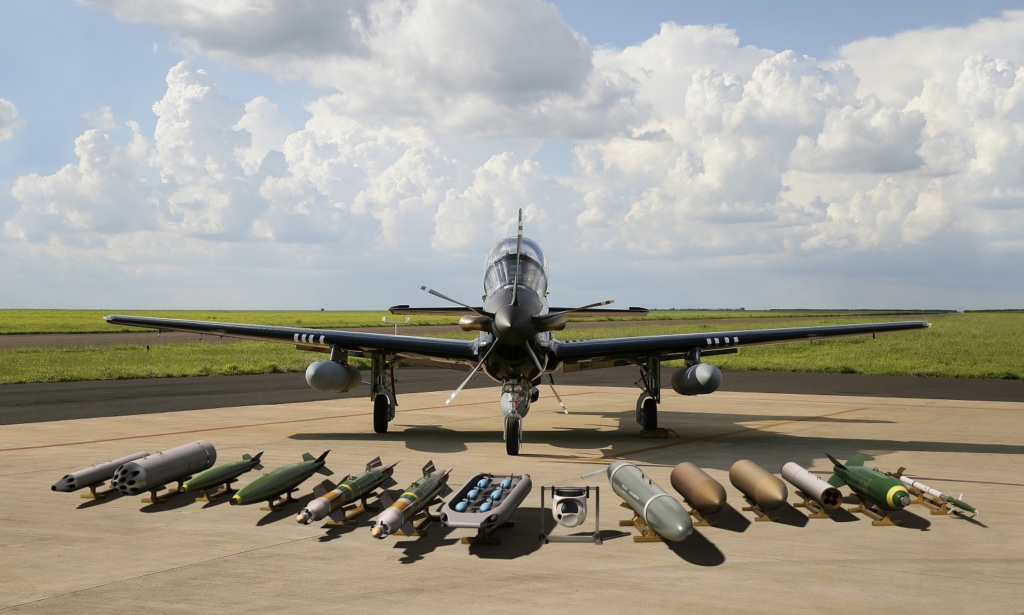
Latvia has allocated over €1 billion ($1.2 billion) to strengthen air defence, and air-based solutions could form one component of this system. Once concrete financial and delivery estimates have been received from manufacturers, the country can start taking more specific action.
When measuring defence spending as a percentage of GDP, Latvia is now among the highest in NATO and the world. Its spending for 2026 is around 4.7-4.9% and plans for at least 5% for 2027.


