Europe’s last remaining FCAS partnership comes under pressure after MTU warning

Europe’s last remaining industrial partnership in the troubled Future Combat Air System (FCAS) programme has come under fresh pressure after Germany’s MTU Aero Engines warned that diverging French and German fighter requirements could force it to abandon its engine collaboration with France’s Safran.
First reported by Reuters on 30 July, MTU chief executive Johannes Bussmann said the companies would continue work on the current engine study only until existing funding expires at the end of September.

He said he hoped governments would clarify Europe’s next-generation fighter plans before then, but acknowledged that MTU could pursue other industrial partners if the current cooperation cannot continue.
“Of course, there are other options and other partners we could work with on this,” he added.
Fresh uncertainty for FCAS
The $115 billion FCAS programme had already been slowed by prolonged disputes between Dassault Aviation and Airbus Defence and Space over industrial leadership and workshare.
The warning from the MTU chief executive raises fresh uncertainty over the future of EUMET, the joint venture established by MTU and Safran to develop the engine for FCAS’s New Generation Fighter.
Bussmann said the partnership was created to build a common engine and could not continue if France and Germany pursue separate aircraft requiring fundamentally different powerplants.
“If that happens, we will not be able to continue our cooperation in this case,” he added, referring to the prospect of separate national fighter programmes.
“The French version has a significantly smaller aircraft designed to land on aircraft carriers,” Bussmann said. “It’s slightly different with the Germans.”
The comments deepen the uncertainty surrounding Europe’s flagship sixth-generation fighter ambitions only weeks after FCAS effectively unravelled over disagreements between France and Germany on aircraft design, industrial leadership, and operational requirements.
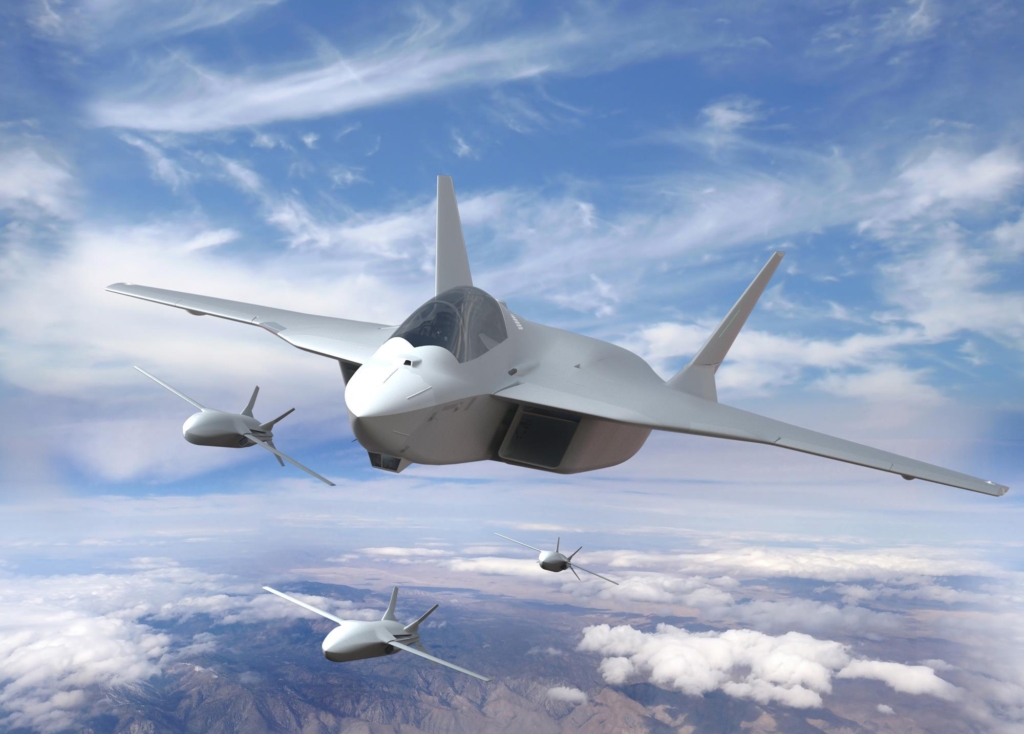
While France is pursuing a carrier-capable successor to the Rafale, Germany’s requirements no longer align with that approach, creating the prospect of two different aircraft and, potentially, two different engines.
That would undermine the industrial model on which EUMET was founded.
A partnership created for one engine now faces an uncertain future
EUMET was established in 2021 as a 50:50 joint venture among Safran Aircraft Engines, MTU Aero Engines, and Spain’s ITP Aero to lead the development, production, and in-service support of the New Generation Fighter engine.
Under the agreement, Safran took responsibility for engine design and integration, while MTU led engine services, reflecting a carefully balanced industrial partnership between France and Germany.
The venture was one of the few elements of FCAS that continued to function despite the wider programme running into repeated delays and political disputes.
Safran says it can support only one next-generation combat engine
Bussmann’s comments echo those made earlier this week by Safran chief executive Olivier Andries, who questioned whether France and Germany would continue to require a common engine as their future combat aircraft programmes move in different directions.
Presenting Safran’s first-half 2026 results on 28 July, Andries said the company has the resources to develop only one next-generation combat aircraft engine and would prioritise French military requirements if separate national programmes emerge.
He also confirmed that funding for EUMET, the Munich-based joint venture, runs until the end of September.
People familiar with the matter told Reuters that, unless France and Germany agree on two broadly similar aircraft capable of sharing the same engine, the joint venture is expected to close once funding expires, with engineers redeployed to other programmes.
Engine venture was established as a cornerstone of FCAS
Under Phase 1B, EUMET’s work focused on technology maturation: advanced materials, thermal barrier coatings, high-temperature alloys, and aircraft integration studies. No full-engine ground-test demonstrator was built and tested. The Phase 1B contract expired in April 2026 without a follow-on contract. Existing funding is expected to sustain work only until the end of September, after which the future of the venture will depend on decisions by the partner governments.

Leonardo chief executive Lorenzo Mariani said at the Farnborough International Airshow that Germany could still join the UK, Italy, and Japan-led Global Combat Air Programme (GCAP), although Berlin has not indicated that it intends to do so.
Bussmann also acknowledged that MTU has alternative partnership options if the current arrangement with Safran cannot continue.
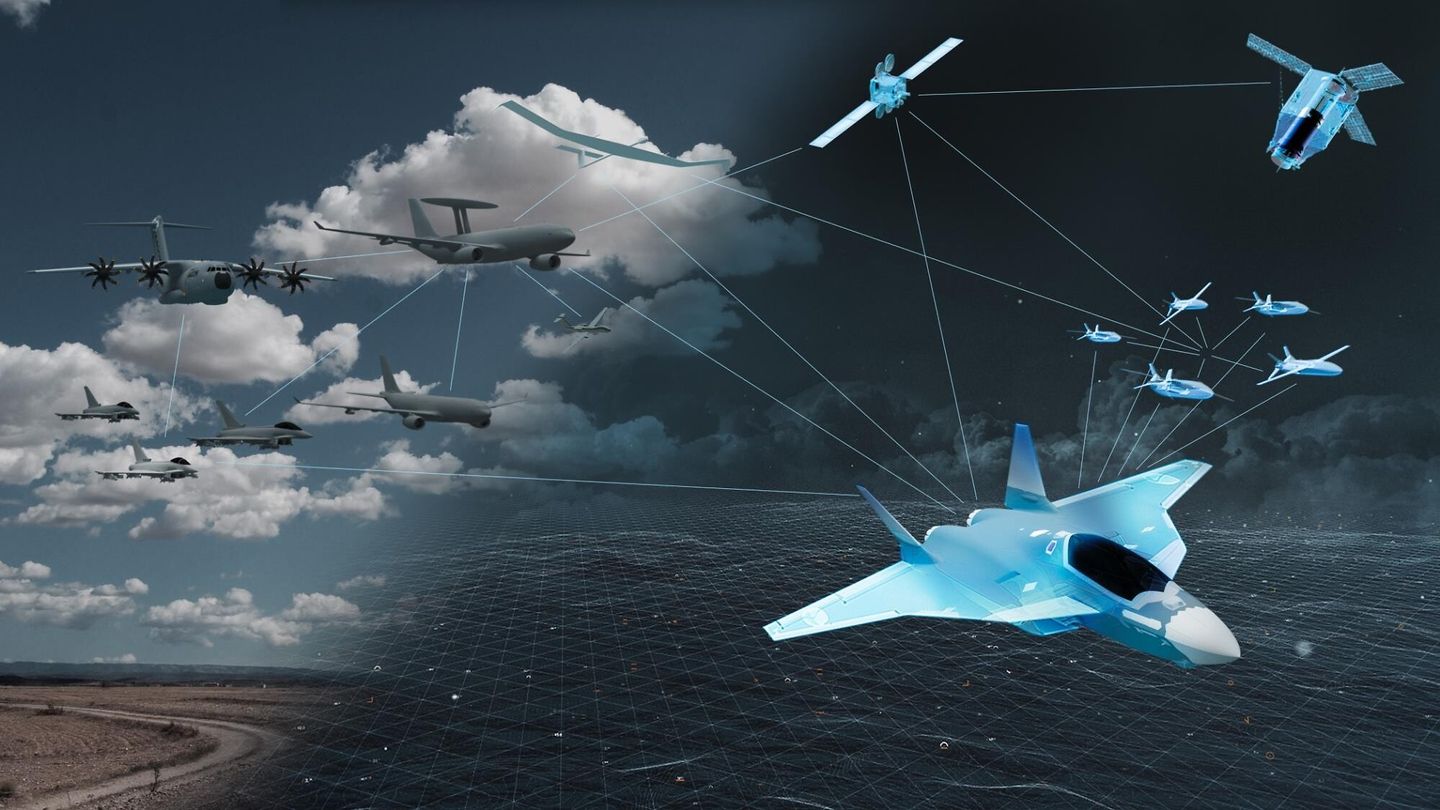
Although the FCAS programme was structured around seven development pillars, officials had hoped cooperation could continue in areas such as the “system of systems” combat cloud, designed to network crewed and uncrewed platforms into a shared battlespace.
However, a Franco-German ministerial meeting in mid-July offered no clarity on the future of the remaining FCAS elements, leaving key industrial programmes, including the EUMET engine venture, awaiting political direction.