


easyJet edges towards $7.5bn buyout as Castlelake secures board support

6 min read

easyJet has moved a significant step closer to becoming privately owned after reaching an agreement in principle with US investment firm Castlelake over a takeover proposal valued at approximately £5.5 billion ($7.5 billion) on a fully diluted basis, potentially setting up one of the largest airline acquisitions seen in Europe in recent years.
Although the transaction remains subject to regulatory approvals and a formal offer under the UK’s Takeover Code, the airline’s board has indicated that the latest proposal is at a level it would be prepared to recommend to shareholders, marking a dramatic turnaround after rejecting four earlier bids as undervaluing the business.
Reuters first reported that easyJet had agreed in principle to Castlelake’s improved offer of 690 pence per share in cash, valuing the airline at around £5.2 billion ($7.1 billion) on an equity basis and approximately £5.5 billion ($7.5 billion) on a fully diluted basis.
Castlelake must now either announce a firm intention to make an offer or withdraw by 3 August, in accordance with the UK Takeover Code.
The proposed acquisition would bring one of Europe’s best-known low-cost carriers under private ownership at a time when airline valuations remain under pressure despite a sustained recovery in passenger traffic and continued demand for leisure travel.
It also reflects growing confidence among long-term financial investors that established airlines possess strategic value extending well beyond current market conditions.
Fifth time lucky for Castlelake’s easyJet offer
The latest breakthrough follows more than a month of increasingly public negotiations between the two companies.
Castlelake first disclosed its interest in June and subsequently submitted a series of improved all-cash proposals as easyJet repeatedly argued that the offers significantly undervalued both its current business and long-term prospects.
The airline described the earlier approaches as “highly opportunistic”, saying they sought to acquire the company during a period when external factors had temporarily weakened its market valuation.
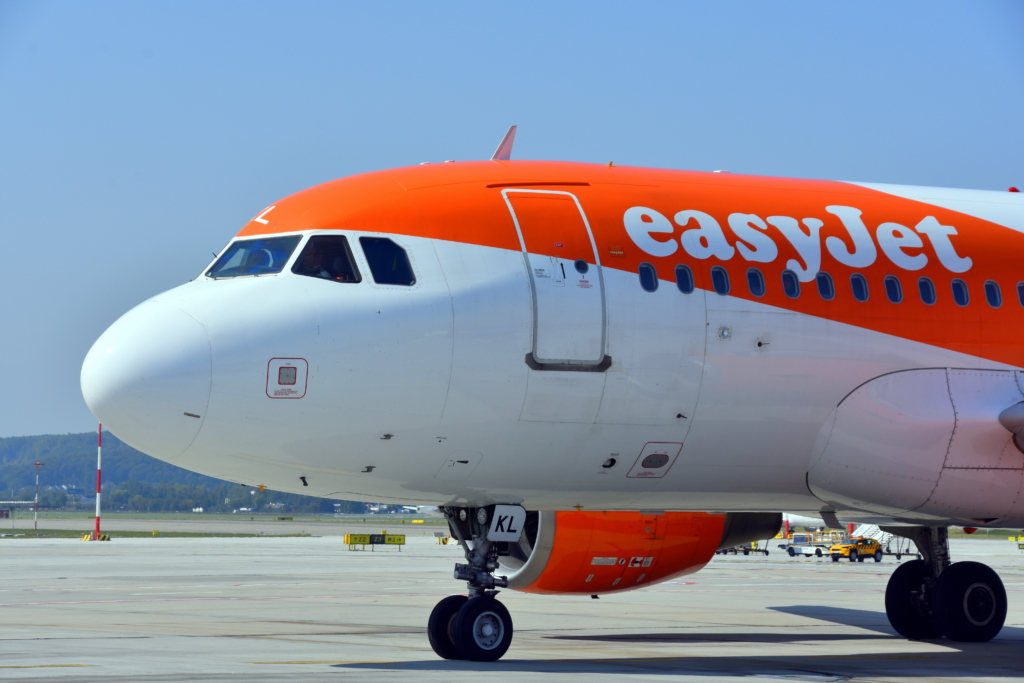
The latest offer, submitted on 4 July, is the fifth proposal made by Castlelake and the first that the board has indicated it would be prepared to support if a firm offer is made.
The agreement in principle does not amount to a completed acquisition. Castlelake must still satisfy regulatory requirements before it can present a binding offer to shareholders, and investors would ultimately need to approve the transaction.
Market pressures created an opening despite strong operational fundamentals
The timing of Castlelake’s approach reflects the unusual position facing many European airlines.
Passenger demand has broadly recovered to, and in many markets exceeded, pre-pandemic levels, yet airline share prices have failed to keep pace. Investors have remained cautious as carriers contend with volatile fuel prices, inflationary cost pressures, supply chain disruptions, aircraft delivery delays and geopolitical instability affecting travel demand.
For easyJet, those pressures became particularly evident following the conflict involving Iran, which contributed to higher fuel costs and weaker booking trends across parts of the European market.
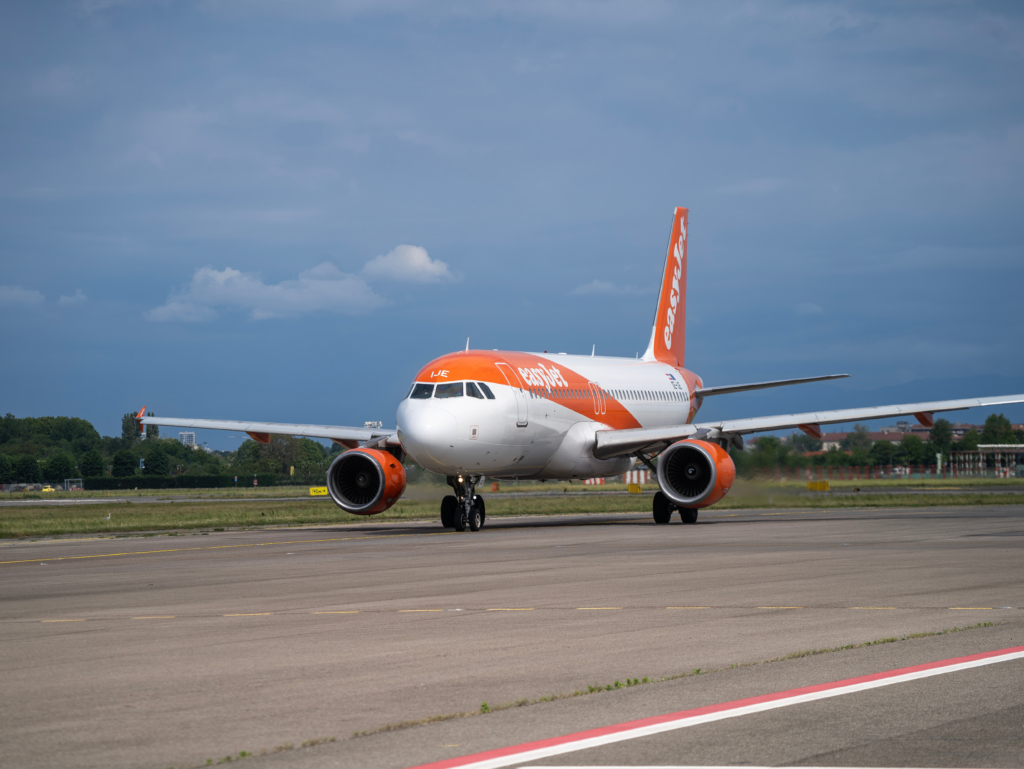
Before Castlelake’s initial approach became public, the airline’s shares had declined by more than 30% over the previous year, leaving one of Europe’s largest airlines trading well below levels many investors considered representative of its long-term earning potential.
That disconnect between operational performance and market valuation appears to have created an opportunity for long-term investors willing to look beyond short-term volatility.
easyJet remains one of Europe’s largest short-haul airlines
Founded in 1995 by Sir Stelios Haji-Ioannou, easyJet has evolved from a small UK low-cost carrier into one of Europe’s largest airline groups.
Today, the airline serves around 1,200 routes across 35 countries, employing more than 19,000 people and operating one of Europe’s largest Airbus narrowbody fleets.
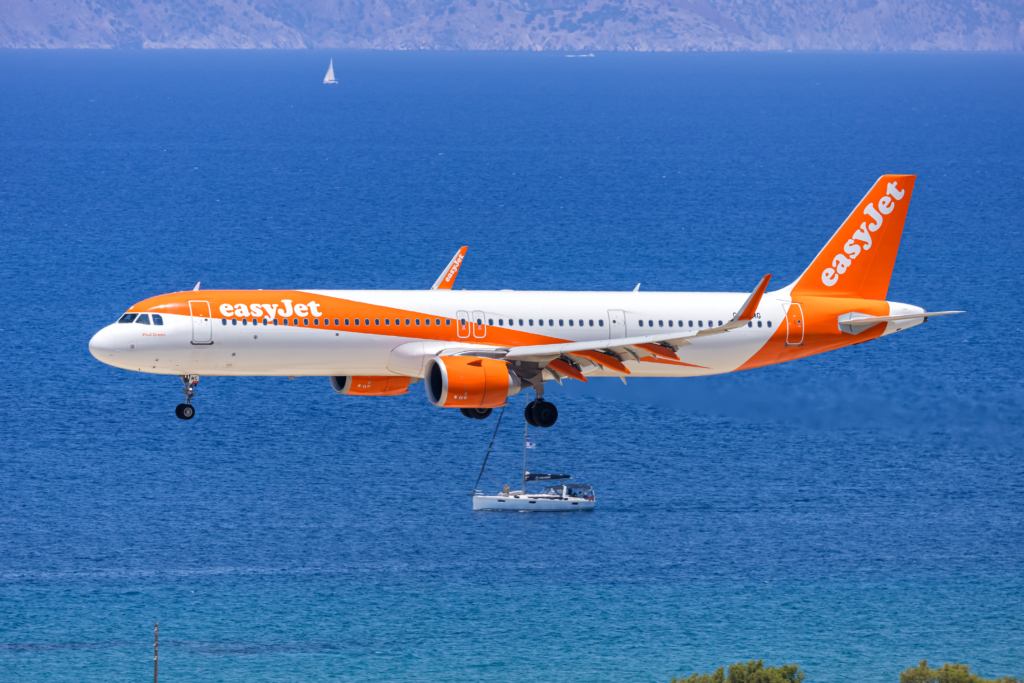
The company has steadily modernised its fleet with Airbus A320neo and A321neo aircraft, improving fuel efficiency while reducing operating costs and emissions.
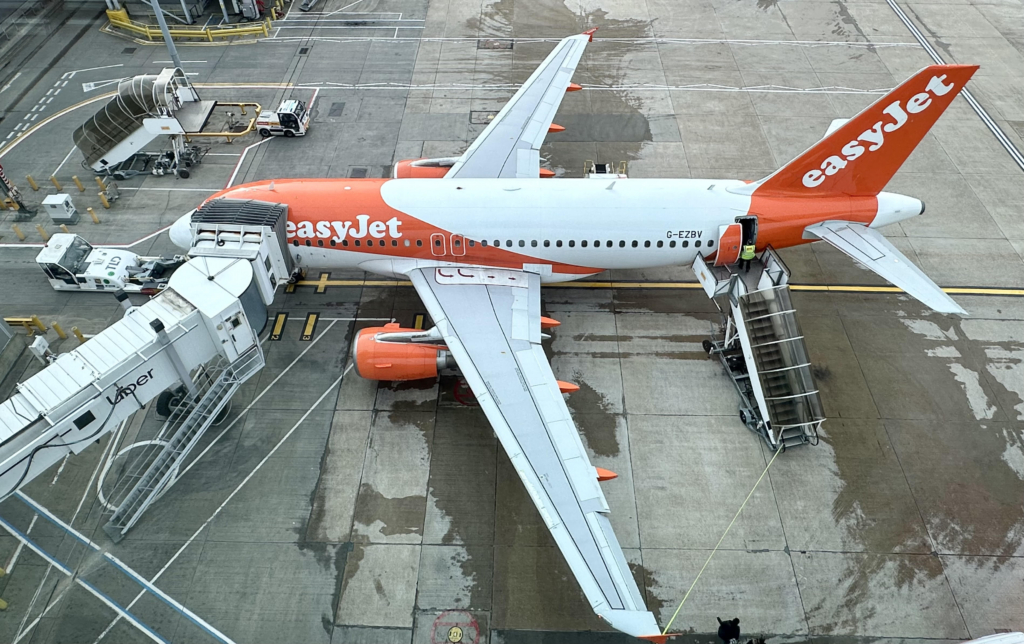
Its extensive presence at major airports across the UK and continental Europe gives the airline valuable access to constrained airport slots that would be difficult for competitors to replicate.
Combined with strong brand recognition and a mature route network, those assets help explain why easyJet continues to attract interest from long-term investors despite cyclical pressures affecting airline profitability.
The carrier competes directly with Ryanair and Wizz Air across much of Europe while also challenging traditional network airlines on many high-density short-haul routes.
Castlelake brings deep aviation investment experience
Unlike many financial investors, Castlelake enters the transaction with a long record in aviation.
The Minneapolis-based alternative investment manager oversees approximately $38 billion (£28 billion) in assets under management and has invested more than $24 billion (£18 billion) in aviation since 2005. Over the past two decades, the firm has built relationships with more than 200 airlines worldwide through aircraft leasing, structured finance and aviation investment activities.
That experience distinguishes Castlelake from conventional private equity investors seeking short-term financial returns.
The firm’s aviation portfolio spans airline finance, aircraft assets and capital solutions, giving it extensive familiarity with the commercial aviation industry’s cyclical nature and capital-intensive business model.
The company has also emphasised its intention to support easyJet’s future development rather than pursue a short-term restructuring strategy.
European ownership rules remain the biggest hurdle to an easyJet-Castlelake deal
While agreement has been reached on financial terms, regulatory approval may prove the most complex stage of the transaction.
European aviation regulations require airlines operating within the European Union’s internal market to remain majority-owned and effectively controlled by European interests.
Although easyJet is headquartered in the United Kingdom, those ownership rules continue to apply because of the airline’s operating structure and traffic rights across Europe.
As a US-based investor, Castlelake must therefore demonstrate that any acquisition structure complies with European ownership and control requirements before the deal can proceed.
Earlier in the bidding process, Castlelake outlined a proposed ownership structure involving European partners intended to satisfy those regulatory obligations, arguing that similar arrangements have previously been accepted for other European airlines.
Whether regulators accept that framework is likely to become one of the defining issues in determining whether the acquisition ultimately succeeds.
A broader shift in airline investment
If completed, the acquisition would represent more than a change in ownership for one airline.
The proposed transaction underlines the growing role of private capital in commercial aviation as investment firms seek opportunities among established carriers whose stock market valuations have lagged behind operational recovery.
Airlines today control increasingly valuable assets, including scarce airport slots, modern aircraft fleets, extensive customer bases and well-established brands.
Those characteristics continue to attract investors prepared to weather short-term market volatility in anticipation of stronger long-term returns.
For Europe’s aviation sector, the proposed easyJet acquisition could become one of the clearest examples yet of how private investment is reshaping airline ownership following years of geopolitical uncertainty, pandemic disruption and changing market dynamics.
Whether Castlelake ultimately completes the acquisition will depend on regulatory approval, shareholder support and compliance with European ownership rules.
However, after five increasingly higher offers, the negotiations have already highlighted the strategic value investors continue to place on one of Europe’s most recognisable airline brands.
Featured image: easyJet
Sign up for our newsletter and get our latest content in your inbox.


More from


September 17, 20265 min read

September 17, 20263 min read


September 18, 20263 min read

