IATA calls for ‘urgent action’ to fix engine MRO bottlenecks

4 min read
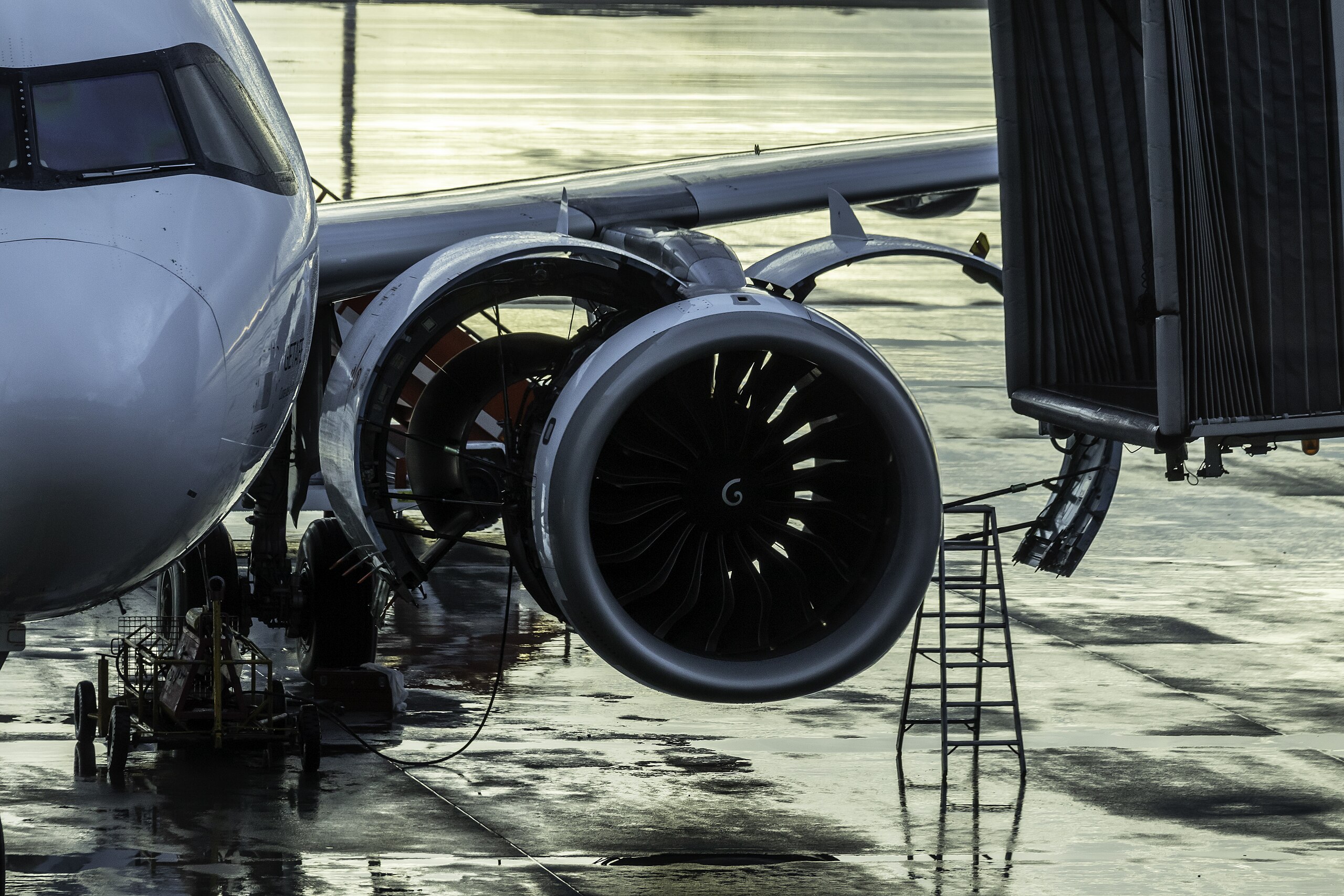
Airlines are being forced to rewrite their fleet renewal plans with older aircraft flying longer than expected due to bottlenecks in the maintenance, repair, and overhaul (MRO) of next-generation single-aisle aircraft engines powering the Airbus A320 Neo and Boeing 737 MAX, the International Air Transport Association (IATA) has warned.
IATA warns of bottlenecks in the engine MRO supply chain
In a new research paper, the organisation, which represents over 370 airlines, said the issue was being caused by engine durability issues, spare parts shortages, limited spare engine availability, and constrained aftermarket access.
These factors are disrupting airline operations and leading carriers to extend leases or lease additional aircraft, as well as adjust capacity to manage the problem.
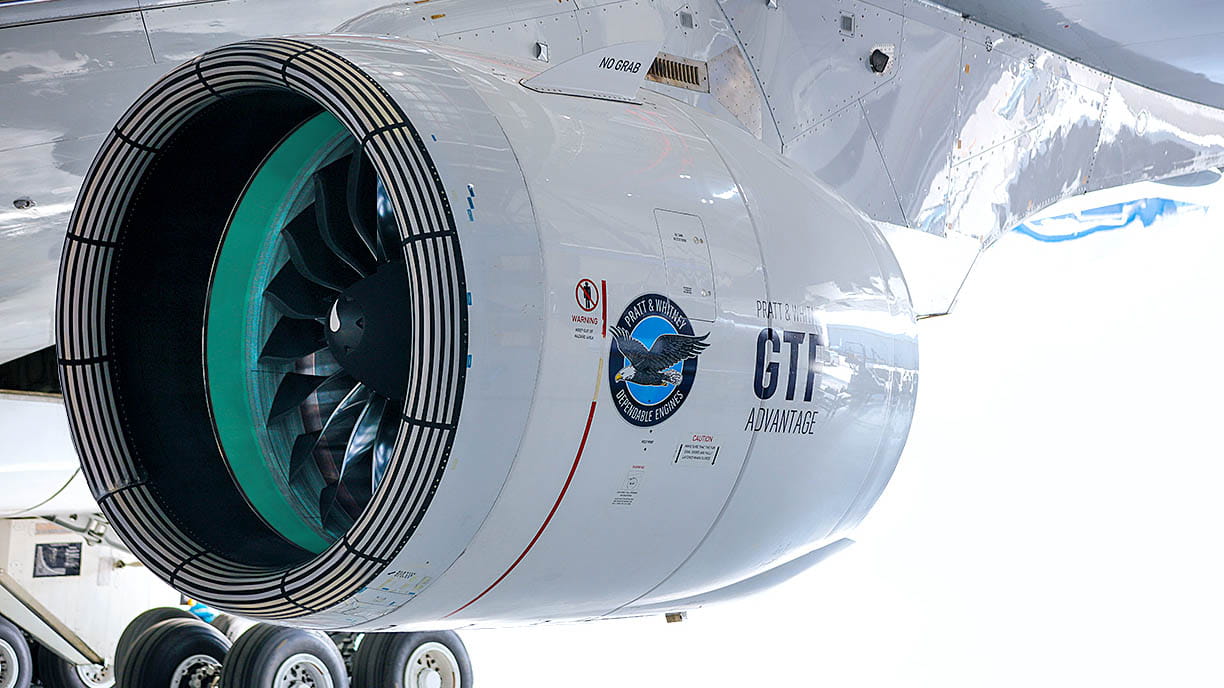
Well-publicised issues involving Pratt & Whitney’s GTF engines led to more than a quarter of the GTF fleet being grounded at the peak of the crisis in March 2025.
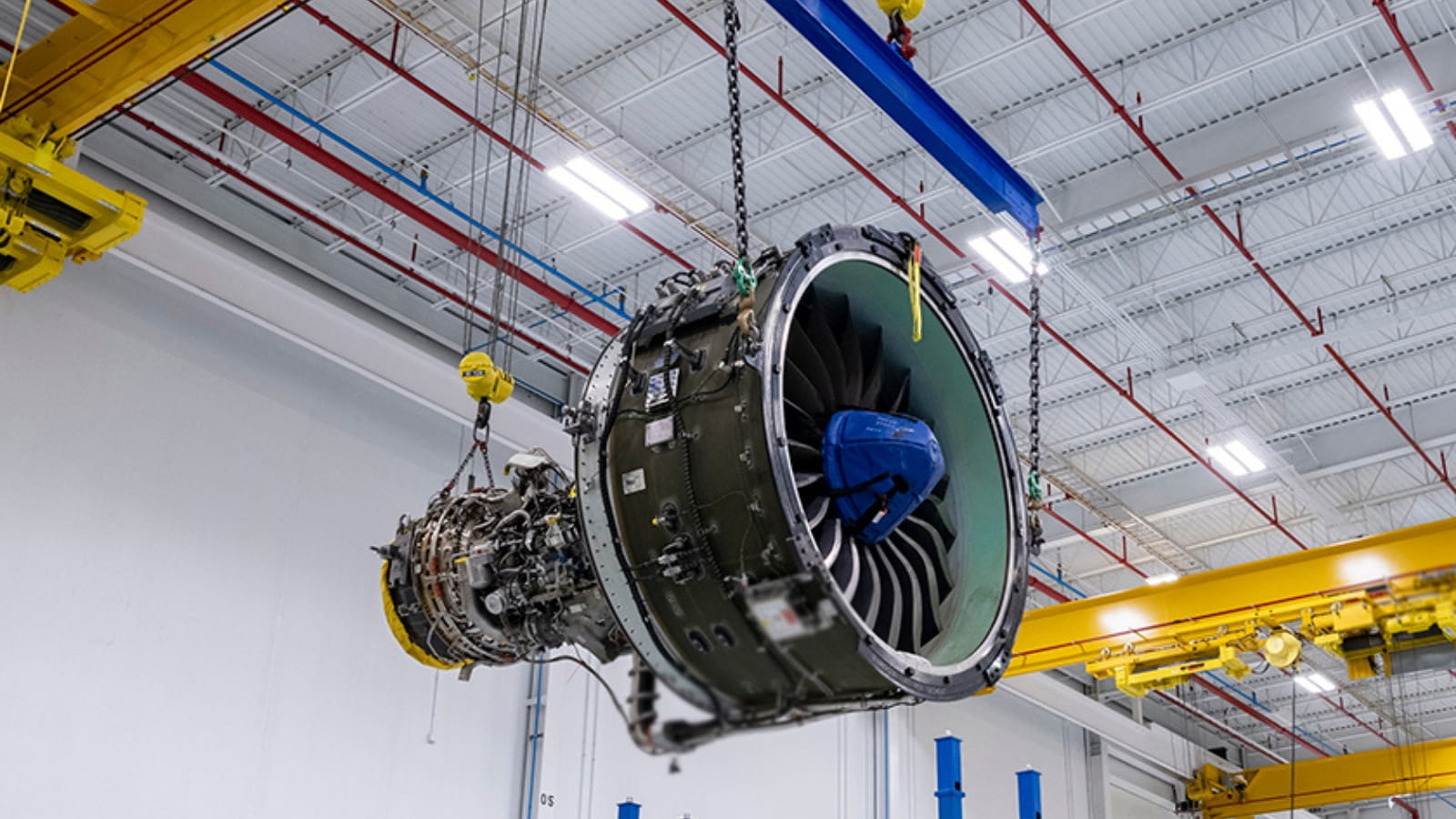
Backlogs and shortages of parts and spare engines, and capacity for engine shop visits, are to blame, IATA said.
The body said the issue would likely worsen as next-gen single-aisle fleets expand.
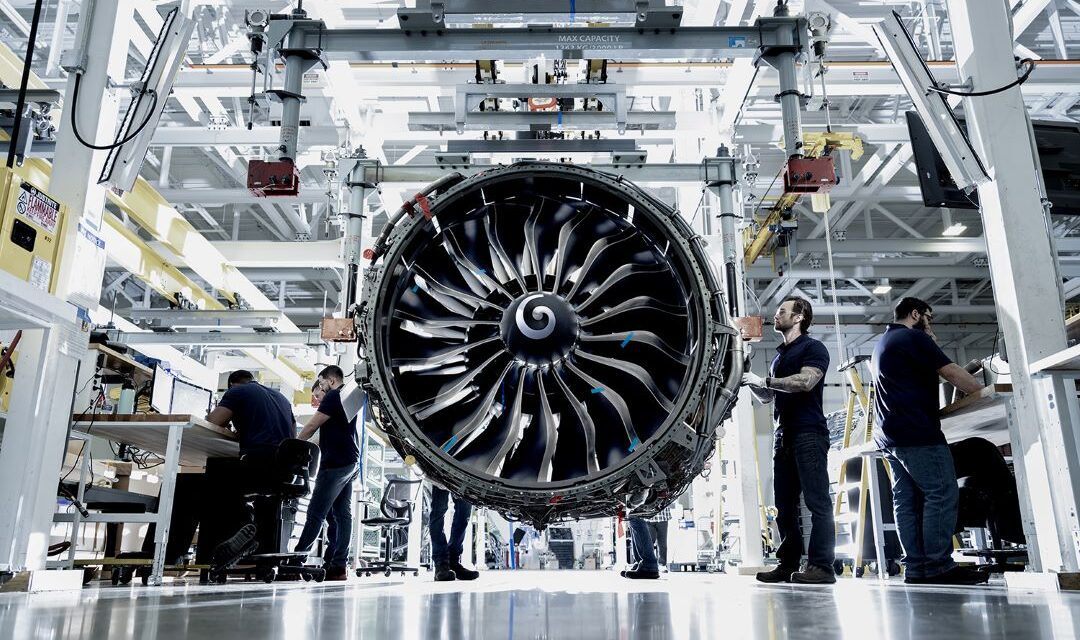
In 2024, single-aisle aircraft engine deliveries totalled 2,000 (800 GTF and 1,200 LEAP). Between 2030 and 2040, deliveries are expected to reach 3,700 a year (1,200 GTF and 2,500 LEAP).
CFM supplies the LEAP-1A for the A320neo, LEAP-1B for the 737 MAX, and LEAP-1C for the Comac C919.
The Geared Turbo Fan (GTF) engines from Pratt & Whitney include the PW1100G for the A320neo, the PW1500G for the A220, and the PW1900G for E-190/195-E2.
“Engine MRO bottlenecks are disrupting airline operations. Without significant changes, this will only get worse as the fleet of latest-generation single-aisle aircraft grows. Manufacturers are investing in additional capacity, but capacity alone will not be enough,” said Willie Walsh, IATA’s outgoing Director General.
“Airlines need better access to spare parts, more approved repair options, fair access to MRO capacity, and greater competition in the aftermarket.”
IndiGo is one of the airlines hardest hit by engine MRO delays. The Indian low-cost carrier, which is one of the largest customers for the A320neo with around 330 aircraft, opted to retain 14 of its older A320s and extend leases on 36 other aircraft, as well as arranging leases for 11 aircraft.
Wizz Air reported having to reduce its capacity by at least 10% in 2023 due to the same issues.
How IATA proposes to tackle the engine problem
IATA has come up with a four-point plan to tackle the issue. It includes accelerating the approval of repair solutions to reduce the number of parts sent for scrap, expanding production of critical components, and increasing access to used parts.
The body is also urging regulators to work on removing barriers that limit independent MRO operators from participating in the supply chain, and to improve the pricing structure for operators when they are making aircraft and engine acquisition decisions.
Finally, IATA calls on those involved in the supply chain to adopt “transparent and competitive aftermarket principles” to widen choice for airlines as they make decisions on engine maintenance.
It cites the example of its agreement with CFM, in which CFM recognises the right for customers to choose non-OEM parts which are approved by the FAA or EASA.
“Resolving today’s disruption is the immediate priority. But long-term resilience will depend on a more transparent, competitive, and collaborative aftermarket,” added Walsh.
Engine customers take the supply chain issue into their own hands
Neither MRO providers nor their airline customers are simply waiting for an external fix to the backlog.
Key to their efforts to improve the throughput of the engine MRO sector is the use of predictive maintenance.
This allows the companies involved to spot problems before they arise, including through the use of artificial intelligence.

Predictive maintenance reduces the need for unplanned engineering work and allows the supply chain to better manage how materials and labour will be deployed.
Additional innovations in this field include the use of augmented reality to assist with engine inspections and the use of digital twins to simulate aircraft systems.
Are OEM’s exploiting strategic bottlenecks in the engine supply chain?
One theory is that OEMs are actively establishing and exploiting strategic bottlenecks.
OEMs have been expanding into the MRO market in a bid to capture highly lucrative aftermarket revenues.
As a result, OEMs are locking in customers with their own conditions of service.
According to Christiane Hallensleben, Sascha Albers and Wouter Dewulf, of the University of Antwerp, writing in the journal Journal of the Air Transport Research Society, OEMs are acting to limit the options available to MRO firms and airlines, “concentrating power in the hands of OEMs that control access to essential resources like IP and spare parts”.
It is not just engine issues putting the brakes on airline growth. IATA warned last year that aircraft deliveries were also backed up into the next decade.
The organisation’s global outlook noted that the global order backlog had surpassed 17,000 aircraft, equivalent to around 60% of the active fleet, up from a historical norm of 30–40%.
At today’s production rates, that backlog now represents nearly 12 years of output.
Featured image: Bene Riobó / Wikimedia Commons
Sign up for our newsletter and get our latest content in your inbox.


More from

October 17, 20265 min read

October 17, 20264 min read