Kazakhstan could see more EU flights after long-awaited aviation agreement

4 min read
The European Union has signed a set of enhanced cooperation agreements with Kazakhstan that should lead to air traffic growth between the two regions.
The agreement, signed at a leader’s summit in Brussels on 23 June, enables greater access to airports in Kazakhstan for European operators while simultaneously easing visa restrictions for Kazakh visitors to EU member states.
EU and Kazakhstan sign Horizontal Aviation Agreement
The European Commission agreement was signed by its President, Ursula von der Leyen, along with the President of the European Council, António Costa. On behalf of the Republic of Kazakhstan, Kassym-Jomart Tokayev, President of Kazakhstan, also participated in the signing ceremony.
According to the statement, a ‘Horizontal Aviation Agreement’ was signed by the parties aimed at improving air connectivity between the EU and Kazakhstan and bringing new business opportunities to European airlines wishing to open up new routes between Europe and cities in Kazakhstan, including Almaty, Astana, and Shymkent.
Under the new agreement, all EU airlines can fly between Kazakhstan and any of the 17 Member States that have an air services agreement with Kazakhstan. This is in contrast to the current situation in which airlines owned and controlled by the Member States in question, or by their nationals, are generally the only carriers that can benefit.
With more privately owned carriers gaining the right to enter the EU-Kazakhstan market, it is hoped that both tourism and leisure travel will receive a boost, opening up economic growth in Central Asia and Kazakhstan in particular. The Commission commented that “this agreement is a major achievement that has been in negotiation for over two decades.”
Limited air traffic between the EU and Kazakhstan
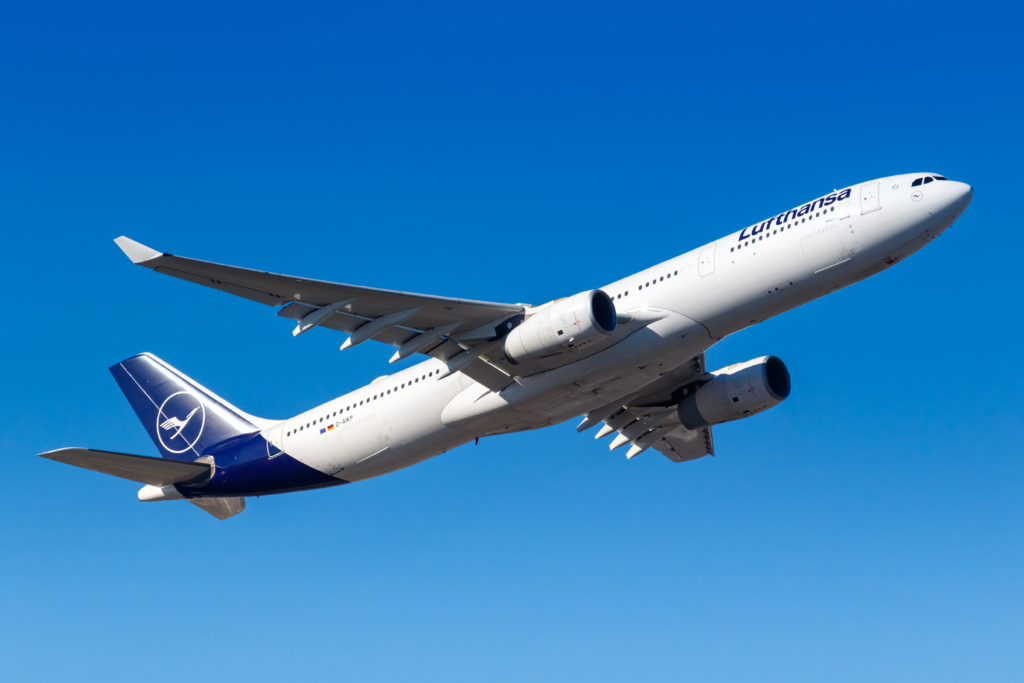
Currently, only a handful of EU carriers fly directly to Kazakhstan from Europe. These include Lufthansa, which operates flights between Frankfurt and both Almaty and Astana, while LOT Polish Airlines offers connections between Poland and Kazakhstan.
AirBaltic operates flights from Latvia to Almaty, while budget airline Wizz Air has historically served Kazakhstan from Central Europe, though routes have changed over time and availability varies by season.
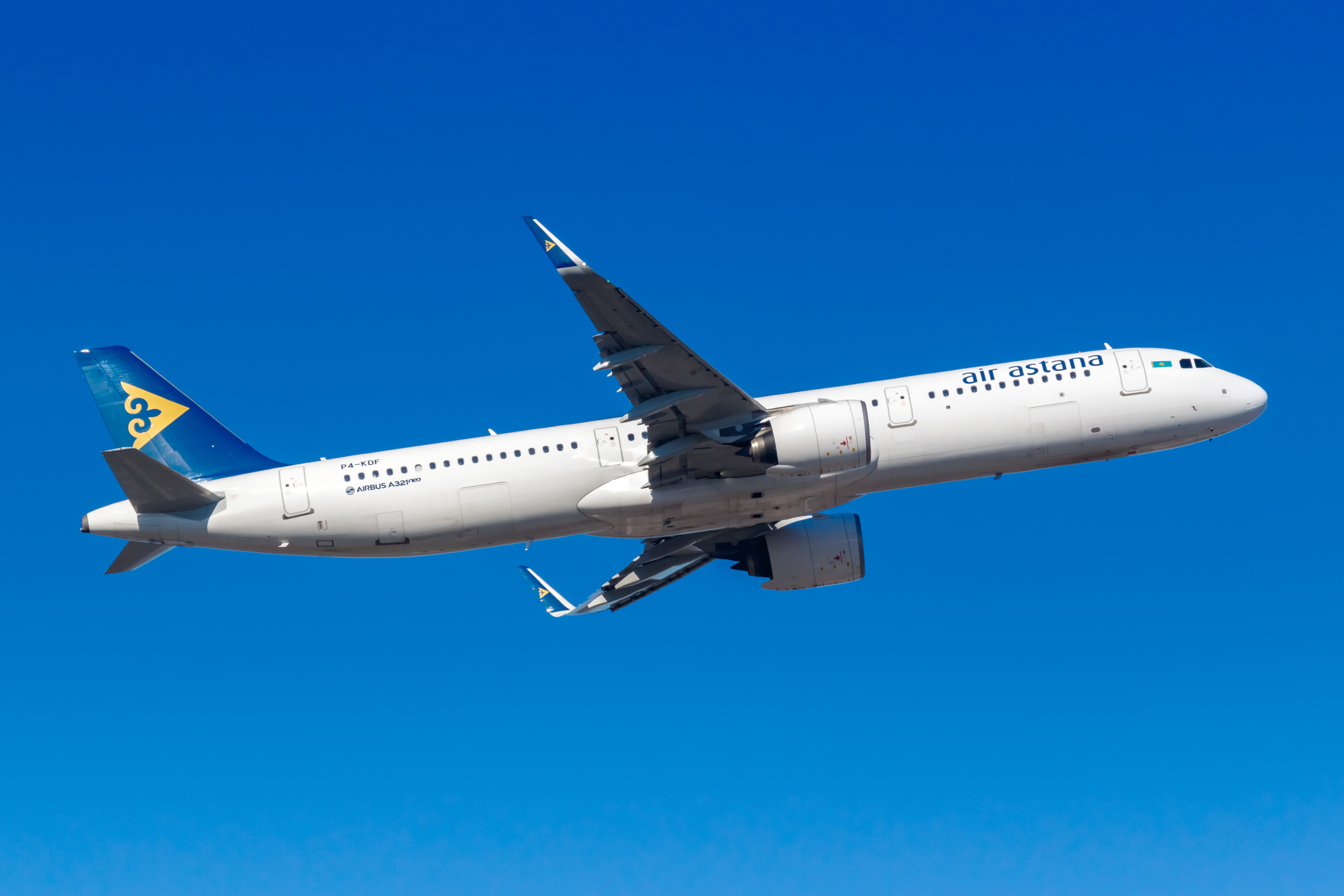
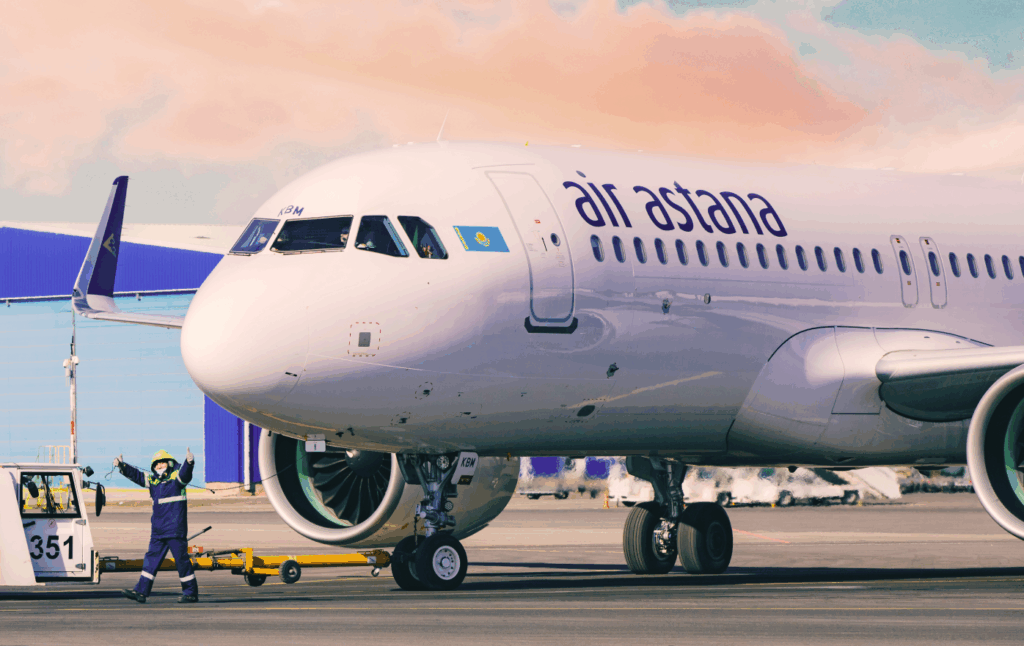
In the other direction, Air Astana is the lead carrier flying routes between Kazakhstan and the EU, including regular scheduled passenger flights to Frankfurt, Amsterdam, Athens (seasonal), Podgorica (seasonal) and Larnaca (Cyprus is a member state). The airline also flies daily to London Heathrow, although outside of the EU.
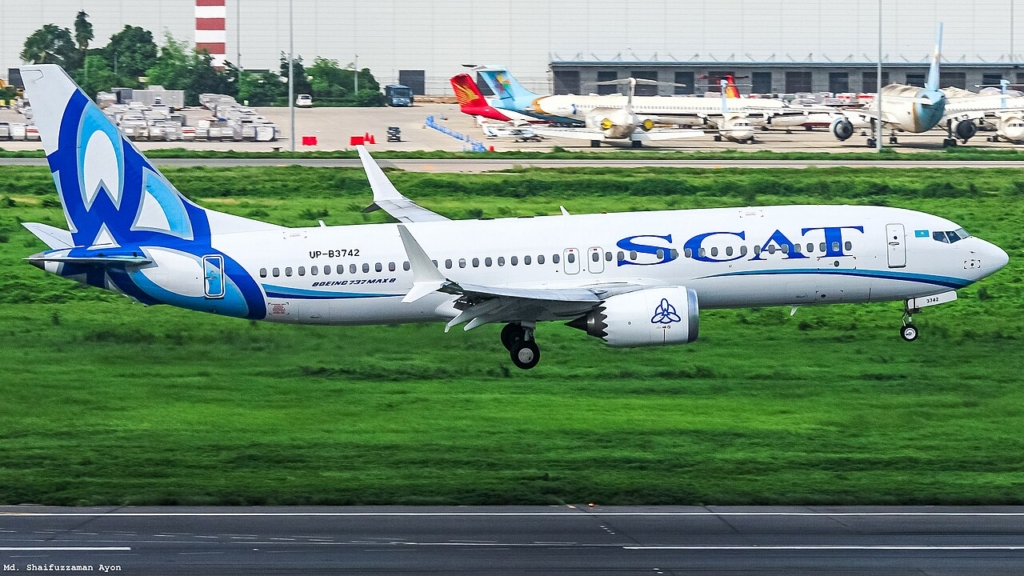
Additionally, current European destinations served by SCAT Airlines include Prague, Munich, Budapest and Belgrade.
Visa Facilitation Agreement and Readmission Agreement
In addition to the Horizontal Aviation Agreement, the parties adopted a Visa Facilitation Agreement. The presence of this agreement is aimed at making the process for Kazakh citizens to request a short-stay EU visa far simpler, strengthening contacts, particularly in the business sector.
Meanwhile, a Readmission Agreement will facilitate the enforcement of the EU’s migration rules only days after the full entry into application of a joint Pact on Migration and Asylum. The conclusion of the negotiations was built on the “significant progress and good cooperation with Kazakhstan to prevent the circumvention of EU sanctions,” according to the Commission.
Further international economic development is expected
Along with the signing of the above three agreements designed specifically to encourage the expansion of air traffic between the EU and Kazakhstan, the parties also signed several other agreements aimed at delivering the improved flow of critical raw materials and inward investment, as part of the parties’ Global Gateway strategy.
Speaking about the signing of these latest agreements, President von der Leyen commented, “Kazakhstan is a global gateway, and so is Central Asia. The visit of President Tokayev today signals the growing partnership between the European Union and Kazakhstan.”
“We are ready to turn that gateway into a pathway for jobs, business opportunities and common prosperity. Following the success of our first-ever EU-Central Asia Summit last year, our Global Gateway strategy will continue bringing our regions closer together.”
Boosting existing Kazakh-EU business connections
As part of President Toyakev’s visit to the EU in Brussels, members of his delegation also held meetings with various European businesses which have declared themselves ready to do business with Kazakhstan-based organisations.
One of these was Airbus, with which Air Atasna and its budget offshoot, FlyArystan, have already had dealings. In March this year, the carrier announced an order for 25 Airbus A320neo family aircraft, including 5 A321neos and 20 A320neos.
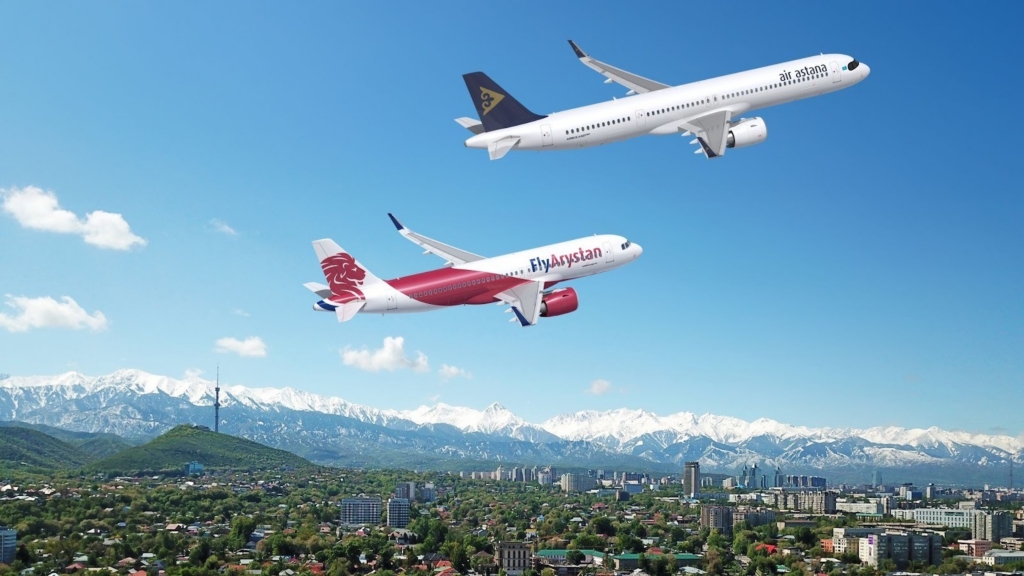
Additionally, the airline also secured options for an additional 25 A320neo-family aircraft, meaning the total potential Airbus deal could reach 50 aircraft.
At present, the group operates a fleet of 59 Airbus A320 family aircraft. Air Astana operates 11 A320neos, four A321-200s and 18 A321neos in its fleet. Meanwhile, FlyArystan operates a fleet of 12 A320ceos and 14 A320neos. The older A320ceos were all transferred from the parent company as its newer A320neos arrived.
Featured image: Markus Mainka / stock.adobe.com