


Historic Bristol Type 170 Freighter to come back to life almost 50 years after its last flight

10 min read
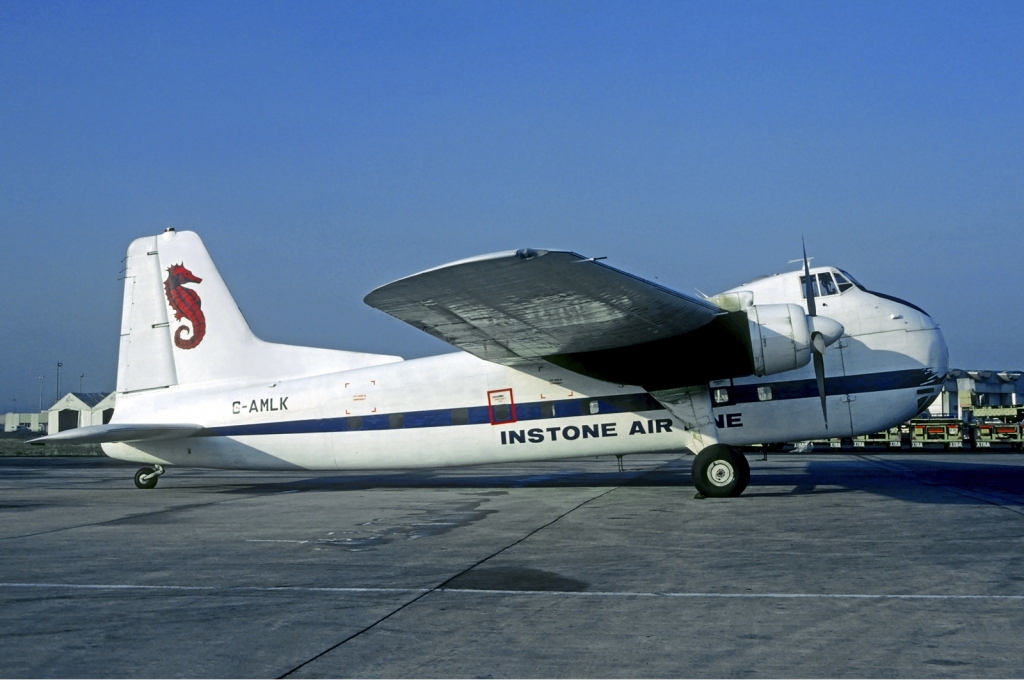
It would be fair to say that the Bristol Type 170 Freighter is not the best-looking aircraft ever built. Yet, despite its eyebrow-raising looks and even more unconventional design, the twin-engined multipurpose aircraft holds a special place in the annals of British aviation history.
The Bristol Type 170 Freighter was designed and built in the late 1940s and early 1950s by the Bristol Aeroplane Company as a pioneering post-World War Two cargo aircraft.
Now, a team from a Bristol aircraft museum is set to restore an old Bristol 170 freighter for future generations to visit and experience first-hand. With work just getting underway on the multi-year restoration project, by the end of the programme, the museum will be home to Europe’s only existing example of the unusual and quirkily British piston-engined aircraft.
The background to the Bristol Type 170 Freighter
Out of 214 Bristol 170 Freighters built by the Bristol Aeroplane Company between 1945 and 1958, only 12 examples remain worldwide.
One such example is a former New Zealand Air Force machine (tail number NZ5911), which, it was announced by the team at Aerospace Bristol on 21 May, would undergo a full restoration, making the type once more accessible to the public, over 80 years since it first flew.
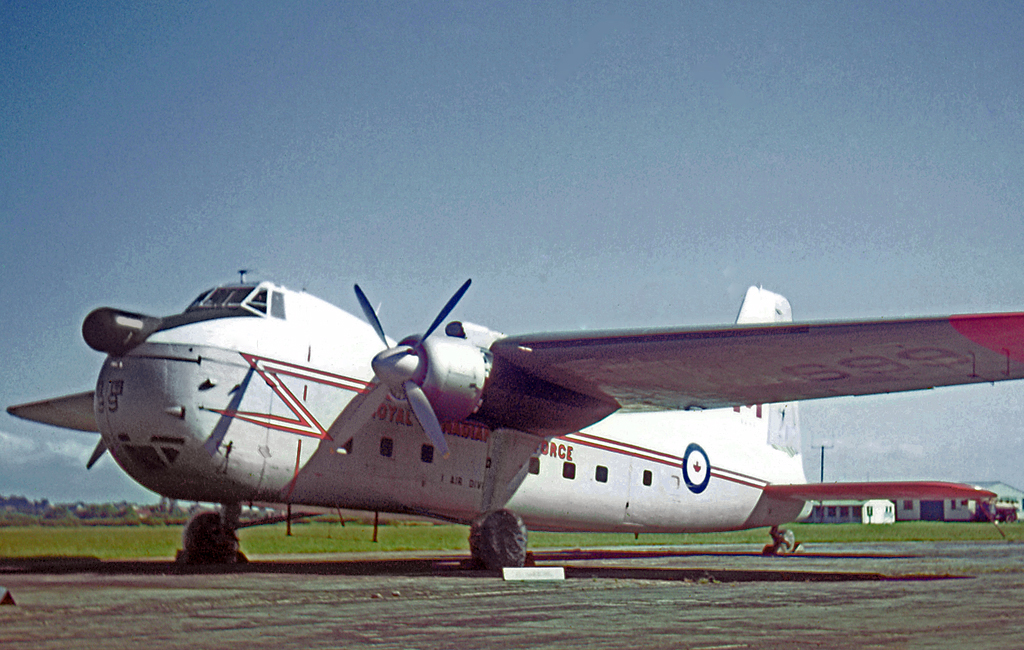
With its raised cockpit, front-opening ‘clam-shell’ doors, 32m (108ft) wingspan, and ability to carry passengers as well as cargo, the Bristol Type 170 Freighter became a workhorse on short over-water flights as well as in several armed services worldwide.
Having found a niche for itself through its ability to carry vehicles, cargo and passengers all in a single sortie, the Bristol 170 Freighter survived in service from 1945 until 2004, when the last airworthy example was withdrawn from service.
Now, with seven examples on display in museums outside the UK, it looks as though NZ5911 will join the ranks of Bristol 170 Freighters that can still be seen worldwide.
Early development history of the Bristol Type 170 Freighter
One of the earliest post-war projects of the Bristol Aeroplane Company was the Type 170 short-range utility transport. This had developed during the closing stages of the war, with its shape largely determined by the British army’s needs, which included the ability to airlift the standard three-tonne truck.
The design was finalised with the high-wing monoplane configuration, clam-shell nose doors, flight deck above the cargo hold, fixed landing gear and two wing-mounted Bristol Hercules sleeve valve engines.
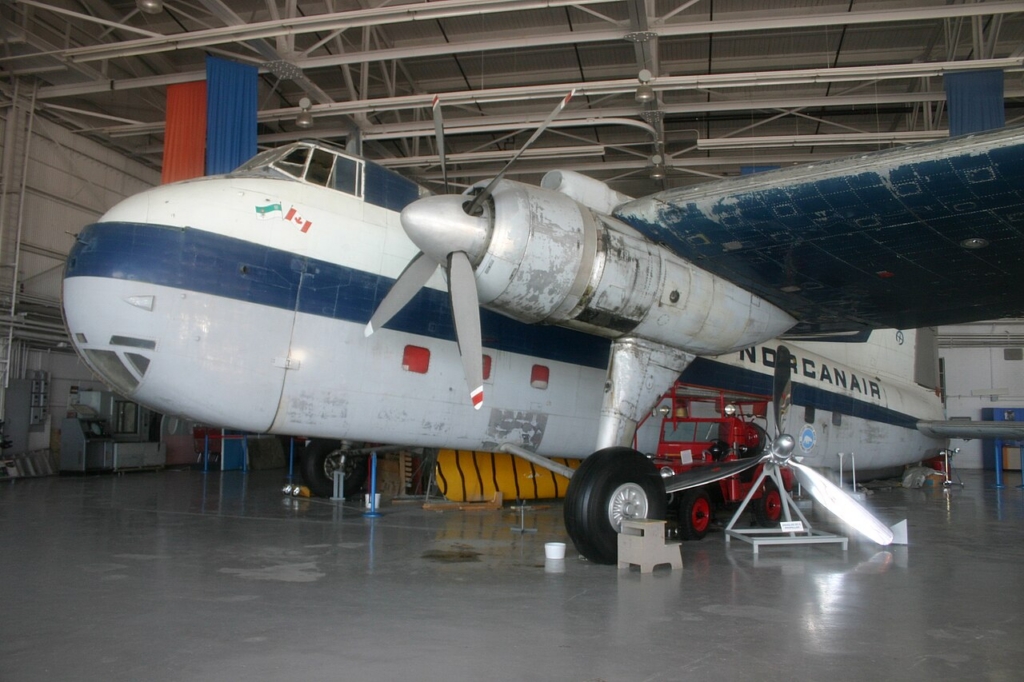
Two civil prototypes were financed by the UK’s Ministry of Supply. As the need for military transport appeared to be nearing an end, there was a condition to the Ministry of Supply funding – the company was required to cover tooling costs and also to build the two additional prototypes at its own cost to ensure that the programme could commercially go ahead.
As a result, the opportunity was taken to construct the two company examples as passenger/cargo variants, while the Ministry of Supply aircraft were of the variant known as the type 170 Mark 1 Freighter, retaining nose loading doors.
The company prototypes were built under the design for the Type 170 Mark 2 ‘Wayfarer’, with a solid nose, side entrance loading doors, and an option of a reinforced freight floor.
The first Bristol Type 170 to fly was the freighter prototype (G-AGPV) on 2 December 1945, followed by a Wayfarer (G-AGVB) in the 32-seat configuration on 30 April 1946.
The first prototype was used for service trials at Boscombe Down, as a result of which the wingspan was increased by 3.05 metres (10 ft) to allow an increase in gross weight. This, in turn, required the installation of more powerful engines and resulted in the version designed as the Type 170 Freighter Mark 21.
The best-known variant was the Type 170 Mark 32 with a fuselage lengthened by 1.52 metres (5 feet 0 inches). It was developed for Silver City Airways to provide increased passenger/car capacity for service on cross- Channel air bridge services. Silver City’s ‘Super freighters’, as the variant became known, could accommodate two or three cars and up to 23 passengers along the length of their cabin.
Acquired later were ‘Super Wayfarers’ that could carry a maximum of 60 passengers. In 1962, Air Charter and Silver City Airways were merged to form British United Air Ferries, which operated a combined fleet of 24 Type 170s, increasing to 41 by 1970. When production ended in early 1958, a total of 214 of all variants had been built.
| Bristol Type 170 specifications | |
|---|---|
| Type | Utility transport aircraft |
| Powerplants | Two 1,476 kW (1,986 hp) Bristol Hercules 734 radial piston engines |
| Maximum speed | 225 mph / 362 km/h |
| Maximum cruise speed | 163 mph / 262 km/h |
| Service ceiling | 24,500 ft / 7,470 m |
| Range | 820 miles / 1,320 km |
| Note: Performance figures vary by variant, payload and operating conditions. | |
Service history of the Bristol Type 170
With its rugged performance characteristics and its versatile cabin, the Bristol Type 170 found a home with a variety of users throughout the world.
In New Zealand, SAFE Air (Straits Air Freight Express) began using its Bristol Freighters in 1951 to transport cargo between Wellington on the North Island across the Cook Strait to Blenheim on the South Island.
The airline later reconfigured its aircraft to accept palletised cargo loaded on patented ‘cargons’. This was a first anywhere in the aviation world, using palletised cargo to speed up operations and turnarounds.
Cargons were loaded off-airport with loads being calculated and arranged to remain within the aircraft’s load and centre of gravity limits. They were then trucked by road to the airport and placed on the Type 170 Freighter using a mechanical loading device.
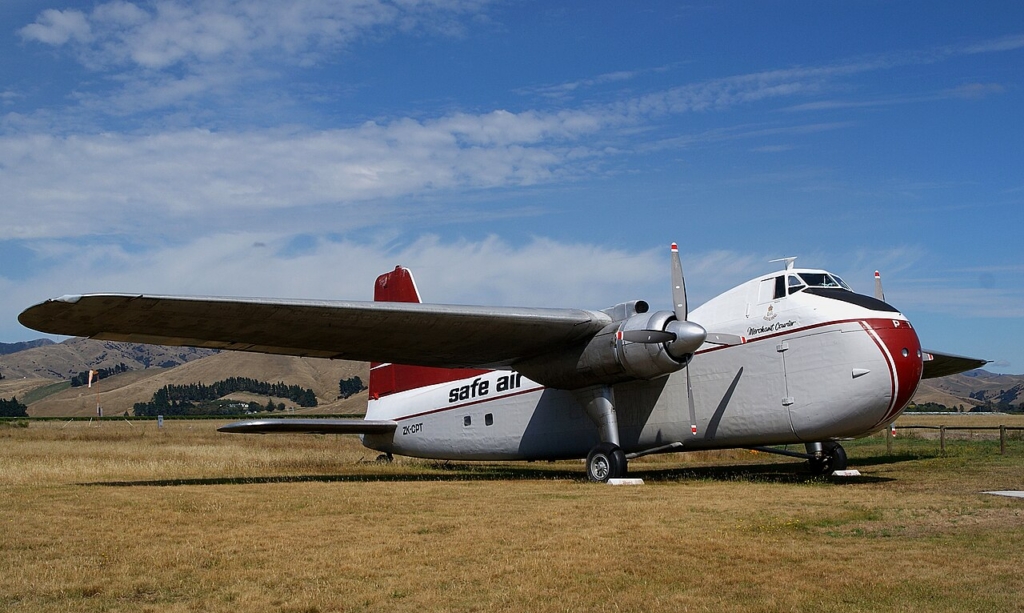
The loader accepted cargons from horizontal-tray road vehicles and then raised them to the level of the aircraft’s cargo deck on electrically powered screw-jacks. The pallets could then be rolled into the nose of the aircraft. Other adaptations allowed the carrying of horses and other high-value large animals.
The Bristol 170 Freighters were the major link between the Chatham Islands and mainland New Zealand until Armstrong Whitworth Argosies (another curious-looking British freighter) took over.
SAFE Air also developed a soundproofed ‘container’ for the half of the aircraft that was given over to passengers on these flights. Bristol 170s were still in commercial use with SAFE until the late 1970s.
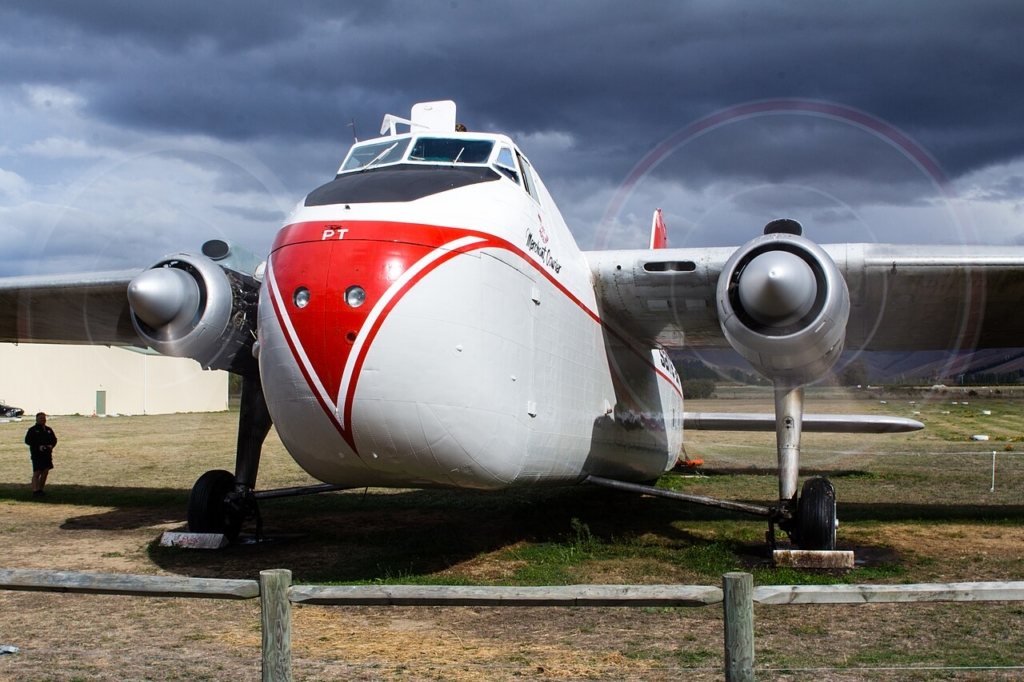
In the late 1960s, Trans Australian Airlines (TAA) bought four MK31 and MK32s from the Pakistan Air Force. Two were flown back to Sydney, Australia, where they were rebuilt and then sent to New Guinea for TAA’s Sunbird services, flying freight into the New Guinea highlands.
One then went to Archerfield Airport in Brisbane, Australia and was used for shipping crawfish to Tasmania.
In military service, Bristol Freighters were operated by the air forces of Argentina, Australia, Burma, Canada, Pakistan and New Zealand. After their withdrawal, some of the Pakistan Air Force fleet were picked up by SAFE New Zealand (as mentioned above).
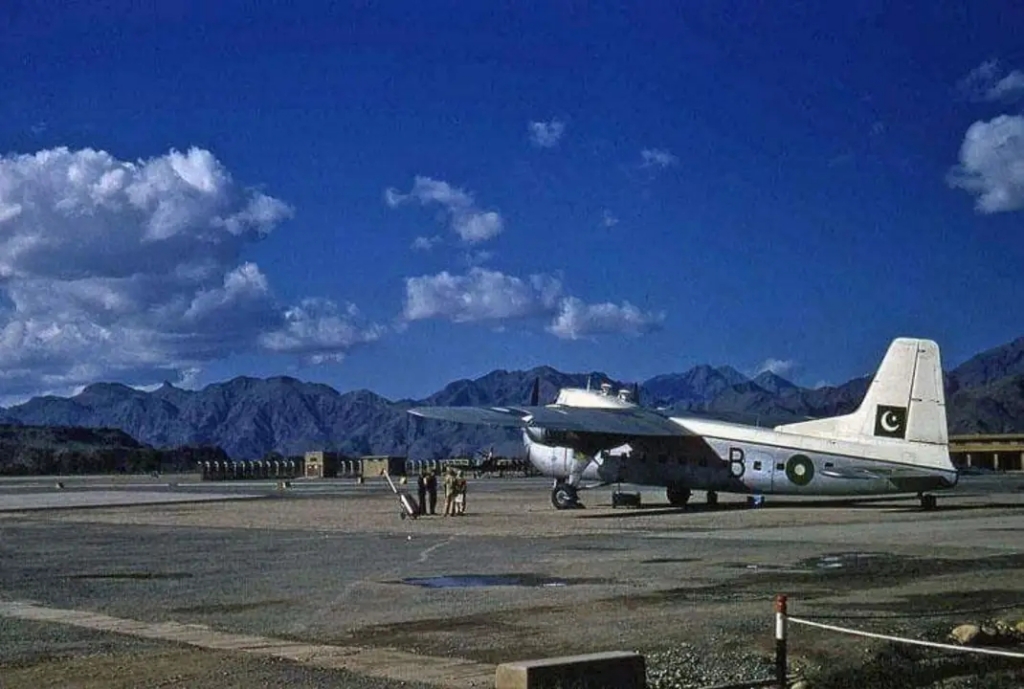
Meanwhile, the Royal Canadian Air Force used five Bristol Freighters to carry spares and supplies between the United Kingdom and their bases in France and West Germany.
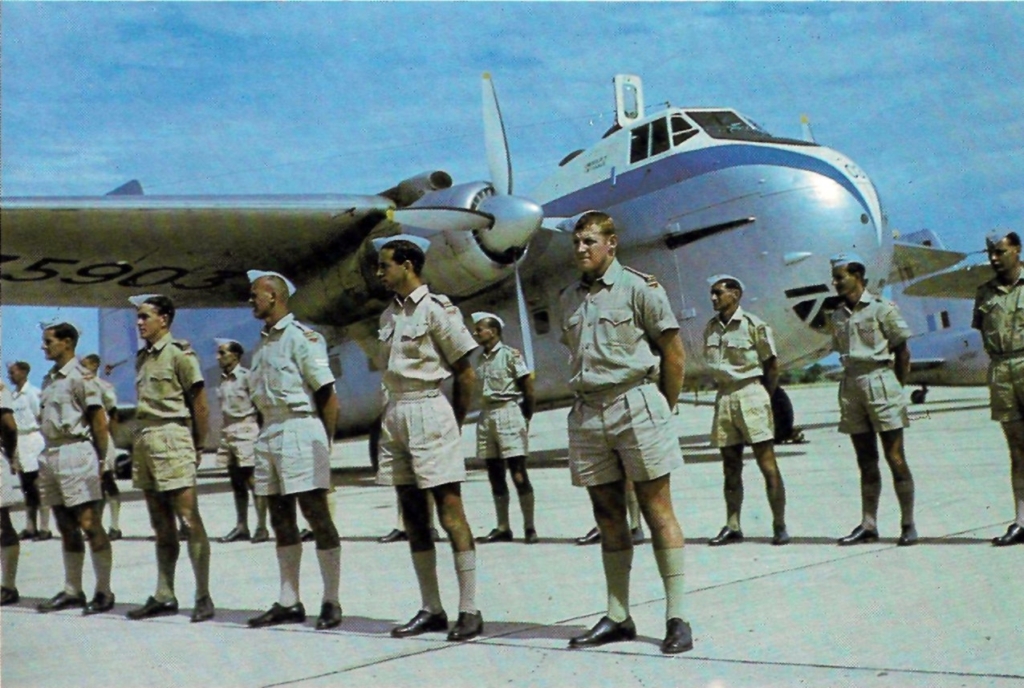
The Royal New Zealand Air Force ordered 12 Mk 31 Freighters in the late 1940s. RNZAF Freighters ranged as far as supplying the New Zealand army based in Malaya (now Malaysia), the British High Commission in the Maldives, Ceylon (now Sri Lanka), India and Nepal.
Type 170s also ran a reliable military shuttle service for allies in Thailand during the Vietnam War, as well as serving several other roles, being adapted for, amongst other roles, aerial crop spraying.
The last UK-registered Bristol Type 170 Freighter (G-BISU) was operated by Instone Airline at Stansted Airport (STN) in the UK for a number of years. This was an ex-RNZAF aircraft and left Ardmore on 2 March 1981 for an 86-hour ferry flight to the UK.
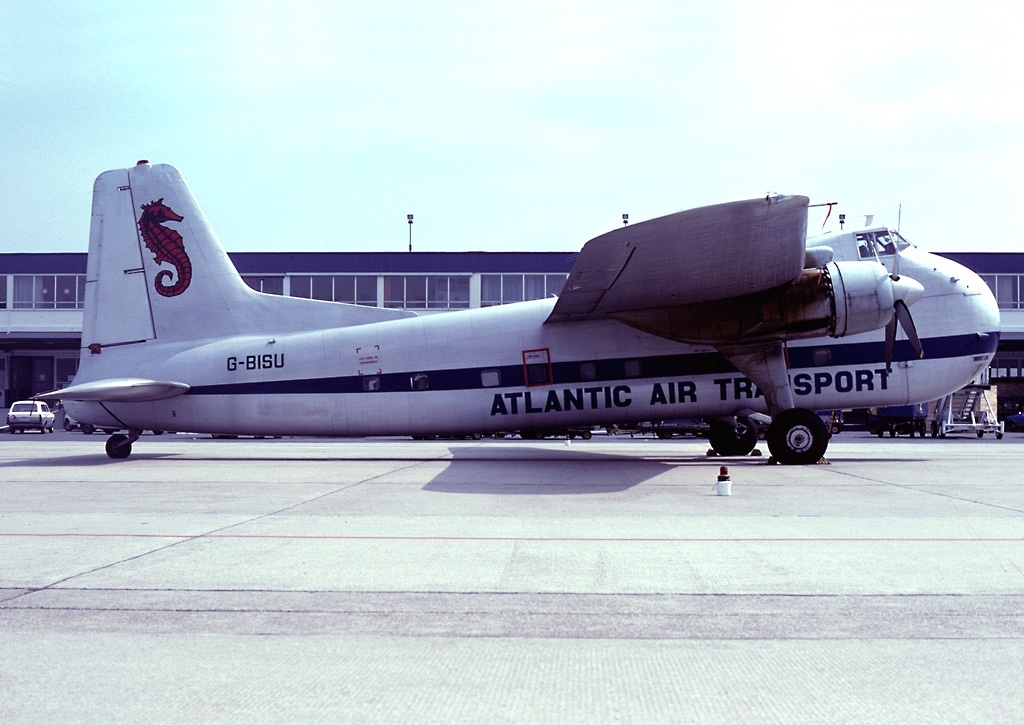
It subsequently flew its first charter flight on 3 August 1981, delivering two racehorses to northern France. This role of flying livestock was to take up half a year, while other work included carriage of oil drilling machinery, car parts, newspapers and mail.
The aircraft was eventually transferred to Canada, where it was damaged beyond repair during a take-off mishap in 1996.
Bristol Type 170 worldwide survivors
Of the 214 Bristol Type 170s that were built, just 12 remain, although none are in an airworthy condition. The majority of these, including the Aerospace Bristol example, are in aviation museums and heritage sites, where they are preserved for future generations.
- United Kingdom (1): The only example left in Europe is an ex-RNZAF Mk 31 (serial number NZ5911). It was repatriated from New Zealand in 2018 and is currently the subject of a major live restoration project at Aerospace Bristol.
- New Zealand (4): The Royal New Zealand Air Force and local operators like SAFE Air heavily relied on the type. Surviving airframes are held at sites like the Museum of Transport and Technology in Auckland, and the Omaka Aviation Heritage Centre in Blenheim.
- Canada (4): Several examples remain preserved in Canada, where they were used for northern freight operations, including complete displays at the Reynolds-Alberta Museum and the Royal Canadian Air Force Museum.
- Argentina (2): Two airframes used by the Argentine Air Force are preserved in military museums and bases across the country.
- Australia (1): One example is kept on display at the Australian National Aviation Museum at Moorabbin Airport near Melbourne, Victoria.
The programme to restore Bristol Type 170 Freighter NZ5911 – in Bristol
On 21 May of this year at Filton Airport near Bristol, Aerospace Bristol announced the commencement of its most ambitious restoration/conservation project to date.
The project will see the full restoration of which will see a team bringing Bristol 170 Freighter serial number NZ5911 to full display condition over the next few years. As above, the aircraft is the last remaining Bristol Type 170 anywhere in Europe.
The former Royal New Zealand Air Force aircraft arrived back in Bristol in January 2018 after spending decades stored at Ardmore Airport, located some 25 miles (40km) south of Auckland. Partners involved in this major effort included the Association for Industrial Archaeology, while the whole project is being led by a team of volunteers from Aerospace Bristol.
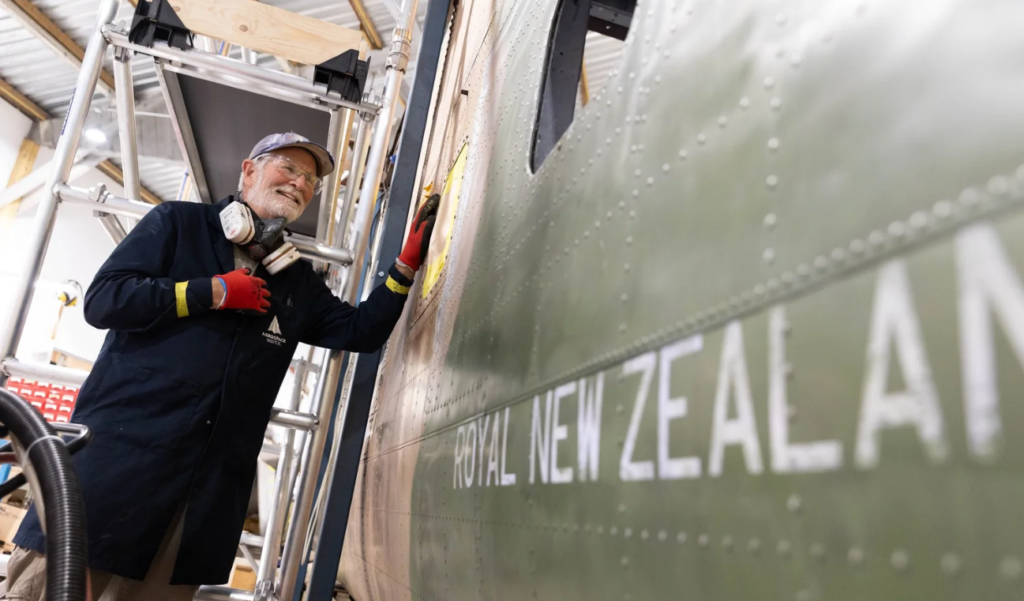
Constructed in 1953 as a Freighter Mk31M, NZ5911 entered service with 41 Squadron of the Royal New Zealand Air Force (RNZAF) during April 1954 and was operated across New Zealand, the Pacific and Southeast Asia, including support duties during the Vietnam War. It was eventually retired from active Air Force service in 1977.
The following year it was acquired by Dwen Airmotive and registered ZK-EPG. It was ferried from Whenuapai Airfield to Ardmore on 31 August 1978 for what would become its final flight prior to years of storage. It was eventually picked up by the team at Aerospace Bristol in 2018 and was shipped in parts to Bristol to await its turn for restoration.
According to an Aerospace Bristol announcement, the aircraft will be “carefully moved out of its current museum hangar to be reassembled and displayed safely outdoors, as it is too big to be accommodated inside once its wings are reattached. The final phase of conservation will include extensive corrosion removal, weatherproofing and a long-term conservation plan to ensure the aircraft’s protection.
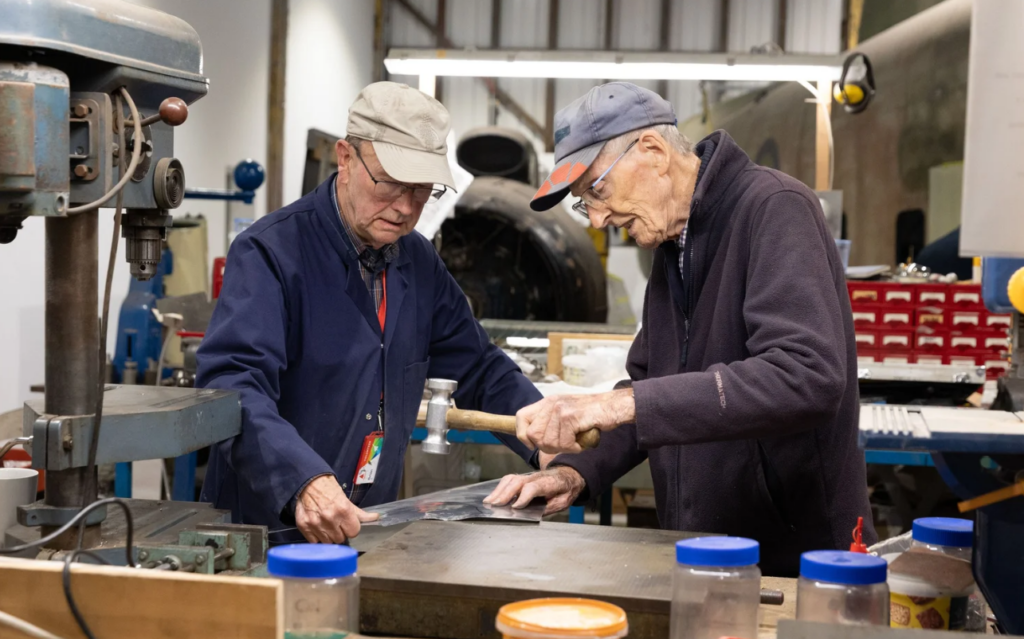
The project will be undertaken by a dedicated team of up to 50 highly skilled volunteers, many of whom are former aerospace engineers and ex-employees of the Bristol Aeroplane Company. Together, they are expected to contribute more than 10,000 hours of work to the restoration project.
Once complete, the aircraft will form the centrepiece of a new outdoor exhibition at the museum, enabling visitors to get up close to the Freighter via viewing platforms and access points to the cockpit.
Kate Rambridge, interpretation lead at Aerospace Bristol, said, “This is a once-in-a-generation opportunity to conserve and share the story of an extraordinary aircraft.
“The Bristol Freighter connects Bristol’s world-leading aviation heritage with global histories of innovation, conflict and travel. This project enables us not just to conserve this aircraft but to bring those stories to life for new generations.”
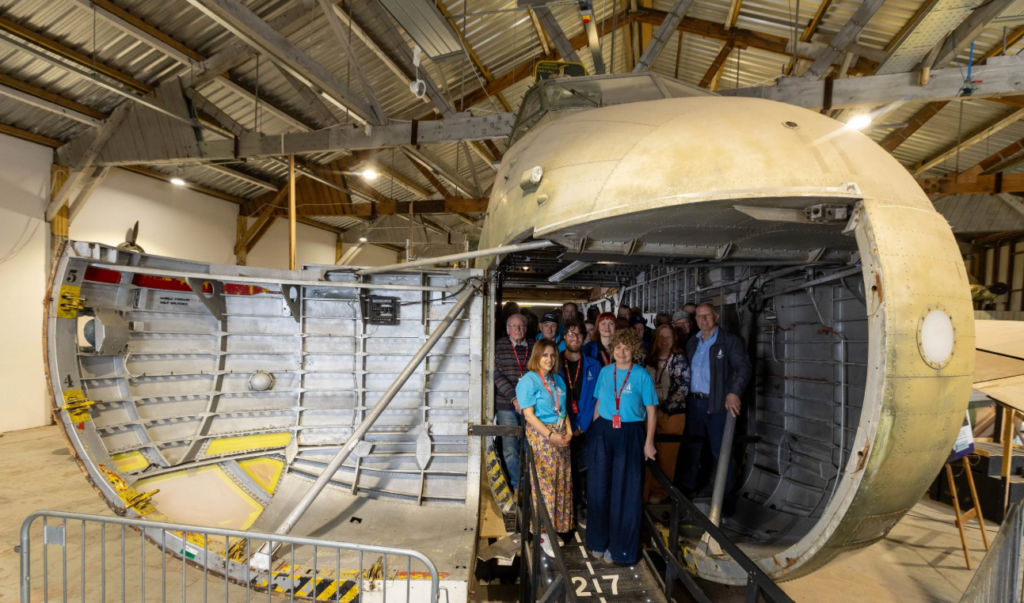
Sally Cordwell, Chief Executive at Aerospace Bristol, added, “This project represents everything Aerospace Bristol stands for. It’s about preserving our history, celebrating the contribution and stories of the people behind Bristol’s aviation legacy, and inspiring future generations”.
Featured image: Christina Volpati / Wikimedia Commons
Sign up for our newsletter and get our latest content in your inbox.


More from

September 25, 20264 min read

September 25, 20264 min read

September 24, 20262 min read


