


Ukraine to receive 16 donated Gripens and buy 20 new Swedish fighter jets

4 min read
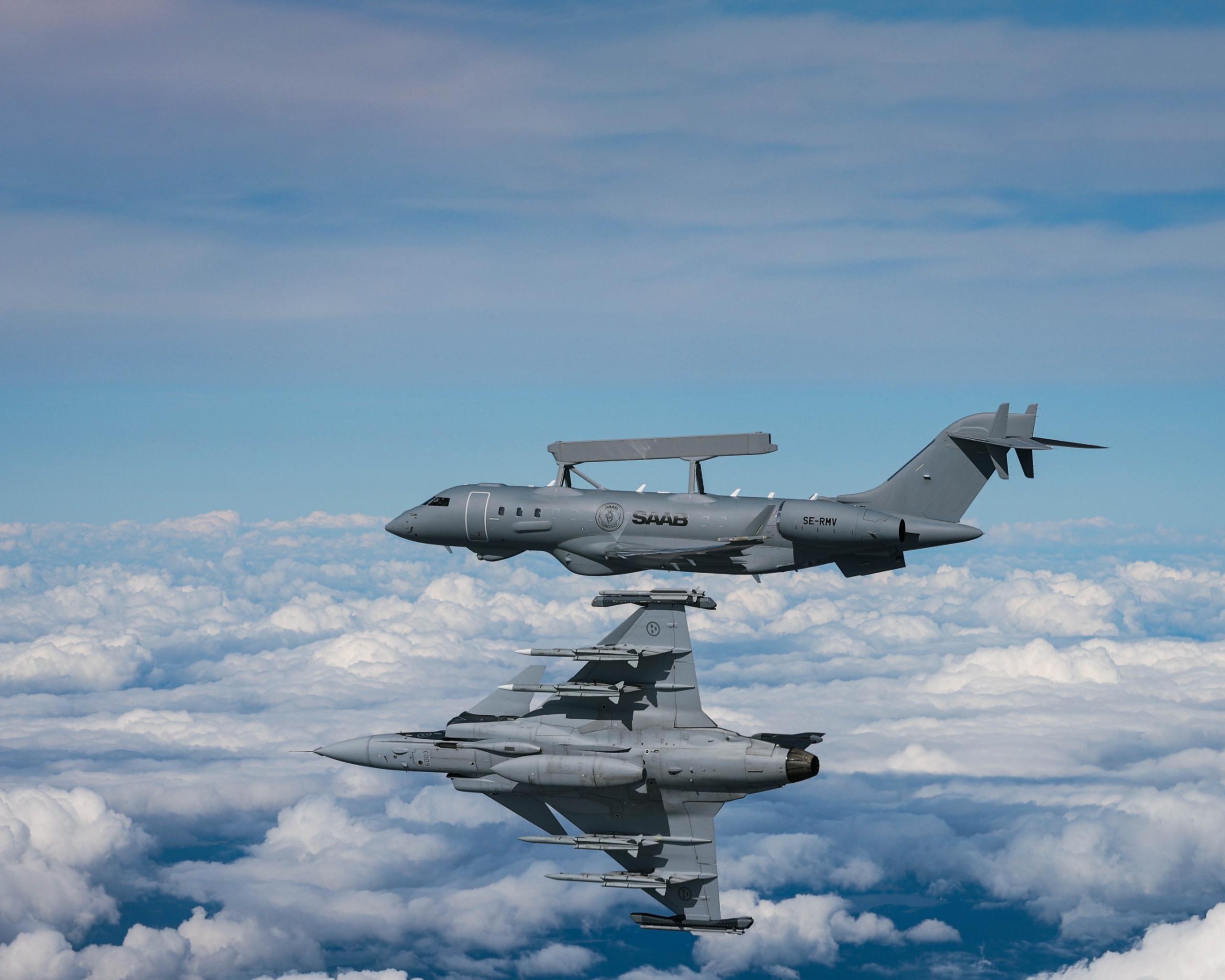
Sweden and Ukraine have outlined plans to acquire up to 36 Saab Gripen fighter jets as part of a broader Letter of Intent to eventually acquire up to 150 jets. These will be a mixture of donated legacy Gripen C/Ds and new Gripen E/Fs.
Sweden to donate 16 Gripens, Ukraine to purchase 20
Yesterday, Ukrainian President Zelensky travelled to Sweden and met the Norwegian Minister of Defence, Pål Jonson.
Pål Jonson posted on X (formerly Twitter) the first detailed plans of Ukraine’s long-awaited acquisition of Saab JAS 36 Gripens.
🇸🇪🇺🇦 The Gripens are coming.
— Pål Jonson (@PlJonson) May 28, 2026
Russia tried to break Ukraine from the skies. Ukraine is now building air power with Swedish fighters: buying up to 20 Gripen E/F for its future air force, while Sweden will donate 16 Gripen C/D.
A new chapter for Ukraine’s air defence. (1/8) pic.twitter.com/HV3eeIZ6sV
He said, “Ukraine is now building air power with Swedish fighters: buying up to 20 Gripen E/F for its future air force, while Sweden will donate 16 Gripen C/D.”
Sweden will transfer 16 retiring Gripen C/Ds from its own stocks as it partially transitions to the new Gripen E/F, with the first deliveries expected in early 2027.
The donation of legacy Gripens has been anticipated. In late 2024, Sweden announced a somewhat unusual aid package for Ukraine. Half of the roughly $415 million package was for the Swedish Air Force to purchase new Gripen spare parts.
Russia’s aerial bombs remain a major challenge for us. Within a month, we are talking about thousands, not even hundreds. Their jets launch glide bombs both from Russian territory and temporarily occupied Ukrainian territory at ranges exceeding 100 kilometers. We have never had… pic.twitter.com/gzH7fZOmMd
— Volodymyr Zelenskyy / Володимир Зеленський (@ZelenskyyUa) May 28, 2026
The rationale was that this would prevent the planned cannibalisation of older Swedish Gripen C/Ds to build new Gripen E/Fs. The package allows these jets to be transferred to Ukraine starting in 2027, instead of being stripped for parts.
Get the latest aerospace defence news here on AGN.
Gripen E/Fs financed with European funding
The purchase of the new Gripen E/Fs will be financed with 2.5 billion euros from Ukraine’s large Euro loans. Interestingly, this works out to 125 million euros each jet, assuming the full 20 would be financed (around $145 million).
Tack Sverige! Tack @SwedishPM! Ära åt Ukraina!
— Volodymyr Zelenskyy / Володимир Зеленський (@ZelenskyyUa) May 28, 2026
🇺🇦🇸🇪
Дякую, Швеціє! Дякую, Ульфе! Слава Україні!
🇺🇦 🇸🇪
Thank you, Sweden! Thank you, Ulf! Glory to Ukraine! pic.twitter.com/zgbBYVyRPM
This is roughly in line with other bids Saab has made to sell its Gripen to other countries. Ukraine also signed a Letter of Intent in 2025 to purchase up to 100 Rafales. At the time, there was the question of funding, which opens the possibility that the French jets will be at least partially financed with Euro loans.
In 2025, Swedish Prime Minister Ulf Kristersson said it would take around three years for Ukraine to receive its first Gripen E. Yesterday, the Swedes said first deliveries of new-build Gripen Es are targeted for 2030.
Gripen C/Ds are coming with Meteor air-to-air missiles
While much media attention is placed on the deliveries of fighter jets themselves, experts are typically just as interested in training pipelines, sustainment, radar upgrades, and weapons integrations.
Reality check: Gripen for Ukraine is good news but a transfer of JAS39C/D does not mean they will necessarily have the AESA radar upgrade needed to maximize the potential of the Meteor AAM, if it's supplied as well 1/ pic.twitter.com/yCFMMDIAwu
— Latin American Military Aviation (@LatinMilAv) May 28, 2026
Ukraine’s robust air defence network has successfully denied the skies to Russian fighter jets. Russian jets are mostly confined to launching stand-off munitions from outside of Ukraine’s air defence bubble.
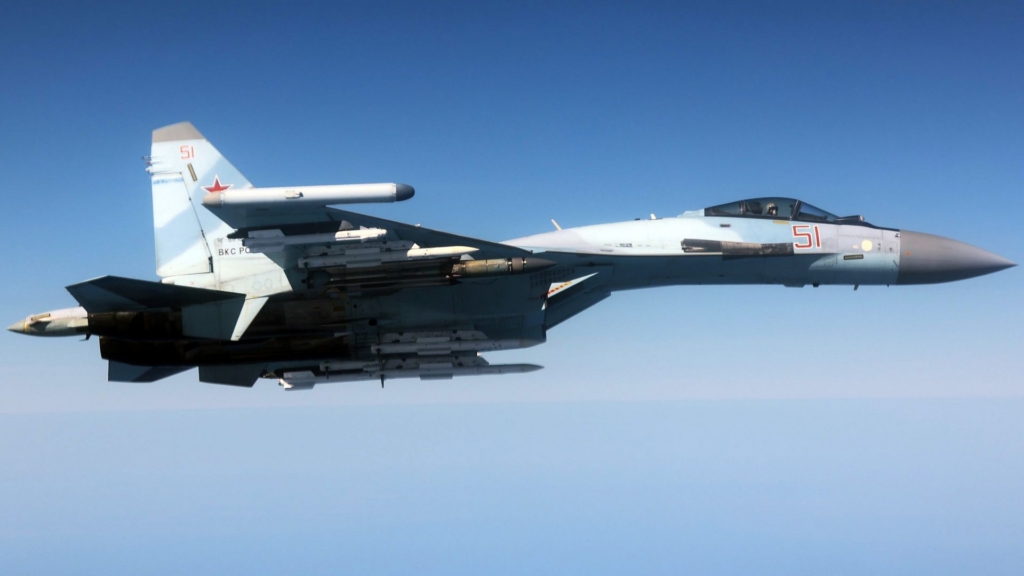
Russia has developed and improved glide bombs with a range of up to 200 km (typically 40-160 km), and Ukraine currently doesn’t have the ability to reach them at that range.
Johnson said, “Training of Ukrainian pilots and technicians is already underway and will expand this autumn. Gripen C/D can be delivered with weapons such as IRIS-T, AMRAAM, and the long-range Meteor missile. This is about aircraft, weapons, skills, and sustainment.”
The legacy Gripen C/D’s PS-05/A Mk.III radar (possibly upgraded to Mk.IV) should provide a modest boost to Ukraine’s existing F-16s. At the same time, they will be enabled by the two donated ex-Swedish Saab 340 AEW&C/ASC 890 aircraft.
Experts believe it will have the range to enable Meteor engagements up to 200 km, especially given the large Radar Cross Section (RCS) of Russian Su-34/-35s operating with glide bombs.
The RCS of these jets is much larger than the 1-5 square metres typically assumed when radar ranges are estimated, increasing the estimated ranges by around 30%.
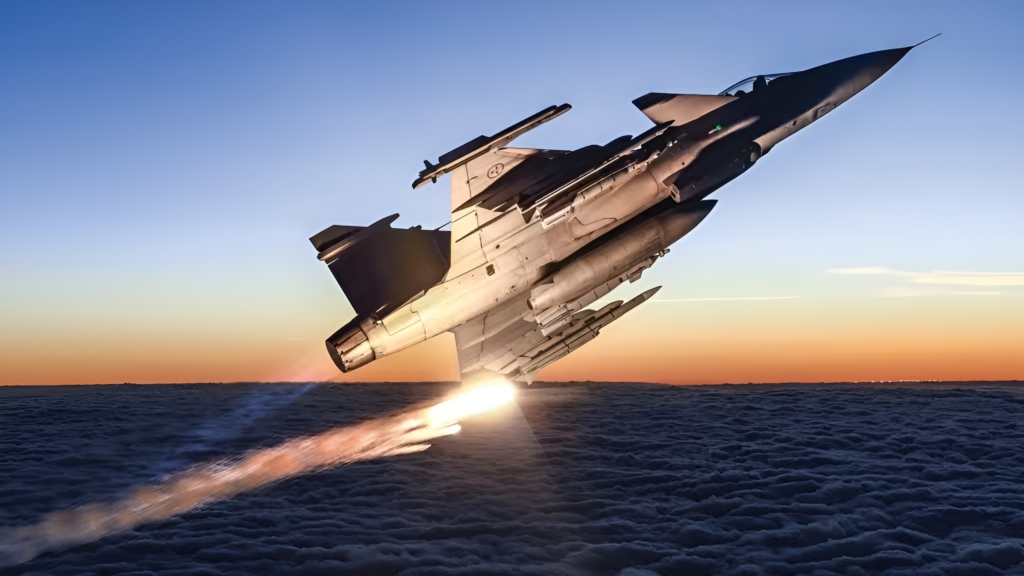
The European Meteor is regarded as one of the best air-to-air missiles in service.
Rusi’s Justin Bronk argues that even a small number of Gripens with Meteor missiles is expected to significantly complicate Russia’s ability to launch glide bombs and operate within the effective range of the frontline.
That said, the legacy C/Ds will be an incremental improvement, and Ukraine won’t have truly modern 4.5th-generation fighters until 2030, likely after the war.
Featured Image: Saab
Sign up for our newsletter and get our latest content in your inbox.


More from


September 12, 20264 min read


