


Baby born on Caribbean Airlines flight landing at JFK raises US citizenship questions

5 min read
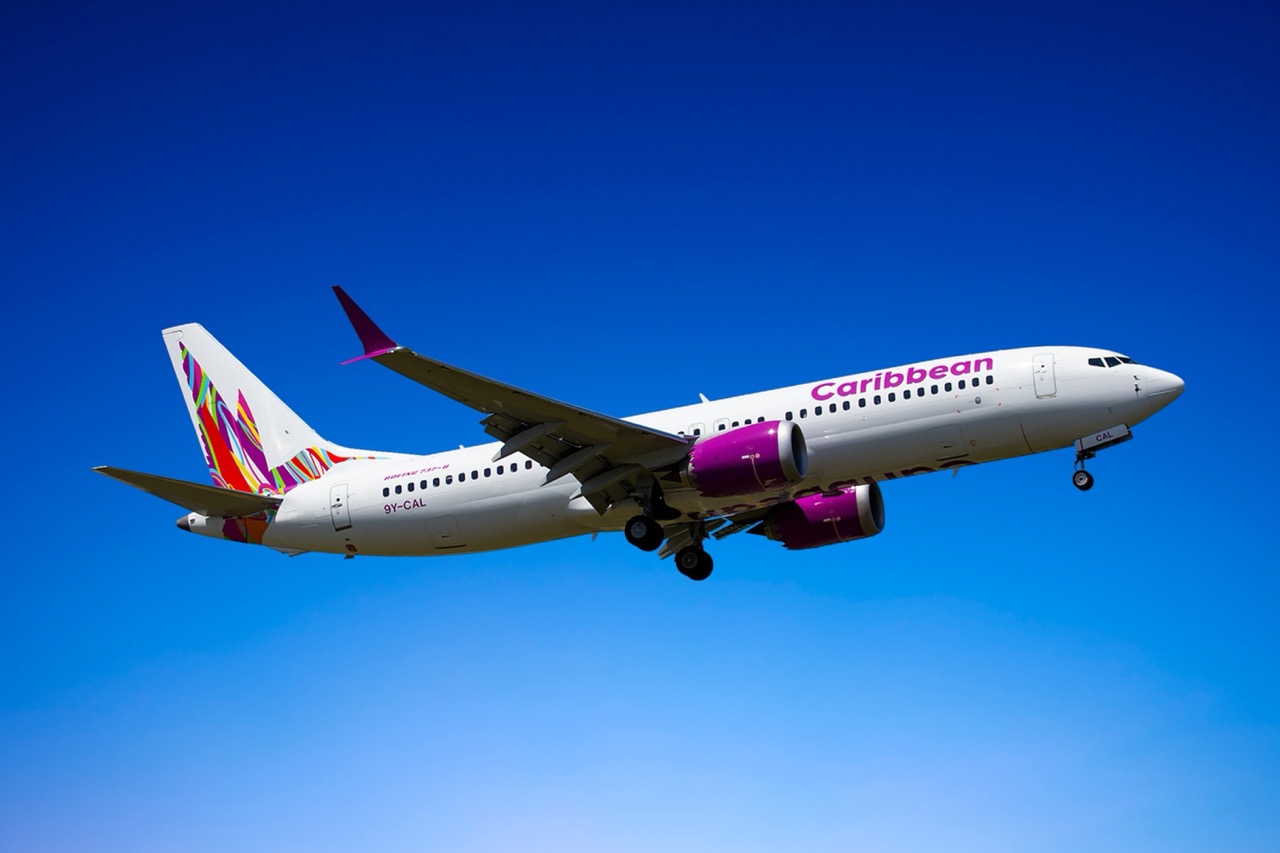
A baby born aboard a Caribbean Airlines flight approaching New York’s John F. Kennedy International Airport has sparked questions about an unusual legal scenario in aviation: whether a child delivered on a plane in US airspace would automatically become a US citizen.
Baby delivered on Caribbean Airlines flight on approach to JFK
As reported by The New York Post, the newborn arrived on April 4 aboard Caribbean Airlines Flight BW005 from Kingston, Jamaica, as the aircraft was on final approach to New York. Pilots alerted air traffic control that a passenger had gone into labour and requested priority landing clearance.
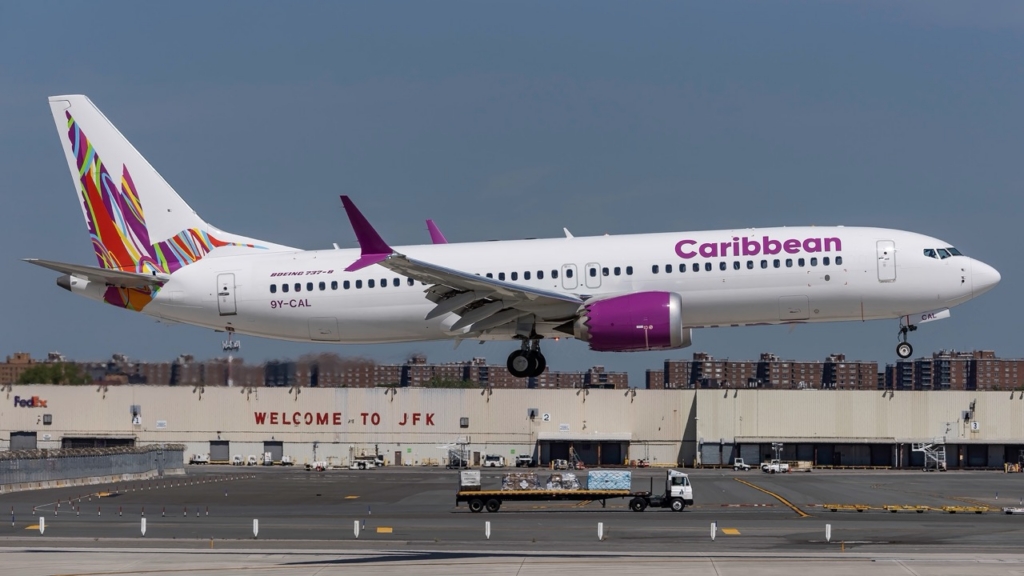
By the time the aircraft touched down at John F. Kennedy International Airport, the baby had already been delivered on board, with medical teams waiting at the gate. Both mother and child were reported safe. The baby’s gender has not been disclosed, but the Post reports a JFK ground controller suggested the baby’s name should be “Kennedy.”
The core question of the baby’s citizenship will depend on the exact timing of birth. If the aircraft was already in US airspace when the baby was born, the child may be able to claim citizenship. If the aircraft was still flying over international waters, then the baby would not legally qualify for citizenship.
Where does US territorial airspace begin?
US territorial airspace begins at the coastline and extends outward 12 nautical miles (about 22 km or 13.8 miles) from the coast.
The Caribbean Airlines aircraft would be considered to be in US territory once it crossed the 12-nautical-mile boundary. Because John F. Kennedy International Airport sits directly on the shoreline of Jamaica Bay in New York, aircraft approaching the airport from the Atlantic Ocean typically enter US territorial airspace just before beginning their final descent to JFK, around 15–30 minutes before landing, depending on routing and altitude.
How rare are babies born on planes?
Births on commercial airline flights are extremely uncommon. A 2019 review published in the Journal of Travel Medicine identified 74 babies born on 73 commercial flights worldwide between 1929 and 2018.
- 71 infants survived delivery on a plane, two died shortly after delivery, and the fate of one is unknown.
- 77% of the flights where babies were born onboard were international flights
- 26% of all flights with births onboard were diverted after declaring an in-flight emergency
- Many babies born on aircraft are premature births, ranging from 25 to 38 weeks, with 10% of the infants born at 37-38 weeks, 16% born at 34-36 weeks, 19% born at 31-33 weeks and 12% born before 32 weeks.
- Physicians, nurses, the flight crew and other medical professionals onboard offered medical assistance in 45% of the births.
The rarity of in-flight births is partly due to airline policies restricting travel late in pregnancy. Most carriers require medical clearance for pregnant women to travel after about 28 weeks and typically prohibit travel after about 36 weeks to reduce the risk of in-flight deliveries.
Other babies born on international flights bound for the US
Though babies born on planes are rare, the Caribbean Airlines birth is not the first time that a child has been delivered on approach to the US.
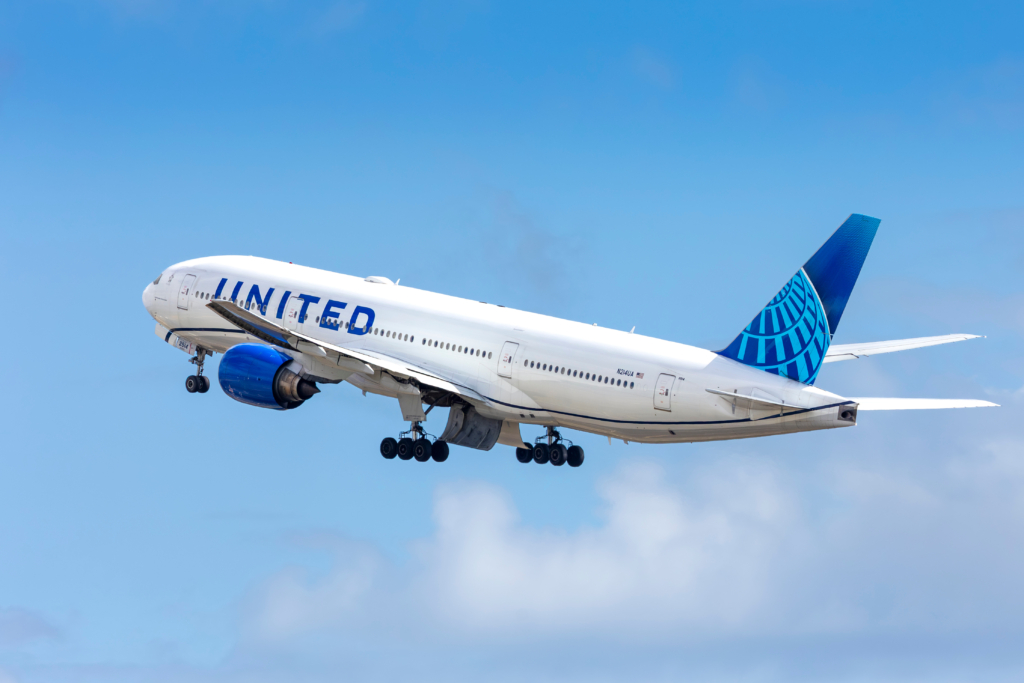
In 2022, a baby boy was born aboard a United Airlines transatlantic flight travelling from Ghana to Washington Dulles International Airport. A doctor on board assisted with the delivery before the aircraft landed, and United staff greeted the newborn with gifts on arrival.
A woman went into labour on a Royal Jordanian flight to JFK Airport in January 2015. A doctor and nurse travelling as passengers helped deliver the baby mid-flight, and both mother and child were taken to the hospital after landing in New York.
In another unusual case, a Ugandan woman gave birth during a flight from Amsterdam to Boston while the aircraft was flying over Canadian airspace on New Year’s Eve 2008. Because the birth occurred as the aircraft flew above Canada, reports at the time suggested the child could claim Canadian citizenship.
How would a baby born in US airspace become a citizen?
Determining nationality for babies born in flight is not always straightforward and can involve multiple overlapping legal systems.
Under the Fourteenth Amendment to the United States Constitution, ratified in 1868, anyone born “in the United States” and subject to its jurisdiction is automatically granted birthright citizenship, regardless of their parents’ immigration status.
The legal interpretation of “United States” would include US territorial waters and airspace. That means a baby delivered on a plane flying within US territory—such as during the final descent toward JFK—could qualify for US citizenship.
However, it all depends on the precise location of the aircraft at the moment of birth. If the delivery occurred while the aircraft was still over international waters, the child’s citizenship would usually follow the parents’ nationality instead.
Baby born in-flight amid political debate in the US over birthright citizenship
The unusual circumstances of the Caribbean Airlines’ birth come amid a legal debate over birthright citizenship in the United States.
In 2025, US President Donald Trump signed an executive order to restrict automatic citizenship for children born in the United States to non-citizen parents, in conflict with the constitutional amendment granting birthright citizenship.
Federal courts blocked the President’s order as unconstitutional, and it is currently under review by the Supreme Court of the United States.
For now, the constitutional precedent applies, meaning the exact position of the Caribbean Airlines aircraft at the time the baby was born could still determine whether the child qualifies for US citizenship.
Newborn in-flight: a much-celebrated, rare aviation moment
Rare mid-air births have produced memorable stories. In some cases, airlines have awarded babies born on board free flights or frequent-flyer miles as a goodwill gesture.
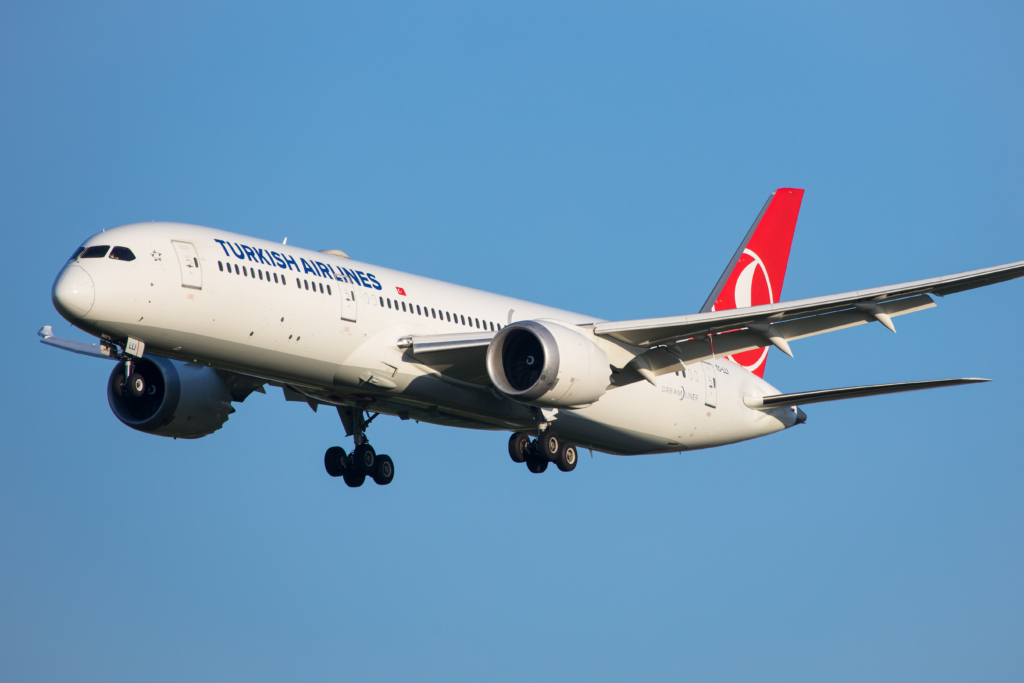
Turkish Airlines granted free flights for life to two babies born on its flights, one in 2017 and another in 2025. Cebu Pacific awarded 1,000,000 GetGo frequent-flyer points (enough for a lifetime of free flights) to a child born on its planes in 2017.
EgyptAir, Buraq Air, and Jet Airways have all awarded free lifetime flights to babies born on their aircraft. Virgin Atlantic offered a baby born on board free flights until age 21.
Caribbean Airlines has not announced whether the newborn on its flight BW005 will receive such perks, but one thing is certain: the child has already joined a very lucky few to take their first breath in-flight.
Featured Image: DigitalCAL | Wikimedia Commons
Sign up for our newsletter and get our latest content in your inbox.


More from

October 4, 20264 min read

October 3, 20267 min read


