


Inside Pratt & Whitney’s adaptive engine for future fighter jets

5 min read
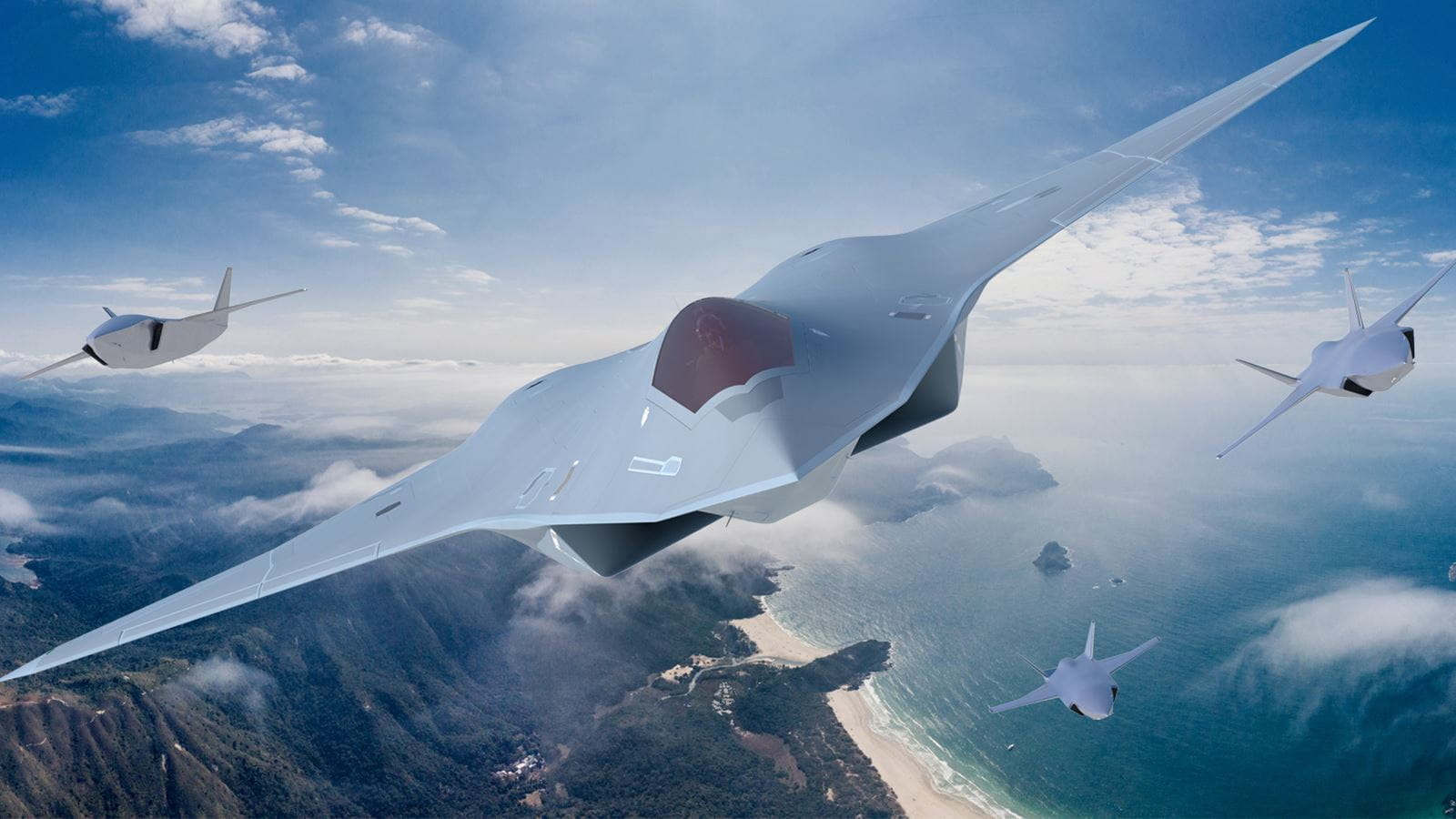
Pratt & Whitney is designing a next-generation adaptive cycle engine that offers on-demand performance and efficiency to future fighter jets. With the US Air Force’s (USAF) aim to stay dominant in the combat environment, Pratt & Whitney’s Next Generation Adaptive Propulsion (NGAP) program will deliver efficiency, power, and versatility during multiple flight regimes.
The US-based manufacturer is designing the prototype engine, known as the XA103, in an all-digital environment. From concept through manufacturing, the XA103 design will deliver groundbreaking capabilities in a fraction of the time. The use of model-based systems allows greater data accuracy and predictability of the model. Each performance parameter of the engine is controlled by multiple digital sensors that optimise performance based on mission requirements.
With the preliminary design review and the detailed design review completed, the prototype construction phase is underway. Logistics teams at Pratt are procuring hardware and components to build the demonstrator, which will go into testing towards the end of the decade.
What is an adaptive engine?
Conventional fighter jet engines are designed to deliver mission-specific propulsion efficiency. Adaptive cycle engines (ACE) are redefining how engines are configured to cater to diverse missions. The ACE is designed to adapt to the multi-mission capabilities of the aircraft.
Unlike traditional engines, adaptive engines offer optimized thrust and efficiency across multiple flight regimes. A conventional engine designed for maximum thrust will not fulfill the mission requirements of a low-observable stealth aircraft. Adaptive engines can reconfigure themselves during or in between flights to switch from combat mode to stealth mode.

With the ability to automatically maintain optimal performance, the variable-cycle architecture of adaptive engines features structural and aerodynamic coupling across multiple flight systems.
Adaptive engines are also capable of optimised performance during subsonic and supersonic flight regimes. For instance, during subsonic flight, the engine expels more airflow for greater efficiency, whereas lower, more controlled, airflow for high thrust and speed requirements of a supersonic flight.
Pratt & Whitney states that its XA103 ACE will provide the necessary power, stealth, and efficiency without sacrificing durability. Operators like the USAF receive greater flexibility and mission-readiness with fewer compromises.
| Pratt & Whitney XA103 Adaptive Engine | |
|---|---|
| Design | Three-flow adaptive-cycle engine |
| Design philosophy | Digital collaborative environment |
| Fuel Efficiency | 25% greater than conventional fixed-cycle engines |
| Thrust | 20% more than conventional fixed-cycle engines |
| Critical design review | February 2024 |
| Detailed design review | April 2024 |
| Planned ground testing | Late 2020s |
Alex Johnson, who leads Pratt & Whitney’s NGAP program, explained the ACE technology by emphasising that “when we say adaptive, we mean that the engine changes its aerodynamic cycle, or the purpose of what it’s doing while it’s flying. The ACE offers the ability to use the control systems to change parameters on a continuous basis.
“So instead of two different modes or cycles, we’re able to do continuous change of the engine over time or throughout a flight to optimise it at different points of the flight envelope,” Johnson added.
The digital collaborative environment enhances program efficiency and reduces errors
An engine development program calls for hundreds of vendors and technology suppliers to produce a harmonious design. With dozens of teams working across numerous platforms and software packages, combining information into a single system becomes a challenge. A digital design architecture – first for Pratt & Whitney – addresses communication and compatibility problems and allows real-time integration of individual systems and components.
For example, in a conventional design, the functioning of interdependent systems must be estimated and simulated at each step to ensure operational compatibility. The collaborative digital environment allows technical teams across multiple vendors to access a common interface where they share information in real time.
On the operational level, identifying which parameters are essential for mission optimisation could take hours. The same thing is done in minutes with hundreds of digital sensors tracking mission-specific performance parameters. Moreover, the digital collaborative environment allows real-time decision-making for designers and operators alike.
Alan Seipt, Validation Chief of Adaptive Programs at Pratt & Whitney, states “that it’s [the information] not just residing in somebody’s head or a bunch of dusty binders that you have to page through to figure out where the connections are. It’s a digital tool, and with a couple of buttons, you can understand where you’re at and make real decisions.”
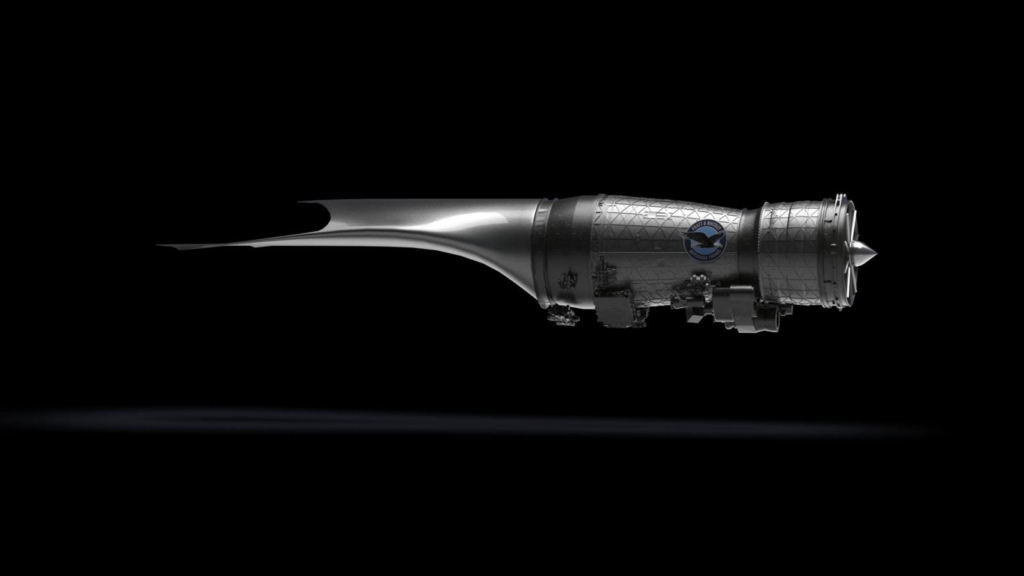
With real-time information sharing and precise compatibility across systems, the chances of errors are significantly reduced. Pratt & Whitney leverages decades of computer-aided design work to streamline the development of the XA-103. The system proactively identifies design problems and predicts dependencies to reduce real-time errors.
Moreover, the digital platform benefits from shortened turnaround times and improved communication between design teams, material and technology suppliers, and the Air Force. Assessing USAF’s multi-mission combat requirements at each step of the engine development enables on-demand optimisation across multiple flight parameters.
Alex Johnson commented,
“What is happening in the digital transformation that we are going through now is that we’re having a more concerted effort to connect some of those digital tools to have them optimise with each other.”
How Pratt & Whitney uses digital tools to accelerate engine development
While the digital platform employed by Pratt offers time saving through a collaborative design process, the manufacturer brings testing and validation earlier in the design process. Rather than implementing test instrumentation at the completion stage, each system is individually validated during the design phase.
📰NEWS: Pratt & Whitney accelerates development of its XA103 engine for the @usairforce’s Next Generation Adaptive Propulsion (NGAP) program.
— RTX (@RTX_News) September 23, 2025
Details: https://t.co/7MmpOi0cGM pic.twitter.com/UMFBOWFHTI
Another key element accelerating engine development is the use of 3D digital models. The design data and relevant information reside within the integrated model, simplifying data accessibility across teams. The platform also aids newly onboarded teams, including external vendors, to hit the ground running with the availability of historical data.
“Our current engine is over 2,000 pieces of instrumentation sensors — all with their own little story that goes along with them and why they’re needed. In the past, you’d have somebody at the centre of all of that who has lived it,” Seipt says.
“Now, even if a new person comes onto the program that hasn’t lived the last four or five years of history with that particular test asset, they can jump right in and have those impact analyses available immediately.”
By minimising traditional blueprints and exhaustive validation methods, digital tools are helping Pratt & Whitney accelerate engine development. Moreover, model-based systems allow the manufacturer to streamline the supply chain.
Featured Image: Pratt & Whitney
Sign up for our newsletter and get our latest content in your inbox.


More from


August 16, 20265 min read


