


Air India CEO charts impressive expansion plans as India rises on global aviation stage

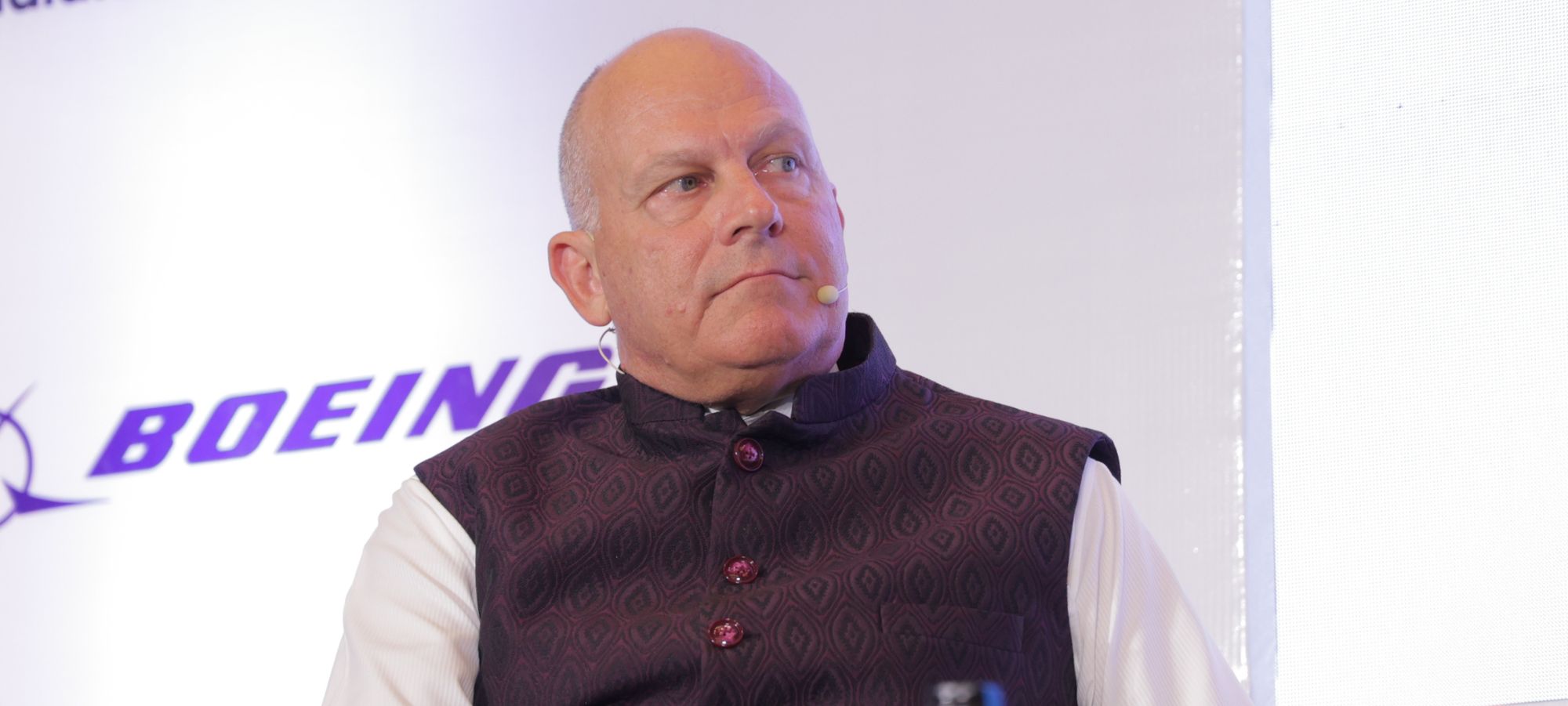
Marking his first public engagement since the tragic Air India crash on 12 June, CEO Campbell Wilson outlined the airline’s ambitious transformation. He also reaffirmed Air India’s commitment to safety, the customer experience and India’s growing role in the global aviation sector.
Wilson was speaking at this year’s Aviation India Summit & Exhibition, which took place in Delhi, 29-30 October. He described a “new Air India”, which is currently taking shape, underpinned by one of the world’s largest fleet renewal programmes.
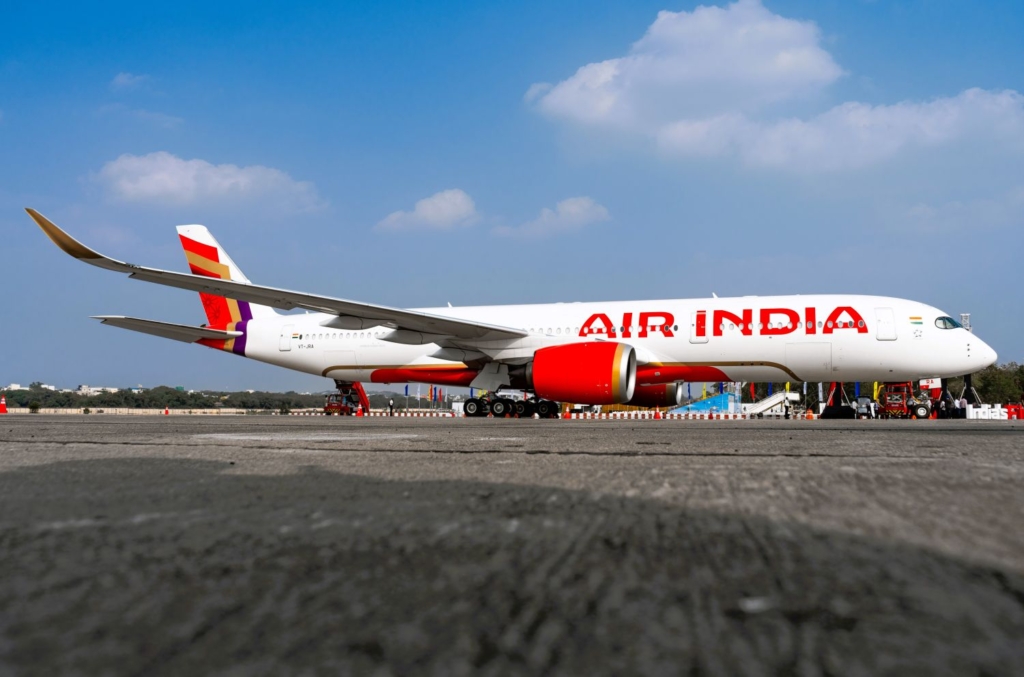
The airline plans to add 524 new aircraft to its fleet by 2031, comprising a mix of Boeing 787s and 777s, as well as Airbus A350s.
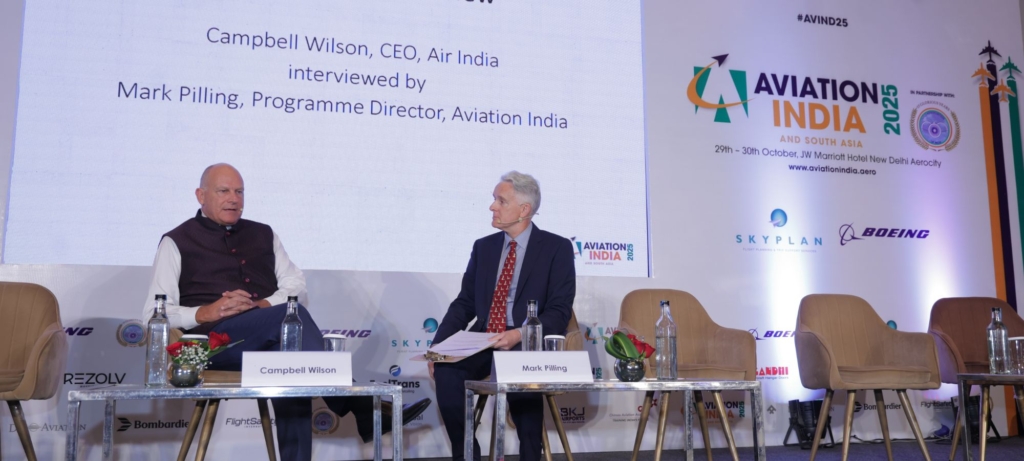
“We’re building towards something that’s already, in some respects, globally competitive,” Wilson said during a fireside chat.
“What makes India’s aviation sector special is its warmth and hospitality. That’s the secret ingredient – the authentic service and real care. At Air India, we are investing in our hard product, but the polish on top is the consistency, warmth, and genuine hospitality of the crew and ground staff that our passengers interact with. As we bring all of the different components of the new Air India together, I’m really excited by the future.”

Air India currently operates over 300 aircraft, with a flight taking off every 65 seconds.
Recovery after the tragedy of Air India flight 171
Addressing the tragic events of June 12, when Air India Flight 171 crashed at Ahmedabad Airport, seconds after take-off, Wilson expressed his deep sorrow.
“It is absolutely devastating for all those involved,” he said. “We’re doing absolutely everything we can to support those affected.”
He outlined the steps Air India and its parent company, Tata Group, have taken to support the affected families and staff. The airline has had over 600 people on the ground in Ahmedabad, while Tata has established a trust to provide long-term support for those impacted.
Wilson also said that the interim report “indicated that there was nothing wrong with the aircraft, the engines, or the operation of the airline. We await the final report, and if there’s anything to learn from it, we will absolutely make sure we do.”
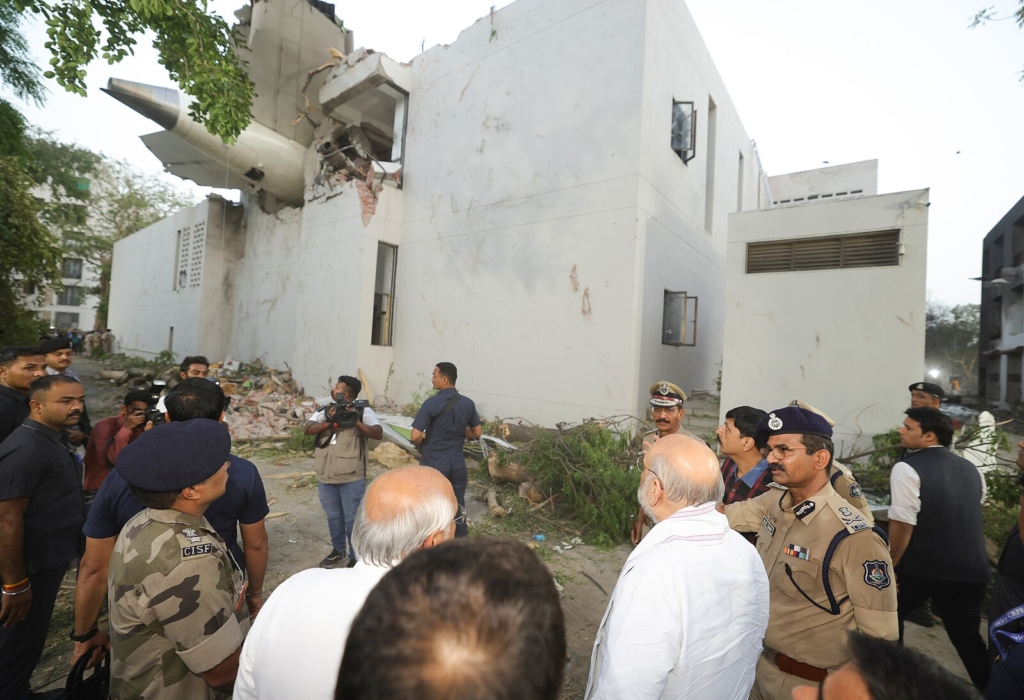
In the meantime, he reiterated: “Our focus remains to do all that we can, for as long as it takes, to bring closure to those that have been affected.”
Air India voluntarily reduced its international flying by 15% in the months following the incident to allow for additional checks and crew rest. Operations have now returned to normal, with the airline implementing extra layers of safety assurance.
However, reports earlier this week indicate that the airline has asked for at least ₹100 billion ($1.14 billion) in support from its shareholders, Tata Sons and Singapore Airlines, to help stabilise operations, upgrade safety systems, and rebuild public trust in the brand.
Air India’s transformation amid global challenges
Underlining that Air India’s transformation is a long game, Wilson explained it is taking place amid a backdrop of global supply chain challenges, regulatory complexity and geopolitical turbulence. Still, with a firm order of 524 aircraft in the pipeline, the airline expects to add a new aircraft on average every six days.
The turning point will come in early 2026 (when the first fully refitted widebody will debut), marking when “we will truly start to see the new Air India emerge,” said Wilson.

By 2027, the airline expects to have completely refurbished its 787 fleet, followed by its 777s by early 2028. The new interiors will feature upgraded seats and inflight entertainment systems, alongside the rollout of new A350s connecting Delhi with London, New York and beyond.
According to Wilson, while fitting narrowbody aircraft is “relatively easy”, when it comes to widebody aircraft and fitting first and business class cabins, it can take up to four years for business class seats and up to seven years for first class seats in terms of spec, design, certification, manufacturing and installation to be complete. There is no rushing that process.
“For Air India, this is a five-year transformation that involves restructuring, refitting, training and building the infrastructure to support rapid growth,” he said.
That infrastructure includes new training academies for thousands of pilots and cabin crew, expanded maintenance and engineering facilities, and upgraded IT systems to integrate four merged airlines.

Why India is poised to be a global player
Wilson placed Air India’s growth in the context of India’s broader rise as an aviation power. With a rapidly growing middle class and a vast diaspora, India is poised to become one of the world’s largest air travel markets. The country is also on its way to becoming the world’s third-largest economy.
Wilson also pointed out the need for a “balanced liberalisation” of air access to ensure Indian carriers can compete fairly against foreign airlines that benefit from earlier access to slots and hubs.
“Indian carriers have invested tens of billions in widebody aircraft to serve global markets directly,” Wilson said. “If liberalisation is too much, it completely undercuts that investment to buy and enter those aircraft into service and therefore the jobs, skills and ecosystem that are facilitated by air travel.
“It’s crucial that the pace of liberalisation is such that it doesn’t undercut the investment being made by Indian aviation players to develop India into the thriving, world-leading aviation ecosystem we want it to be.”
Preparing for the arrival of Air India’s 524 aircraft
Despite headwinds, including airspace closures over Pakistan and the Middle East, and global economic uncertainty, Wilson remains optimistic but acknowledges the work that needs to be done.
“We need to prepare the organisation for the arrival of these 524 aircraft, and that means training pilots ab initio and then building the simulators to keep them current and proficient. We need training academies to develop cabin crew, of which we need thousands upon thousands.
“It’s training the engineers who will service those aircraft. It’s building the MRO base that will maintain those aircraft. And that’s just the supporting infrastructure side of the business. Then there’s the sales and marketing, the IT infrastructure, the physical premises, HR. All of it is being put together to support a rapid and massive expansion of an airline in a market that is itself evolving and maturing.”

“We’re building a new Air India that represents India the way India wants to be represented, safe, high-quality and world-class,” he said. “There will be bumps in the short term, but the long-term picture is truly exciting.”
For Wilson, the mission is clear: to transform India’s flag carrier into a truly global airline that reflects the nation’s ambition and identity.


