Aerospace aluminium recycling in 2026: Three priorities to improve sustainability

April 12, 2026

Johan Petry is Vice President of Sales and Marketing, Global Aerospace at Novelis, where he leads all commercial activities for the company’s aerospace business. He joined Aleris in 2001, holding senior roles across aerospace, automotive and industrial segments, including Vice President, Industrial from 2015 to 2020. Earlier in his career, he held sales and marketing roles at Master Foods and Nutricia. Petry holds a master’s degree in economics from the University of Leuven, Belgium.
We’re entering a new year in aerospace manufacturing, but designers will face familiar challenges in 2026: implementing the right processes using the right technologies that ultimately maximise efficiency throughout their supply chain. Sustainability will be central to these efforts, and this pursuit of streamlined processes will elevate materials recycling into the spotlight.
As aerospace manufacturers develop strategies to increase recycled content in their aircraft, their success in addressing three key areas will depend on how well they communicate and collaborate with partners. Take a closer look:
1. Achieving true circularity in aerospace aluminium
Aerospace manufacturers could make headway toward improving sustainability metrics with a greater focus on achieving aluminium circularity. It’s easy to see how: reusing aluminium requires only 5% of the energy needed to produce new aluminium and decreases emissions by 95%.
However, achieving closed-loop circularity remains difficult because of the aerospace supply chain’s sheer complexity. Thousands of vendors work for over a year to produce one aircraft. Getting every node to agree on a consistent recycling strategy and properly execute it would be a Herculean task.
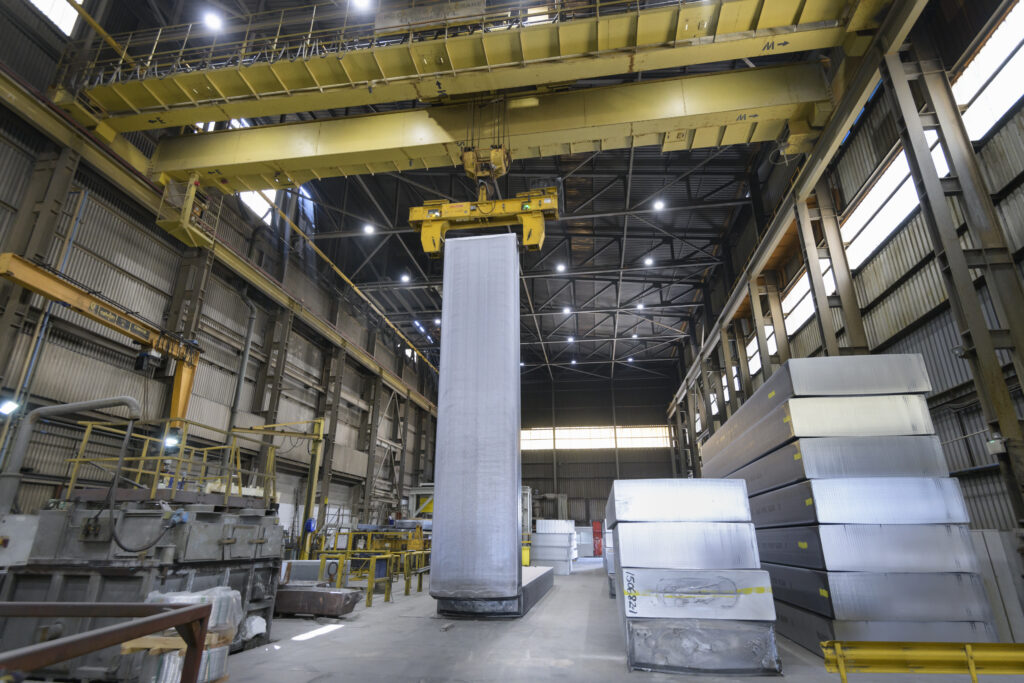
This year, aerospace manufacturers should instead look for incremental steps to shift potentially wasteful processes to partners better versed in recycling processes. For example, rather than sending aluminium sheets to an OEM’s cutter, who might leave scraps on the ground, the manufacturer could task the aluminium mill with pre-shaping materials. The mill will better understand how to capture and recycle scrap, while the OEM will reduce energy consumption by starting assembly with aluminium shaped closer to their needs.
Major manufacturers are also partnering with their suppliers to improve communication and recycling consistency across facilities. Five Airbus facilities have launched a pilot to improve aluminium scrap traceability, promoting collaboration between machinists, scrap dealers and melters to ensure unused aluminium is discarded properly for reuse. Aerospace manufacturers should use 2026 to seek out more partnerships like Airbus’s.
2. Improving aircraft dismantling to increase recycling and material recovery
While it’s important to improve sustainability throughout aircraft assembly, the decommissioning process can also cause waste if not approached correctly. An aircraft contains mixed materials, integrated systems and bonded structures that are hard to separate. In addition, hazardous components such as chromium must be removed carefully.

All these considerations make it even more difficult to extract reusable aluminium during dismantling. High alloy purity is required for aluminium to be reused in a new plane, so when mixed with other materials in a scrap pile, it loses value. Sorting technologies are expensive but essential to maintain material value. However, the reward for committing to this process is significant; a substantial amount of aluminium from retired aircraft can be recycled and repurposed into new aeroplanes, delivering meaningful sustainability benefits.
To preserve as much aluminium as possible, decommissioning firms should prioritise designing and implementing safeguards to reduce material mixture. While leaders such as TARMAC Aerosave continue to advance aircraft dismantling and recycling, expanded capacity will be critical to scale these efforts.
3. Scaling aerospace recycling infrastructure to meet rising demand
The aerospace industry could soon face an availability challenge. Fleet retirement is accelerating because of sustainability pressures and post-COVID fleet optimisation, rising from approximately 700 aircraft retired each year currently to nearly 1,100 by 2038. At the same time, Boeing reports the global fleet will nearly double over the next two decades to meet demand.
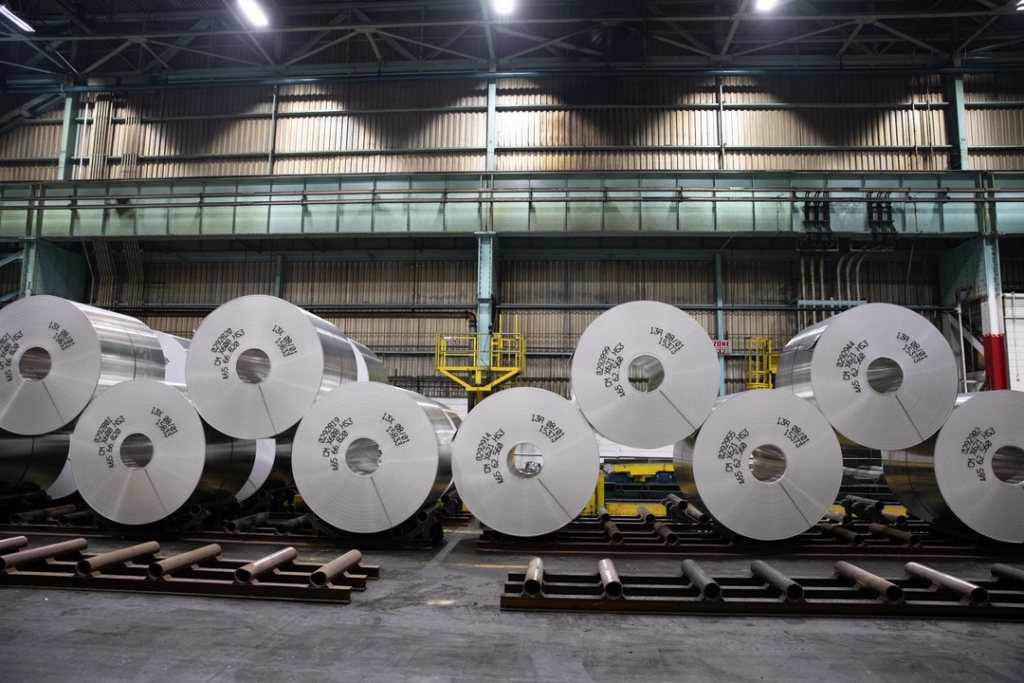
These intersecting patterns will drive a recycled material boom, and aerospace manufacturers will seek cheaper, more efficient ways to obtain aluminium from retired aircraft. However, the infrastructure required to produce enough recycled aluminium isn’t in place yet. Throughout 2026, aerospace manufacturers should look to form new partnerships that can address this deficit.
At the same time, OEMs and recyclers should develop new ways to repurpose recycled materials. The Novelis team partnered with GKN Aerospace to develop a prototype wing rib with up to 90% recycled aluminium inputs, which would reduce carbon emissions by up to 80%, and presented it at last year’s Paris Air Show. With greater access to recycled aluminium, the aerospace supply chain can produce these parts faster and more sustainably.
Why collaboration is key to scaling aerospace recycling
Any of these complexities would be difficult to tackle alone, but rethinking the aerospace recycling process to maximise efficiency and sustainability will require addressing all three. That’s why aerospace manufacturers must lean on partnerships moving forward.
A 2024 KPMG study of global sustainability in aerospace and defence found 47% of industry professionals believe collaboration is key to reaching their goals, and they’re absolutely correct.
By involving recycling partners throughout aircraft development and decommissioning, manufacturers can uncover new ways to reduce waste during assembly, preserve more parts while breaking an aircraft down, and create enough recycled material to meet rising demand. Let’s dub 2026 the Year of Collaboration.