


How crowdfunding is becoming a safety net for medical air evacuation

6 min read

Adam Mikulski is Managing Director at Medical Air Service, a global provider of medical evacuation and repatriation flights. He oversees international operations, supporting patients who require specialist treatment abroad or transfer between healthcare systems.
Medical repatriation and air ambulance services are designed to solve complex, life-changing problems.
The situation is as follows: a person is injured in another country. The family is separated, and the medical systems between the two countries are complex. Or a person has a severe illness in his home country, but state-of-the-art or experimental treatment is only available in a few locations worldwide.
In both cases, time, access to medical treatment, and medical continuity suddenly become the only things that matter.
However, the reality behind many of these operations is the growing number of patients who simply cannot afford the cost of transport, nor do they have insurance that covers it.
In the last few years, crowdfunding has become one of the most important tools for helping families bridge this financial divide. It is not a replacement for insurance or government healthcare systems, but it has quietly risen to the fore as a last resort when no other option is available.
It is an important trend that deserves more consideration, especially in the world of medical transport, because it reflects broader shifts in how international travel, access to medical treatment, and the burden on the individual are changing.
The funding gap in international medical transport and air ambulance services
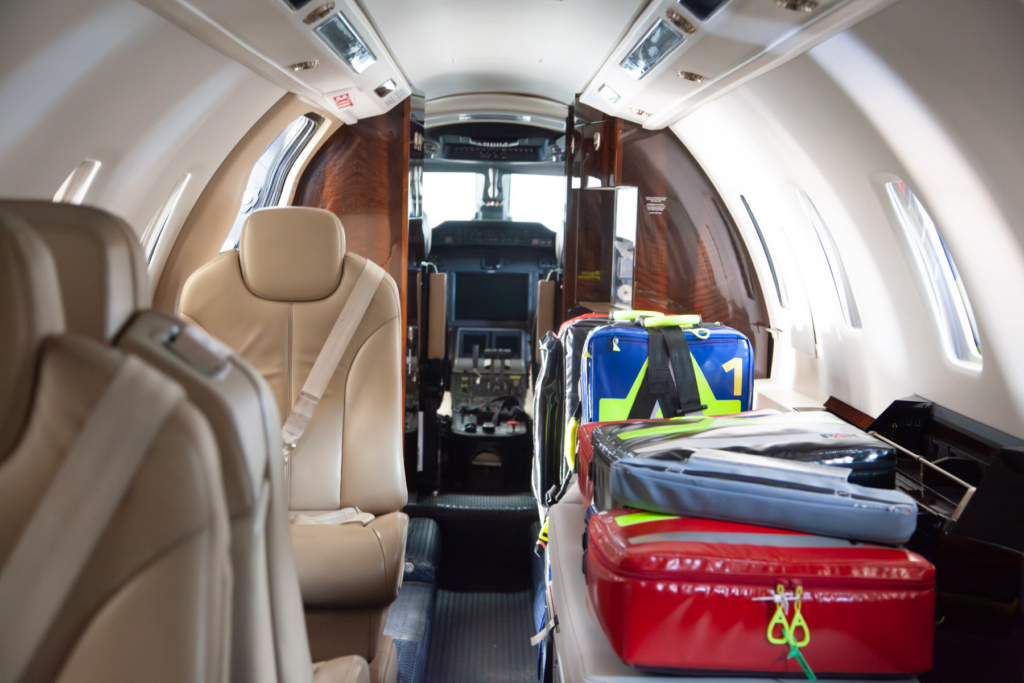
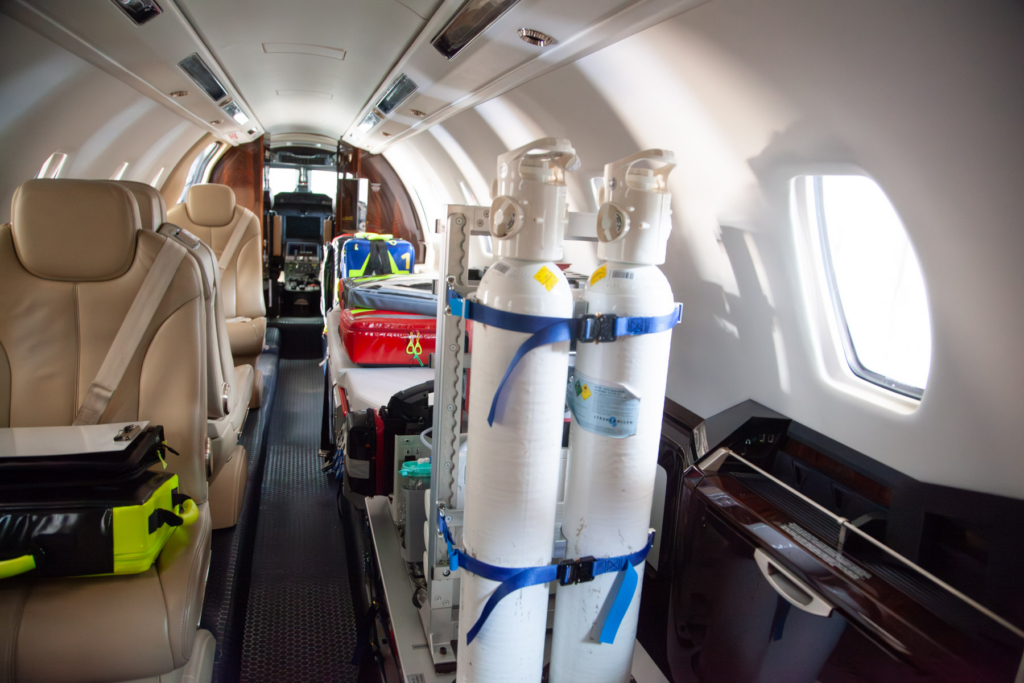
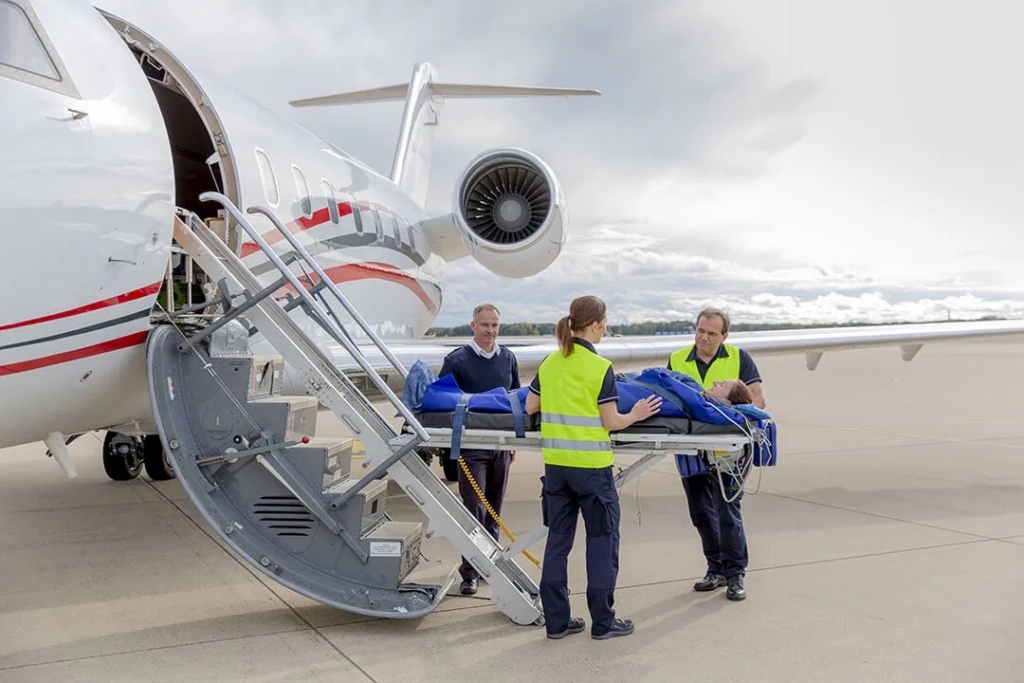
Medical transport operations are complex, requiring specialised planes, medical staff, regulatory approval, and coordination between the sending and receiving medical teams. The cost of these operations can easily run into the six-figure range, especially for international transport over long distances. Even for regional transport, the cost can be higher than families can afford on short notice.
In theory, insurance should cover these types of operations. In practice, many patients slip through the cracks. In some cases, the individual may have insurance, but it may not cover medical transport, and, in others, the insurance company may dispute the claim, or the approval process may be too slow to be compatible with medical emergencies.
Families are then forced into an impossible decision: leave their loved one in a foreign hospital with little local support or try to raise the funds themselves. This is where crowdfunding comes into play.
Real-world cases highlight the rise of crowdfunding for medical flights
Families are now relying on platforms that enable them to share their story and ask for donations from large networks of people. This strategy has been successful for some families.
A recent case at Medical Air Service involved a teacher from the United States who was struck by lightning while travelling abroad. The injury put the patient in critical condition, travelling with his wife and son, and far removed from long-term rehabilitation facilities. The family realised that the funds provided by the teacher’s insurance would not be enough to cover the cost of a medical repatriation flight. Through crowdfunding, they raised the funds needed to transport their loved one back to the United States.
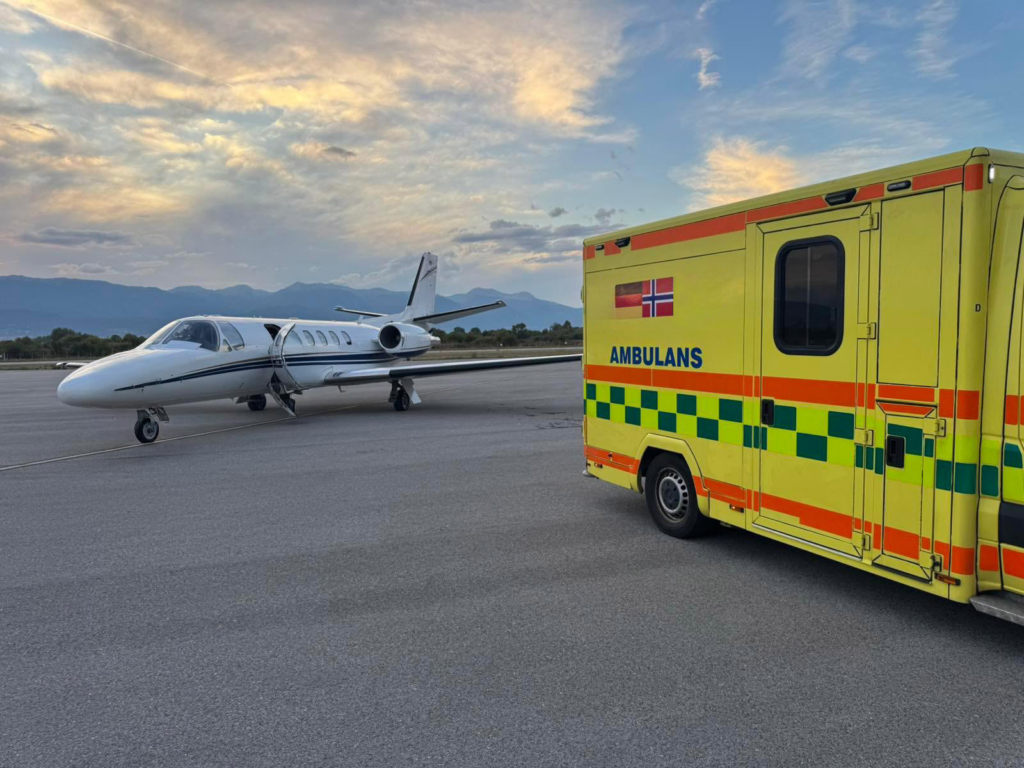
Another case involved a semi-professional football player from Brazil who was injured in a car accident in Poland. The nature of the injury required specialised treatment back at home, but transporting the injured player was beyond the team’s financial reach. The family of the football player raised the funds for a repatriation flight through a crowdfunding campaign.
There are also many cases of children who need access to specialised healthcare facilities abroad. Parents, already under a lot of stress, are relying on crowdfunding campaigns to help transport their children to specialised facilities.
These are not isolated cases; they point to a larger phenomenon: the changing nature of emergency medical mobility financing.
Why crowdfunding works in medical evacuation emergencies
Crowdfunding is compelling in medical flight cases for several reasons. Firstly, the need is clear and present. Unlike other crowdfunding cases, medical evacuation situations have a clear and present need. People understand that there is no time to waste, and any delay could have serious implications for the success of the medical procedure or the evacuation process.
Secondly, the cases are personal and identifiable. People are expatriates, travellers, athletes, teachers, and children. People can easily identify with these cases, and the crowdfunding campaigns are easily shared and disseminated.
Lastly, the rise of social media has simplified crowdfunding. Social media has made it easy to share information, and people from all over the world can be reached quickly. People from different countries and cultures can easily share information and mobilize support behind a single cause.
From the service providers’ perspective, crowdfunding has also introduced a new dynamic to the medical evacuation process. Once the funds are available, service providers can proceed with the planning process without the burden of negotiations. This is a major advantage, ensuring that medical teams are not delayed by a lack of funding.
Ethical and operational challenges of crowdfunding medical flights
Despite the benefits of crowdfunding, several issues have been noted. Crowdfunding is not without its challenges, and it has brought a number of inequalities. Some families have managed to raise the money needed, but this is largely due to the nature of the case and the publicity it receives. Other families, despite the severity of the medical condition, have not been so lucky.
Then there is the emotional toll on the family. Raising funds from the public during a medical emergency is never easy. Families have to share very personal information about their medical condition to justify the emergency. This raises the issue of privacy.
From the industry’s perspective, the responsibility is to ensure that funds are raised for the right purpose. Also, the cost structure should be clearly defined to avoid confusion. Medical transport companies should be able to communicate the timelines and the medical and regulatory limitations.
What crowdfunding means for the future of medical air evacuation
Crowdfunding is unlikely to go away from the medical evacuation landscape. As long as there are exclusions in insurance and international healthcare systems, families will seek alternative funding sources.
However, it should not become the new normal. The industry, including insurance companies, assistance providers, healthcare providers, and regulators, should take this trend as a wake-up call. It is a sign of unmet demand for medical transport coverage.
There is also an opportunity for public education. There is a lack of awareness about what medical evacuation coverage entails. There is also a lack of awareness among employers of employees who go on international duty. There is also insufficient knowledge among sports organizers and event managers about the importance of covering their participants.
For medical evacuation providers, it is also essential to uphold ethical standards when handling crowdfunded missions.
Crowdfunding as a safety net in medical repatriation, with clear limits
Crowdfunding has also shown that communities are ready to fill the gap where institutional support is lacking. In many cases, it has allowed patients to return home safely, be reunited with their families, and continue their recovery within familiar healthcare systems.
However, it is also not sustainable as a replacement for proper structural solutions. Not all families have the capacity to go viral. Not all cases have received enough funding. Crowdfunding introduces unpredictability into already risky situations.
The rise of crowdfunding in the context of medical repatriations should thus be considered both a success story and a wake-up call. It shows the strength of communities but also reveals weaknesses that need to be addressed.
Sign up for our newsletter and get our latest content in your inbox.


More from


January 15, 20251 min read

January 15, 20251 min read


April 18, 20241 min read


July 22, 20222 min read


November 21, 20232 min read