


Opinion: Conflict is reshaping airline fortunes, and the worst is yet to come

4 min read

Nicola Harris is a Senior Underwriter for UK Risk at Atradius. She has worked at Atradius for 9 years and throughout her career has specialised in SRM and Engineering before becoming Senior Underwriter for Transport and Metals. Nicola is frequently a spokesperson for Thought Leadership articles and is considered a specialist in her field.
While airlines and other transport businesses around the world were scrambling to manage the economic impact of the Iran conflict, Ryanair chief Michael O’Leary struck a characteristically bullish tone.
“It won’t affect our costs, and it won’t affect our low fares,” he said, speaking a few days after the first military strikes began. Instead, Ryanair had seen a surge in bookings for Easter holidays to European destinations.
The Middle East plays a vital role in global travel. It accounts for 5% of global international arrivals and 14% of global international transit traffic.
But Ryanair could be among short-haul airlines in Europe that are better positioned in this conflict than long-haul carriers reliant on Middle Eastern airspace and connectivity. We’re already hearing stories about holidaymakers making last-minute switches from locations like Dubai to Spain.
For those European airlines that travel further afield, it could even lead to longer-term changes: there are reports that the conflict has prompted some to investigate new routes that bypass Middle Eastern airspace entirely.
Some European airlines, including Lufthansa and Air France-KLM, are increasing flights to Asia.
Fuel prices, airline hedging and the uneven impact of rising costs
Rising fuel prices also lead to uneven impacts across airlines. Average jet fuel prices have surged 83% over the past month, according to the International Air Transport Association’s (IATA) latest fuel price monitor.
Some airlines are in a better position than others to manage this enormous rise. Ryanair is among the airlines that are well hedged against rising fuel prices, according to O’Leary. But others may not be so well prepared.
US airlines have largely abandoned fuel hedging, leaving them more exposed to current volatility in energy markets.
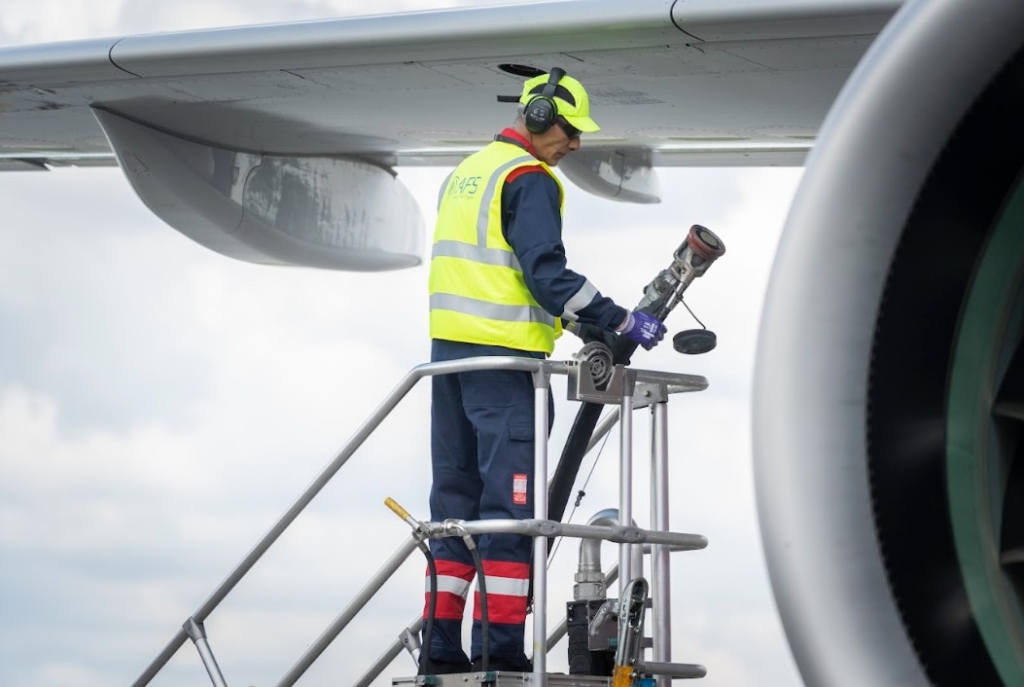
Make no mistake about it, all airlines are disrupted by the conflict. As fuel hedges unwind, those who are riding out the disruption in the short term may start to struggle.
In anticipation, Kenton Jarvis, chief executive of EasyJet, has advised passengers to book as early as possible. He has said the war has started to hit flight bookings and, while the airline had hedged much of its fuel into next year, the air fares are likely to rise by the end of the summer.
All of this comes just as the health of many airlines had started to look better. Going into 2026, rising passenger volumes and stronger demand for air freight (helped by demand for online shopping) meant the sector should have been on the mend this year. That improving trajectory is now at risk, especially if the war drags on.
Wider supply chain disruption hits freight, logistics and UK consumers
The impact on the transport sector goes wider than airlines. In total the World Travel & Tourism Council (WTTC) estimates that the conflict is already impacting the travel and tourism sector across the Middle East by at least $600 million per day in international visitor spending.
The impact on sea freight is huge, forcing longer transit times and higher freight rates: over the past month, container freight rates have risen 37%. This adds further pressure to already strained global supply chains.
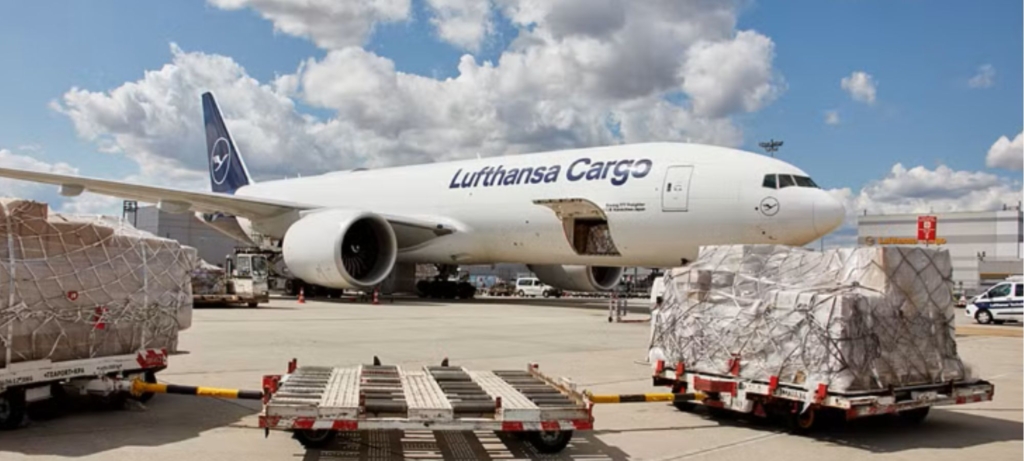
Shifting along the supply chain, we see the friction created for freight forwarders – those go-betweens that are so essential to keeping goods moving from place to place. They are particularly exposed if they’ve committed to contracts and aren’t able to pass costs along.
The world’s biggest freight forwarder, DSV, has reportedly warned customers to expect extended transit times, irregular schedules and rate increases.
The transport supply chain reverberations don’t stop there. Rising fuel prices and supply chain blockages harm haulage providers, many of which are under contract and have limited room for manoeuvre if prices go up substantially.
UK economy exposed to rising freight costs and supply chain pressures
As a highly import-dependent economy, the UK is particularly vulnerable to rising freight and energy costs feeding through supply chains. Many firms, especially smaller retailers and manufacturers, are already operating on thin margins and facing weak consumer demand.
If logistics providers and importers are forced to pass higher costs on, it will lead to higher prices for goods, fuelling inflation. If they must absorb costs themselves, this will squeeze margins across the supply chain, reducing profitability, investment, and potentially leading to cutbacks.
The burden is likely to be shared among businesses and consumers, who will feel the impact through a mix of higher prices and lower margins.
It is early in the conflict, and the impact on transport businesses and those across supply chains is yet to play out. If the conflict drags on, it is unlikely many bosses will be feeling as confident as Ryanair’s Michael O’Leary.
Sign up for our newsletter and get our latest content in your inbox.


More from


January 15, 20251 min read

January 15, 20251 min read


April 18, 20241 min read


July 22, 20222 min read


November 21, 20232 min read