One supervisor, three air taxis: Wisk tests autonomous operations with NASA

5 min read

Boeing-owned advanced air mobility developer Wisk Aero has demonstrated how a single ground-based supervisor could simultaneously oversee three autonomous air taxis operating in controlled airspace.
The 1:3 supervisor-to-aircraft ratio was tested during a series of high-workload simulations conducted with NASA in California, marking the first time Wisk has evaluated this proposed operating model.
Although no actual aircraft left the ground during the simulation, Wisk said the tests were integral to demonstrating how advanced air mobility vehicles, particularly those without pilots on board, could operate safely and effectively in busy airspace while carrying passengers in the future.
The ability for one person to oversee several aircraft will also be central to Wisk’s plans to make autonomous air taxi services scalable and commercially affordable.
Wisk and NASA test one-to-three supervision model
Announced on 15 July, Wisk said it had successfully substantiated the feasibility of operating several autonomous AAM aircraft supported by a single ground-based supervisor in busy airspace conditions.
Using a ratio of one supervisor to three aircraft, the company said the test demonstrated the feasibility of scalable autonomous AAM operations.
The series of tests was conducted in collaboration with NASA at two sites in California.
The collaboration evaluated whether a single ground-based supervisor, using Wisk’s Multi-Vehicle Supervisor system, could effectively oversee three autonomous aircraft simultaneously.
The aircraft operated alongside traditional air traffic, while air traffic controllers used existing tools and procedures to manage all traffic in the vicinity.
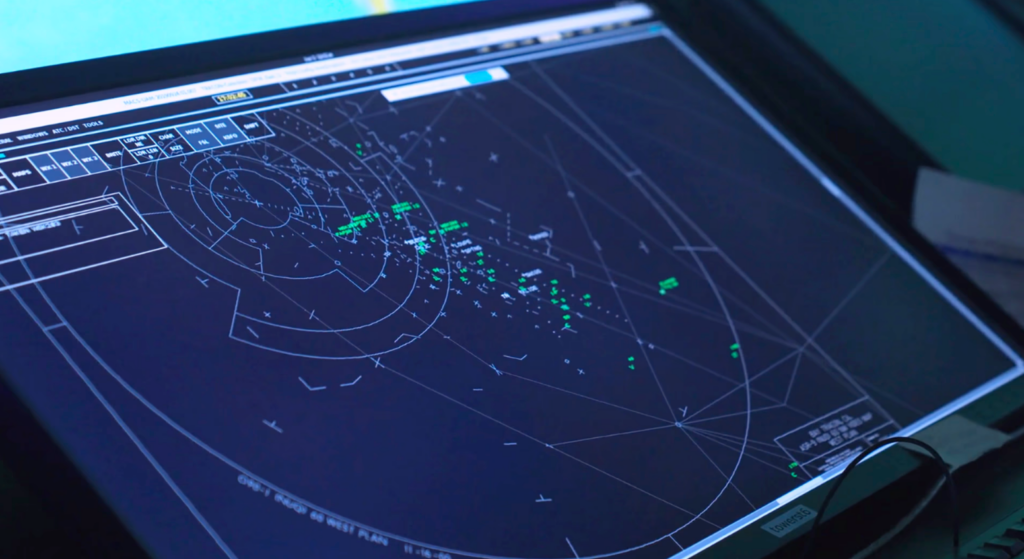
The simulations connected Wisk’s Autonomy Lab in Mountain View, California, with NASA’s air traffic control simulation laboratories, known as Future Flight Central, at the Ames Research Centre at Moffett Federal Airfield.
According to Wisk, the two-storey facility provided researchers with a 360-degree, full-scale airport simulation environment.
Testing took place along flight paths in California’s San Francisco Bay Area, following predetermined instrument flight rules routes between Moffett Federal Airfield and San Martin Airport, located approximately 38 miles to the south.
Simulating autonomous flights in real-world conditions
Wisk said the “human-in/over-the-loop” simulation featured air traffic controllers communicating with Wisk’s supervisors across a series of complex routine and contingency scenarios developed jointly by Wisk and NASA.
The activity was designed not only to practise standardised procedures under normal conditions, but also to test Wisk’s operating methodology against multiple contingencies.
By evaluating performance during worst-case scenarios, Wisk assessed whether the approach remained resilient and capable of supporting scalable operations.
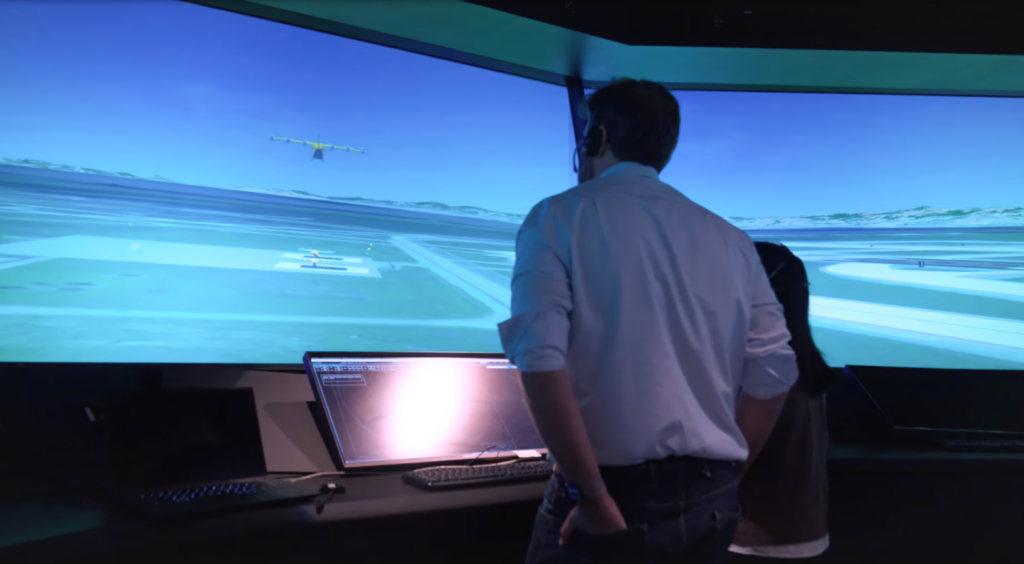
The campaign used Wisk’s Remote Supervision System and autonomous technologies to manage navigation and communication.
The teams captured data covering communication response times, task latency, situational awareness and cognitive workload, using NASA’s Task Load Index and the Bedford Workload Scale.
Wisk said the tests marked a critical milestone for the development of AAM and demonstrated how the company was building the wider ecosystem required to support safe, scalable autonomous flight.
Unlocking scalable autonomous air taxi operations
The simulation is the latest development under Wisk and NASA’s five-year Non-Reimbursable Space Act Agreement, which focuses on advancing the operation of AAM aircraft under instrument flight rules within the US National Airspace System.
Erick Corona, Head of System and Operations Integration at Wisk Aero, said the simulated flight tests marked the first time the company had tested its one-to-three supervisor-to-aircraft ratio.
Working alongside NASA, the partners demonstrated the model in a high-fidelity, high-workload environment intended to mirror the complexity of the National Airspace System.
“Wisk is doing more than building an autonomous aircraft,” Corona said. “We are working closely with organisations like NASA to mature and modernise the broader aviation ecosystem.
“Proving that a single ground-based supervisor can manage multiple flights safely and efficiently is paramount to making commercial air taxi operations scalable and affordable.”
The distinction between a supervisor and a conventional pilot is important. Wisk’s aircraft are intended to fly autonomously, with the person on the ground overseeing multiple operations rather than directly flying each aircraft throughout its journey.
How the tests could shape future autonomous flight
Wisk said the data accumulated through the joint simulations would help inform standardised communications and procedures aimed at reducing the workloads of both air traffic controllers and aircraft supervisors.
The work could also lay the foundations for a future policy framework governing how communications are streamlined and eventually digitised, with automated flight rules cited as one potential example.

Wisk and NASA will continue collaborating on studies examining the integration of autonomous aircraft into the National Airspace System.
By demonstrating that one human supervisor could oversee three autonomous flights while coordinating with conventional air traffic control, Wisk said the tests represented an important step towards making autonomous passenger flight an everyday reality.
Safety demonstrated in simulation, but Wisk has further to go
Wisk is running behind several other AAM developers, including Archer Aviation, Vertical Aerospace and Joby Aviation, largely because of its decision to develop an autonomous aircraft without a pilot on board.
That approach introduces additional regulatory, operational and public acceptance challenges, meaning there remains a great deal of work before a Wisk aircraft takes to the air carrying paying passengers.
Perhaps its greatest hurdle will be persuading those passengers that flying in an autonomous aircraft is safe.
However, Wisk’s model could ultimately offer a significant commercial advantage if one supervisor is able to oversee several aircraft rather than requiring a pilot for every flight.
Tests such as those carried out with NASA are therefore integral not only to demonstrating safety, but also to proving that Wisk’s autonomous air taxi model can operate at the scale required for a viable passenger service.
.
Sign up for our newsletter and get our latest content in your inbox.



More from


October 11, 20263 min read