VietJet U-turns on COMAC C909 with new deal to restart Con Dao flights

November 20, 2025
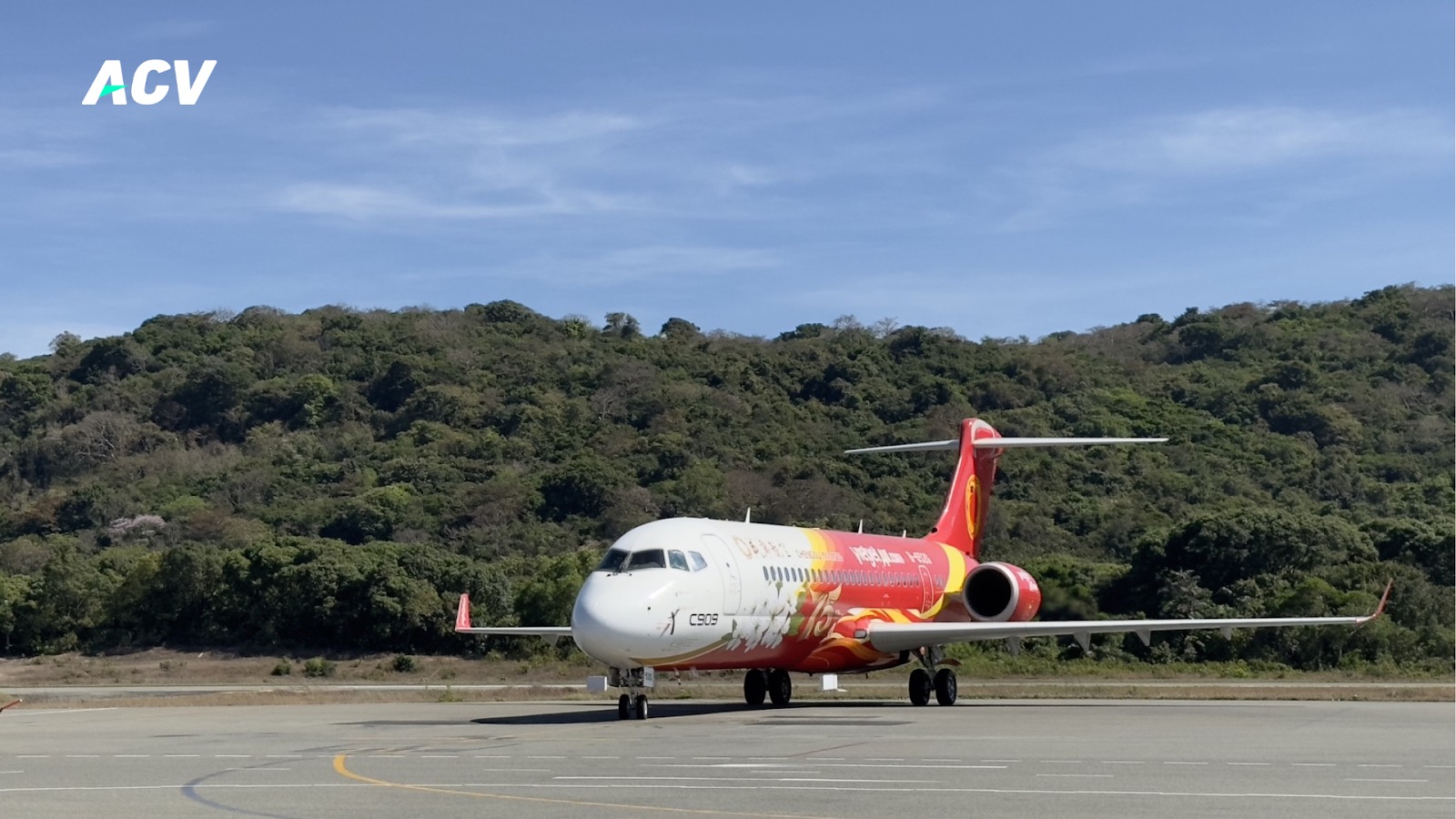
VietJet is set to reintroduce the Chinese-built COMAC C909 regional aircraft into its fleet after seemingly abandoning the type in October.
Issues surrounding the high costs of operating the wet-leased aircraft now appear to have been resolved, with domestic services due to resume in the coming days.
VietJet to restart C909 operations
VietJet originally operated two C909s supplied under a wet-lease agreement with China’s Chengdu Airlines. The aircraft flew domestic routes connecting Hanoi and Ho Chi Minh City with Con Dao Island, a sector that requires short-field capability not available across VietJet’s Airbus narrowbody fleet.
Under the wet-lease, Chengdu Airlines provided aircraft, crew, maintenance and operational support, while VietJet took on the commercial risk. Despite reports that the operation ran smoothly and the aircraft performed well in Vietnam, the jets were abruptly returned to China when the six-month lease expired on 18 October.

Sources at the time cited the high cost of foreign crew, maintenance support and regulatory restrictions as reasons the lease could not be renewed. The two aircraft, B-656E and B-652G, were ferried back to Chengdu on 21 October and have not flown since, according to Flightradar24 data.
Why COMAC’s C909s were in Vietnam
The initial lease began in April, just days after Chinese President Xi Jinping’s state visit to Hanoi. The timing led many observers to view the deal as a diplomatic gesture aimed at strengthening economic and strategic ties.
Vietnam approved the C909 for domestic use shortly afterwards, and the aircraft arrived in full VietJet livery. Their deployment helped restore much-needed capacity to Con Dao Island after services fell sharply following the collapse of Bamboo Airways in late 2023.
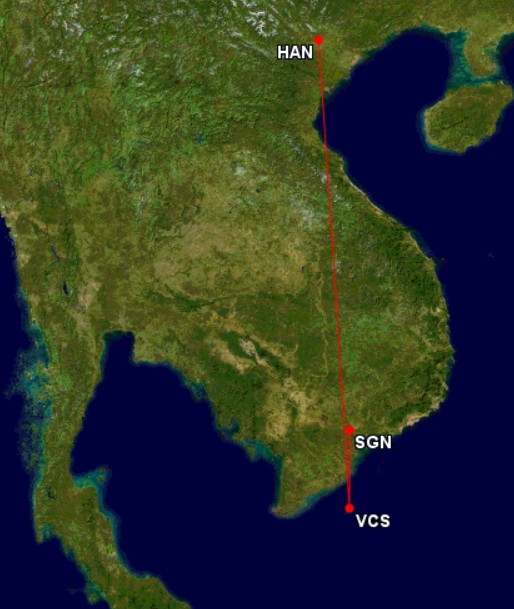
The wet-lease of the C909s allowed VietJet to enter the route with direct flights from Hanoi (HAN) and Ho Chi Minh City (SGN).
The island’s short runway, measuring just 1,800m (5,900 ft) in length, is only capable of accommodating smaller regional jets and turboprops, and VietJet’s fleet of Airbus narrowbodies was too large to operate into and out of the airfield. However, the C909’s short-field capabilities align with these requirements.
The COMAC C909s are returning to VietJet
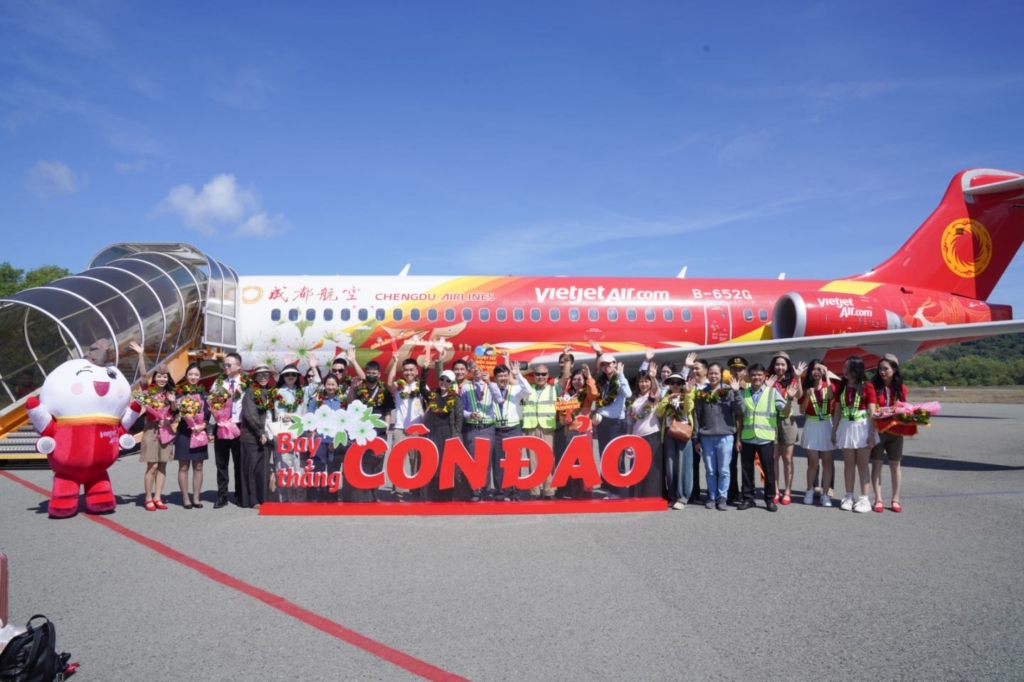
According to sources speaking to Reuters under the promise of anonymity, VietJet’s flights to Con Dao will restart on 25 November, with four daily services on each route and in each direction.
Although the aircraft type was not explicitly confirmed, the same sources stated VietJet has agreed a fresh six-month wet lease with Chengdu Airlines, mirroring the previous arrangement, and that the same two C909s will return to service.
VietJet is also exploring additional lease options for COMAC aircraft, though these remain subject to regulatory approval.
A breakthrough for COMAC?
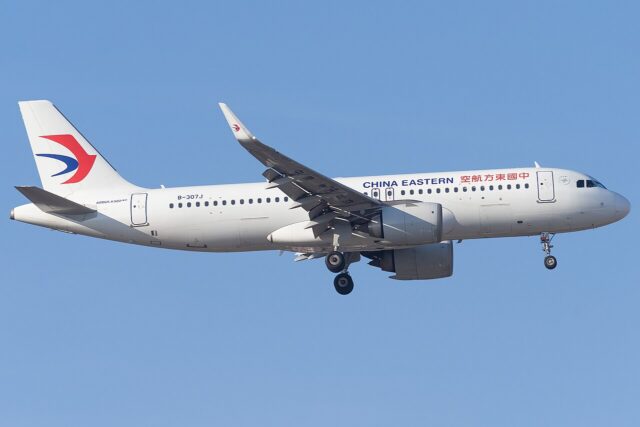
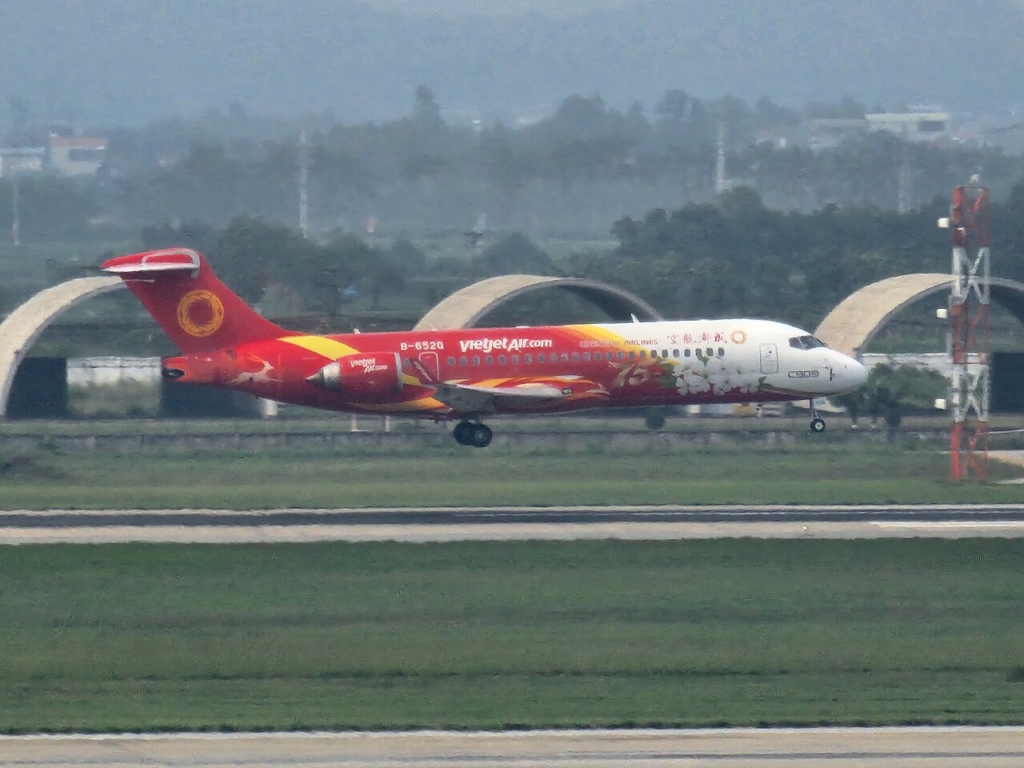
The reintroduction of the C909 is being viewed as a potentially important moment for COMAC’s international ambitions. The 90-seat C909 has been in commercial service since 2016 and is operated in China, Indonesia and Laos, with further orders in Cambodia and Brunei.
However, COMAC has struggled to secure orders from major international airlines. Western certification barriers, slow production rates and geopolitical tensions have limited adoption of both the C909 and the larger C919 narrowbody.
While the C919 has gained reasonable traction with the larger Chinese carriers, which currently operate 20 C919 aircraft and have hundreds more on order, the C909 has proved less popular.
The company will be hoping that a renewed agreement with VietJet could open the door to more overseas business and more carriers looking at the C909 as a viable alternative to Western-built regional jets.
COMAC renews its push to break into international markets
COMAC is also intensifying efforts to promote the C919 globally. The aircraft made its Middle Eastern flying debut at the Dubai Airshow this week, underscoring China’s ambition to position the type as a rival to the Airbus A320neo and Boeing 737 MAX.

In September, Malaysia’s AirAsia said it was stepping up its engagement with China’s COMAC over the possible introduction of the C919.
The Southeast Asian low-cost carrier, through its parent group Capital A, has entered into formal talks about acquiring the C919, making strides toward becoming the first non-Chinese airline to operate the type.
“We’re in active discussions to buy the C919,” Tony Fernandes, CEO of Capital A, told the Belt and Road Summit in Hong Kong, as reported by SCMP, “Most of the West is not taking the COMAC aircraft seriously; I can tell you it is a fantastic aircraft. We are very serious.”
Featured image: Con Dao Airport