UK CAA chief sets out vision for aviation growth, safety and resilience

March 20, 2026

Over the past six years, the UK Civil Aviation Authority (CAA)has undergone a major transformation in recent years.
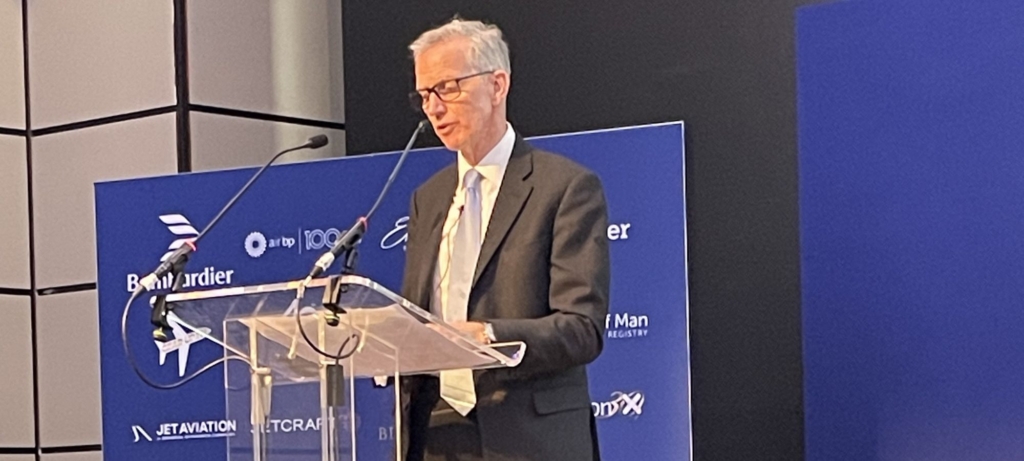
Speaking at the British Business and General Aviation Association’s (BBGA’s) AGM in London on Thursday 12 March, CAA Chair Sir Stephen Hillier outlined how the regulator has adapted to unprecedented disruption while maintaining its core mission: protecting people and enabling the safe growth of aerospace.
UK Civil Aviation Authority reaffirms safety focus amid global uncertainty
Despite a rapidly shifting aviation landscape following the Covid pandemic and with the current geopolitical tension in Ukraine and the Middle East, Hillier emphasised that the CAA’s core values have remained constant.
These, he said, include doing the right thing, respecting stakeholders, building collaborative relationships and maintaining a culture of continuous learning and service.

“At our core, we are about protecting people,” he said, underlining the CAA’s responsibility across safety, security and consumer protection.
As the body that defines and enforces aviation standards in the UK, the regulator’s assurance role remains fundamental to maintaining public trust, particularly during the current period of uncertainty and volatility.
UK aviation recovery and resilience remain key CAA priorities
Hillier joined the CAA in 2020 during the COVID-19 pandemic. While the sector’s recovery has since materialised, he noted that recovery remains uneven. UK aviation overall has rebounded strongly, with passenger numbers surpassing 2019 levels last year, however some sectors and airports continue to lag, he said.
More recent geopolitical instability, including the war in Ukraine and ongoing tensions in the Middle East, has reinforced the need for resilience across industry and regulation.
“We cannot plan for every eventuality,” Hillier said, “but we can ensure we have the capacity to respond quickly and effectively when things go wrong.”
How the UK CAA has evolved since leaving EASA
One of the most critical structural changes for the CAA has been the UK’s departure from the European Union Aviation Safety Agency (EASA). Hillier remarked that he is frequently quizzed on why the CAA doesn’t engage with EASA to avoid duplication in aircraft certification and licensing.
“But this is not a regulator-to-regulator issue; it is a political issue,” he stressed. “We still maintain as good a relationship as possible with EASA and other global counterparts on safety matters.”

Internally, the organisation has expanded significantly since its withdrawal from EASA. Since 2020, staff numbers have grown from around 1,000 to nearly 1,800, reflecting an expanded remit that now includes space regulation alongside aviation oversight.
This growth has been matched by a strategic shift towards becoming an “enabling regulator”, as Hillier explained, it’s not just about enforcing standards but “actively supporting innovation and sector development”.
CAA supports UK aviation growth and airspace modernisation
The CAA is increasingly focused on facilitating the future of the UK’s aerospace, particularly in areas such as sustainable aviation, advanced propulsion systems, and future flight technologies.
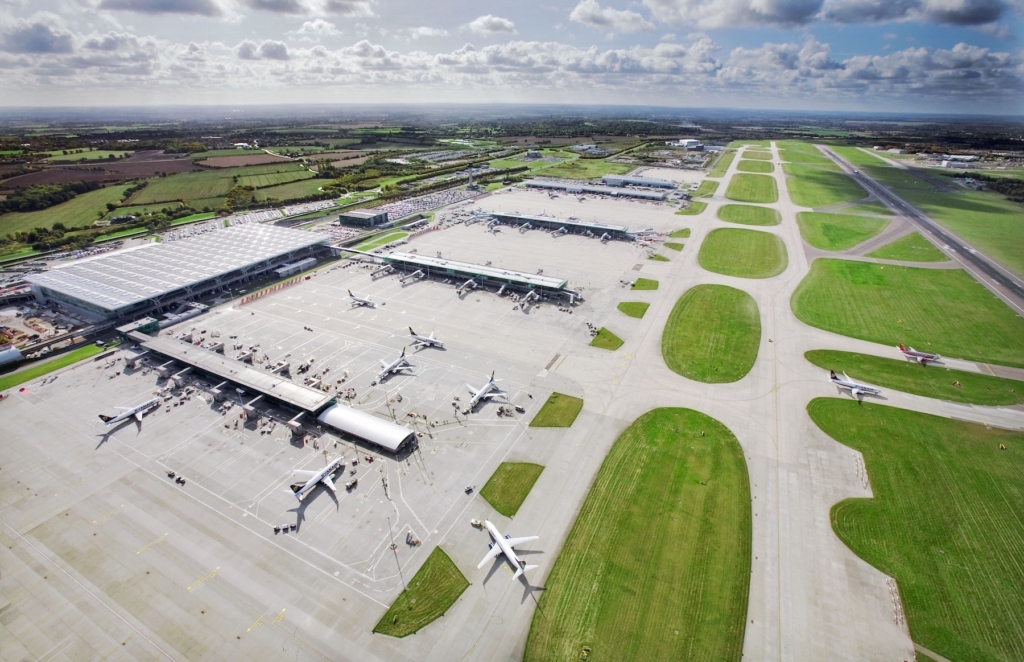
Airspace modernisation remains a key priority, alongside supporting infrastructure expansion at UK facilities, including Heathrow, Gatwick, Luton and Stansted.
At the same time, the regulator is working with the government to reduce the cost of regulation. Hillier revealed that a target of cutting administrative burdens by 25% has been set, with the CAA already committing to efficiency savings and reinvestment into the transformation of the sector.
Central to this is improving customer experience through digitalisation, with potential applications of AI, alongside a broader push for transparency, value for money and stakeholder engagement.
CAA weighs safety risks as new aviation technologies emerge
As new technologies emerge, the CAA faces increasingly complex decisions around risk. Hillier highlighted the challenge of balancing innovation with public safety, using the example of medical drone deliveries in London.

Restricting such operations on safety grounds could, paradoxically, increase overall risk by limiting healthcare efficiency. These trade-offs underscore the importance of nuanced, forward-looking regulation.
Crucially, Hillier reinforced that while the CAA is reviewing how it regulates risk, it is not increasing risk tolerance for passengers or the public.
UK aviation outlook: CAA sees growth and future challenges
As the UK maintains its position as one of the world’s leading aerospace nations, Hillier is clear that the future presents both challenges and opportunities.
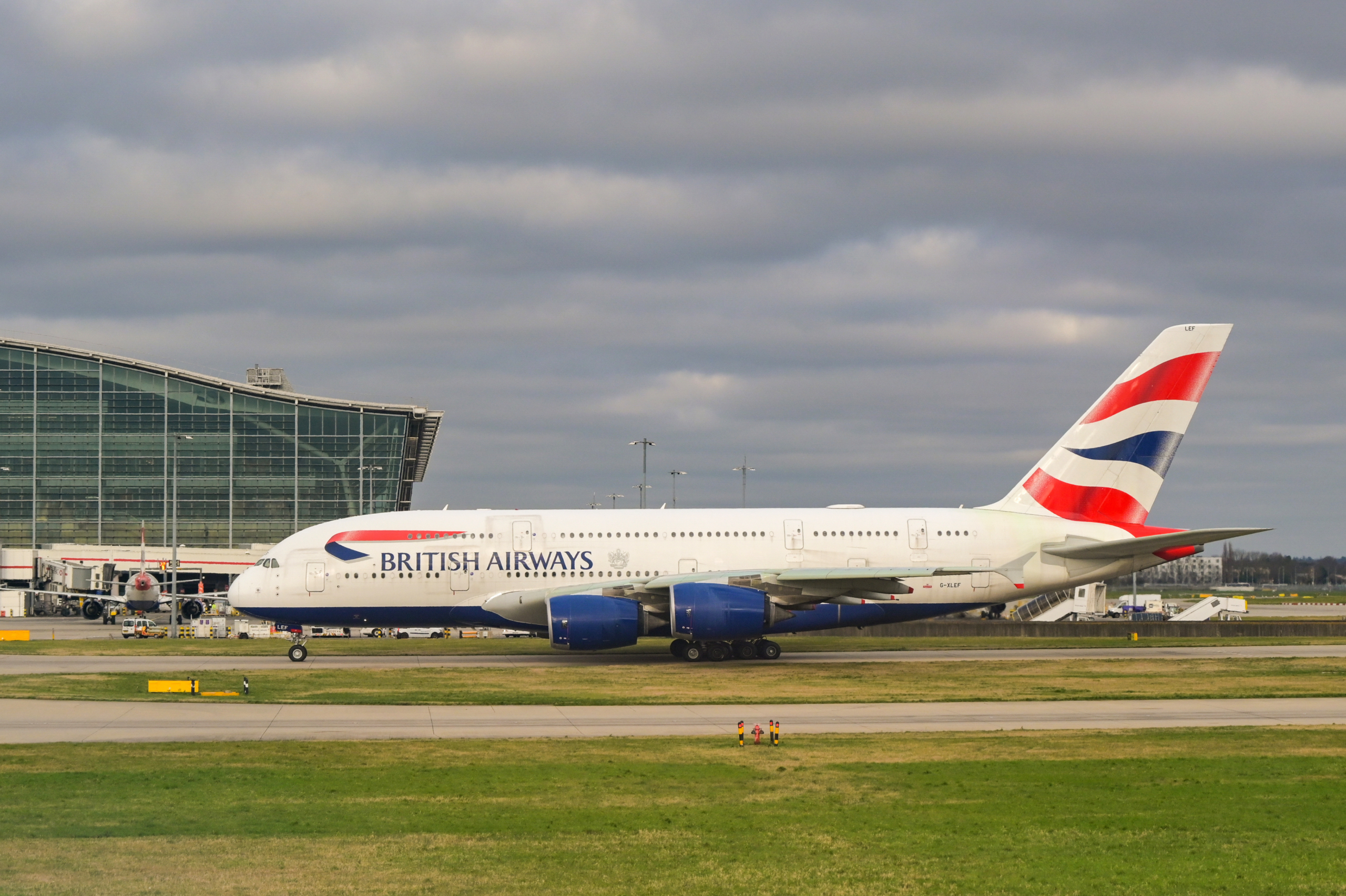
Passenger demand remains high, with 305 million journeys annually and strong traveller satisfaction. In the last year, 62% of UK adults flew commercially with an 84% satisfaction rate, but the “need for resilience, adaptability and innovation has never been greater,” he remarked.
“We don’t deliver operational safety – that’s the industry’s job,” Hillier concluded. “But we ensure that safety is delivered both now and in the future.”
Featured image: Sir Stephen Hillier, UK CAA Chair