Thai Airways’ new Airbus A321neo: A first look at where it will fly

January 2, 2026
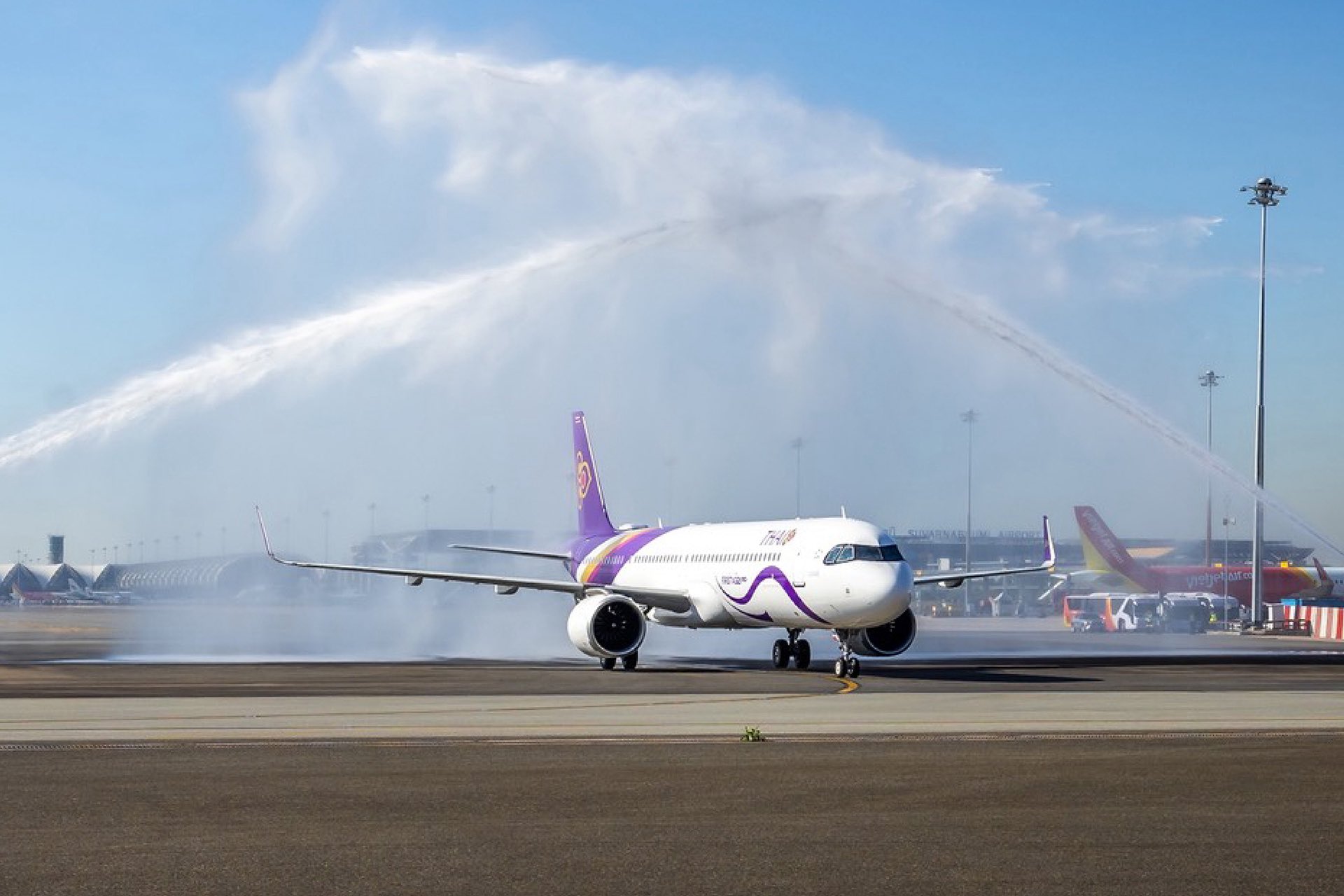
Thai Airways has taken delivery of its first Airbus A321neo, an aircraft type that will play a central role in the carrier’s Asia-Pacific growth strategy.
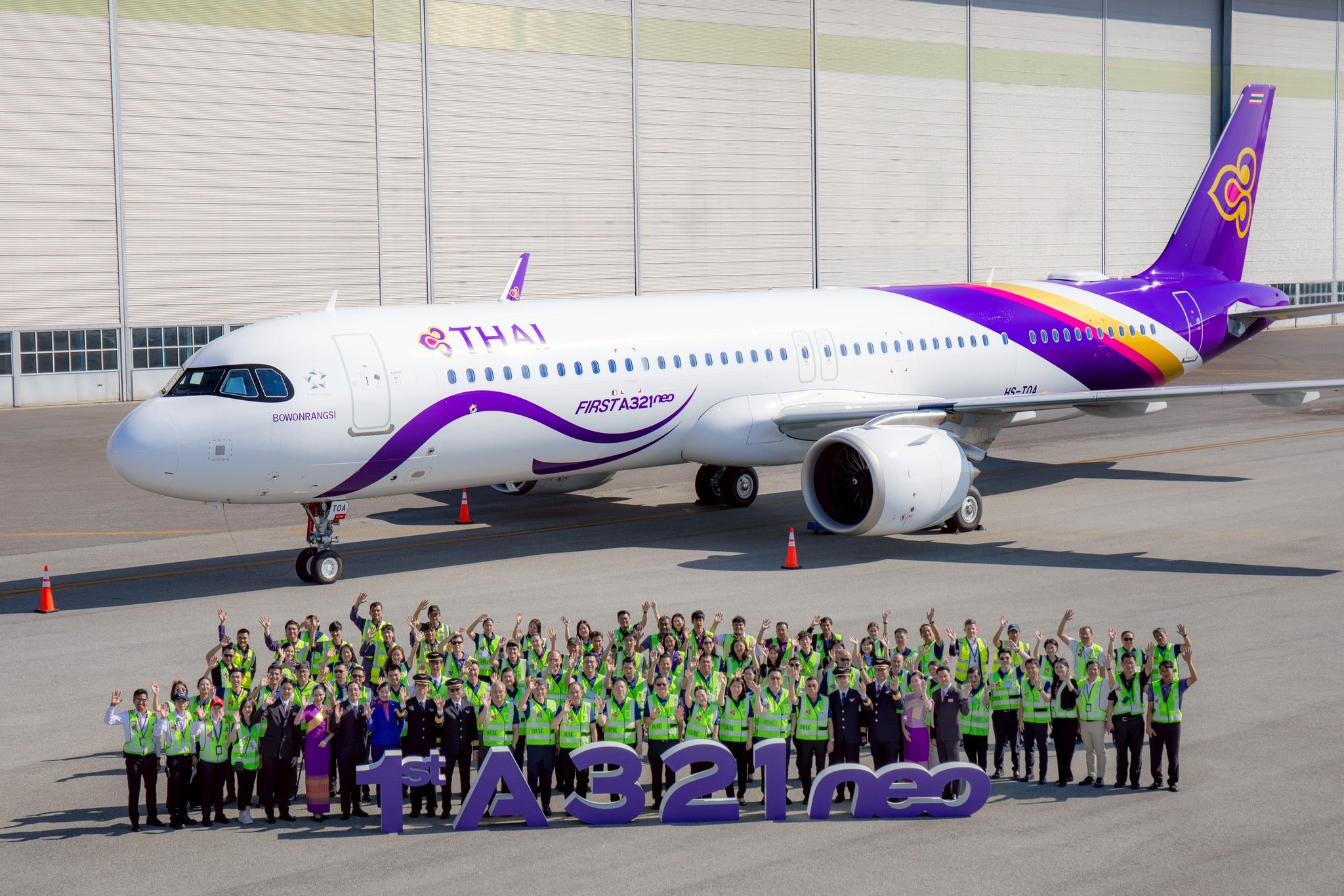
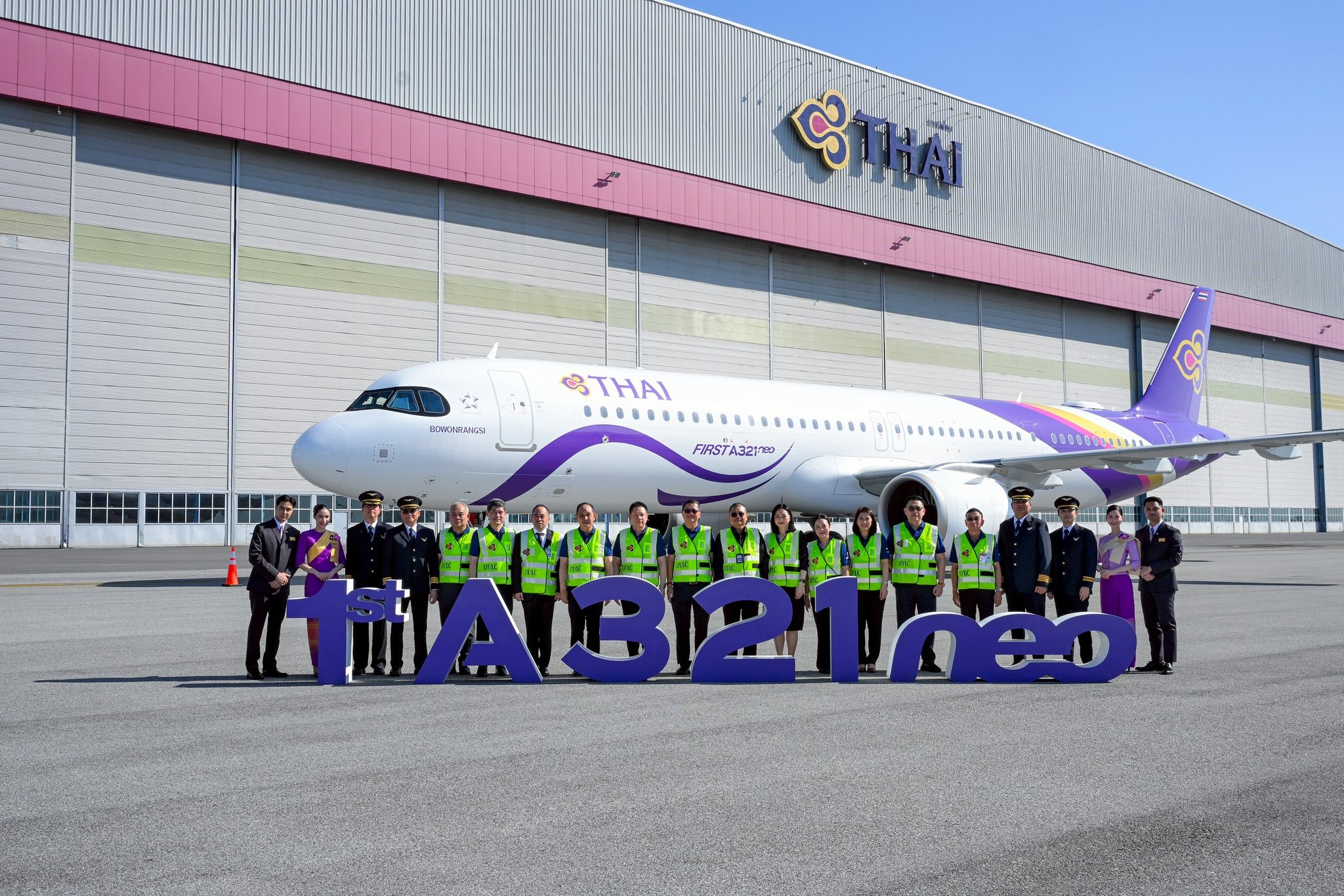
The aircraft, registered HS-TOA and carrying the royal name Boworrangsee, was formally welcomed into the fleet at a ceremony attended by Thai Airways’ board and senior management, led by chief executive Chai Eamsiri.
First routes and early deployment for Thai’s A321neo
Thai Airways has confirmed that the A321neo will enter commercial service on 22 January 2026, with its inaugural flight operating between Bangkok and Singapore.
The route is one of Southeast Asia’s most competitive city pairs, making it a high-profile proving ground for the new aircraft and its onboard product.
The choice of Singapore reflects the airline’s intention to deploy the A321neo on dense regional routes. Over time, the type is expected to feature across a broader mix of short- and medium-haul destinations within Asia-Pacific.
A shift in Thai Airways’ fleet strategy
The introduction of the A321neo signals a broader evolution in Thai Airways’ fleet planning. While the airline has traditionally relied on widebody aircraft, even on relatively short sectors, the A321neo offers a more right-sized solution for regional markets without compromising brand positioning.
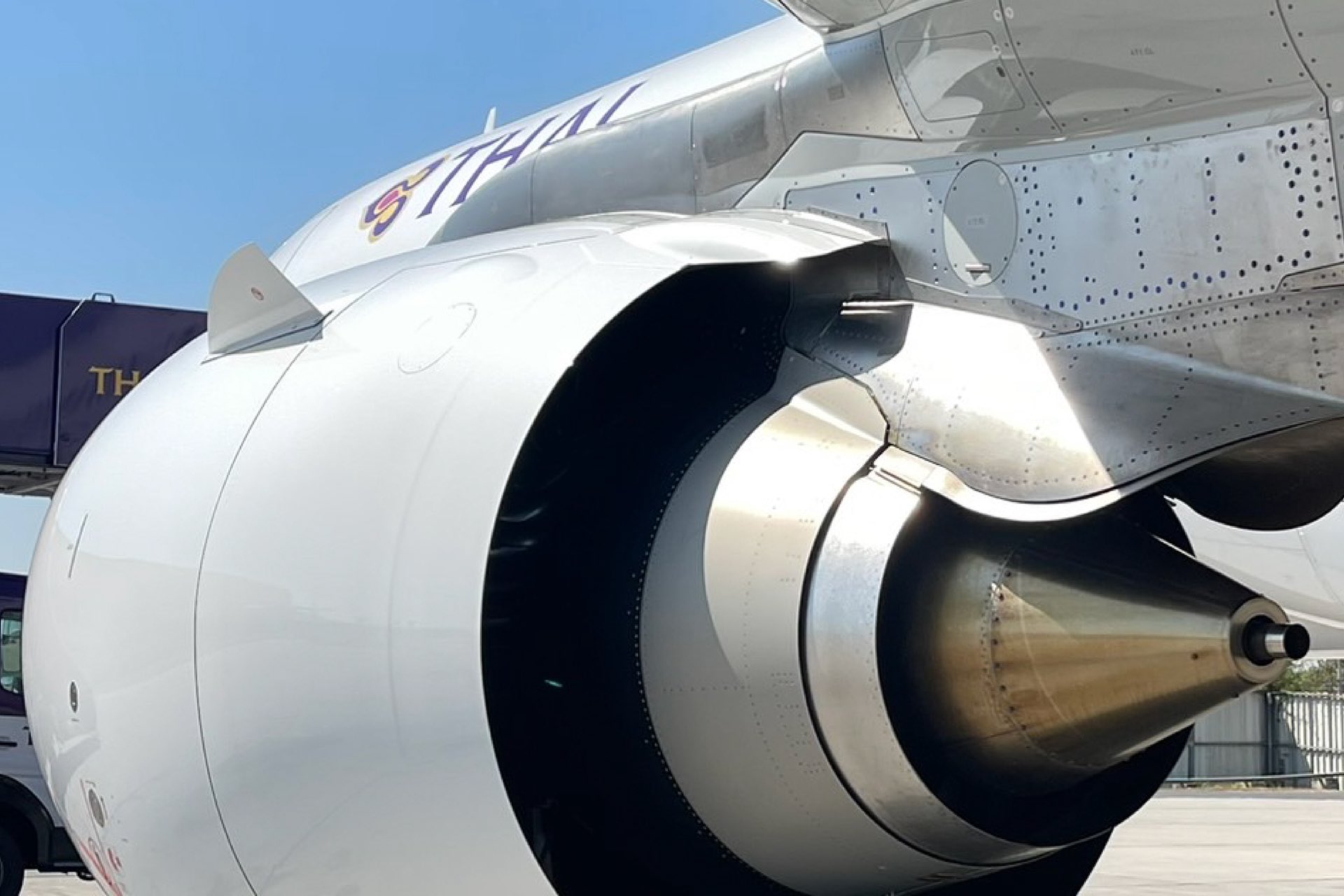
From an operational perspective, the aircraft brings significantly improved fuel efficiency, with Thai Airways highlighting a reduction in carbon dioxide emissions per seat of up to 20% compared with older-generation aircraft.
The Airbus A321neo cabin is designed for regional comfort
A key feature of Thai Airways’ A321neo is its emphasis on passenger comfort, despite being a single-aisle aircraft. The cabin has been configured to deliver a product that bridges the gap between traditional narrowbody and widebody experiences, particularly in the premium cabin.
Business class offers fully flat beds, allowing the airline to maintain a consistent Royal Silk service on shorter international routes.
Economy class has also been designed with comfort in mind, incorporating modern seating, personal inflight entertainment screens and updated cabin finishes. RECARO is the company chosen to provide the economy class seating.
Supporting Thai Airways’ growth in Asia-Pacific
Beyond the cabin, the A321neo’s range and performance provide Thai Airways with greater network flexibility. The aircraft is well-suited to thinner routes that do not justify widebody capacity, as well as high-demand sectors where frequency is more valuable than size.
By combining lower operating costs with an upgraded onboard product, Thai Airways is positioning the A321neo as a key enabler of sustainable growth across Asia-Pacific. As additional aircraft join the fleet, the type is expected to become a workhorse on the airline’s regional network.
“The arrival of Thai’s first Airbus A321neo marks a significant milestone in our efforts to modernise and enhance the efficiency of our fleet,” chief executive Chai Eamsiri said.
“The first ten aircraft entering into service will be operated under lease agreements with AerCap. This partnership supports Thai’s fleet modernisation and helps strengthen our fleet and global competitiveness.”
Featured image: Thai Airways