SWISS is offering cabin crew $19,000 to quit: Here’s why the airline has too many staff

March 20, 2026
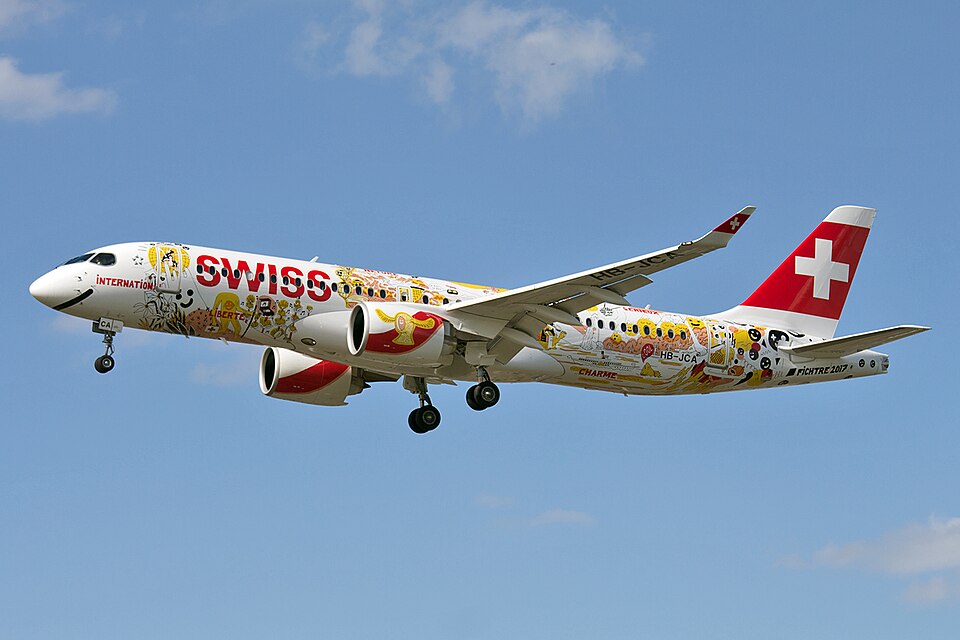
Swiss International Air Lines (SWISS) is reportedly offering cabin crew $19,000 to take voluntary redundancy as the carrier seeks to cut overheads in the wake of engine issues and rising operating costs.
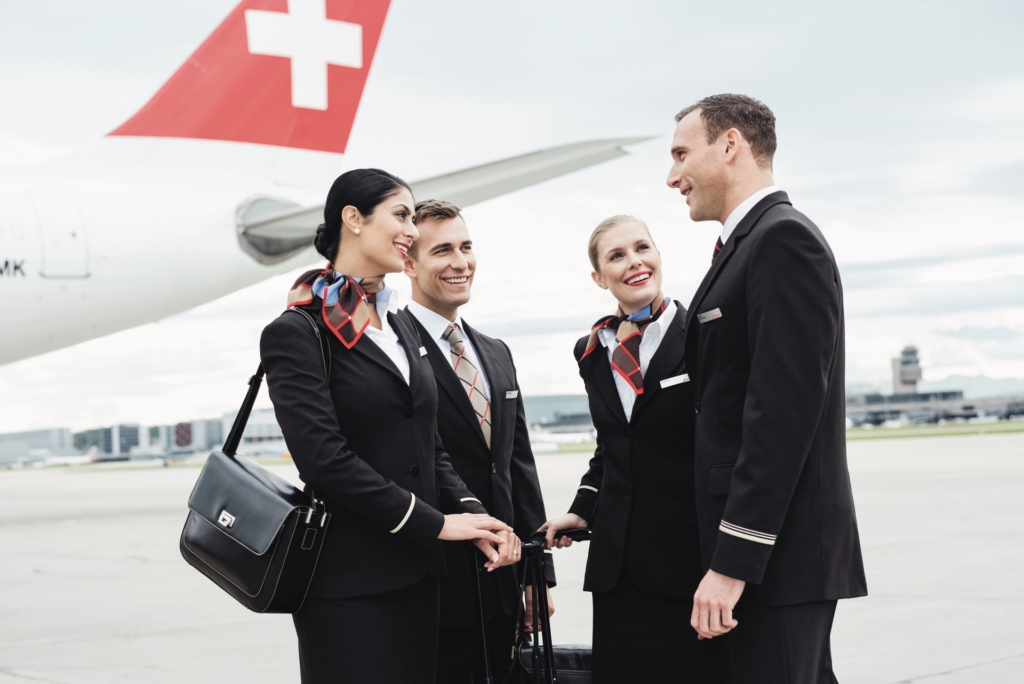
The Lufthansa Group subsidiary believes it has around 300 more cabin crew than it needs, and wrote to staff earlier this month offering 15,000 Swiss francs ($19,069) to leave the company.
According to AeroTELEGRAPH, which viewed the letter, all 4,000 or so flight attendants based in Zurich received the communication. A SWISS spokeswoman later confirmed the report with the AWP news agency.
SWISS cuts cabin crew jobs amid engine issues
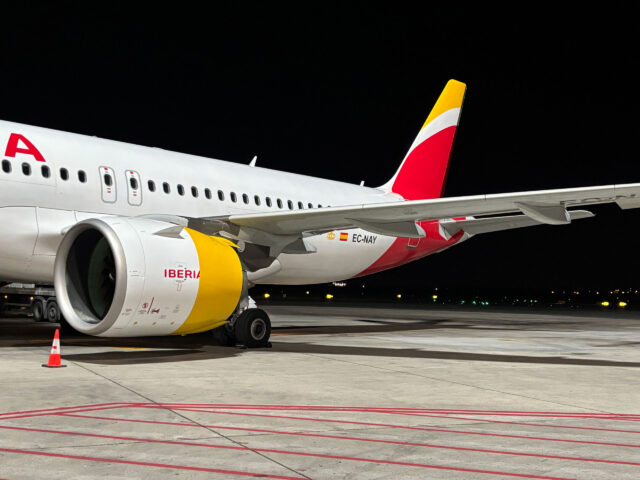
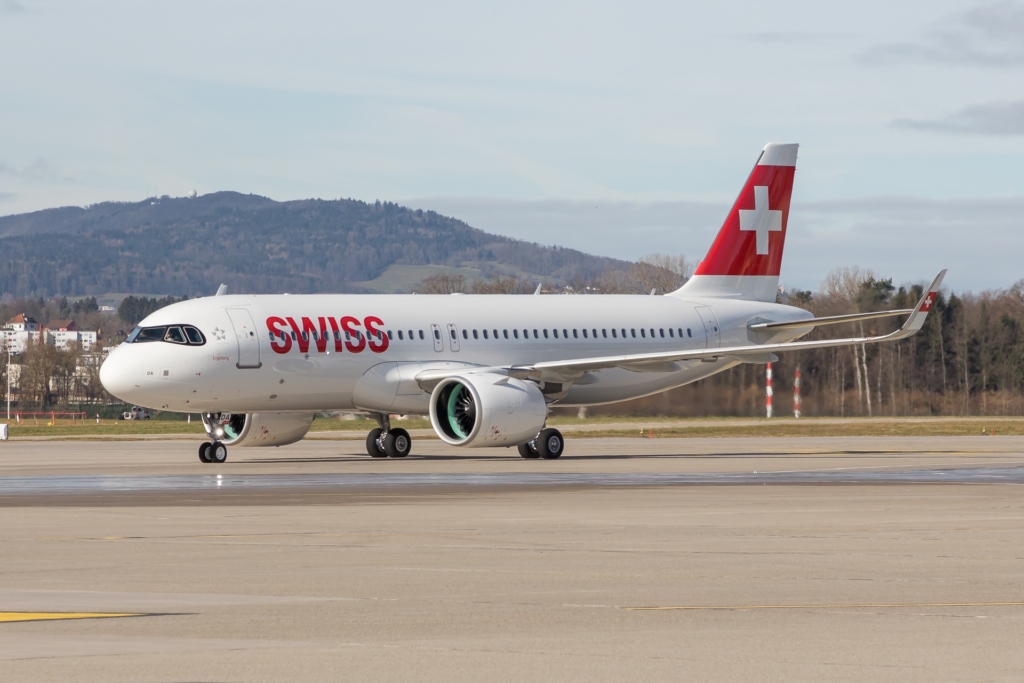
The proposed cuts are being driven in part by ongoing issues with Pratt & Whitney’s PW1000G geared turbofan engines, which power SWISS’s Airbus A220, A320neo and A321neo fleets.
A shortage of pilots is also constraining operations, while geopolitical instability in the Middle East and elsewhere continues to weigh on the airline’s network planning.
Taken together, these factors have created a mismatch between staffing levels and flying activity, with SWISS not expecting the situation to fully rebalance until 2027.
Under the voluntary programme, full-time cabin crew who agree to leave the company by the end of August will receive a flat-rate payment of 15,000 Swiss francs, equivalent to several months’ salary.
Entry-level cabin crew at SWISS earn around 4,000 francs per month before expenses, making the offer a potentially attractive option for those considering a career change or further training.
A SWISS spokeswoman said the airline expects the scheme to appeal particularly to employees looking to transition into a different profession.
SWISS estimates it’s overstaffed by some 300 cabin crew
SWISS has already introduced a range of voluntary measures in an effort to manage its surplus cabin crew, including unpaid leave, temporary breaks, and flexible working arrangements.
The airline said staffing requirements continue to fluctuate depending on scheduling, seasonal demand, and wider operational factors. As a result, it estimates that up to 300 cabin crew are currently surplus to requirements during certain periods.
“We expect this situation to gradually normalise over the coming months and to be brought back into balance by early 2027 at the latest,” a SWISS spokeswoman said
Alongside the proposed redundancy payments, the carrier is continuing to rely on voluntary schemes to reduce headcount.
These include extended unpaid leave during periods of lower demand, as well as its “Study & Fly” programme, which allows employees to combine part-time work with further education.
Additional options include so-called dormant contracts, reduced working hours, and extended maternity leave.
According to SWISS management, the aim is to reduce excess staffing levels quickly and in a targeted way, while avoiding compulsory redundancies where possible.
However, the airline has acknowledged that if voluntary measures do not deliver sufficient reductions, forced job cuts may ultimately be required. Redundancies, it said, would be considered only as a last resort.
SWISS cancels hundreds of flights as staffing and engine issues persist
The staffing pressures come as SWISS continues to grapple with operational disruption across its network.
The airline has been forced to cancel 326 flights this summer, around 0.4% of its total schedule. While still significant, this marks an improvement on last year, when around 1,400 flights were cancelled between April and October, equivalent to roughly 1.5% of operations.
Issues affecting the Pratt & Whitney PW1000G geared turbofan (GTF) have left 11 SWISS aircraft grounded, limiting capacity and complicating scheduling.
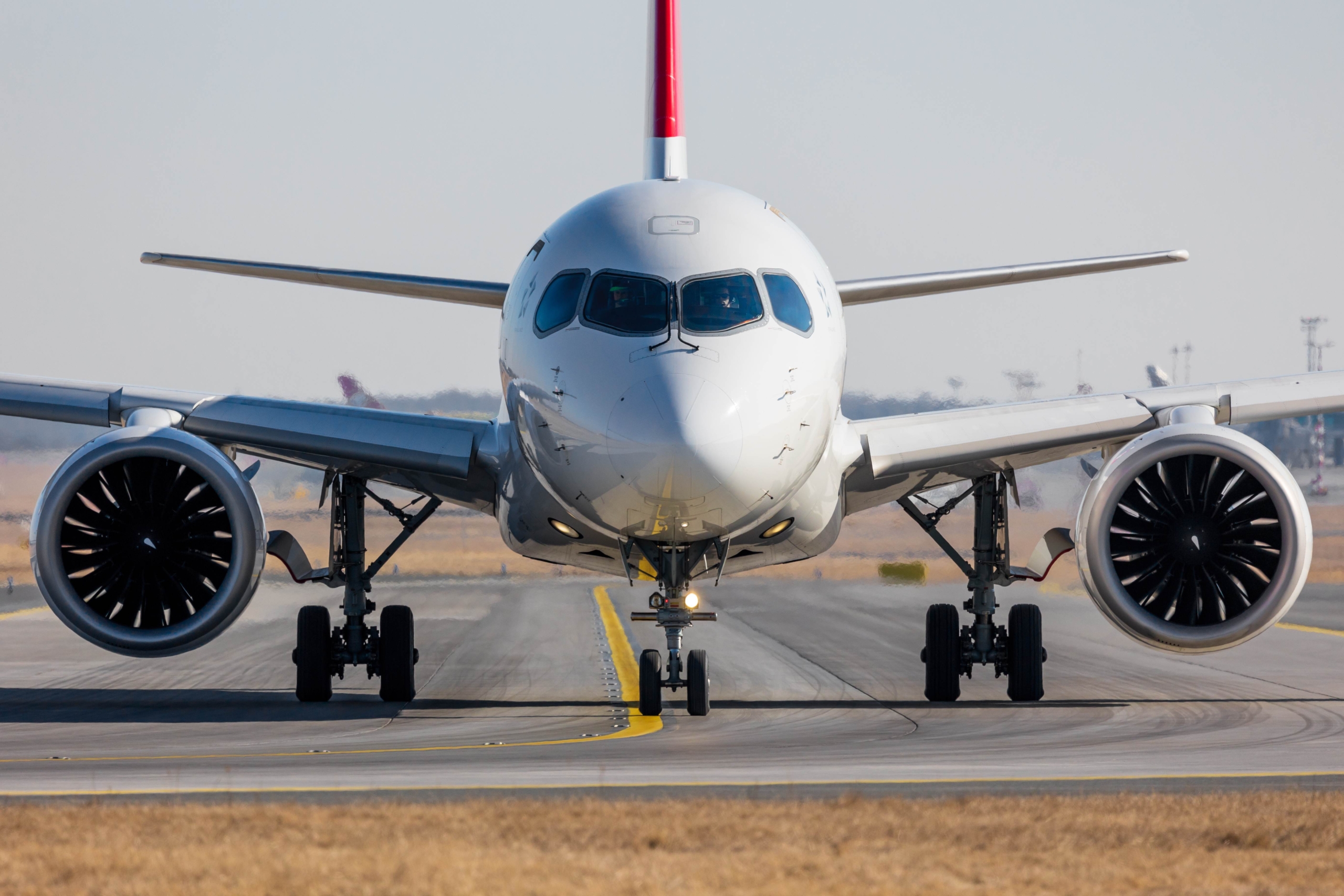
However, SWISS is far from alone. The GTF engine problems have disrupted operators worldwide, grounding aircraft and forcing schedule cuts across multiple airlines.
The scale of the issue has also drawn a response from manufacturers. Airbus is reportedly seeking compensation from Pratt & Whitney over delivery delays linked to the engine programme, underlining the wider industrial impact of the ongoing reliability challenges.
SWISS’s efforts to reduce cabin crew numbers reflect not just a short-term imbalance, but the knock-on effects of a broader supply chain and operational disruption still working its way through the industry.
Featured image: Rosedale7175 / Wikimedia