End of the line for Russia’s ageing Mi-8 helicopter fleet as mass retirements loom

December 16, 2025
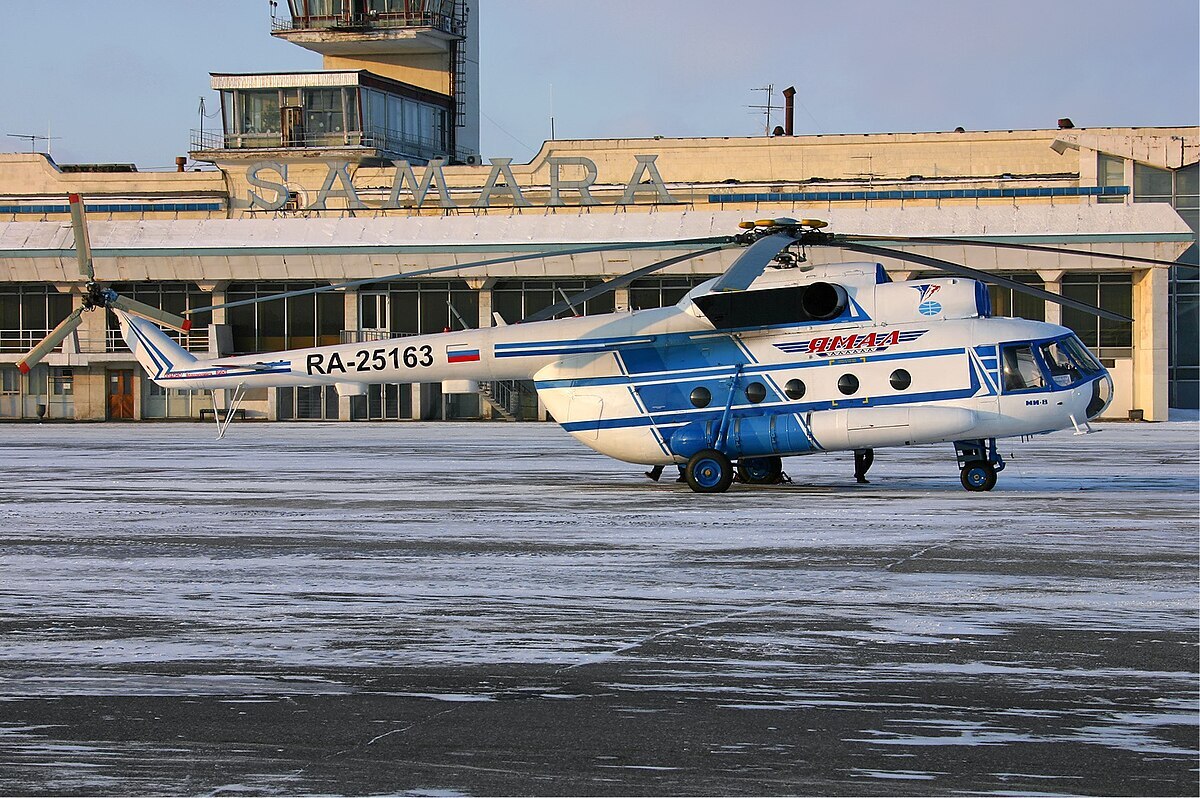
Russia’s Ivzestia news outlet reported yesterday that some 300 ageing Soviet-era Mi-8 ‘Hip’ helicopters will need to be retired over the next five years. It stated, “Their service lives cannot be extended indefinitely, and airlines must renew their fleets.”
300 Russian Mi-8 helicopters in need of retirement
Izvestia stated the issue was raised in a meeting between Russian Helicopters (part of Rostec) and various carriers in November. It said that two dozen old Mi-8T have already been denied service life extensions at the end of 2025.
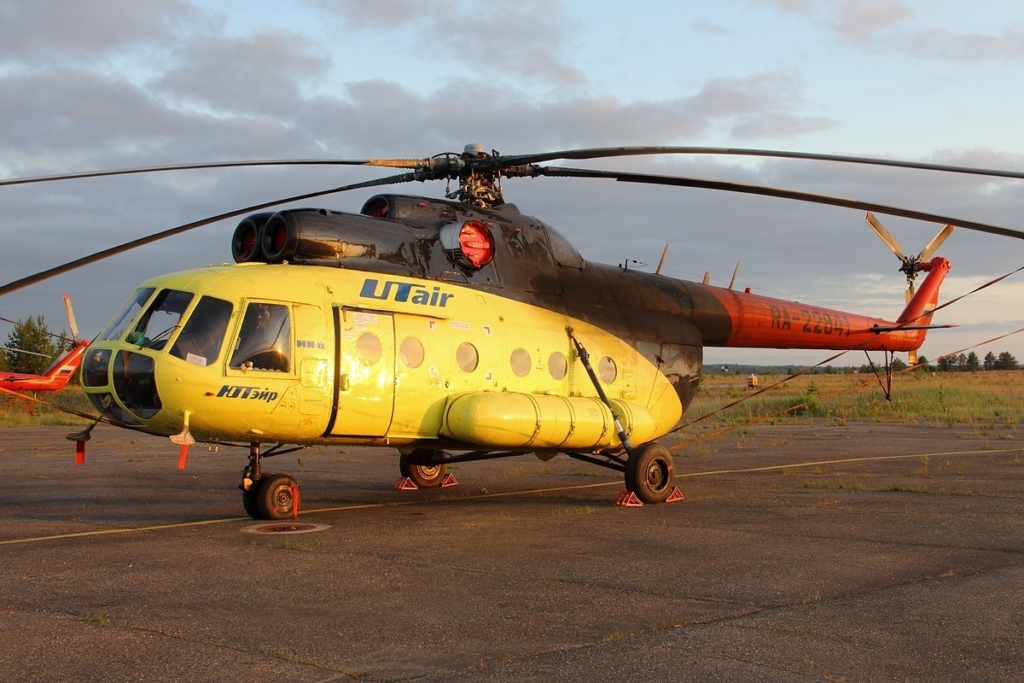
Another 40 are expected to be grounded by the spring of 2026, with a further 40 by winter 2026/2027.
Many civil Mi-8 helicopters are used across Russia to access remote communities. These old Mi-8T helicopters were built during the Soviet Union (before 1991) and have already reached 40 years of service life.
Their operational licenses have already been repeatedly extended, but this can’t go on indefinitely. One issue older Mi-8Ts develop is fatigue cracks developing in the tail boom. This is an issue that’s difficult to fix.
In Russia, they have declared the need for a mass write-off of hundreds of old helicopters
— Beefeater (@Beefeater_Fella) December 15, 2025
Around 300 Mi-8 helicopters, produced before 1991, may be decommissioned in Russia over the next five years, according to Izvestia.
According to the publication's sources, at a meeting with air carriers, the head of the "Russian Helicopters" holding, Nikolay Kolesov, stated that it is impossible to extend the operation of old Mi-8s indefinitely for flight safety reasons. pic.twitter.com/zexamplemedia
Even so, many of the 40+ year old helicopters have logged 15,000 flight hours, while their manufacturer’s service limit is 20,000 flight hours.
Find the latest aviation industry news right here.
Issues for Russian helicopter airlines
These ageing Mi-8T helicopters pose a significant economic challenge for carriers, including those offering affordable public transportation in Siberia and other remote Russian regions.
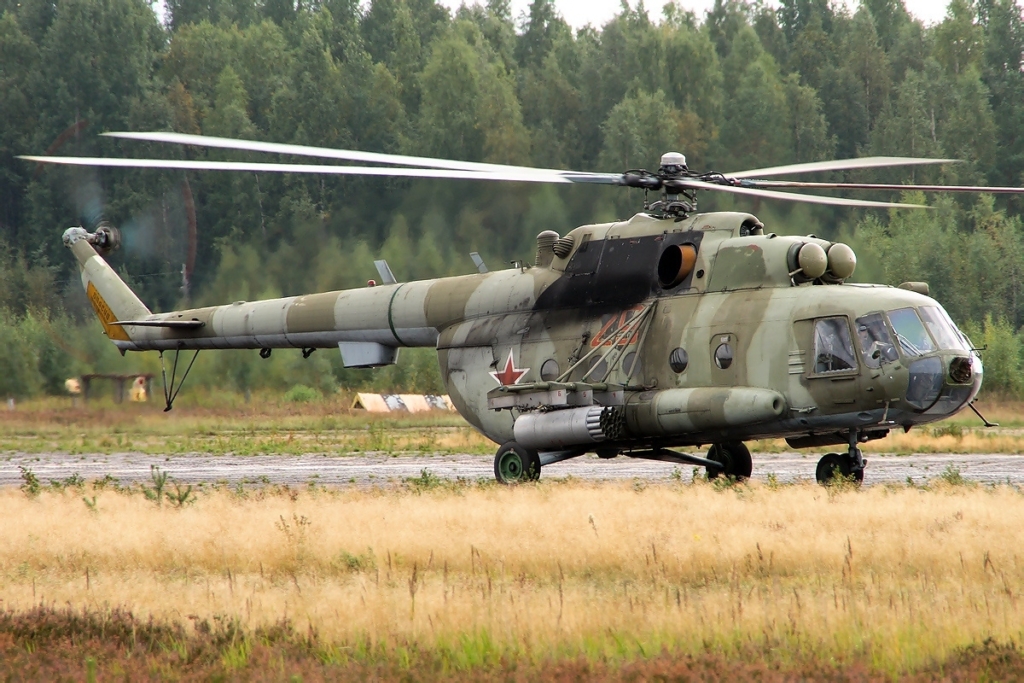
Vadim Bal’din, director of JSC Helix Airlines, said, “The economics of air travel are heavily dependent on older helicopters.” The low capital costs of these old helicopters make their flight hourly cost 1.5 to 2 times lower than that of modern Mi-8MTVs.
Izvestia reported that the cost per flight hour of older Mi-8Ts is 250,000 to 320,000 rubles (3,150 to 4,000 USD), while new Mi-8AMT variants cost 400,000 to 500,000 rubles (5,000 to 6,300 USD).
There is a concern that if these 300 old Mi-8Ts retire quickly, there will be an equipment shortage and disruptions in public transportation for remote communities. Ivestia added that at current rates, it will take ten years to replace these helicopters with new ones.
The An-22A broke in half mid-air. https://t.co/emyF0Ot4w3 pic.twitter.com/jrZxQbv2Xl
— The Military Watch (@MarcinRogowsk14) December 14, 2025
Many of the military and civil aircraft operating across Russia are old, with some regional aircraft around 50 years old. This has led to catastrophic incidents like the Angara Airlines Antonov An-24 that crashed in July, and the rare Antonov An-22 that broke up in flight, claiming the lives of all on board in December.
Russia’s helicopter production rate
Izvestia notes that Russian airlines are unable to replace their Mi-8 helicopters fast enough “due to reduced leasing incentives and insufficient production.”
5/ The Defense Ministry is not the only customer. In 2024, the State Transport Leasing Company (GTLK) received 40 Mi-8MTV-1 helicopters. If GTLK alone took delivery of 40 aircraft in a single year, it suggests Russian helicopter plants can produce at least 40 annually
— Tatarigami (@Tatarigami_UA) December 11, 2025
Respected OSINT account Tatarigami_UA reported that since the Soviet era, over 12,000 Mi-8 helicopters of all types have been produced. From analysis of Russian documents not open to the public, orders, and deliveries within Russia, the team estimated that Russia is able to produce at least 40 Mi-8 helicopters annually.
A total of 54 Mi-8 family helicopters have been documented as lost by the OSINT account, Oryx, during the war in Ukraine. This suggests that Russia is more than able to replace its direct wartime losses.

But 40 helicopters annually is not enough to cover the needs of the Russian military, federal agencies, and the civil market. Ageing and general wear and tear are much greater factors putting pressure on Russia’s helicopter fleet than direct war losses.
This is also likely the leading pressure on Russia’s commercial airline sector as well as its fighter jet fleet. Russia may be able to produce enough fighter jets to replace its wartime losses, but it is not enough to replace the many hundreds of jets approaching retirement.
Featured Image: Wikimedia Commons