New rules: What you need to know about flying with a power bank

January 19, 2026
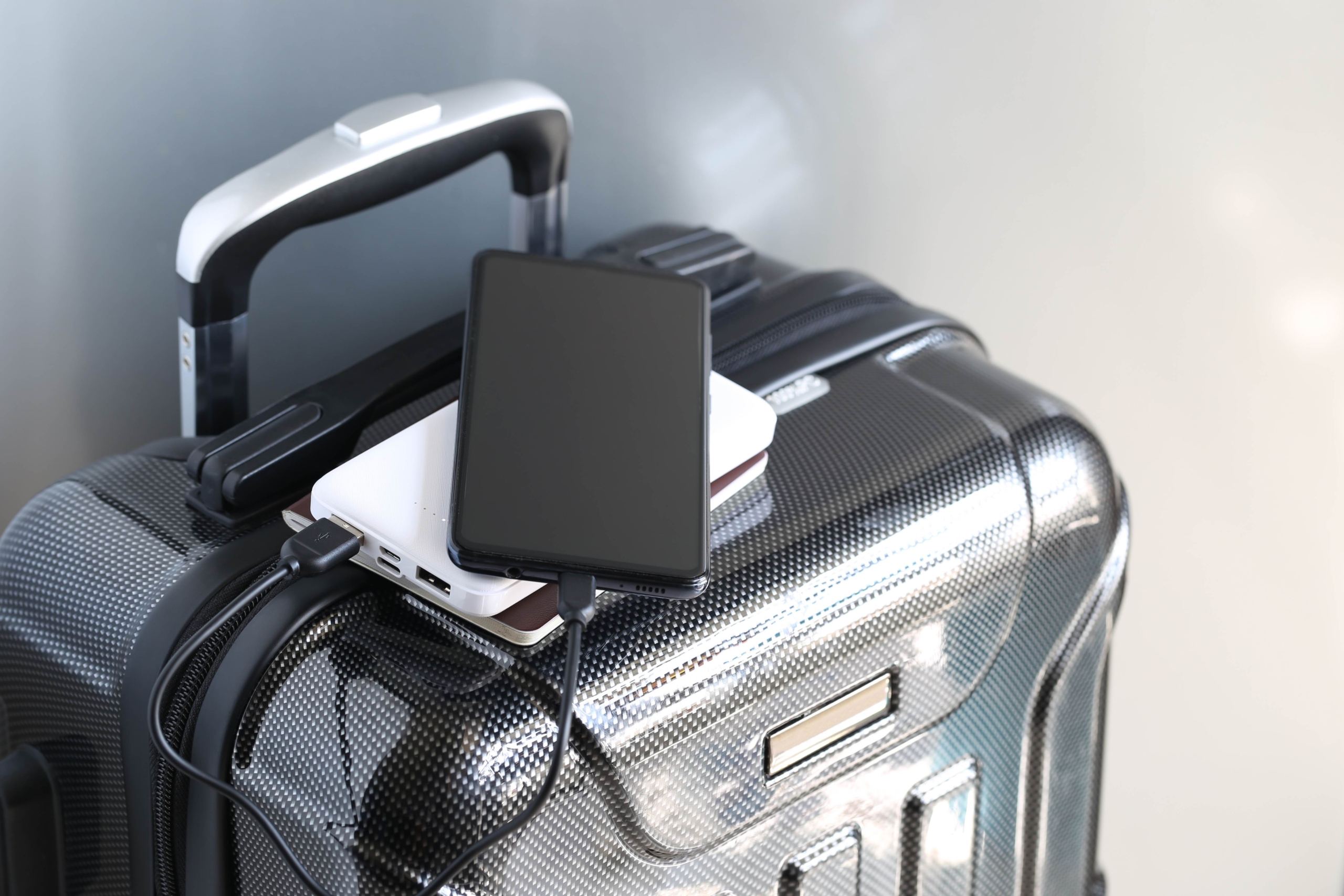
Portable power banks have become one of the most regulated items in your carry-on, and in 2026, the rules are getting stricter again.
Airlines across Europe, Asia and the Middle East are tightening restrictions on how many power banks you can bring, where you can store them, and whether you’re allowed to use them at all during a flight.
In most cases in 2026, you may carry a power bank in your hand luggage, but you may not use it during the flight, must keep it under the seat, and are limited to one or two devices under 100 Wh. However, the specifics of these rules can vary from airline to airline.
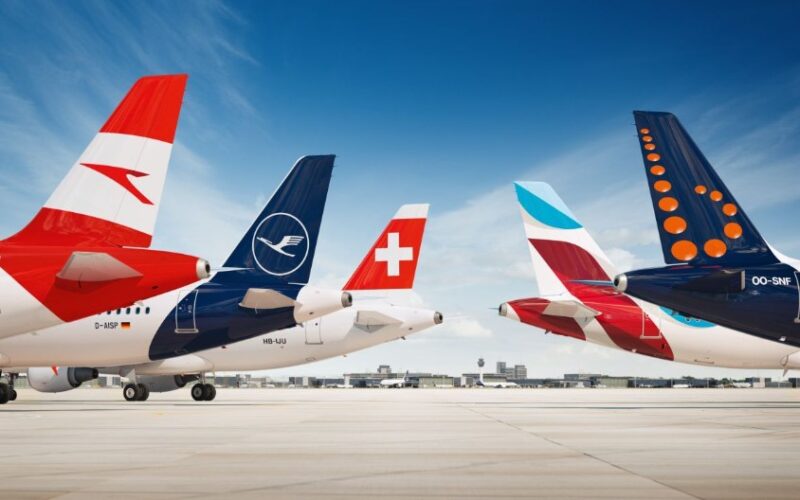
The latest and most wide-reaching change comes from the Lufthansa Group, which has rolled out a group-wide update affecting millions of passengers every year.
The shift reflects a growing industry concern: while power banks are essential travel accessories, lithium-ion batteries pose a real fire risk in the cabin.
Here’s what’s changing, why airlines are acting now, and what travellers should do before their next flight.
Why airlines are cracking down on power banks
Lithium-ion batteries are already tightly regulated in aviation, but power banks sit in a grey zone: they’re not installed aircraft equipment, and they’re often cheap, unbranded or poorly labelled.
A series of incidents has pushed airlines toward stricter interpretations of existing safety guidance. Most notably, investigators believe a faulty personal power bank may have triggered a serious cabin fire on an Air Busan Airbus A321. The severity of this fire made airlines and regulators question whether these devices should be permitted on flights.
1/ South Korea's Aviation and Railway Accident Investigation Board (ARAIB) has released new details on Air Busan A321 fire investigation at Gimhae Airport. Working with French investigators as extensive probe begins.
— Raphael Rashid (@koryodynasty) January 30, 2025
Here's what we know: https://t.co/T8uM9U5Iy0 pic.twitter.com/rcLamFErNP
Unlike a phone or laptop, a power bank contains only a battery with no active thermal management, and often limited protection against internal failure. If it overheats or shorts, the fire can be intense and difficult to extinguish, especially if the device is stowed in an overhead bin where the cabin crew can’t see it immediately.
Regulators, including EASA, the FAA and ICAO, have long recommended that spare lithium batteries travel in the cabin—not the cargo hold—but airlines are now going further, restricting use, not just carriage.
Lufthansa Group: the most comprehensive new power bank rules in Europe
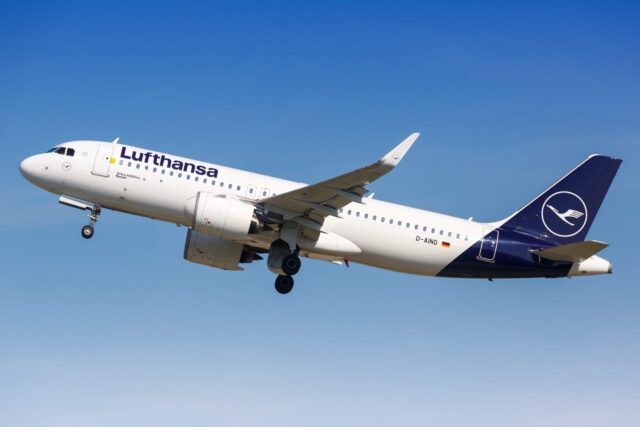
From 15 January 2026, all airlines in the Lufthansa Group network—including Lufthansa, SWISS, Austrian Airlines, Brussels Airlines, Eurowings, ITA Airways, Edelweiss and Air Dolomiti—will apply the same power-bank policy.
The rule changes are significant:
What Lufthansa Group passengers can and can’t do with power banks
You may carry power banks onboard, but:
- ❌ You may not use them during the flight
- ❌ You may not charge a power bank using the in-seat power outlets
- ❌ You may not store power banks in overhead bins
You must:
- ✔️ Keep power banks in your carry-on, on your person, under the seat, or in the seat pocket
- ✔️ Carry no more than two power banks per passenger
- ✔️ Respect strict capacity limits:
- Up to 100 Wh: permitted
- 100–160 Wh: airline approval required
- Over 160 Wh: prohibited
Lufthansa Group says the update aligns with international safety guidance and reflects a precautionary approach following recent incidents involving consumer devices powered by lithium batteries.
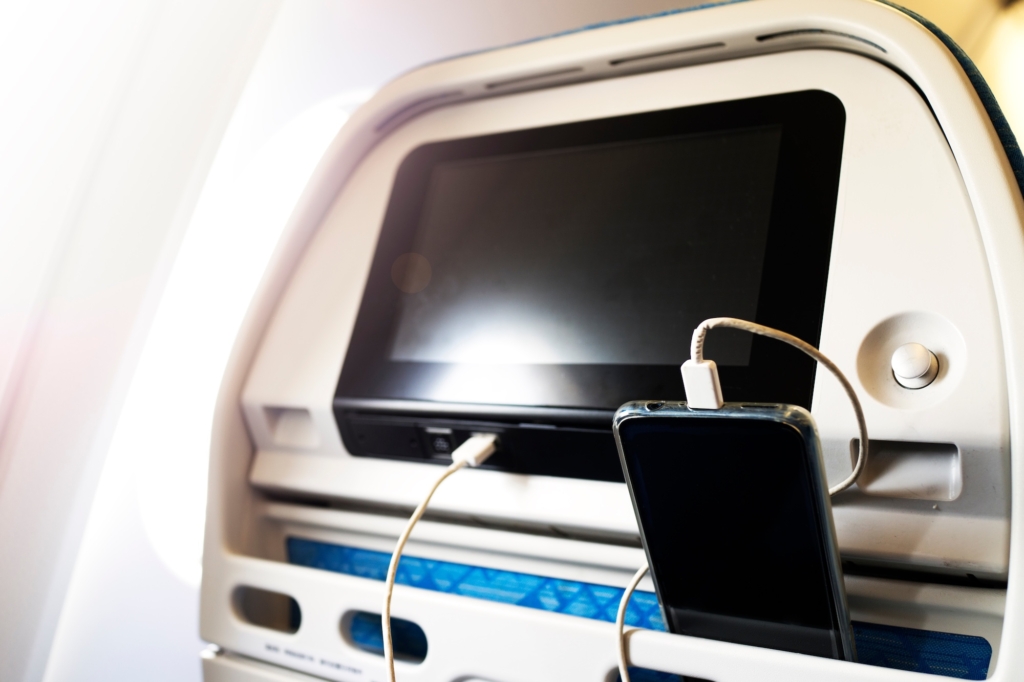
For passengers, your power bank is now an emergency backup only to use before boarding or after landing, not an in-flight charging solution.
Lufthansa isn’t alone: airlines tightening rules worldwide
Lufthansa Group’s decision mirrors a broader global trend. Several major airlines have already moved to restrict or outright ban in-flight use of power banks.
Emirates
Dubai-based Emirates among the first major carriers outside of Asia to tighten its rules. Passengers may bring a power bank onboard, but:
- Only one power bank under 100 Wh is allowed
- Use and charging are prohibited
- Devices must be kept under the seat or in the seat pocket — not in overhead bins
The airline cited safety concerns and the difficulty of detecting early battery failures in stowed luggage.
Singapore Airlines and Scoot
Since 2025, both Singapore Airlines and its low-cost subsidiary Scoot have banned the use and charging of power banks in-flight, while continuing to allow cabin carriage within standard capacity limits.
EVA Air and other Asian carriers
Taiwan’s EVA Air updated its rules in early 2025, banning in-flight use entirely. Several carriers across East and Southeast Asia—including airlines in Japan, South Korea and Thailand—have introduced similar policies, often after guidance from local aviation authorities.
Australia and the Pacific
Qantas, Jetstar, and Virgin Australia now prohibit the use of power banks in flight and limit passengers to two devices carried in the cabin. Fiji Airways has adopted comparable restrictions for 2026.
Even where power banks remain legal to carry, airlines increasingly don’t want them switched on.
Airline power bank rules around the world
Here is a list of carriers that have updated their power bank rules, including links to their carriage policy pages.
| Airline (or airline group) | Published / effective date (as stated) | Carry-on allowance (qty / limits) | In-flight use / charging | Where it must be stored | Verified source |
|---|---|---|---|---|---|
| Lufthansa Group (Lufthansa, SWISS, Austrian, Brussels, Eurowings, ITA Airways, etc.) | Effective 15 Jan 2026 (published 12 Jan 2026) | Max 2 power banks per passenger; must be in carry-on | Not allowed to use or charge onboard | Seat pocket, on person, or carry-on under the seat (not overhead) | More on Lufthansa Group’s policy |
| Emirates | Policy published 8 Aug 2025 | 1 power bank under 100Wh; capacity marking required | Not allowed to use to charge devices; not allowed to charge power bank via aircraft power | Must be in seat pocket or bag under the seat (no overhead bin) | More on Emirates’ policy |
| Singapore Airlines (SIA) | Effective 1 Apr 2025 (advisory published 12 Mar 2025) | Permitted per IATA DG rules (no specific qty stated in advisory) | Not allowed to charge power banks via onboard USB ports, or use power banks to charge devices | Carry-on only (as lithium batteries) | More on SIA policy |
| EVA Air | Effective 1 Mar 2025 (published 25 Feb 2025) | Carry-on only (policy focuses on inflight use/charging ban) | Not allowed to use or charge power banks or spare lithium batteries throughout the flight | Carry-on (per policy context) | More on EVA Air policy |
| China Airlines | Rule is published online | Must be carried in hand luggage; not allowed in checked baggage | Not allowed to use or charge power banks and spare lithium batteries throughout flights | Hand luggage | More on China Airlines inflight electronic devices policy |
| STARLUX Airlines | Rule is published online | Carry-on (per inflight notice context) | Use prohibited during the flight (per inflight notice) | Carry-on (per airline inflight notice context) | More on STARLUX electronic device rules |
| Thai Airways | Effective 15 Mar 2025 (published 7 Mar 2025) | Carry-on (standard lithium battery treatment; announcement focuses on use) | Use prohibited onboard | Carry-on (standard) | More on THAI policy |
| Cathay Pacific | Stricter HK rules referenced as of 7 Apr 2025 (Cathay explainer page) | Carry-on only; power banks must not be in checked bags | Not allowed to charge devices using power banks; not allowed to charge power banks via in-seat power (per Cathay explainer) | Must remain in cabin baggage under the seat (no overhead bin) per baggage rules |
More on Cathay power banks explainer More on lithium batteries from Cathay |
| Air Astana | Policy published online (as dangerous goods) | Carry-on (as spare lithium batteries/power banks) | Use/charging strictly prohibited during the flight | Keep under supervision / within reach (per Air Astana guidance) | More on Air Astana dangerous goods |
| Qantas | Effective 15 Dec 2025 | Max 2 power banks in carry-on; each up to 160Wh | Use prohibited; charging prohibited (including via in-seat/USB) | With passenger (seat pocket / under-seat). If not possible: nearby overhead locker (per Qantas wording) | More on Qantas power banks rules |
| Jetstar (JQ) | Policy published online (dangerous goods page) | Max 2 power banks per passenger; carry-on only | Use/charging not permitted onboard (Jetstar JQ flights) | Keep within easy reach during the flight | More on Jetstar dangerous goods |
| Virgin Australia | Policy published online (batteries page) | Max 2 power banks up to 160Wh; 100–160Wh requires approval; over 160Wh not allowed | Use/charging restrictions vary by device type; see Virgin page for full battery guidance | Carry-on (battery guidance) | More on Virgin Australia batteries rules |
| Southwest Airlines | Policy published online (support article) | Carry-on only (as spare lithium batteries/chargers) | Allowed only if visible while in use (not inside bags); must not be used to charge devices in overhead bins | If used, must remain visible (not stored in bags) | More on Southwest lithium battery/charger policy |
Why overhead bins are now off-limits
One of the most noticeable changes across multiple airlines is the ban on storing power banks in overhead bins. That’s no coincidence.

If a lithium battery overheats in an overhead compartment, smoke or flames may go unnoticed for precious minutes. A device kept under the seat or in a seat pocket is more likely to be detected quickly—by the passenger or cabin crew—allowing faster intervention.
This is also why airlines insist power banks remain in the cabin, not checked luggage: a fire in the hold is far harder to manage than one in the cabin and more likely to threaten flight safety.
What hasn’t changed (yet)
Despite the tightening rules, airlines have stopped short of a total ban.
Passengers can still:
- Carry power banks within approved size limits
- Bring multiple personal electronic devices onboard
- Use installed seat power or USB ports, where available
For now, regulators and airlines are trying to reduce risk without removing a convenience that travellers rely on, particularly when airport charging access is limited.
How to travel smart with a power bank in 2026
With policies varying by airline, travellers need to prepare appropriately.
Before you fly:
- 🔍 Check the watt-hour (Wh) rating on your power bank — mAh alone isn’t enough
- 📖 Review your airline’s dangerous goods or cabin baggage page
- 📞 Request approval in advance if your device is between 100–160 Wh
At the airport and onboard:
- 🎒 Pack power banks in your carry-on, not checked luggage
- 🪑 Keep them under the seat or in the seat pocket
- 🔌 Don’t expect to use them in-flight—charge your devices before boarding
If your power bank doesn’t list a Wh rating, security or airline staff may confiscate it. This is a common issue with cheaper or older devices, so air travellers may want to avoid relying on these.
Power banks: safety vs convenience
For travellers, the new rules may feel inconvenient, especially on long-haul flights where device batteries may run down and the availability of in-flight power outlets could vary.
For airlines, though, the first concern is flight safety. Lithium battery fires are rare, but when they occur, the consequences can be severe. As cabin loads increase and passengers carry more personal electronics than ever, airlines are taking a cautious approach.
The Lufthansa Group’s update may not be the last set of new airline power bank rules. Aviation regulators continue to review lithium battery risks. Further restrictions are likely as more airlines treat power banks as safety-sensitive items rather than everyday travel accessories.
You can still fly with a power bank in 2026, but don’t expect to use it in the air. For passengers, the main takeaway is simple: know the rules, pack carefully, and charge up before boarding.
Featured Image: Monthira / stock.adobe.com