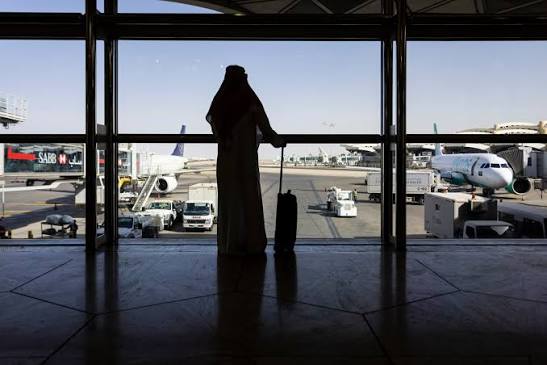
Do commercial pilots ever sleep in the cockpit?

4 min read

Within modern commercial aviation, rest, and in some circumstances brief sleep, is not only anticipated but carefully regulated.
So do airline pilots ever sleep in the cockpit? The short answer is yes, but only under tightly controlled conditions and as part of formal fatigue management systems, rather than anything informal or routine.
On most short- and medium-haul flights, pilots are expected to remain awake throughout the journey. Duty periods are relatively limited, flight times are predictable and crew schedules are designed to ensure pilots are adequately rested before they ever step onto the flight deck.
In those circumstances, falling asleep at the controls would be unprofessional and potentially a breach of regulations.
Do airline pilots sleep during short-haul flights?
On most short- and medium-haul flights, pilots are expected to stay awake throughout the journey. Duty periods are relatively limited, flight times are predictable and crew schedules are designed to make sure pilots are adequately rested before starting their working day.
In these cases, falling asleep on the flight deck would be considered unprofessional and potentially a breach of regulations.
Fatigue management on short-haul routes therefore focuses mainly on roster planning and rest periods between duties. It limits consecutive early starts or late finishes, although pilots may take short controlled rests which we’ll look at further down.
Incidentally, over in the US the FAA bans any rest time (or “in-seat napping”) at any time at all.
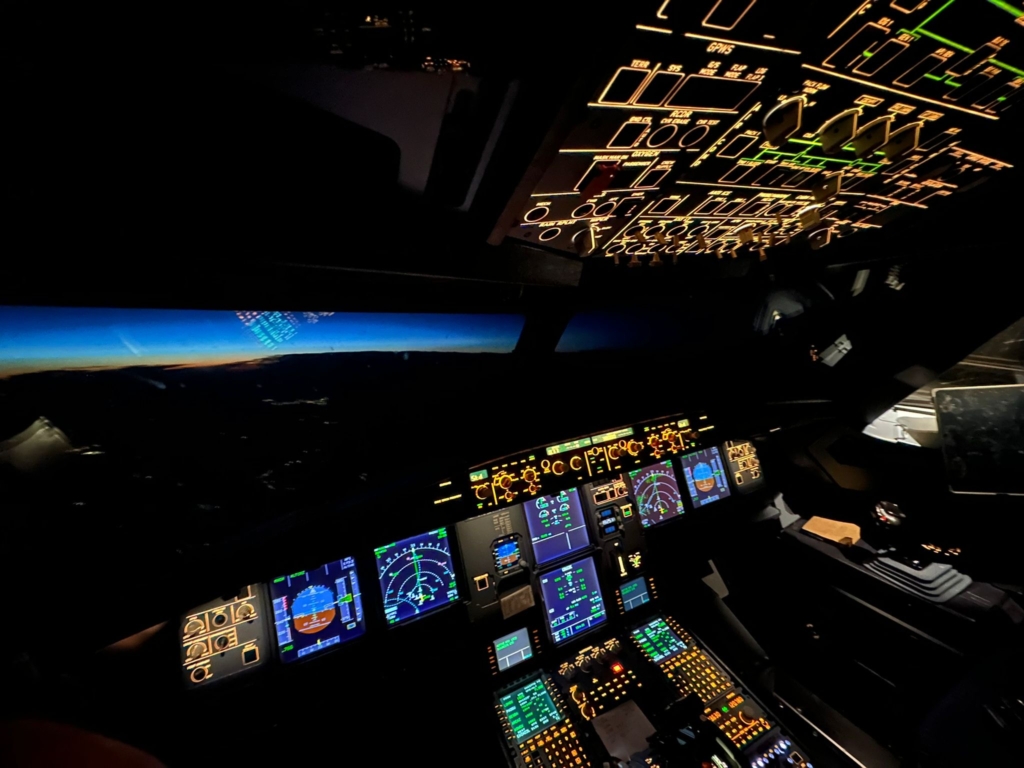
How fatigue affects pilots on long-haul and ultra-long-haul flights
Long-haul operations present a very different challenge. Ultra-long flights can last well over 12 hours, crossing multiple time zones and extending deep into the human circadian low.
Even with adequate pre-flight rest, maintaining peak alertness throughout such sectors can be difficult.
To manage pilot fatigue – one of aviation’s most closely monitored safety risks – regulators permit in-flight rest under strict conditions. This recognises that alertness naturally fluctuates during longer periods of low workload.
What is controlled rest in the cockpit and how does it work?
Controlled rest is allowed in many jurisdictions, including under rules from the European Union Aviation Safety Agency (EASA) and the UK Civil Aviation Authority.
The concept is straightforward: one pilot may take a short rest period while the other remains fully alert and in control of the aircraft.
These rest periods are typically limited to around 20 to 40 minutes and are taken during low-workload phases of flight, usually cruise. There are clear rules around how this works.
The crew brief each other beforehand, rest is only permitted at specific points in the flight, and time is built in to make sure the pilot who rests is fully alert again before taking back the controls.
Most importantly, this isn’t about grabbing a cheeky nap. Research consistently shows that a short, well-timed break can sharpen reaction times. It also improves vigilance and helps pilots stay mentally ahead of the aircraft later in the flight.
Where do pilots sleep during long-haul flights?
On aircraft operating very long sectors, such as transpacific or ultra-long-haul routes, the approach goes further still. These flights carry additional pilots, allowing for in-flight rest which allows pilots’ duty times to be increased.
Wide-body aircraft are equipped with purpose-built crew rest compartments, separate from the flight deck. These spaces usually feature lie-flat bunks, sound insulation and adjustable lighting, giving pilots the chance to get proper rest before heading back to the flight deck.
Automation, alertness and flight safety
Modern flight decks are highly automated, but they still rely on active human oversight. While autopilot systems control the aircraft’s flight path, pilots are still responsible for monitoring instruments, systems and the wider operating environment. When fatigue sets in, that monitoring role can quickly be compromised.
For this reason, aviation authorities are placing growing emphasis on fatigue risk management, alongside traditional limits on duty hours.
So, do commercial pilots ever sleep in the cockpit?
In carefully controlled circumstances, yes – and always with safety as the top priority. Aviation’s approach to fatigue reflects a simple human reality: well-rested pilots make better decisions.
In the end, the greater risk is not allowing pilots to rest; it’s allowing fatigue to go unmanaged.
Featured image: Pattharapong Sittirach / Wikimedia