


Why do airline pilots have fluffy seats?

3 min read
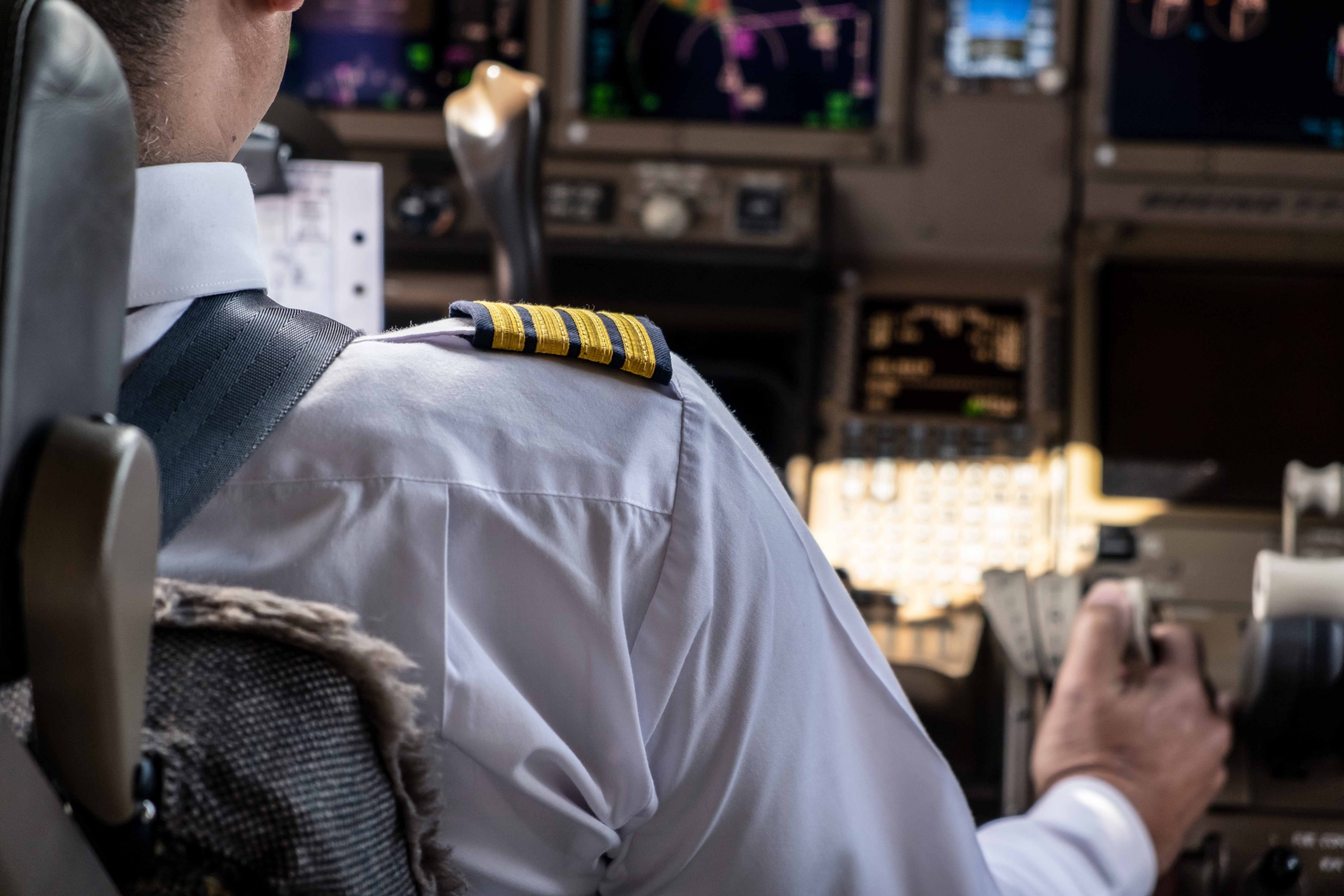
The humble pilot seat looks cosy, almost out of place in such a high-tech environment like the cockpit. But in fact, those “fluffy seats” have a very practical purpose. As with most things in aviation, it’s rooted in ergonomics, safety and decades of operational experience.
More than just comfort: Why fluffy pilot seat covers matter
At their simplest, pilot seat covers are about comfort – but not comfort in the casual sense.
Airline pilots can spend hours and hours strapped into their seats, often with limited opportunity to move around. Discomfort is not just an inconvenience; it can become a genuine operational issue.
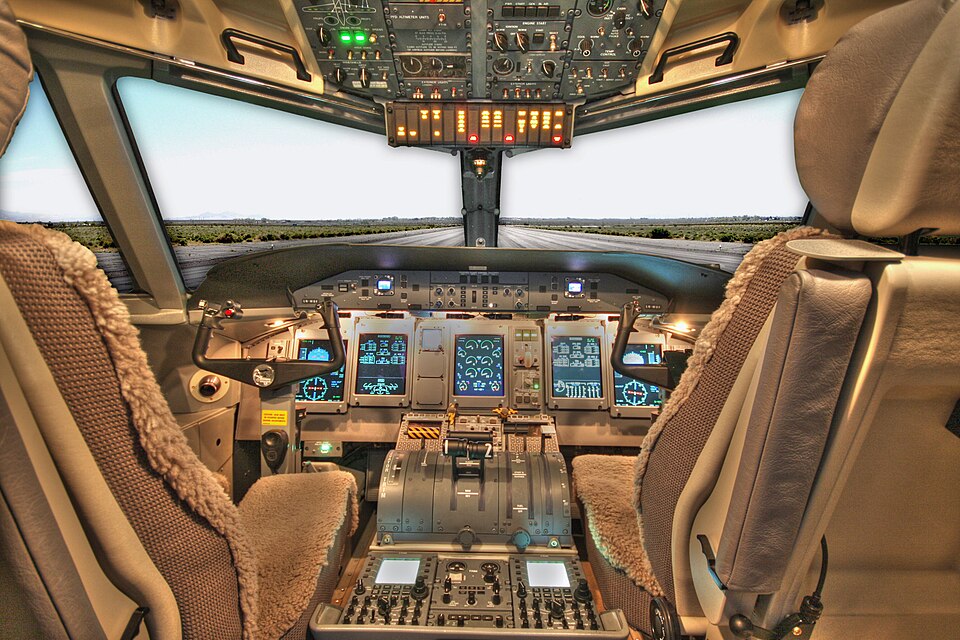
Pressure points, muscle fatigue and reduced circulation can all distract from the task at hand. A well-designed seat covering helps distribute body weight more evenly, reducing strain during long periods of sitting.
Sheepskin, the most common material used, has particular advantages in this respect. Unlike synthetic padding, natural sheepskin has a springy, resilient structure that compresses and recovers repeatedly without losing its shape.
This provides consistent support over time, even on long-haul flights where pilots may be seated for a very long time. The wool fibres also reduce friction, making small posture adjustments easier and helping to prevent soreness.
Fluffy seat covers regulate cockpit temperature
Flight decks can experience significant temperature variation, from a cold, unheated aircraft on the ground to a warm cockpit once systems are running and sunlight streams through the windscreen at cruising altitude.
Sheepskin is naturally breathable and insulating, keeping the seat warm in cold conditions while allowing excess heat to dissipate when it is warmer. This helps pilots maintain a stable body temperature, reducing fatigue and improving concentration.
Managing temperature is a safety factor as well as about comfort. Pilots who are cold or overheated are more likely to feel distracted, have slower reaction times, and generally be less alert. A sheepskin seat covering is a simple yet effective solution that allows them to stay focused on flying rather than on being uncomfortable.
Reducing vibration and fatigue in the cockpit
Another advantage of fluffy pilot seats is vibration reduction.
Turbulence, runway irregularities, and in some sectors like rotary-wing or military operations, continuous vibration can take a toll on the body.
The dense wool fibres of a sheepskin cover act as a subtle damping layer, absorbing small vibrations before they’re detected. Over a career spanning thousands of flight hours, this can make a real difference to spinal health and overall endurance.
Safety standards for pilot seat covers
In commercial aviation, any modification to flight deck equipment must meet strict regulatory and safety standards.
Approved sheepskin covers are designed not to interfere with seat harnesses, airbags or adjustment mechanisms. They are also treated to meet fire-retardant requirements so they don’t introduce additional risk.

Why pilot seat comfort supports flight safety
It seems funny to think that something as simple as a sheepskin cover can help pilots stay comfortable, focused and ultimately safe. What may look like a trivial detail is really a purposefully designed solution with more benefits than it first appears.
Featured image: Alex Beltyukov | Wikimedia Commons


