Oil prices have fallen. When will airfares follow?

3 min read
Oil prices have dropped to levels last seen before the Iran conflict, easing pressure on one of the airline industry’s highest operating costs. But while airlines could benefit almost immediately from lower jet fuel prices, the drop may not be reflected in ticket prices right away
Brent crude fell sharply after a ceasefire between Israel and Iran reduced concerns over potential disruption to oil supplies through the Strait of Hormuz. The decline has also pulled down jet fuel prices, which had spiked during the conflict, prompting airlines to adjust for unsustainable operating costs.

As reported by Reuters, US Gulf Coast jet fuel prices have fallen from around $4.88 per gallon to approximately $2.85 per gallon, a reduction that could save US airlines more than $40 billion annually if prices remain at current levels.
The reversal comes after the International Air Transport Association (IATA) updated its 2026 profit forecast, projecting worldwide industry profits would be cut in half due to higher fuel prices.
Fuel is a major airline cost—but not the only factor impacting fares
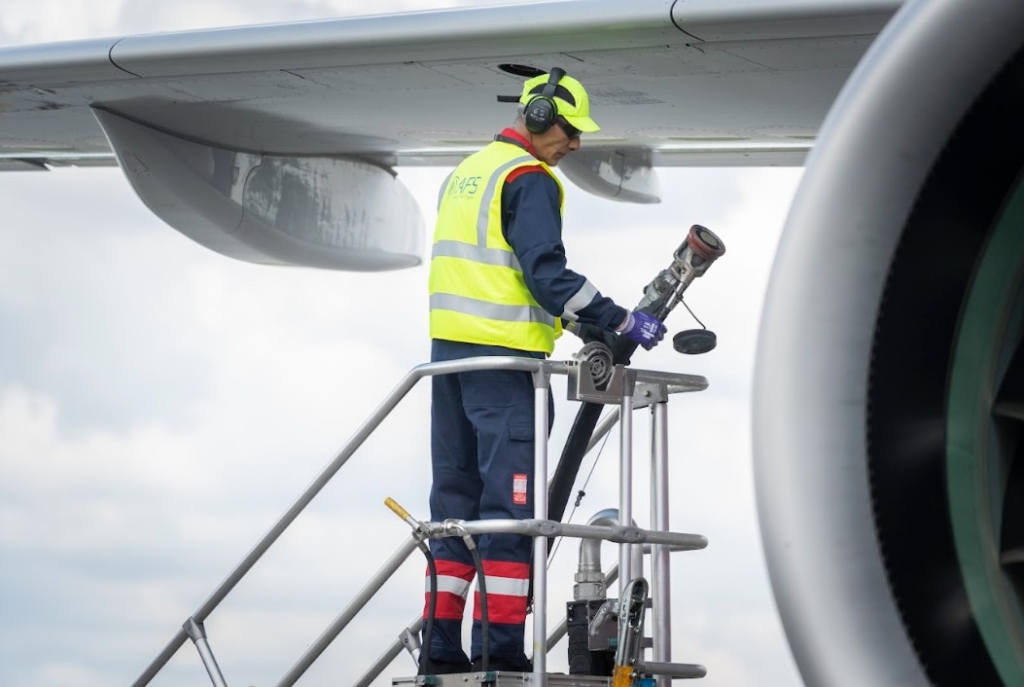
Fuel is typically an airline’s second-largest operating expense after labour, accounting for around a quarter of total operating costs, although the proportion varies by airline. Lower fuel prices will improve airline margins relatively quickly, particularly for carriers that are not heavily hedged against fuel price movements.
However, airfares do not move in line with oil prices alone.
Some airlines apply fuel surcharges as a separate fee, which helps offset jet fuel volatility. But most airlines no longer do. Instead, airlines rely on revenue management systems that price tickets according to demand, remaining seat availability, competition and booking patterns.
As a result, reductions in fuel costs do not automatically translate into lower fares.
Capacity continues to shape pricing
The balance between supply and demand strongly influences airline pricing.
Aircraft delivery delays at Boeing and Airbus, along with supply chain constraints, have limited capacity growth across many markets. At the same time, passenger demand has remained resilient despite higher ticket prices.
Capacity constraints are likely to keep fare levels higher through the remainder of the peak summer travel season.
Delta Air Lines CEO points to other factors keeping fares high
During a recent interview on FOX News, Delta Air Lines Chief Executive Ed Bastian said that expanding industry capacity would have a greater influence on future airfare trends than changes in oil prices alone.
“People ask me all the time – what’s happening with prices?” Bastian told FOX Business’s Maria Bartiromo. “Prices will come down when we can fly more, when there’s more supply, it’s a supply and demand. Right now we’re kind of logjammed.”

Bastian suggested addressing congestion in US airspace and other bottlenecks that stifle airline capacity would help lower ticket prices. “As you open up the skies, and you bring more flow, that’s going to help bring pricing down and enable us to bring more people to more places,” he said.
Will passengers see lower fares?
Passengers may see lower fares on routes where airlines are competing aggressively or where demand softens after the summer peak.
However, in markets where capacity remains constrained, lower fuel costs are more likely to improve airline profitability than prompt immediate fare reductions.
Airlines that raised fuel surcharges during the conflict will likely be required by regulators to lower them again.
A welcome change for airline finances
For airlines, the recent fall in oil prices will be a welcome relief after weeks of instability in the Middle East.
How soon that relief ultimately reaches passengers will depend on how quickly airlines can increase capacity and how they respond to changing demand during the second half of the year.
Featured Image: Masakatsu Ukon / Wikimedia Commons