After hydrogen leaks and helium anomolies, NASA’s Artemis II moon mission could be delayed by the sun

February 27, 2026
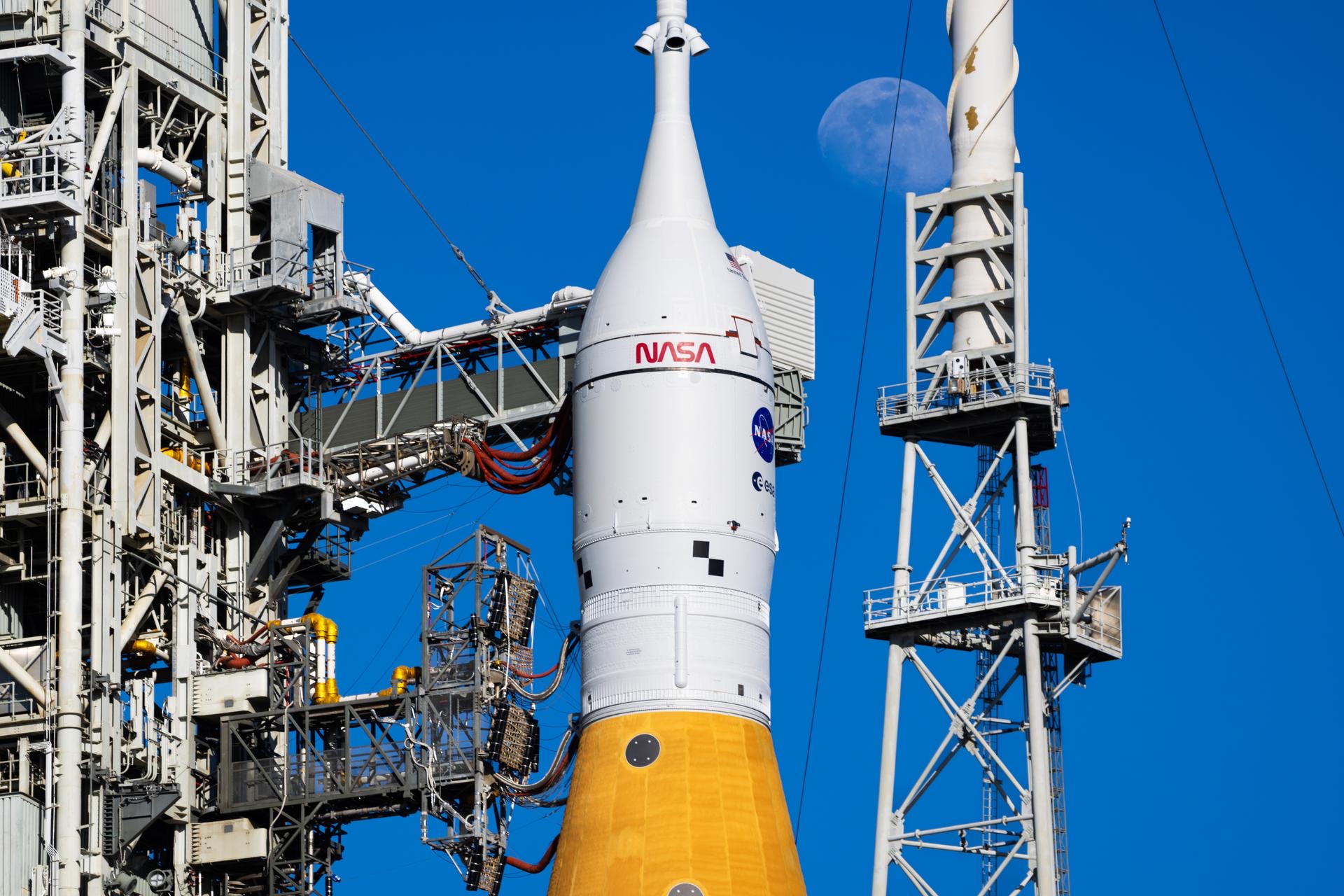
NASA’s Artemis II mission is facing more than just rocket anomalies. After hydrogen leaks and a helium flow issue halted launch preparations, new research suggests rising solar activity could push the agency’s long-awaited return to deep space well into 2026.
With the Sun currently entering one of the most active phases of its cycle, scientists say waiting longer to launch astronauts toward the Moon could significantly reduce the risk of exposing them to dangerous space weather.
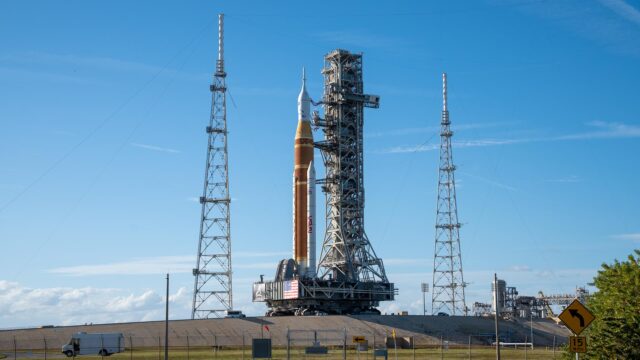
The Artemis II mission, which will carry four astronauts around the Moon, has already been delayed after a helium flow anomaly forced NASA to roll the massive Space Launch System (SLS) rocket off the launch pad and back into the Vehicle Assembly Building at Kennedy Space Center.
But new scientific analysis suggests that even if the technical issues are resolved soon, launching earlier may not be wise.
Researchers studying solar activity now believe that the current phase of Solar Cycle 25 could produce unusually powerful solar storms in the near term, raising radiation risks for astronauts travelling beyond Earth’s protective magnetic field.
Solar Cycle 25 raises radiation concerns for NASA’s Artemis II mission
The team of scientists analysing nearly five decades of solar observations has developed a forecasting method that identifies windows when extremely powerful solar eruptions, known as superflares, are more likely to occur.
Their findings suggest that the current solar cycle is entering one of those high-risk periods.
The researchers examined X-ray emissions from the Sun between 1975 and 2025 and identified two repeating activity cycles — one lasting roughly 1.7 years and another about seven years long. When these cycles align in certain ways, the probability of powerful eruptions increases sharply.
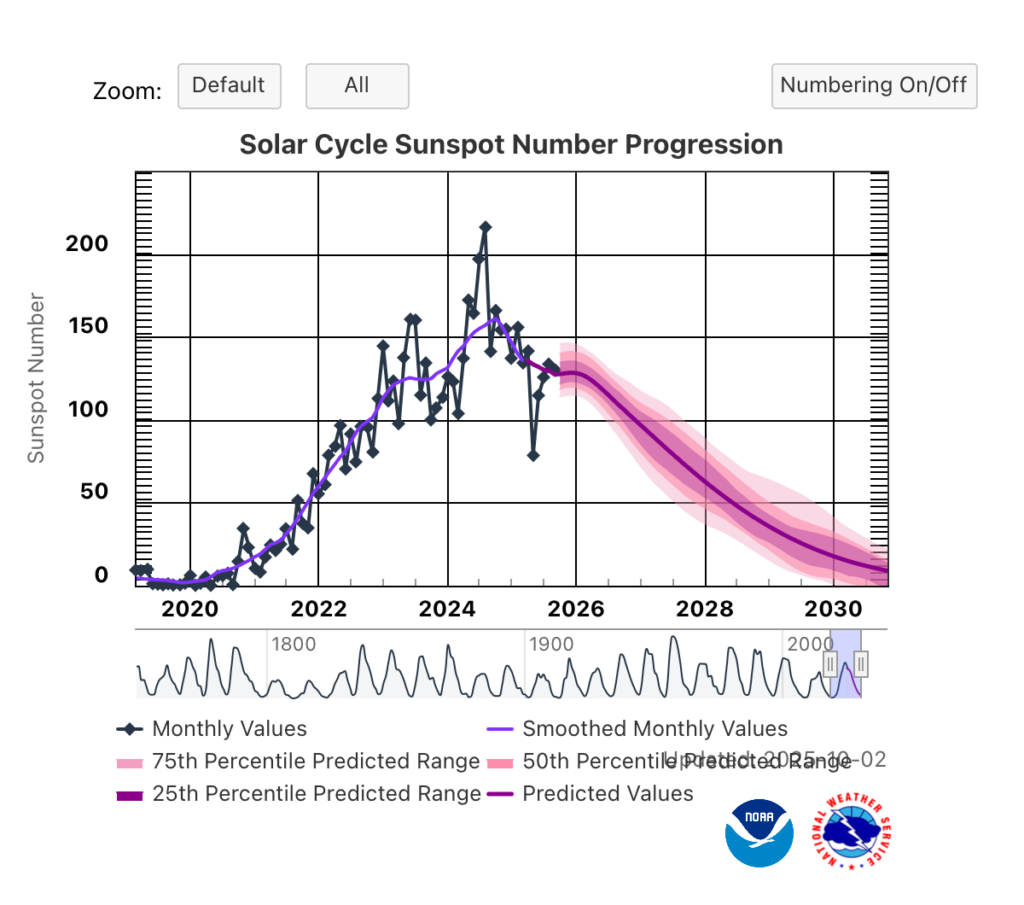
According to their model, the Sun is currently entering a particularly volatile phase that began around mid-2025 and could continue through the middle of 2026.
Lead researcher Dr Victor Velasco Herrera of the National Autonomous University of Mexico said this period could pose real risks for astronauts travelling beyond Earth orbit.
“NASA is right to postpone the Artemis II mission to the Moon until March,” he said, but warned that “given how active the Sun is right now, our forecasts suggest that delaying the launch until the end of 2026 may be a much safer decision.”
Solar storms pose radiation risks for Artemis II astronauts
Solar superflares are among the most violent phenomena in the solar system. When they erupt, they release huge bursts of radiation and charged particles that can race through space at extraordinary speeds.
For satellites in Earth orbit, such storms can damage electronics, disrupt navigation systems and interfere with communications. For astronauts travelling beyond Earth’s magnetosphere, the danger is more direct.
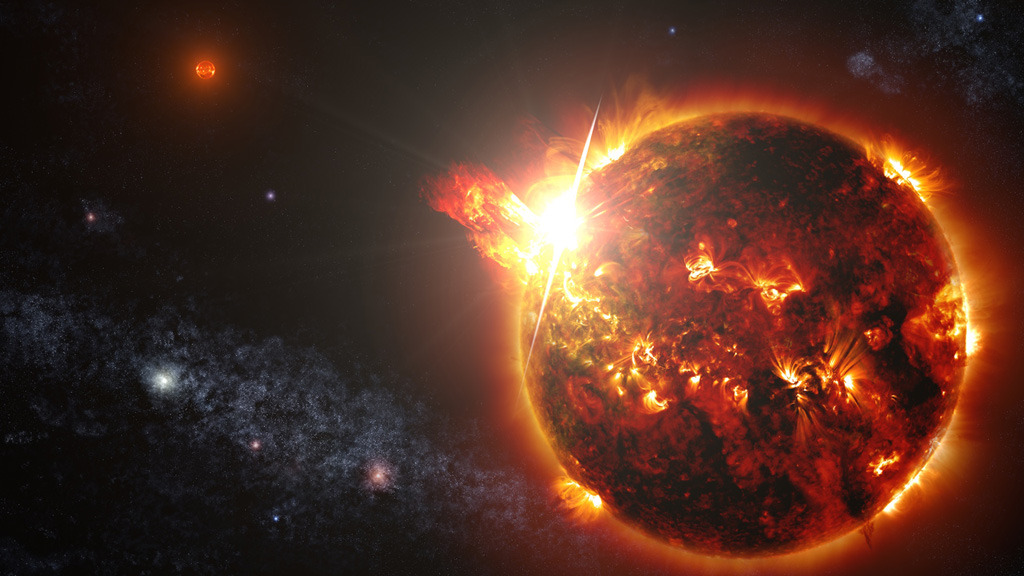
During deep-space missions such as Artemis II, crews will not be shielded by the natural magnetic protection that surrounds Earth.
A major solar storm could expose astronauts to intense radiation capable of damaging human tissue, increasing long-term cancer risks and potentially causing acute radiation sickness during the mission.
Space agencies have long monitored solar activity before launching human missions beyond low Earth orbit. But predicting exactly when powerful solar eruptions will occur remains difficult.
The new forecasting system does not attempt to pinpoint the precise moment a storm will happen. Instead, it identifies broader windows of elevated risk, giving mission planners advance warning months or even years ahead of time.
NASA’s Artemis II faces SLS technical delays and helium anomaly
The solar weather warning comes at a moment when NASA is already dealing with engineering setbacks.
Early this week, the Artemis II launch vehicle was rolled back from Launch Pad 39B at Kennedy Space Center after engineers detected a helium flow anomaly in the upper stage of the Space Launch System rocket. The issue required technicians to move the vehicle back into the Vehicle Assembly Building for inspection and repair.
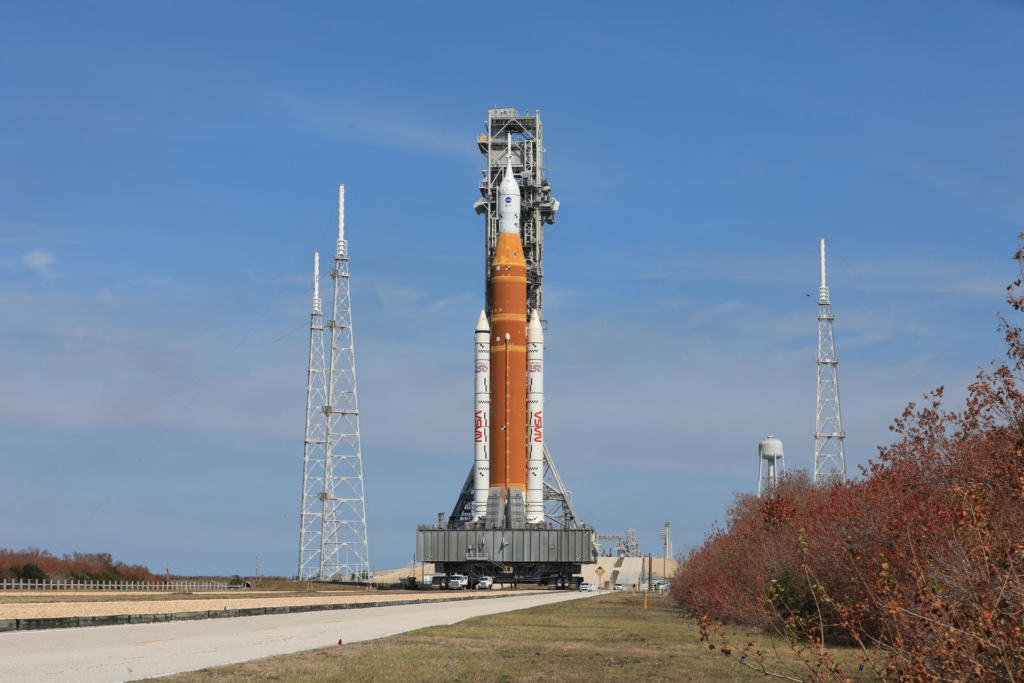
Helium is essential to rocket operations because it pressurises propellant tanks and helps purge fuel lines. Any irregularity in that system must be resolved before astronauts are placed aboard the vehicle.
The decision to retreat was taken on the morning of 25 February. Launch director Charlie Blackwell-Thompson gave the formal “go”for rollback at 9:28 a.m. EST. Ten minutes later, at 9:38 a.m., the Space Launch System (SLS) rocket and Orion spacecraft began their slow departure from Launch Pad 39B.
The rollback effectively ended hopes of an immediate launch attempt. NASA had previously identified launch opportunities in early March, with additional windows in April, but repairs and analysis will now determine the next available schedule.
The mission has already endured several disruptions during preparation, including hydrogen leak concerns during fuelling tests and earlier technical complications linked to the SLS architecture.
Artemis II: NASA’s first crewed Moon mission since Apollo 17
Whenever it eventually flies, Artemis II will mark a historic moment in space exploration.
The mission will send NASA astronauts Reid Wiseman, Victor Glover and Christina Koch, along with Canadian astronaut Jeremy Hansen, on a ten-day journey around the Moon.
Their Orion spacecraft will travel thousands of kilometres beyond the far side of the Moon, farther from Earth than any human mission since the Apollo era.
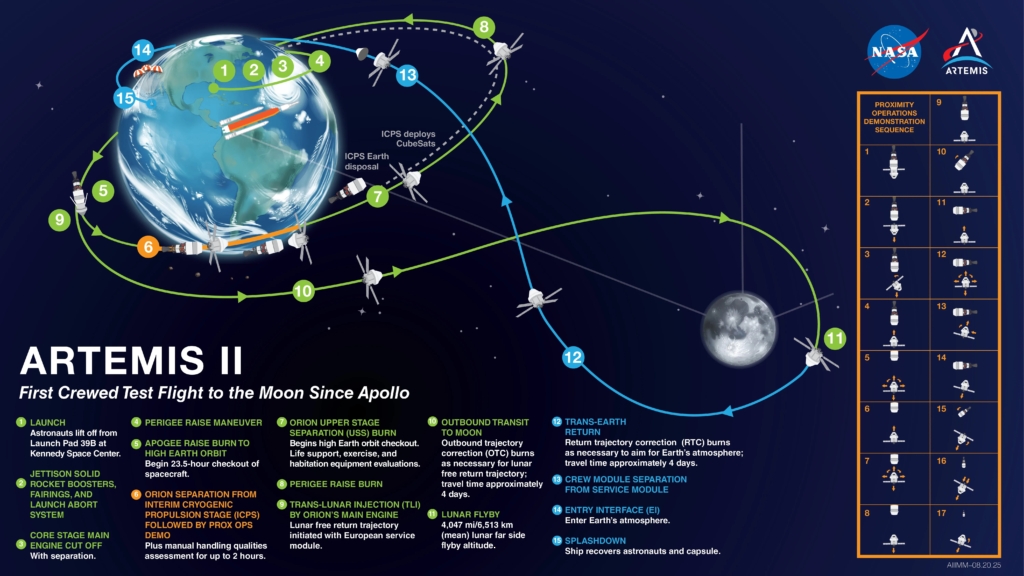
The last time astronauts ventured beyond low Earth orbit was during Apollo 17 in December 1972. Artemis II therefore represents a crucial step in NASA’s plan to return humans to the lunar surface through the Artemis programme.
Unlike Artemis I, which was an uncrewed test flight, Artemis II will validate life-support systems, communications, navigation and deep-space operations with astronauts on board.
NASA Starliner mishap reinforces caution ahead of Artemis II
NASA’s cautious approach is also shaped by recent experience.
The agency recently completed an investigation into Boeing’s troubled CST-100 Starliner test flight in 2024.
What was supposed to be a short certification mission stretched into months after propulsion issues emerged in orbit, forcing astronauts to remain aboard the International Space Station far longer than planned.
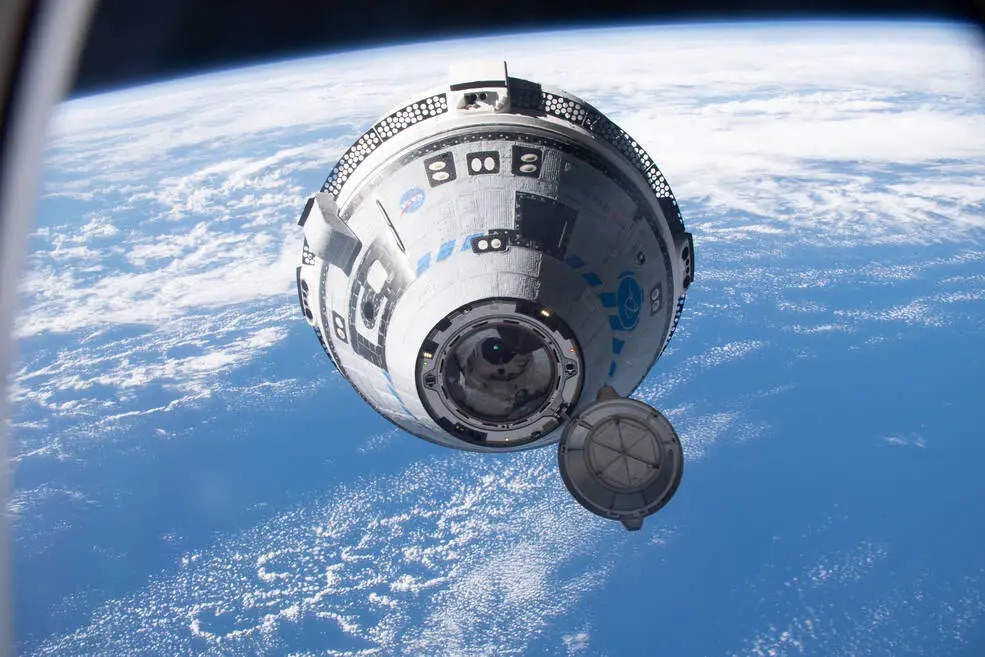
The incident was later classified as a serious mishap, with investigators citing technical anomalies and schedule pressure as contributing factors.
Since then, NASA has emphasised that no human mission will proceed unless all engineering and operational risks are fully understood.
Against that backdrop, the combination of rocket anomalies and heightened solar activity makes caution the only acceptable path forward.
Delaying Artemis II launch may reduce solar storm risk
Delays are frustrating for astronauts and engineers alike, but they are not unusual in deep-space exploration. The stakes involved in sending humans hundreds of thousands of kilometres from Earth leave little margin for error.
If the solar forecasting models prove accurate, the most dangerous window for extreme solar storms could begin to subside after 2026.
Waiting until then could significantly reduce the risk of exposing astronauts to harmful radiation during their lunar flyby.
Featured image: NASA