Saab secures order from France for GlobalEye to replace ageing E-3 Sentry fleet

December 31, 2025
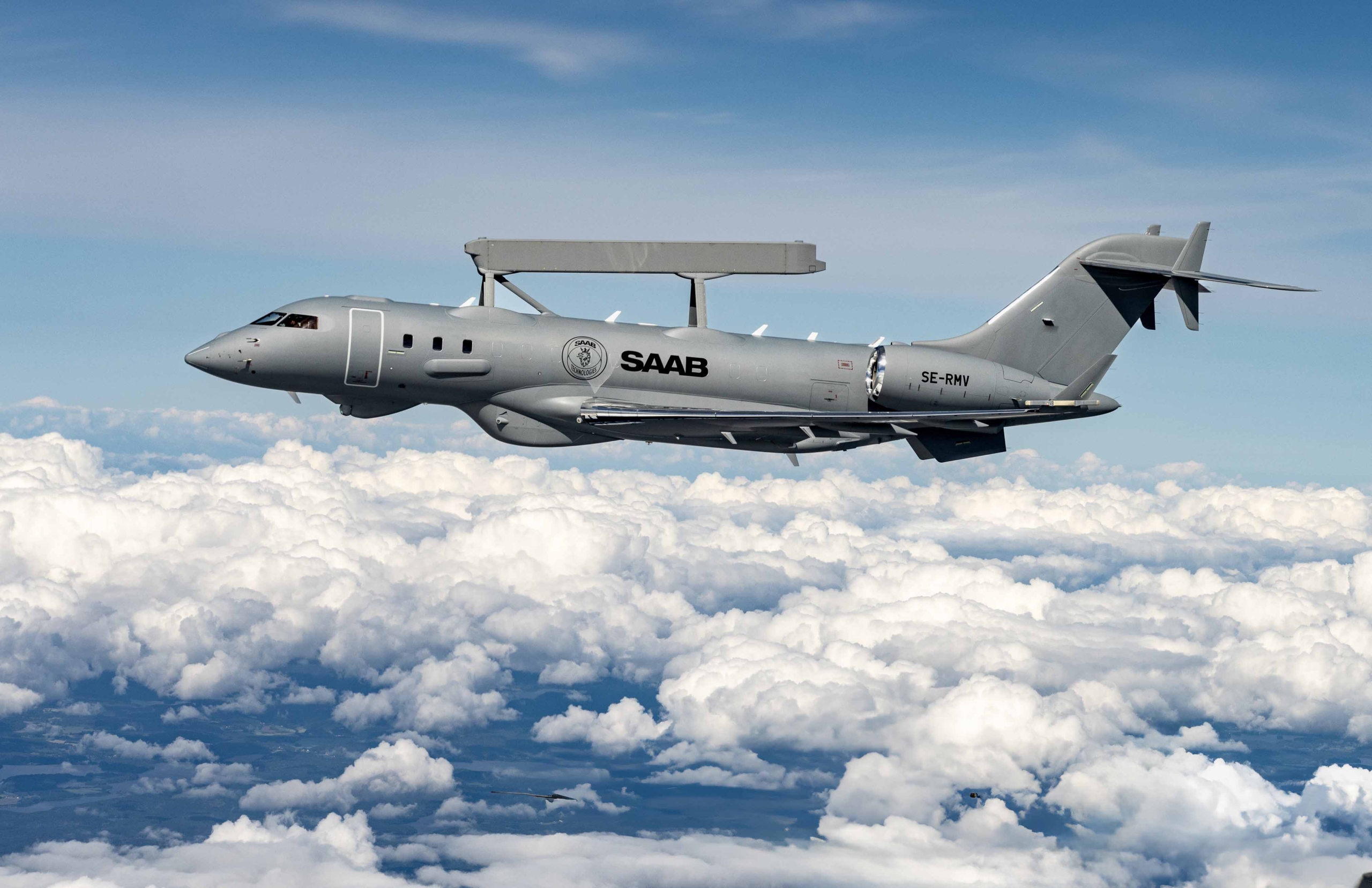
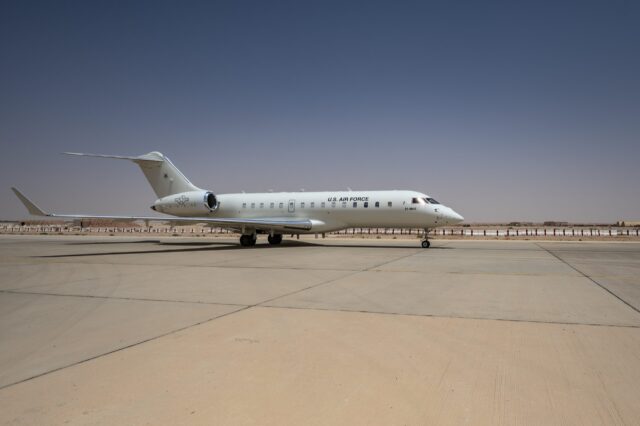
Yesterday, Saab announced it had signed a contract to deliver two GlobalEye Early Warning and Control (AEW&C) aircraft (based on Bombardier Global 6500 business jets) to France. The development follows France’s signing of a letter of intent in June.
France orders two new GlobalEye AEW&Cs
The GlobalEye deal includes the aircraft, ground equipment, training, and support. Saab stated that the value of the contract is around SEK 12.3 billion ($1.3 billion) and the aircraft will be delivered between 2029 and 2032. The contract includes the option for another two.

Micael Johansson, President and CEO of Saab, stated, “Today’s order underscores the robust partnership between Saab and France. By selecting GlobalEye, France is investing in a highly modern and capable Airborne Early Warning & Control solution.”
Johansson added that the investment highlights France’s commitment to “sovereignty and strengthens Europe’s overall protection.”
The GlobalEye is equipped with a range of active and passive sensors providing long-range detection. It is designed to provide real-time information to air forces, armies, and navies, enhancing their situational awareness.
GlobalEye is proving to be a leading European AEW&C aircraft
France is purchasing the GlobalEyes to replace its now-ageing fleet of four Boeing E-3 Sentries, which are based on the 707. The type has already been ordered by Sweden and the UAE, while Denmark is also reported to be interested in ordering the aircraft.

Germany and Greece are considered to be other potential European customers. Another option for European countries upgrading their AEW&C fleets is the Israeli EL/W-2085, based on the Gulfstream G550. These have been chosen by Italy and South Korea.
At the core of the GlobalEye is Saab’s Erieye ER (Extended Range) radar. This has been mounted on small Saab 340 regional turboprops, the Embraer ERJ-145 regional jet, as well as the Bombardier Global 6500.
RELEASE: 🇫🇷 France announces intention to procure GlobalEye
— Saab (@Saab) June 18, 2025
Joint declaration of intent regarding the sale of Saab’s GlobalEye Early Warning and Control (AEW&C) aircraft to France signed with @DGA. #AEWC #defence #parisairshow https://t.co/t8V7WYSAc6 pic.twitter.com/2UEiwrpHlX
Saab even suggested mounting it on an Airbus A330 for the RAF. The RAF has now retired its E-3s (selling them to Chile) and is in the process of upgrading to the more powerful E-7 Wedgetail.
Get the latest aerospace defence news here on AGN.
GlobalEye is a leading NATO AEW&C contender
Last month, AGN reported NATO had ditched plans to purchase six Boeing E-7 Wedgetail AEW&C aircraft to replace its fleet of E-3 Sentry AEW&Cs expected to retire by 2035.
They were being purchased by eight countries in NATO, namely Belgium, Germany, Luxembourg, the Netherlands, Norway, Romania, and the US.

However, the US withdrew in July, and now the remaining European countries are exploring how to continue with the programme without the US.
The USAF is also seeking to cancel its purchase of the Wedgetail. It has said it wants to purchase the smaller naval E-2D Hawkeye carrier-based aircraft as an interim measure as it moves its assets into space. The French Navy also uses the Hawkeye from its sole aircraft carrier.
The Saab GlobalEye is seen as the most likely choice for European NATO. While a smaller and less capable aircraft than the Wedgetail, it is still capable.

A major issue for radar planes is that, on the one hand, AEW&Cs’ aircraft are incredibly useful enablers providing situational awareness, while on the other hand, they have become vulnerable. Ukraine successfully shooting down two rare Russian A-50U Mainstay AEW&Cs has highlighted that.
The US Air Force believes it can overcome this by moving assets into space. For now, European countries with fewer space-based capabilities may feel they need a next-generation aircraft-based AEW&C capability.
Featured Image: Saab