New ‘Flier Friendly’ programme aims to transform travel for passengers with electric mobility aids

March 19, 2026

Aviation Services UK (ASUK) has launched a new ‘Flier Friendly’ programme—a UK-led aviation initiative aimed at removing one of the most persistent barriers to air travel for passengers with disabilities.
Developed in collaboration with airlines, airports, ground handlers, and mobility aid manufacturers, the programme focuses on improving the way passengers who travel with battery-powered wheelchairs and scooters prepare for and experience air travel.
ASUK members handle more than 80% of UK flights, giving the initiative significant reach across the industry.
A coordinated push to reduce delays, damage and denied boarding
The Flier Friendly programme tackles common issues that passengers travelling with electric mobility aids face when flying, including:
- Devices damaged during handling
- Delays caused by missing technical documentation
- Confusion around airline approval processes
- In some cases, denied boarding due to safety concerns
David Leighton, Chief Executive of ASUK, said the goal is to improve both safety and accessibility without adding regulatory burden.
“No one wants to see customers experience delays or be denied boarding. And no one wants to see devices damaged,” Leighton said in the announcement. “The Flier Friendly Programme is about encouraging practical steps that support both safety management and passenger accessibility.”
Importantly, the initiative does not replace airline approval processes or regulatory requirements; rather, it aims to standardise best practices across both the airline and the mobility industry.
What’s driving the ‘Flier Friendly’ initiative now?
The launch comes amid growing global scrutiny of lithium-ion battery safety in aviation, particularly as mobility aids become more advanced and energy-dense. Faulty or damaged lithium-ion batteries can experience thermal runaway, resulting in intense fires that pose a high risk to aircraft. Since mobility devices travel in the cargo hold, where the initial signs of thermal runaway may be undetectable, fires could potentially lead to a catastrophic event.
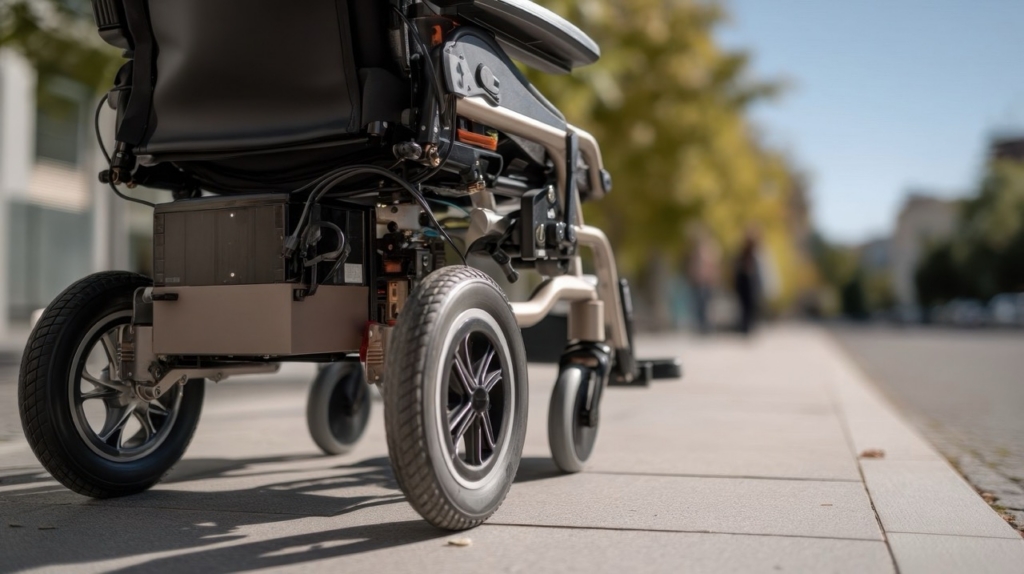
Electric mobility devices must comply with UN38.3 battery safety standards, which verify that batteries have passed rigorous testing under the United Nations Manual of Tests and Criteria.
However, a lack of consistent documentation and labelling can create confusion about whether batteries are compliant, leading to friction among passengers, airlines and ground staff before the flight.
The EMA Air Travel Pack: practical tools for passengers
At the heart of the programme is a new Electric Mobility Aid (EMA) Air Travel Pack, designed to help passengers prepare before arriving at the airport.
The pack includes:
- Traveller guide with step-by-step preparation advice
- Technical information form detailing battery type, watt-hour (Wh) rating and handling instructions
- Guidance on UN38.3 documentation, including how to obtain it from manufacturers
Passengers can store this information digitally or print it so it’s ready to present to airlines during pre-approval checks.
A focus on better information and durable labelling
One of the more practical issues the programme addresses is battery labelling. Over time, the paper labels on mobility devices can degrade, making critical information—such as watt-hour ratings—difficult to read. Unreadable labels can cause delays or even cause airlines to refuse to accept the mobility device at check-in.
To address this, ASUK is encouraging manufacturers to adopt durable synthetic labels that resist:
- Water and moisture
- Chemicals and oils
- Wear from repeated handling
Manufacturers supporting the programme also commit to providing accessible UN38.3 test summaries, sharing clear technical specifications and collaborating with aviation stakeholders on safer handling practices.
Industry-wide collaboration—not regulation
The ‘Flier Friendly’ programme is a voluntary, industry-led initiative that brings together stakeholders across aviation and mobility manufacturing.
Partners include major airlines, airport groups, and manufacturers such as Sunrise Medical and eFOLDi, as well as the British Healthcare Trades Association.

“We know flying can be a source of stress for people living with a disability. That’s why we’re excited to be involved in this important initiative and to remove one of the barriers to air travel wheelchair users face,” said Faith Brown, Clinical and Education Lead at Sunrise Medical in the announcement of the programme.
Sunrise Medical has added battery safety information and advice to its website and has ensured that all its devices are fitted with batteries that comply with UN battery safety standards.
“Travelling shouldn’t be inaccessible to people using mobility aids,” Brown continued. “This is just the beginning, and we’re looking forward to continuing to work with key industry players to improve disabled people’s experiences.”
Building on UK aviation accessibility reforms
The programme supports recommendations from the UK government’s Aviation Accessibility Task and Finish Group, chaired by Baroness Tanni Grey-Thompson.
That review outlined 19 recommendations in 2025, covering areas such as:
- Passenger information and communication
- Mobility aid handling
- Staff training
- Tailored support services
The Flier Friendly Programme is among the first practical, operational responses to those recommendations.
While the initiative is a meaningful step, ASUK acknowledges that significant work remains. The programme does not guarantee that airlines will accept a specific device, and requirements will still vary between carriers.
However, improving preparation, documentation, and communication could reduce uncertainty for passengers who rely on electric mobility aids, enabling them to fly with dignity and confidence.
Featured Image: 24K-Production | stock.adobe.com