Delta Air Lines rolls out Baggage AI to cut lost bags and speed up handling

November 28, 2025
Delta Air Lines has rolled out a new ground-operations tool called Baggage AI. The system is part of a broader push by Delta to deploy artificial-intelligence solutions throughout its operations — alongside other innovations such as the AI-powered “Delta Concierge” in its Fly Delta app introduced in January.
But unlike concierge-style features for passengers, Baggage AI is a behind-the-scenes operational tool used by ramp crews — the teams responsible for loading and unloading baggage at the tarmac and gates.
Delta’s Baggage AI: What is it?
Rather than tracking bags for passengers directly, Baggage AI optimises how and when baggage gets moved. It calculates driving routes for baggage-handling vehicles between terminals, gates, baggage-handling zones and aircraft, prioritising which bags should be delivered first — especially when time is tight.
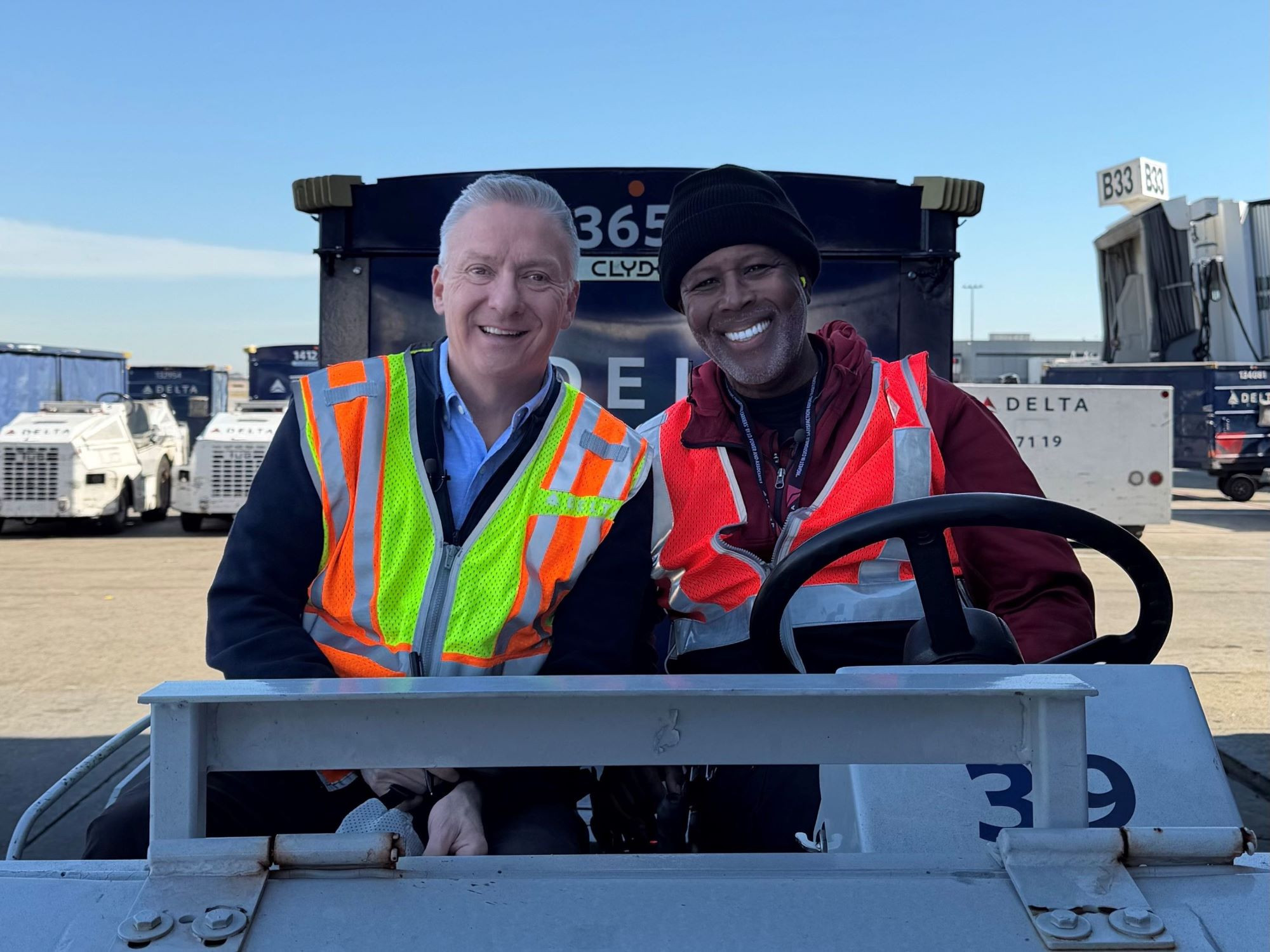
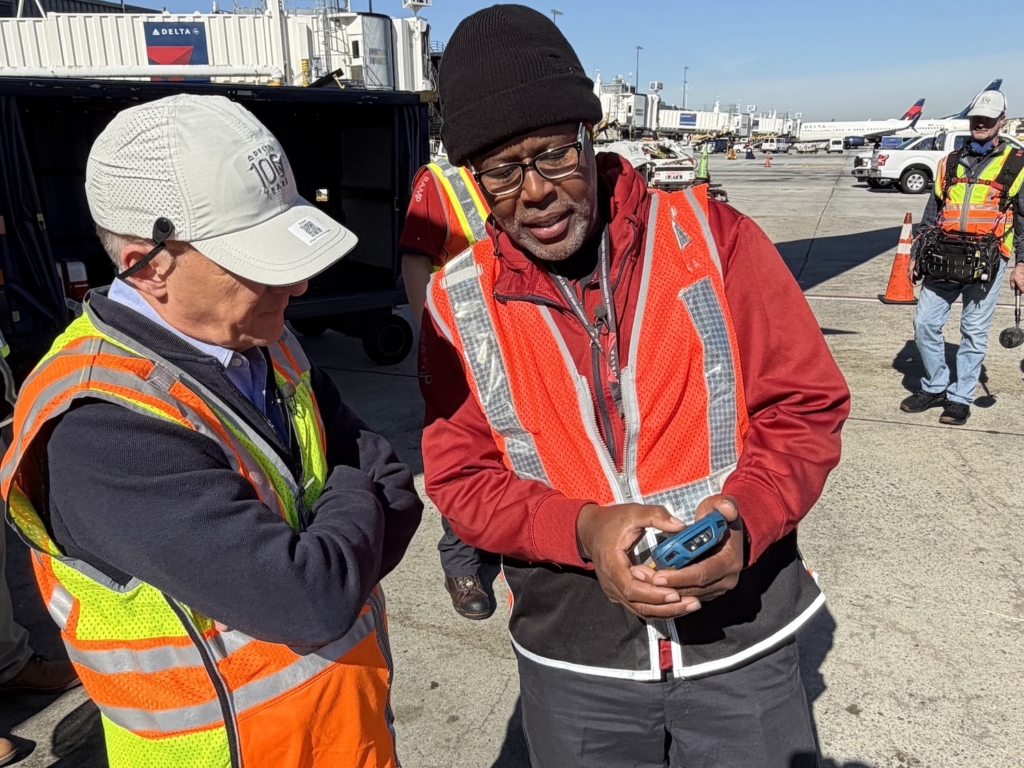
The airline recently shared a ride-along report with NBC Today’s Tom Costello and 11-year veteran Delta ramp agent, Michael Davis.
“AI puts everything in order for me, giving me the opportunity to prioritise which bags get delivered first,” Davis said.
In short, Baggage AI is a logistics-optimisation layer added to Delta’s baggage-handling process, leveraging AI to smooth the flow on the ground.
During peak travel periods like Thanksgiving, Delta carries over 380,000 bags for its customers daily, and more than 99% arrive on time.
“We make sure that our customers can travel with peace of mind,” said Richard Cox, Senior Vice President, Airport Customer Service at Delta.
How Baggage AI builds on Delta’s existing baggage-tracking tech
Baggage AI does not replace Delta’s existing tracking systems; instead, it works in concert with them.
For more than a decade, Delta has relied on infrastructure like RFID tags and belt-loader scanners to track bags in real time as they move through airport systems. Using RFID-enabled “Belt Loader Readers,” Delta automatically confirms that each bag is loaded onto the correct flight, helping detect misloads or misrouted baggage before boarding.
More recently, Delta has begun integrating external location-tracking solutions — for example, leveraging Apple AirTag data (via API integration) so that bags containing AirTags can feed location information directly into Delta’s system.
Baggage AI adds a transport-flow optimisation dimension: by guiding ramp crews on routing and bag-delivery priorities, Delta aims to reduce the chance that bags lag behind tight connections or get mis-sorted under pressure.
Will Delta’s Baggage AI help passengers get their bags on time?
There are several practical benefits for passengers if Delta’s Baggage AI works as intended:
- Fewer missed connections for baggage: By prioritising which bags go first — especially when flights are tight, or there’s a risk of delay — Baggage AI reduces the risk of a traveller arriving at their destination but their bag being left behind.
- Better reliability during peak or complex operations: During busy periods (tight turnarounds, multiple flights, or large transfer volumes), AI-driven routing can help ramp crews manage baggage flow more efficiently and consistently than relying purely on manual judgment.
- Improved overall baggage-handling performance: As part of Delta’s continuous baggage-tech evolution (RFID, scanners, AirTag integration, AI), Baggage AI contributes to a technology ecosystem that aims for near-real-time baggage tracking, fewer mishandlings, and more transparency.
That said, there are always limitations. Baggage AI helps keep things in order behind the scenes, but it doesn’t guarantee that every oversight which could lead to misplaced baggage is eliminated. It’s still possible for mis-tagging at check-in, human error, and airport-wide baggage-handling system breakdowns to complicate processes.

However, Delta’s Baggage AI could reduce the likelihood of lost bags due to missed connections. As with other AI-powered airline operations tools, the benefit to passengers is indirect. They might not see Baggage AI in action, but their bags will arrive where they’re supposed to go.
Passengers may still want to use the airline’s baggage tracking tools and take advantage of its AirTag integration.
Why Delta is investing in Baggage AI
For airlines, baggage mishandling remains a costly headache: lost or delayed luggage harms customer satisfaction, triggers claims costs, and increases operational complexity. With global passenger numbers rising and transfer volumes continuing to grow, the demands on baggage-handling systems are intensifying.
By layering AI-driven logistics on top of existing tracking infrastructure, Delta aims to:
- Reduce mishandled or missing baggage rates.
- Improve on-time baggage delivery even during complex, high-volume operations.
- Give passengers more confidence that checked baggage will arrive when and where they do.
It’s also a competitive differentiator. The airline industry is primarily judged by its reliability, and offering a more consistent baggage performance can drive loyalty and build brand value.
Baggage AI is an example of how airlines can leverage artificial intelligence to improve operational efficiency — and it has real potential to reduce baggage mishandling and enhance the passenger experience.
While it won’t eliminate all baggage-related risks, it optimises the processes after check-in and before push-back, a critical link in the chain.
For travellers flying with Delta, the most significant benefit is fewer lost or misrouted bags, especially on tight connections or busy travel days.
Find the latest aviation industry news right here.
Featured Image: Delta Air Lines