Fleet gap: Delta operates more aircraft than all African flag carriers combined

April 3, 2026
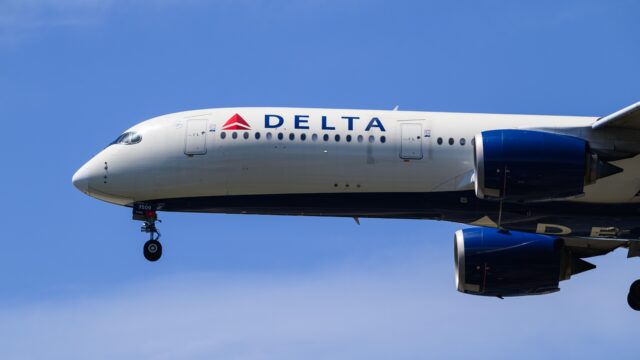
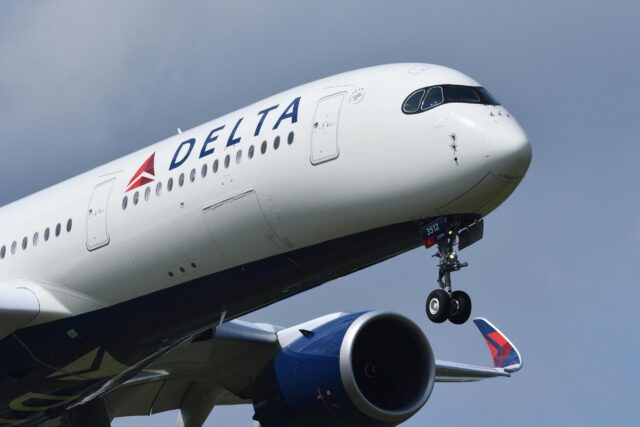
Delta Airlines operates more aircraft than all flag-carrier airlines on the African continent combined, according to industry leader Aaron Munetsi, and the gap is getting harder to close.
Aaron Munetsi, Chief Executive Officer of the Airlines Association of South Africa (AASA) did not mince his words at this year’s Nigerian Aircraft Acquisition & Investment Summit in Lagos.
“The whole continent has around 1,000 aircraft, while Delta Air Lines alone operates about 1,500 aircraft. That tells you the size of the gap we are dealing with,” he said, according to a report in Business Day.

While Delta’s mainline fleet is actually closer to 1,000 aircraft, the higher figure cited by Munetsi is likely to encompass regional partners and Delta Connection codeshare capacity. Either way, the comparison is stark. One American airline eclipses Africa’s combined commercial aviation fleet.
African airlines’ slow pace of growth
Munetsi also raised concerns about the slow pace of growth in aircraft acquisition and fleet growth across the region.
He highlighted that, despite the continent boasting “52 flag-carrier airlines, only seven are fully operational, and of those, only 1 [Ethiopian Airlines] is profitable.”
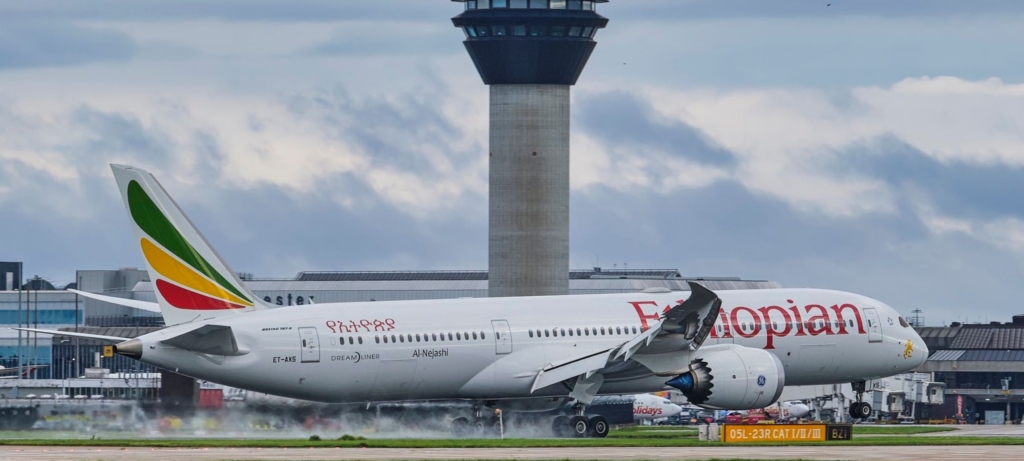
The scale of the challenge is well documented. With a population of around 1.4 billion people and a growing middle class, Africa still accounts for only 2.2% to global aviation demand. According to Munetsi, Africa has “the oldest and smallest fleets globally.”
This is further compounded, he said, by African airlines struggling to generate meaningful revenue, with some earning less than US$1 million – an unsustainable amount for an industry that demands heavy capital investment.
External pressures have further deepened the situation. The global shortage of aircraft and parts has hit the continent’s carriers hard, as has the punitive taxation imposed by many African carriers. This is before the impact of geopolitical tension in the Middle East on oil prices and demand.
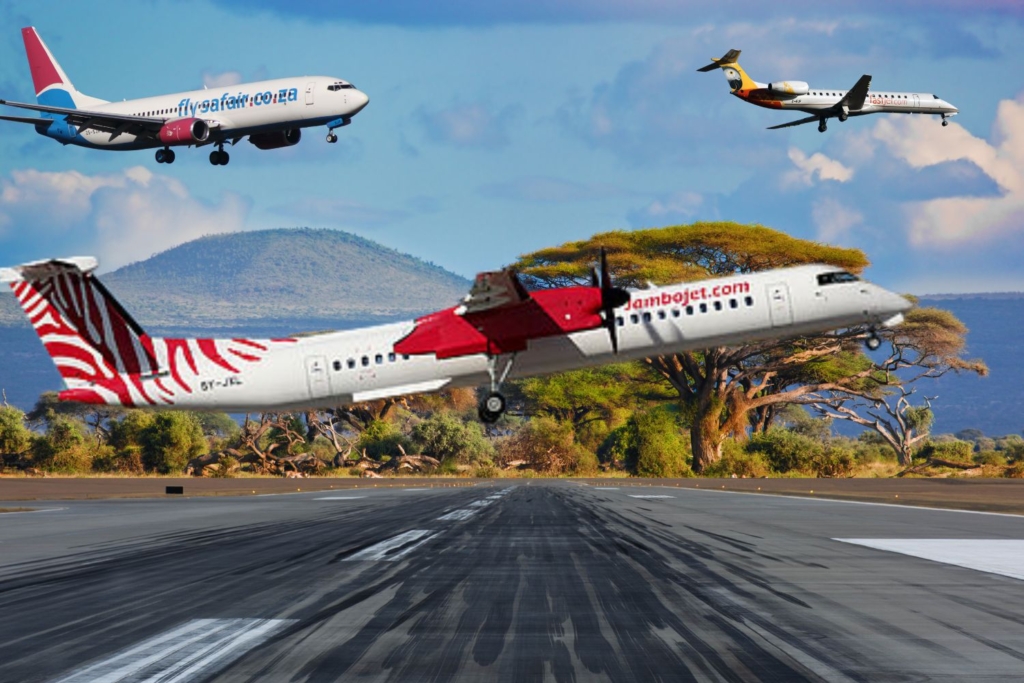
Yet, the potential, Munetsi underlined, is enormous. Africa’s “vast landmass, growing population, and increasing demand for connectivity” present a compelling growth case.
Ethiopian Airlines leads, but the gap remains wide
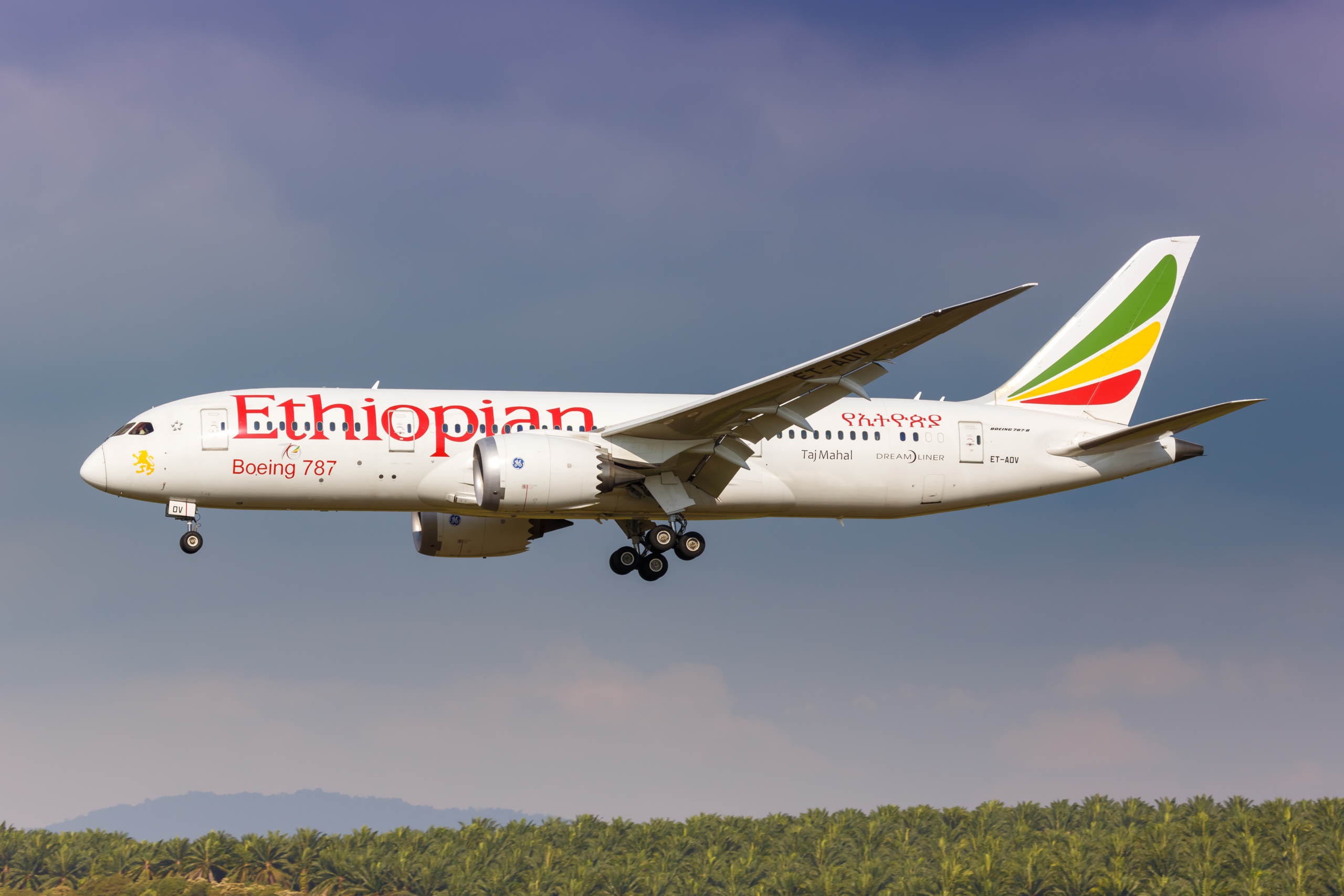
With a total operating fleet of 170 aircraft (and a further 97 aircraft on order), Ethiopian Airlines stands as Africa’s largest carrier. For the 2024/2025 fiscal year, Ethiopian reported a revenue of US$7.6 billion, and in the first six months of 2025 to 2026, it reported US$4.5 billion – growth that, if sustained, would mark another record year.
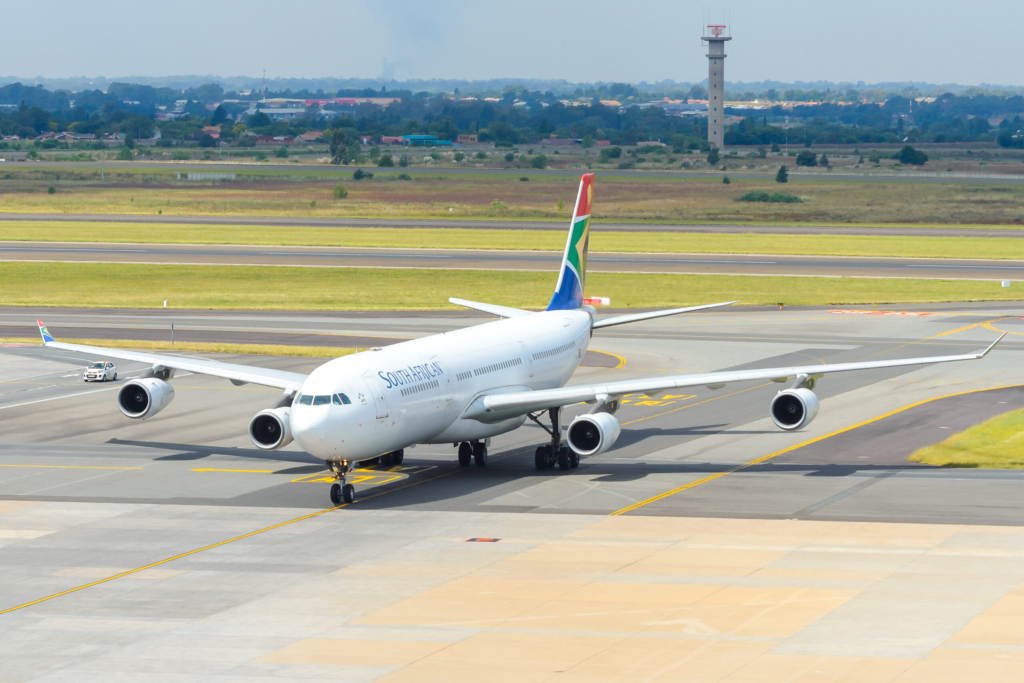
According to OAG data for April 2026, Ethiopian is operating 2 million seats. South African Airways recorded the fastest growth among African carriers, with capacity up 24.8% year on year.
Meanwhile, at a country level, Egypt remains Africa’s largest aviation market with 2.9 million seats in April 2026, and Nigeria recorded the fastest capacity growth among the continent’s top 10 markets, up 24.2% versus April 2025. However, growth in the West African country remains volatile.
A decade of measured growth lies ahead
Looking further ahead over the next decade, the picture is one of steady but modest expansion across the continent’s fleet. According to The Global Fleet and MRO Market Forecast 2026–2036, published by Oliver Wyman, Africa’s aviation fleet is expected to reach 1,920 aircraft over the next 10 years.
This steady trajectory represents annual growth of 4% and will be shaped less by large-scale aircraft orders and more by the operational realities of ageing aircraft and rising maintenance requirements.
African airlines are expected to continue relying heavily on used aircraft sourced from secondary markets in Europe, Asia and the Middle East.
Featured image: Markus Mainka | stock.adobe.com