B-52J takes shape as USAF awards $2bn engine integration contract to Boeing

January 7, 2026
![USAF B-52H lands at RAF Fairford on July 17, 2024 [Khalem Chapman]](https://aerospaceglobalnews.com/wp-content/uploads/2026/01/B-52H-01-Khalem-Chapman-scaled.jpg)
The US Air Force (USAF) has taken a significant step toward the modernisation of its venerable fleet of B-52H Stratofortress strategic heavy bombers by inking a $2bn deal with Boeing Defense, Space & Security to install new engines on two aircraft and begin testing of the type’s newer, more efficient powerplants.
Announced by the US Department of War (DOW) on 23 December, this deal is part of the USAF’s ongoing B-52 Commercial Engine Replacement Program (CERP). The move marks a key milestone in the USAF’s quest to modernise its veteran B-52H fleet to B-52J standard, allowing the iconic Cold War-era bomber to remain operational well into the 2050s.
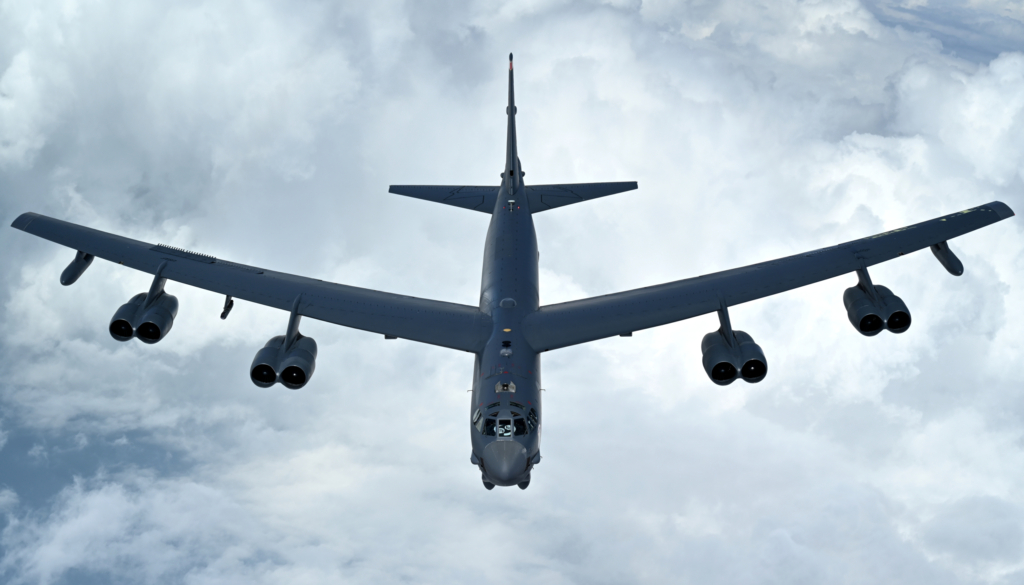
As part of this latest deal, Boeing – the prime integrator for the USAF’s CERP initiative – will install 16 new Rolls-Royce F130 turbofan engines on two B-52Hs (eight engines on each aircraft) and undertake initial testing of the bomber’s new configuration.
Rolls-Royce’s F130 was selected as the replacement for the B-52H’s legacy Pratt & Whitney TF33 (JT3) low-bypass turbofan engine under CERP in September 2021, following a vigorous multi-year competition.
According to the 23 December announcement, “the task order progresses the B-52 CERP program by completing system integration activities after Critical Design Review and modifying and testing two B-52 aircraft with new engines and associated subsystems.”
![USAF B-52H taxis along runway at RAF Fairford on July 16, 2023 [Khalem Chapman]](https://aerospaceglobalnews.com/wp-content/uploads/2026/01/B-52H-02-Khalem-Chapman-1024x680.jpg)
While the DOW did not outline when the two jets are expected to receive their new F130 engines, it said that work under this contract is expected to be completed by May 31, 2033, which is when the USAF anticipates it will achieve Initial Operational Capability (IOC) with the Stratofortress’s new engine configuration.
Work under this contract will be carried out by Boeing at its facilities in Oklahoma City, Oklahoma; San Antonio, Texas; Seattle, Washington; and Indianapolis, Indiana.
New engine, new era for the iconic B-52
First flown more than 60 years ago, the TF33 has powered the USAF’s iconic B-52H fleet since the Stratofortress variant first entered service in May 1961. At that time, the introduction of the TF33 turbofans with the B-52H offered considerably better performance and fuel economy than the Pratt & Whitney J57 turbojet engines that were employed by previous variants of the type.
A single B-52H is powered by eight TF33 engines, with each set to be replaced by the new F130 on a like-for-like basis. At present, the legacy powerplant enables the Cold War-era bomber to fly at high subsonic speeds and at altitudes of up to 50,000ft (15,240m), providing it with an unrefuelled effective combat range in excess of 8,800 miles (14,162km).
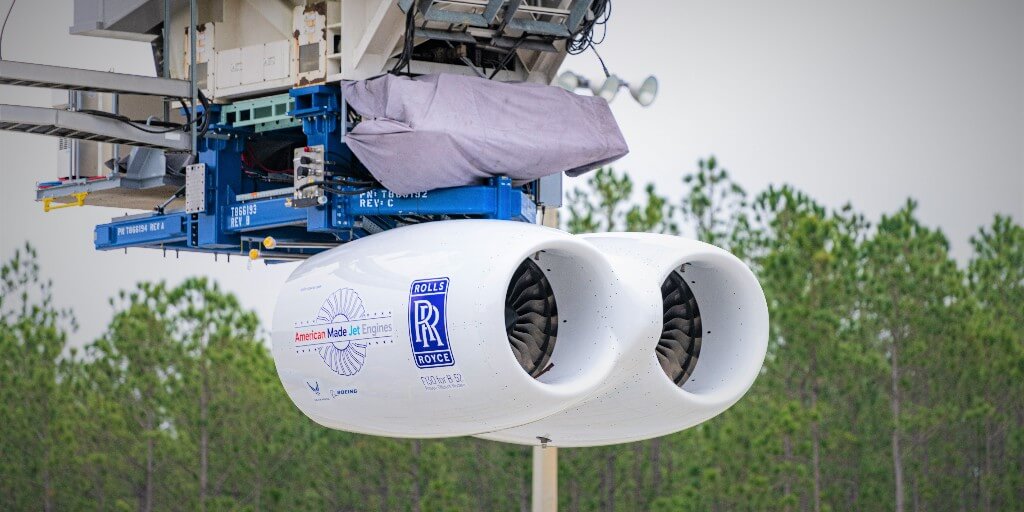
While the F130 will be very new to the Stratofortress and its crews, the USAF is already familiar with the turbofan, given that a variant of the powerplant is used by its Gulfstream C-37 and Bombardier E-11A Battlefield Airborne Communications Node (BACN) fleets.
Built in the United States, the F130 is a proven, efficient, modern commercial-standard turbofan engine that will power the future B-52J fleet until it is withdrawn from use after what will be a roughly a century of operations. When compared with the legacy TF33, the F130 will provide the B-52J with greater fuel efficiency, increased range and a reduced requirement for tanker support.
The new F130 engine has already undergone significant testing at various locations – including NASA’s Stennis Space Center (SSC) in Mississippi – and passed its Critical Design Review (CDR) in December 2024.
While the engine itself has already passed its CDR, other elements of the upgrade, such as electrical power generation systems, engine-related cockpit displays and engine struts, have also needed to be validated under the CERP programme. A CDR for the entire CERP programme is expected to take place in April.
Developing the B-52J
While the introduction of new engines is core to the modernisation of the USAF’s existing B-52H fleet, it is not the only change being made.
The USAF is also replacing the strategic bomber’s legacy AN/APQ-166 mechanically scanned radar system – which was first developed in the 1980s – with the newer, more advanced AN/APQ-188 Active Electronically Scanned Array (AESA) radar as part of the B-52 Radar Modernisation Program (RMP).
Both of these upgrades are central to the B-52H’s transition to the new B-52J variant going forward.
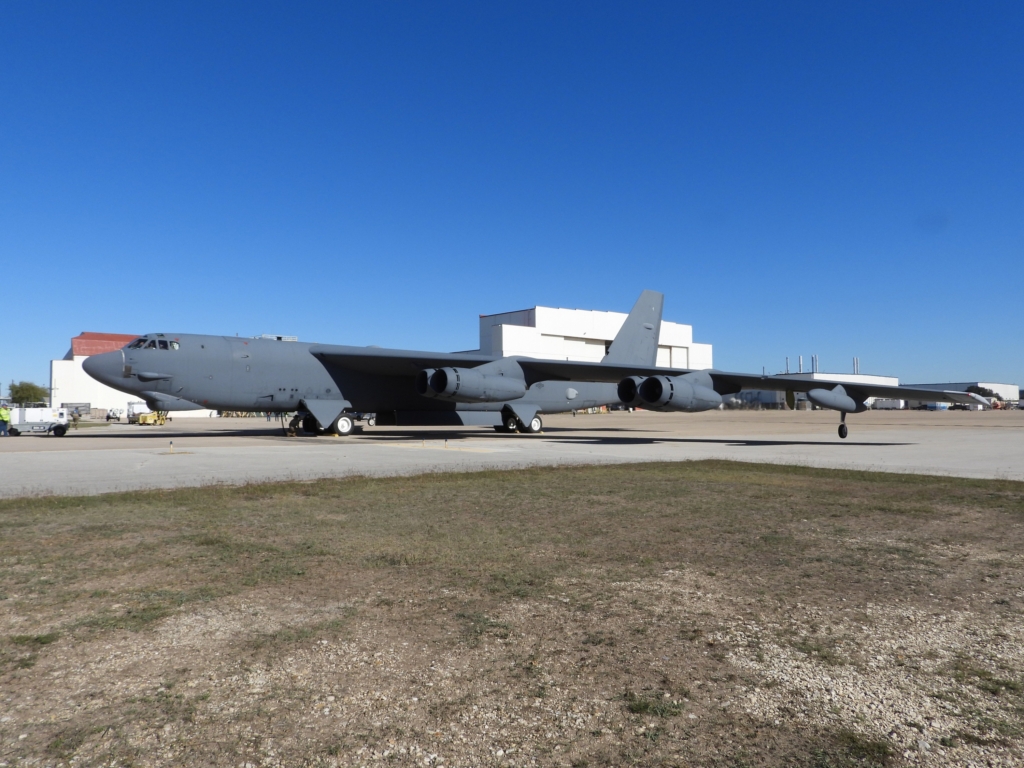
Boeing is also leading the integration of the new AN/APQ-188 radar onto the US Air Force’s B-52 Stratofortress fleet. A major milestone was reached on December 8, 2025, when a B-52H (serial 60-0061) fitted with the new AESA radar flew from Boeing’s San Antonio facility to Edwards Air Force Base in California.
The aircraft will now begin testing with the USAF’s 412th Test Wing, supporting an upcoming production decision expected later this year. Separately, B-52Hs re-engined with the new F130 powerplants will also undergo flight testing at Edwards AFB.
Together, the F130- and AN/APQ-188 radar-equipped B-52J will enable the venerable Stratofortress family to remain the backbone of the USAF’s stand-off strike capabilities. The Cold War-era type is set to continue supplementing America’s bomber force, which will soon comprise just the B-52J and the new, sixth-generation B-21 Raider stealth bomber, over the coming decades.
Featured image: Khalem Chapman