eVTOL rivalry intensifies as Archer Aviation targets Vertical’s Valo in court

February 25, 2026
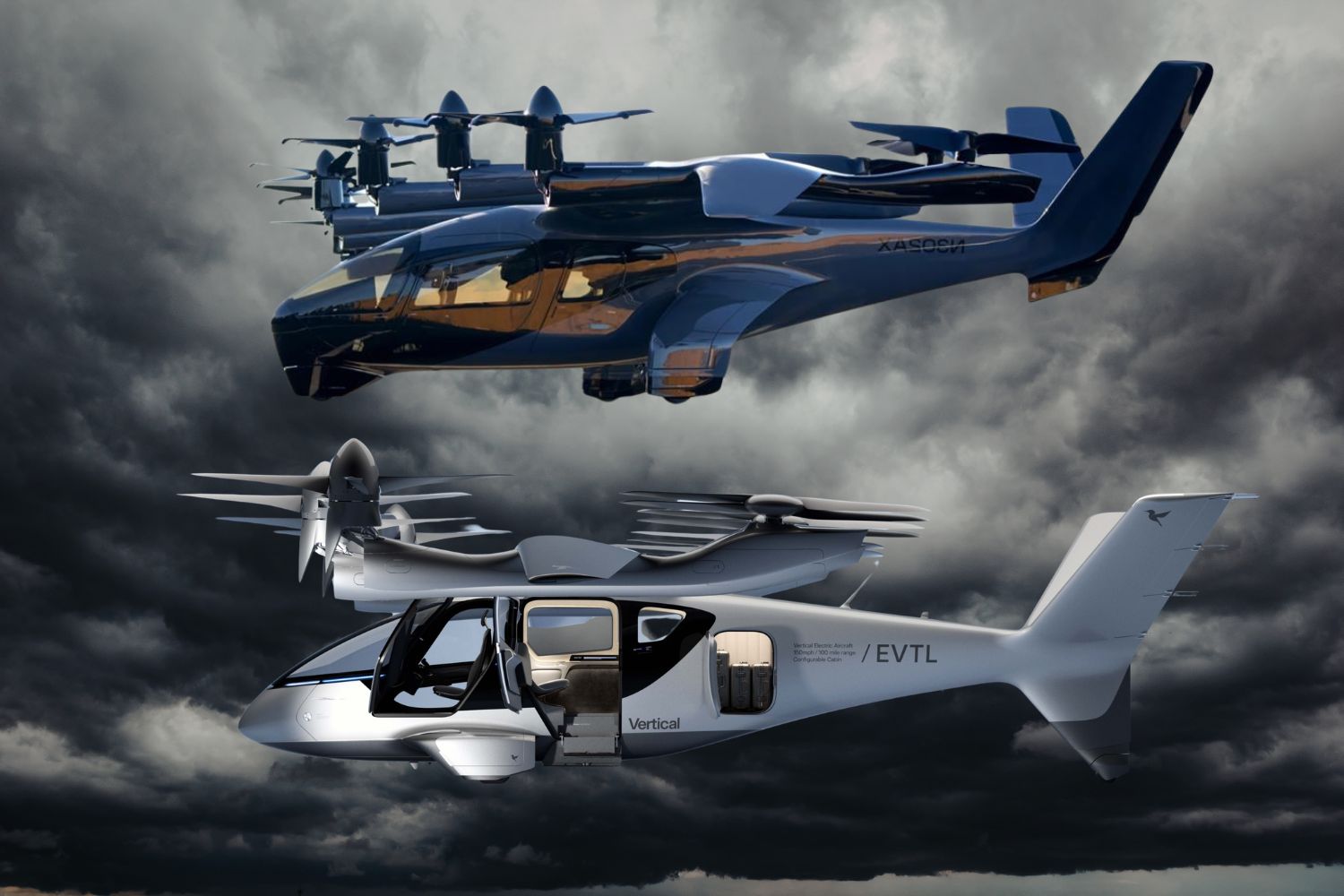
US eVTOL developer Archer Aviation has filed a patent infringement lawsuit against UK-based Vertical Aerospace in the US District Court for the Eastern District of Texas, alleging that Vertical’s newly unveiled “Valo” aircraft unlawfully copies the design and elements of Archer’s Midnight platform.
In a statement, Archer said the complaint seeks to stop Vertical from “illegally copying” Midnight’s industrial design and certain protected flight control technologies.
Vertical has rejected the claims outright.
“Archer’s recent claims are without merit, and Vertical intends to defend those claims vigorously,” the company told AGN. “Vertical has developed a robust aircraft design with a clear path to certification, underpinned by Vertical’s proprietary and market-leading technology and international IP portfolio.”
Archer has faced sharp share price volatility over the past year, with its stock falling significantly from 2025 highs as investors weigh certification timelines and the company’s path to revenue. Like many pre-commercial eVTOL developers, it remains loss-making and cash-intensive, with ongoing capital requirements and regulatory milestones shaping market sentiment.
Vertical Aerospace believes these challenges are baked into the lawsuit. “Archer’s claims are merely an attempt to distract from the challenges Archer is facing competing in the marketplace,” the company said.
Archer Aviation alleges design and utility patent infringement over Valo
Archer’s filing asserts infringement of at least two of its US design patents, U.S. Patent No. D1,062,878 and U.S. Patent No. D1,067,164. These patents cover the protected visual identity of Midnight, including its V-tail configuration, fuselage form and wing arrangement.
Design patents protect ornamental appearance rather than functional or aerodynamic necessity. Archer argues that a visual comparison between Midnight and Vertical’s Valo demonstrates clear similarity in overall configuration and aesthetic treatment.
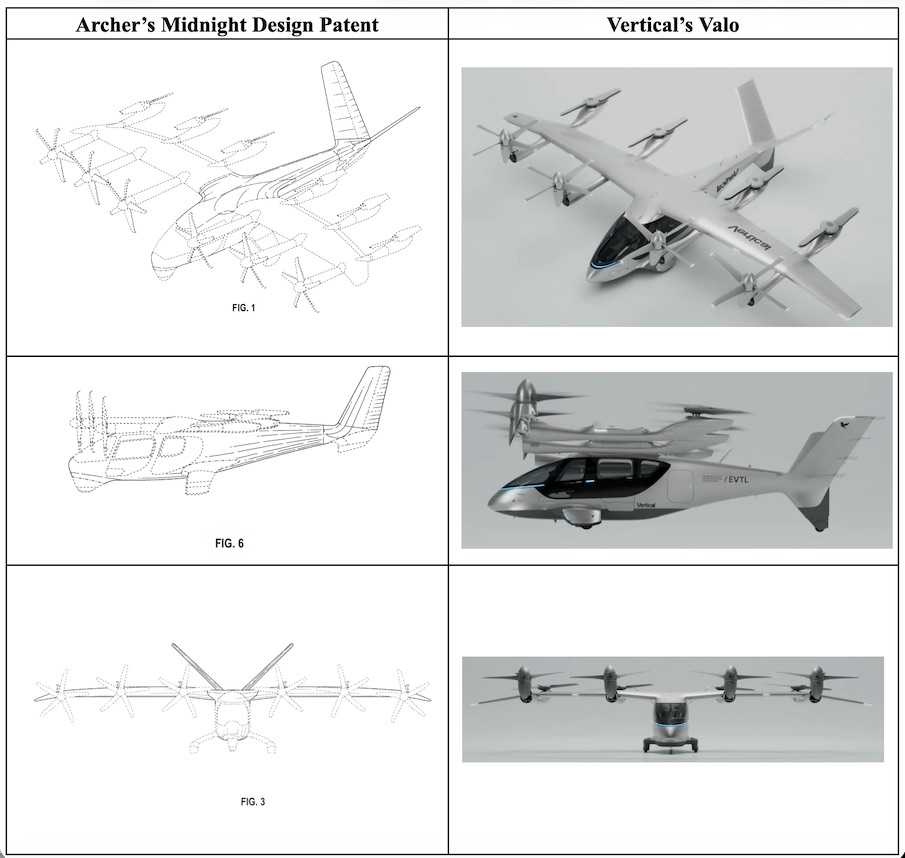
More significantly, the complaint also alleges infringement of a utility patent, U.S. Patent No. 11,945,597. This patent relates to flight control systems and “control allocation” methods used to manage electric propulsion units and battery power within a tilting architecture.
Control allocation is central to distributed electric propulsion aircraft. It governs how thrust is dynamically distributed across multiple motors to maintain stability, manage transitions between vertical and forward flight, and optimise power use. If upheld, a utility patent claim would carry greater technical and commercial implications than a design dispute.
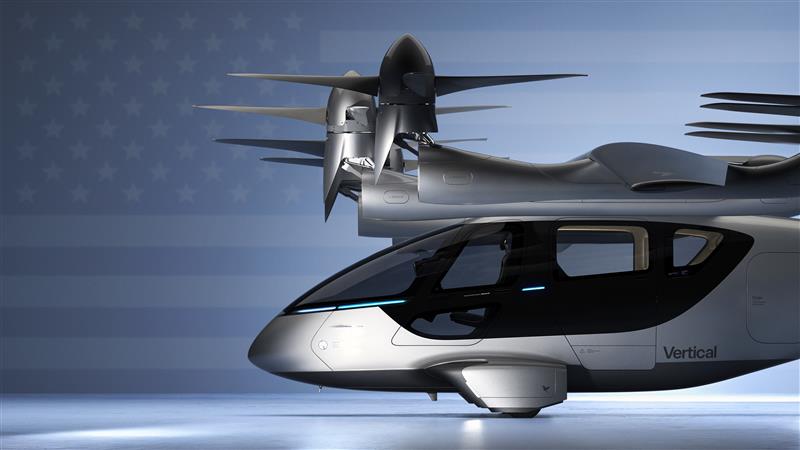
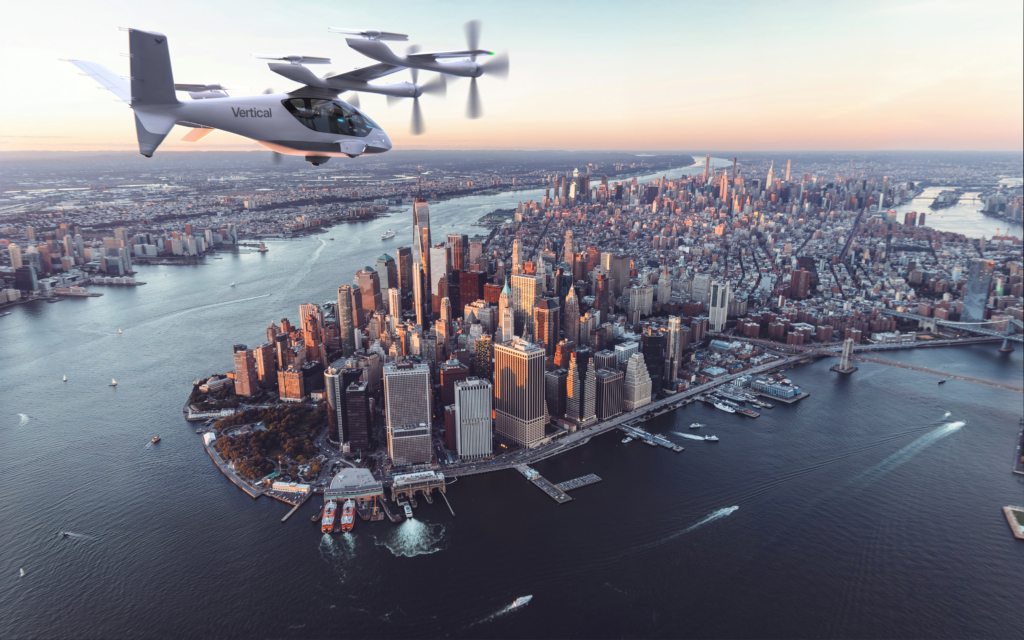
The timing is notable. Vertical has been publicly showcasing Valo in major US cities as part of its commercial push, including New York earlier this year and Miami this week. Those events closely mirror Archer’s own 2025 demonstrations of Midnight and its proposed air taxi networks in the same cities.
Archer’s complaint states that Vertical has “knowingly, willfully, and in reckless disregard leveraged and exploited the substantial goodwill and reputation associated with Archer’s patented designs,” adding that the alleged infringement is “readily apparent from a visual comparison”.
Vertical Aerospace rejects Archer lawsuit, defends independently developed design
Vertical has positioned the lawsuit as a distraction from execution and certification progress.
“Vertical’s aircraft architecture, proprietary technology stack and certification pathway have been independently developed over many years and are protected by a robust portfolio of intellectual property rights,” said Domhnal Slattery, Vertical Aerospace Chair.
“Our focus remains firmly on execution and certification,” he continued. “That is where sustainable value is created – and that is where we are leading.”

The company has emphasised that its aircraft architecture and technology stack were developed independently and form part of a broader international intellectual property portfolio.
The dispute sets up a high-profile transatlantic clash between two of the most visible publicly listed eVTOL developers, both of which are racing toward certification milestones.
Investor reaction: Raymond James downgrade and eVTOL capital concerns
The filing coincided with renewed investor scrutiny of Vertical’s financial position. Raymond James downgraded Vertical’s stock from Hold to Sell, citing concerns about liquidity and the company’s ability to raise capital in current market conditions. The analyst reportedly maintained an Outperform rating on Archer.
In its downgrade note, Raymond James also pointed to Archer’s decision to establish a UK engineering hub in Bristol, warning that the move could increase the risk of Vertical losing engineering talent in a region long associated with its own operations.
Capital discipline is increasingly defining the advanced air mobility sector. With certification costs rising and commercial service timelines stretching, access to funding has become as critical as technical progress.
What the Archer–Vertical dispute means for eVTOL certification and competition
Beyond the immediate legal dispute, the case reflects mounting competitive pressure as the eVTOL field narrows.
Both companies are advancing toward certification under different regulatory pathways, with Archer working closely with the FAA and Vertical pursuing certification with the UK Civil Aviation Authority and European regulators, alongside engagement in the US.

As programmes mature, intellectual property becomes a strategic moat. Design differentiation influences brand recognition and public perception, while proprietary flight control systems and energy management architectures sit at the heart of safety cases and certification data packages.
Litigation at this stage signals that the battle is shifting from concept renderings to defensible technology and capital resilience.
Whether the dispute proceeds to trial, settles privately, or reshapes competitive positioning remains to be seen. What is clear is that as electric aviation edges closer to commercial reality, rivalry is intensifying, and the courtroom may become as consequential as the test range.
Featured image: Vertical / Archer / AGN