Iran impact: Which airlines have cut, cancelled or rerouted Middle East flights

January 26, 2026

With an escalation of tensions and an uptick in the political rhetoric surrounding US-Iran relations over recent days, airlines have been changing flights to destinations across the Middle East, including Dubai, as the war of words continues.
With the build-up of a US military task force in the Arabian Gulf, combined with increasingly confrontational rhetoric from President Trump last week, analysts expect conditions to worsen before they get better as the airline industry takes precautionary measures.
Note: This is a developing situation, and this story will be updated as more information or changes come to light over the coming days.
Airlines cancel and reroute Middle East flights as regional tensions rise
Since last week, several major international airlines have been making changes to routings and schedules that serve destinations around the Middle East. While some flights have been temporarily suspended, others have seen adjusted flight paths, following airspace safety guidance.
On 16 January, the European Union Aviation Safety Agency (EASA) issued a Conflict Zone Information Bulletin (CZIB) formally recommending that airlines avoid Iranian airspace at all altitudes.
Regulators warn that domestic instability and heightened military readiness can increase misidentification risks for civil aircraft, leading authorities to recommend airspace avoidance.

With relations between Washington and the Iranian government deteriorating, airlines have begun making precautionary changes to operations in and around the region, informed by guidance from aviation authorities, security advisers and insurers.
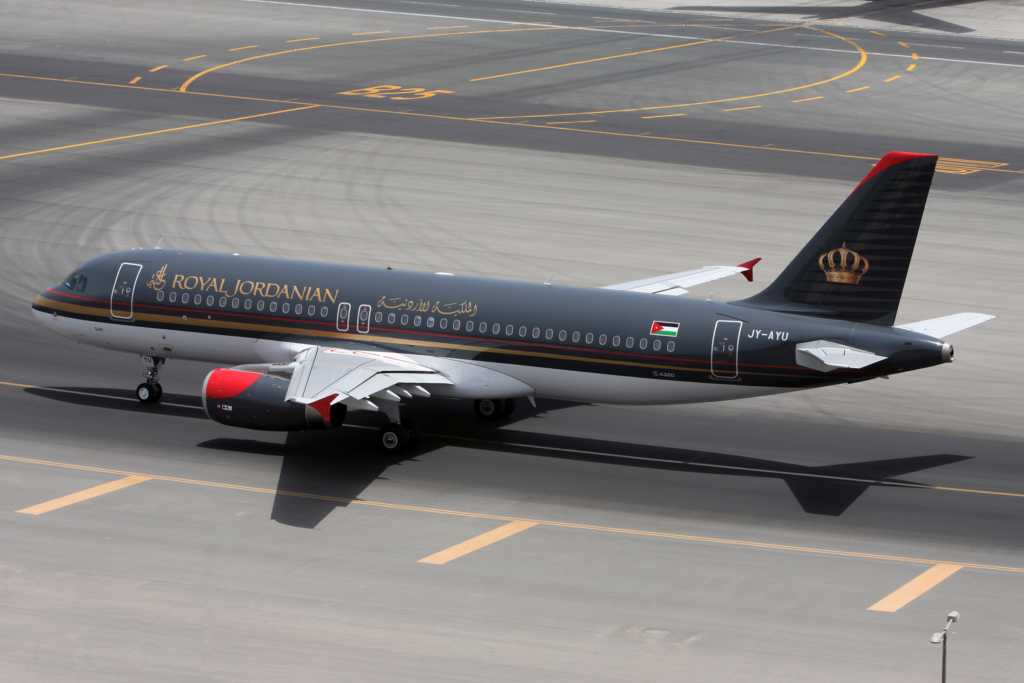
So far, the changes have affected routes to Israel, cities in the Gulf Cooperation Council (GCC) states, Jordan, and parts of Central Asia and the South Caucasus.
According to Condé Nast Traveller, several European, North American and Asian carriers have already confirmed cancellations or operational changes to flight routes across the region.
Which airlines have suspended Middle East flights?
Below is a summary of the status of operations at the end of Monday, 26 January.
| Airline | Current status | Affected routes / destinations | Operational notes |
|---|---|---|---|
| Air France | Operating Services resumed after brief disruption | Paris–Dubai (and select Middle East services) | Carrier said it is monitoring the situation closely, following a short-lived suspension window reported over 23–24 Jan. |
| KLM |
Resuming Dammam & Riyadh back to regular schedule from 27 Jan Under review Dubai & Tel Aviv |
Dubai, Dammam, Riyadh, Tel Aviv | 26 Jan statement: operations to Dammam and Riyadh resume 27 Jan, “options” for Dubai and Tel Aviv still being explored. Avoids certain regional airspace per safety analysis. |
| British Airways | Operating Services resumed after temporary pauses | London–Dubai (select overnights), London–Bahrain (temporary pause) | Short-term adjustments reported, with services subsequently restored as assessments evolved. |
| Lufthansa Group (Lufthansa, SWISS, Austrian) |
Adjusted Daytime-only operations on select routes | Tel Aviv, Amman (day flights), broader Middle East network | Group shifted TLV/AMM to day flights (same-day returns to avoid crew layovers), with some cancellations possible, and extended the measure through end-Jan per group guidance. |
| United Airlines | Suspended Select services paused | Tel Aviv | Carrier withdrew TLV service again amid the current escalation window, subject to review. |
| Air Canada | Suspended Select services paused | Tel Aviv | Joined United in pausing TLV operations during the heightened period, with ongoing review. |
| Wizz Air | Rerouting Operating with adjustments | Westbound Gulf services (e.g., via Larnaca/Thessaloniki for tech stops) | Airspace avoidance has triggered longer routings and occasional refuelling/operational stops on some rotations. |
| IndiGo | Suspended Select routes paused | Almaty, Baku, Tashkent, Tbilisi | Suspensions linked to airspace avoidance and the knock-on impact of longer routings on narrowbody operations. |
| Emirates | Operating Network largely maintained | Regional network incl. Europe links (e.g., Amsterdam) and Gulf connections | Continuing to operate, with some services rerouted around higher-risk airspace, adding time to certain flights. |
| flydubai | Mixed Operating with selective cancellations | Some Iranian city pairs (incl. Tehran, Mashhad, Shiraz mentioned in reporting) | Maintaining much of its network but cancelling select Iran services while other flights reroute around impacted FIRs. |
| Qatar Airways | Operating With reroutes as required | Regional long-haul and Gulf connections | Continuing operations, with some routings adjusted around risk areas, consistent with broader carrier practice. |
Air France briefly suspended select Middle East services on 23 January, including its Paris–Dubai route, before resuming operations the following day. The carrier said it continues to closely monitor the security situation. At the time of writing, flight AF662 was operating normally to Dubai.
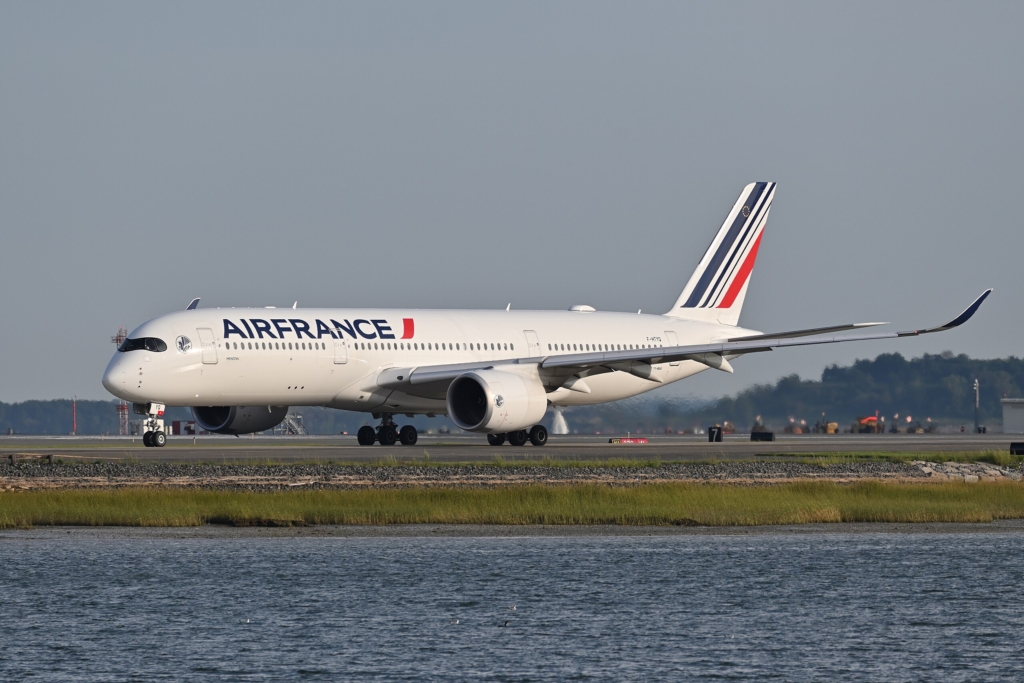
Dutch carrier KLM initially cancelled flights to Dubai, Dammam, Riyadh and Tel Aviv on 23–25 January and avoided the airspace of Iran, Iraq and Israel. However, according to its statement on 26 January, KLM will resume regular services to Dammam and Riyadh from 27 January, with decisions on flights to Dubai and Tel Aviv still under review.
Emirates is continuing to serve Amsterdam Schiphol Airport (AMS) with a twice-daily service.
On the same date, UK carrier British Airways halted two of its overnight flights to Dubai, following a temporary suspension of flights to Bahrain, home to the US Navy’s Fifth Fleet. However, by Monday, 26 January, flights had resumed between London Heathrow (LHR) and Bahrain (BAH), as well as to Dubai.
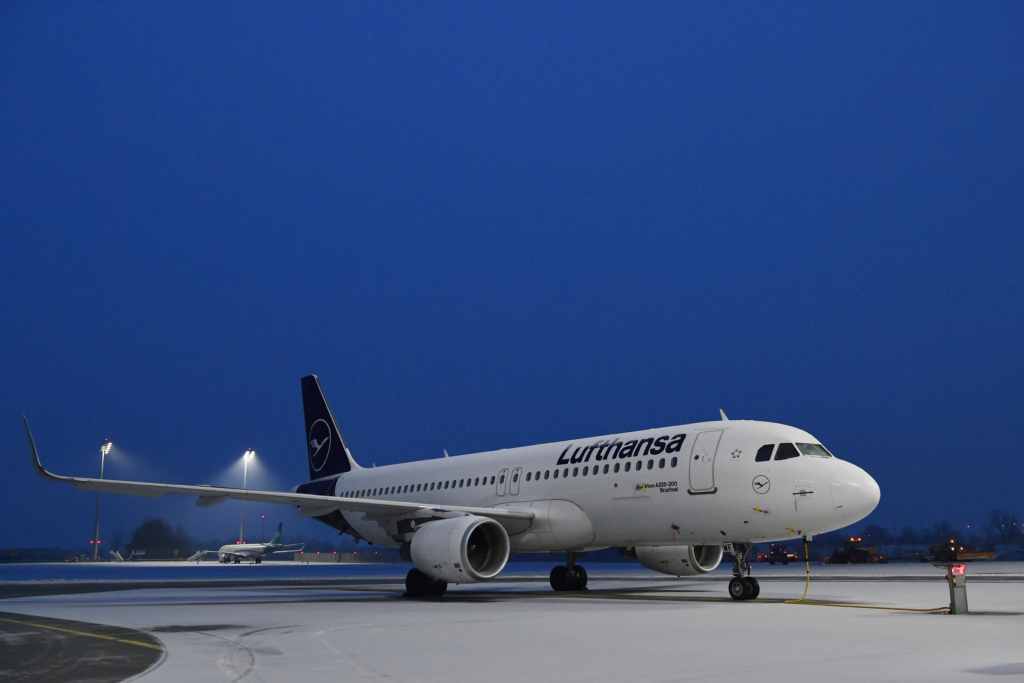
Elsewhere, members of the Lufthansa Group, including Lufthansa, SWISS, and Austrian, have all suspended overnight flights to Tel Aviv (TLV) and Amman (AMM), while restricting operations to other destinations to daytime-only services, which can allow for crews to avoid layovers in the region.
Lufthansa itself, which had been planning to resume flights to Tehran (THR) earlier in January but later had its plans scuppered at the last minute by airspace restrictions, has now suspended its intentions to serve the Iranian capital directly from Frankfurt until 28 March at the earliest.
Having offered an intermittent service to Tel Aviv since the Hamas terrorist attacks of 7 October 2023, United Airlines has once again withdrawn service to the Israeli capital. The carrier has been joined in this action by fellow Star Alliance founding member, Air Canada.
While not suspending flights entirely, some carriers, such as Wizz Air, have been warning passengers that, due to the avoidance of Iranian and Iraqi airspace, some westbound flights originating from Dubai and Abu Dhabi are making technical refuelling stops in either Larnaca (LCA) in Cyprus or Thessaloniki (SKG) in Greece.
Also avoiding Iranian airspace, India’s largest airline, IndiGo, has suspended flights to and from Almaty, Baku, Tashkent and Tbilisi, after India’s Directorate General of Civil Aviation (DGCA) advised operators to avoid Iranian airspace. The airline said the routes cannot be operated viably with the longer diversions required, given the range limitations of its Airbus A321neo aircraft.

Some of the major Gulf carriers, including Emirates, flydubai, and Qatar Airways, are continuing to operate across the region; some flights are being heavily rerouted around the Tehran Flight Information Region (FIR).
This has seen between 30 and 90 minutes being added to some flight times. Flydubai has also cancelled several services to Iranian cities, including Tehran, Mashhad and Shiraz, over the last week.
Some Middle East airports have been more affected than others
While the overall picture remains fluid, some airports have been more affected by suspensions and cancellations than others. The relative importance of some of these airports has meant that both point-to-point and connecting passengers have been widely affected.
Tel Aviv had seen widespread temporary pauses by major Western carriers, although by 26 January, carriers such as British Airways, Air France, and Lufthansa were all continuing to operate as normal.
Airports in Dubai and Abu Dhabi had experienced suspension of a handful of evening departures, while some other flights saw their flight routes being adjusted to avoid Iranian airspace, with associated longer flight times.
Riyadh (RUH) and Dammam (DMM) had also seen certain targeted cancellations by European airlines, including KLM, although the Dutch carrier had resumed flights to both cities by 26 January. Meanwhile, Lufthansa Group carriers restricted operations to daylight-only operations.
Amman saw flights to and from India operated by IndiGo at risk of being cancelled at short notice due to major airspace closures on the routes involved. In the meantime, Iranian and Iraqi airspace continues to be avoided entirely by most Western airlines.
Why airlines are being warned to avoid Iranian airspace
Following widespread protests in Iran against the ruling government, the US has been ramping up pressure on Tehran to scale back its retaliatory action.
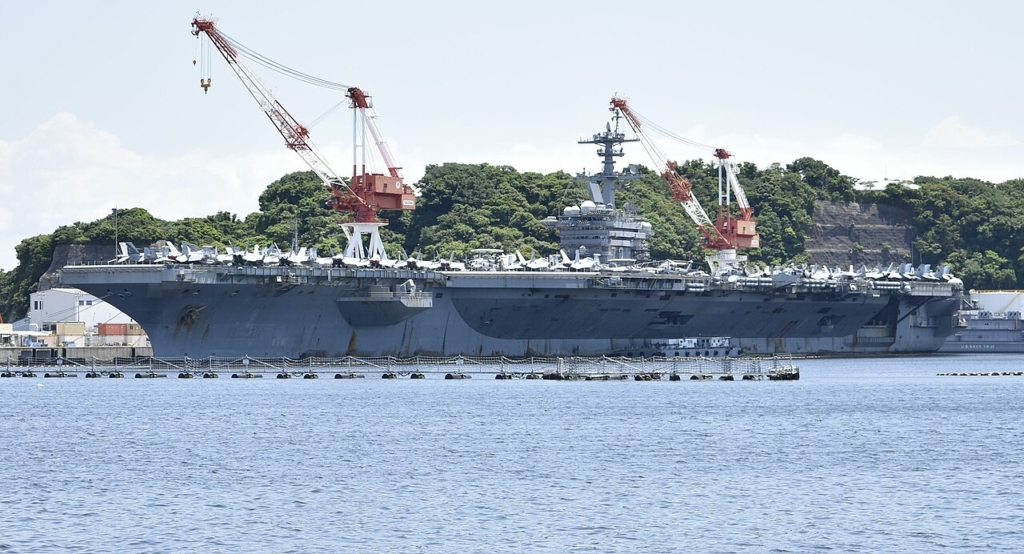
As a result, aviation risk assessors have been ratcheting up their advice to airlines operating in the region. In the last few hours, the tone of these warnings has escalated further following the arrival of the aircraft carrier USS Abraham Lincoln in the Middle East.
With tensions running high, national aviation authorities are watching events on an hourly basis in case the situation suddenly deteriorates.
Aircraft insurers are likely to be the first to stop airline operations in the region should they believe that aviation assets are potentially under threat, as was recently seen over Venezuela.
Advice for passengers affected by Middle East flight changes
In light of the delays and disruptions, airlines have been offering refunds and flexible rebooking options, though policies vary between carriers. Travellers transiting through Dubai or Riyadh have been advised to monitor connections closely for possible knock-on delays.
Additionally, as reported by Middle East Monitor, Israeli airline El Al has announced a new service that allows passengers to cancel flights and receive a full credit voucher with no extra charges.
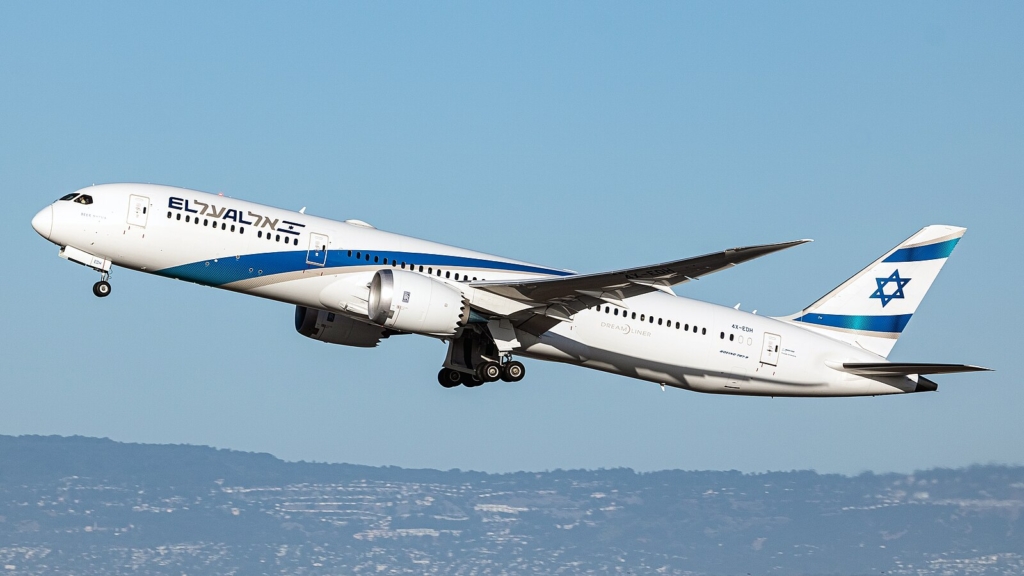
The new service, called “Travel with peace of mind,” will be available to new ticket buyers from 26 January initially for a period of two weeks. It allows passengers to cancel their tickets for any reason up to 48 hours before departure and receive a full credit voucher, without facing any cancellation charges.
The service will be free at the time of purchase and applies only to new bookings for flights to and from Tel Aviv to all El Al destinations until 17 March.
Featured image: EL AL