Why aircraft engines used to have water injection, and why they don’t anymore

March 8, 2026
The concept of water injection in aircraft engines is to enhance performance, particularly during heavy, hot, and high takeoffs. Water injection lowers the air intake temperature, resulting in denser, oxygen-rich air. The increase in air mass flow rate, along with higher pressures and temperatures, is generated for combustion. As a result, a 10-15% increase in thrust, depending on operating conditions, can be achieved.
The water injection technique was used on older, low-bypass turbojet engines that lacked the required power under abnormal conditions. During heavy and/or high-altitude departures, turbojet engines often struggled to produce sufficient takeoff power. Water injection into the engine during takeoff and initial climb delivered the maximum thrust required for safe departure.
Today’s high bypass ratio engines have eliminated the need for such a power boost. Modern turbofan engines are designed to consume large volumes of air and generate the required thrust by only compressing a fraction of air through the engine core. The significant performance leap eliminated the need for water injection systems in modern jet engines.
| Pratt & Whitney JT9D | General Electric CF6-80 | |
|---|---|---|
| Aircraft Application | Boeing 747-100 and -200 | Boeing 747-400 |
| Water Injection | Yes | No |
| Fan Diameter | 93.4 inches (2.3 m) | 93.1 inches (2.3 m) |
| Bypass Ratio | 4.8:1 | 5.3:1 |
| Maximum Thrust | 56,000 lbf | 62,000 lbf |
| Overall pressures ratio | 26.7 | 31.8 |
The use of water injection began during WWII
The water injection technique was used on various military aircraft during World War II. Combat jets utilised water or water-based liquids to enhance engine performance during the most critical phases of flight.
High-performance jets like the North American F-86 Sabre, equipped with a General Electric J-47 engine, used water injection. The onboard system provided thrust augmentation for improved takeoff and climb performance.
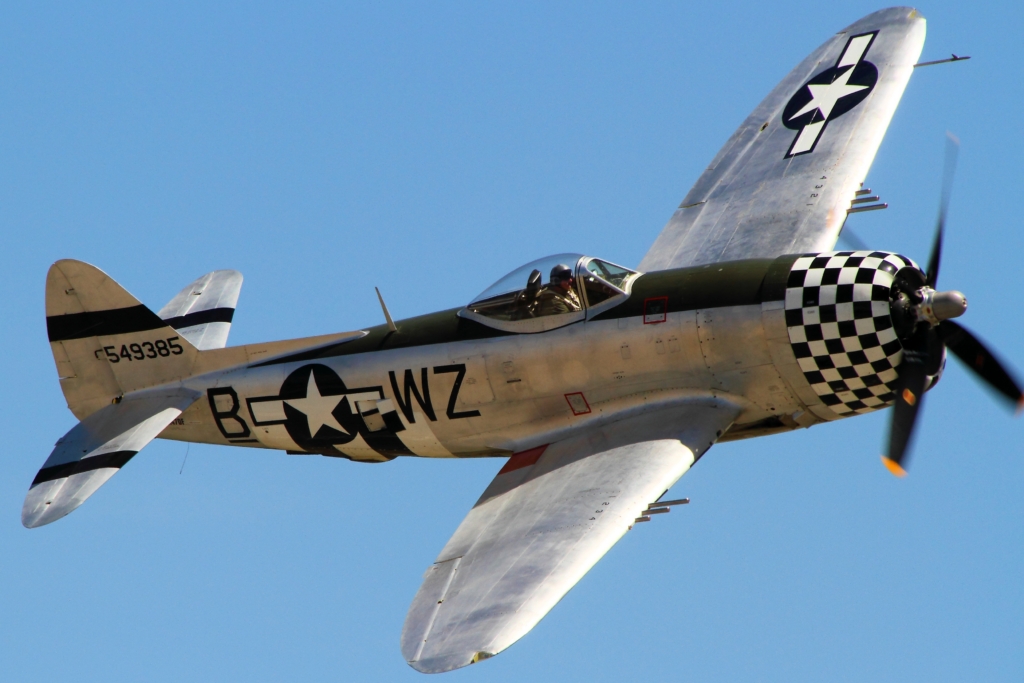
Similarly, the P-47 Thunderbolt and the P-38 Lightning were fitted with water injection systems to increase combat performance. Apart from takeoff and climb, high-thrust combat manoeuvres greatly benefited from the power boost. Notably, due to the limited water supply onboard, the system was only sparsely used when it mattered the most.
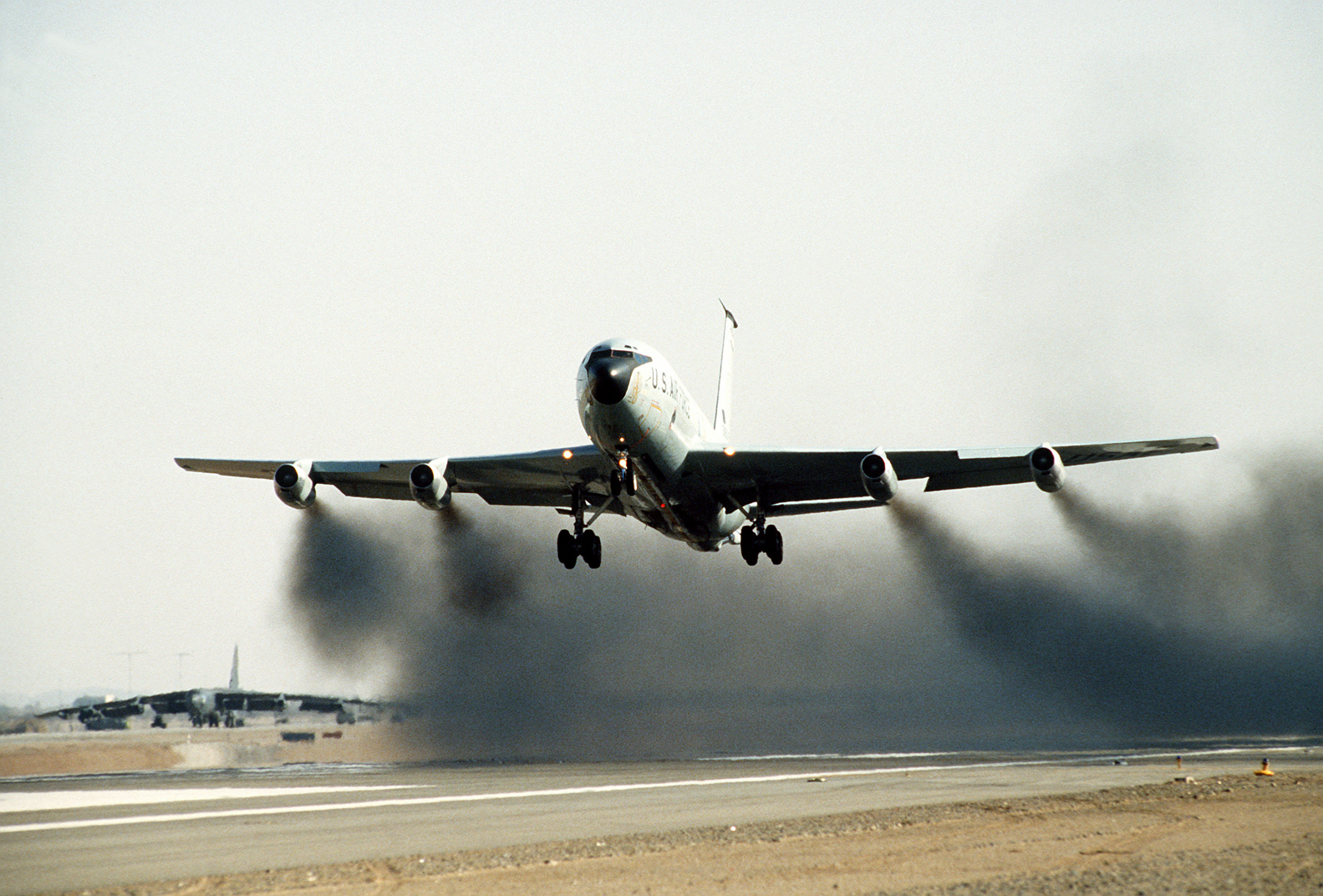
Aerial refuellers like the Boeing KC-135 rely on water injection for hot and high takeoffs. In the 1960s and 1970s, heavy commercial aircraft like the early Boeing 707s and 747s utilised water injection to ensure safe takeoff performance.
Benefits and challenges of the water injection system
When water is injected into the hot engine, it evaporates, absorbing heat from the surrounding air. The process lowers the temperature within the compressor while increasing air density. Denser air means more oxygen is available for combustion, thereby increasing engine performance. The temporary power boost offers greater thrust at most critical phases of flight.
Early engines that operated in hot conditions particularly benefited from water injection techniques to minimise internal temperatures and enhance performance. Water injection also prevents engine wear, allowing greater wing time and lower maintenance. The ability to temporarily boost thrust allowed military aircraft to enhance combat performance, particularly during crucial manoeuvres.
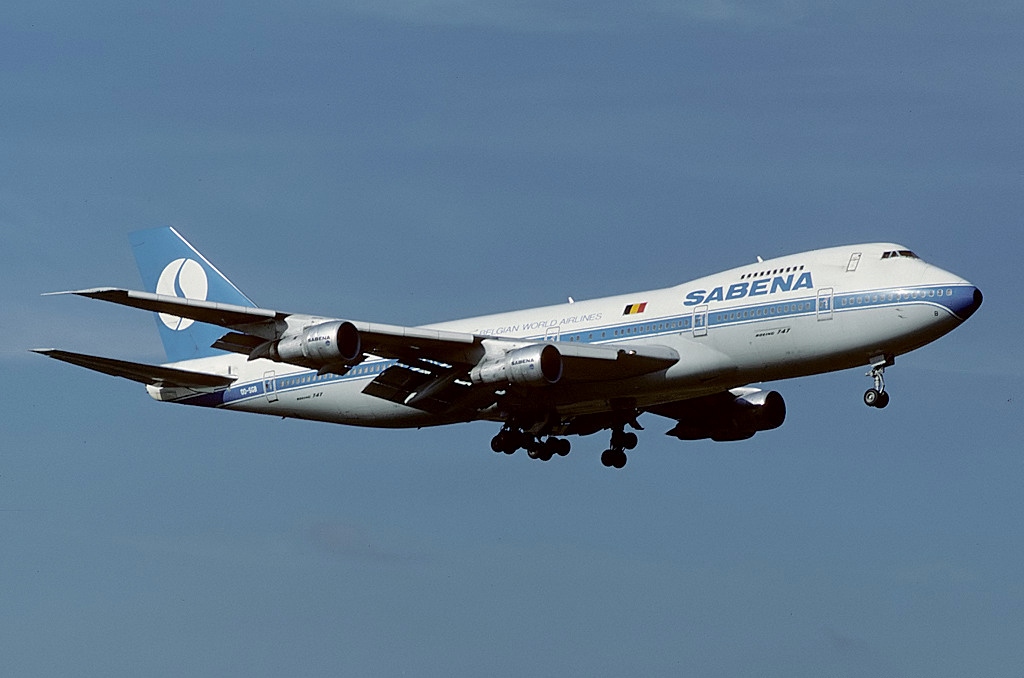
Modern engines feature advanced internal cooling techniques to reduce internal temperatures, eliminating the need for water injection. Moreover, larger fans consume more air and produce much greater thrust in all conditions.
Water storage and its weight are the greatest drawbacks of the water injection process. Such aircraft are equipped with water tanks that act as dead weight throughout the flight. While the performance advantages outweigh the weight limitations, the system creates an added complexity to the engine design. Moreover, it compromises the overall performance reliability while requiring greater maintenance of the system.
Featured image: USAF