


The widebody that just won’t quit: 45 years of the Boeing 767

7 min read
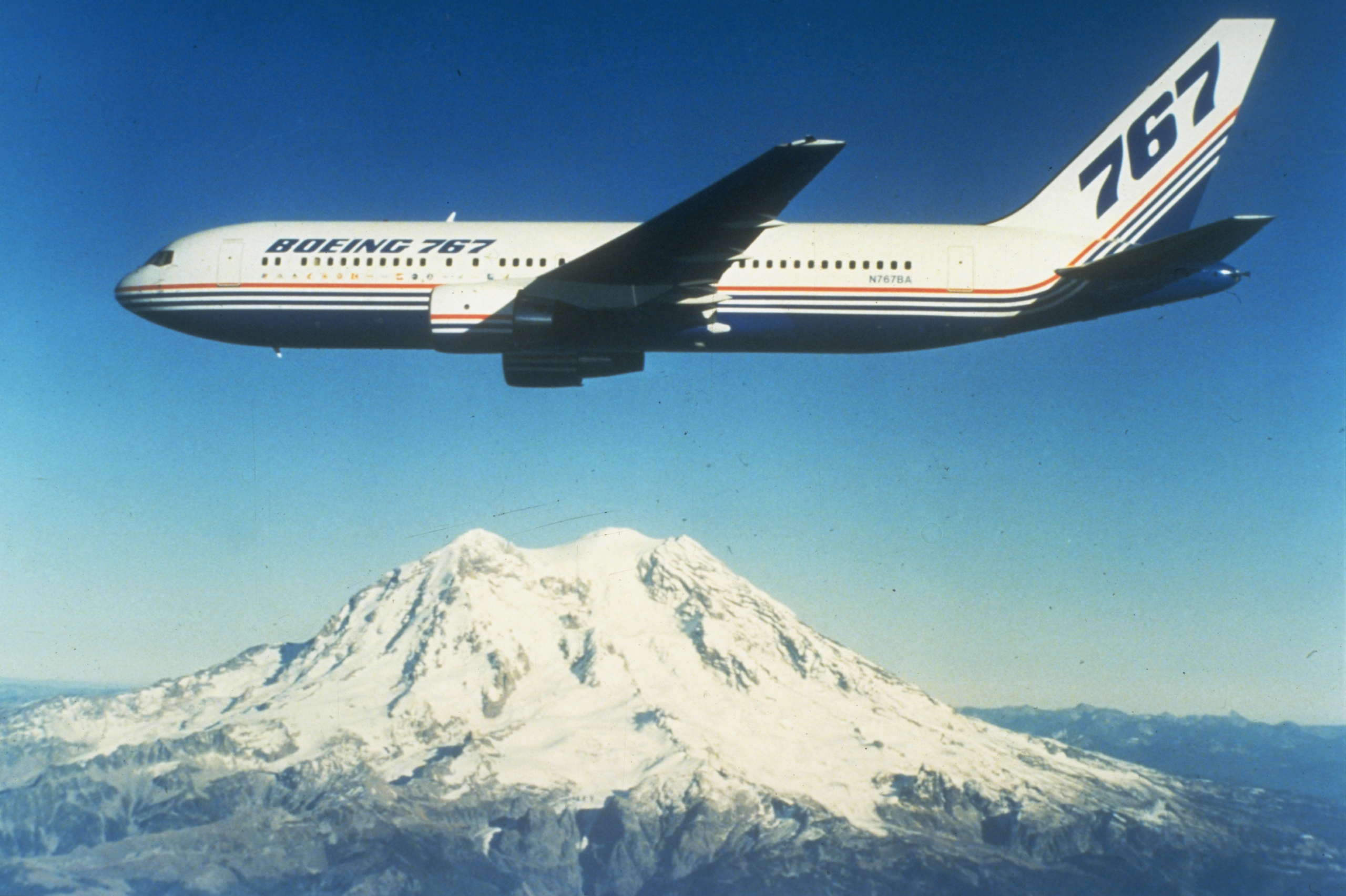
On 26 September 1981, a new Boeing aircraft lifted off from Paine Field (PAE) in Everett, Washington, for the first time. It was the Boeing 767-200, the first member of a family that would go on to reshape the economics of long-distance air travel.
45 years later, the 767 remains in service around the world, not simply as an ageing passenger aircraft, but as one of the most successful freighters and military tanker platforms developed from a commercial airliner.
1981: The birth of a twinjet legend
The 767 was conceived during a period of major change in commercial aviation. Airlines wanted aircraft that could carry more passengers than narrow-body jets while costing less to operate than the multi-engined Boeing 747s and McDonnell Douglas DC-10s that dominated international routes.
Boeing’s answer was a relatively compact, twin-engined wide-body combining new aerodynamics, advanced avionics and a two-person flight deck.
The result was an aeroplane that, although less glamorous than the 747 or Concorde, arguably had a more profound influence on the shape of modern airline networks.
The origins of the 767 can be traced to Boeing’s work during the 1970s on a new generation of efficient commercial aircraft. Boeing developed the 767 alongside the narrow-body Boeing 757, sharing elements of cockpit philosophy and systems between the two aircraft.
This commonality would eventually allow pilots to move between the types with relatively limited additional training.
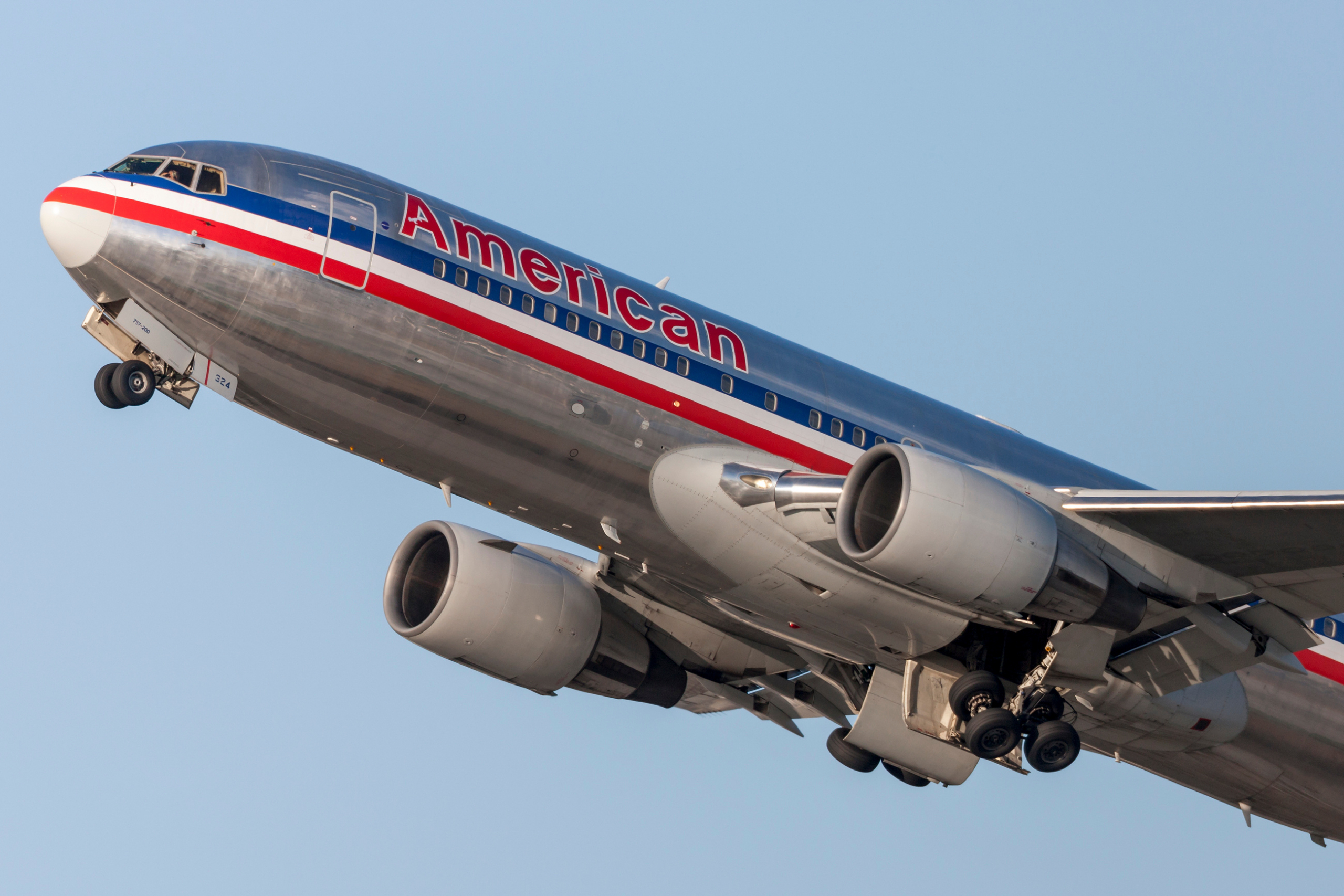
The 767 was designed as a twin-aisle aircraft, but smaller than the 747. The original 767-200 could carry roughly 216 to 290 passengers depending on configuration, with a range extending to several thousand miles. Its first flight on 26 September 1981 marked an important step towards a new generation of twin-engined wide-body aircraft.
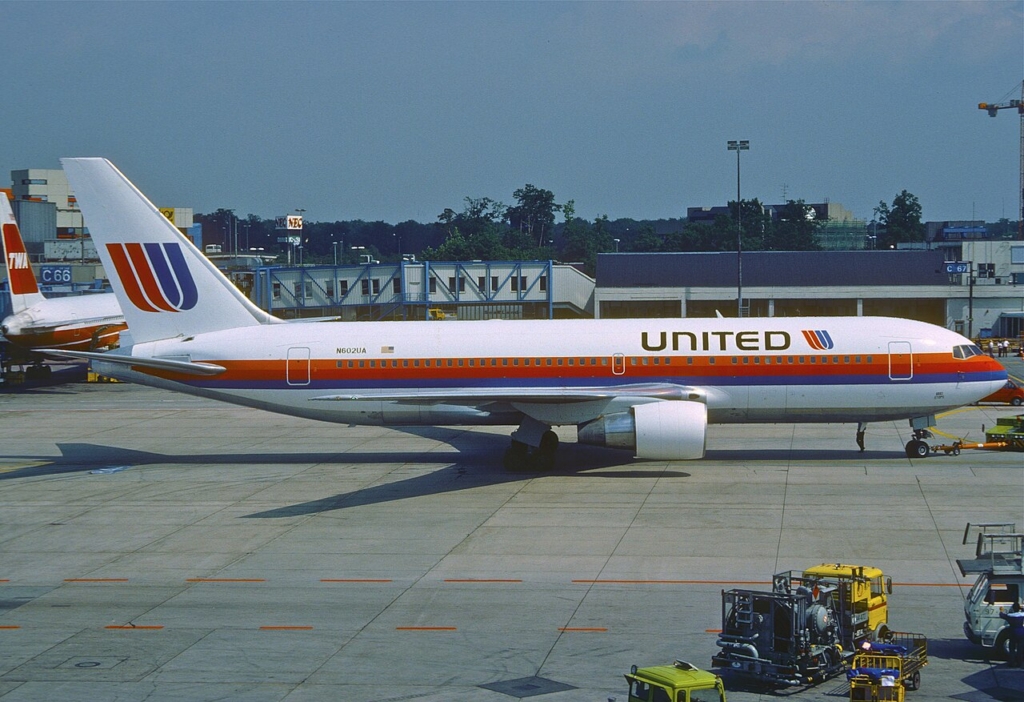
United Airlines became the launch customer, and the 767 entered commercial service in 1982. Early aircraft were powered by Pratt & Whitney JT9D engines, with General Electric and Rolls-Royce powerplants subsequently becoming available.
Technologically, the 767 was significant. Its two-person cockpit reduced the flight crew from the three-person flight decks common on earlier wide-bodies, while its electronic flight instruments represented a major transition towards the digital cockpits that would become standard on later airliners.
The aircraft was also designed around a philosophy that would become increasingly important: efficiency rather than sheer size.
The aircraft that changed long-distance flying
Perhaps the 767’s greatest contribution to aviation was not a particular piece of technology, but the way it changed the economics of routes. During the early years of the jet age, long-distance services were frequently operated by three- or four-engined aircraft.
Twin-engined aircraft faced restrictions on how far they could fly from a suitable diversion airport because of concerns about engine reliability.
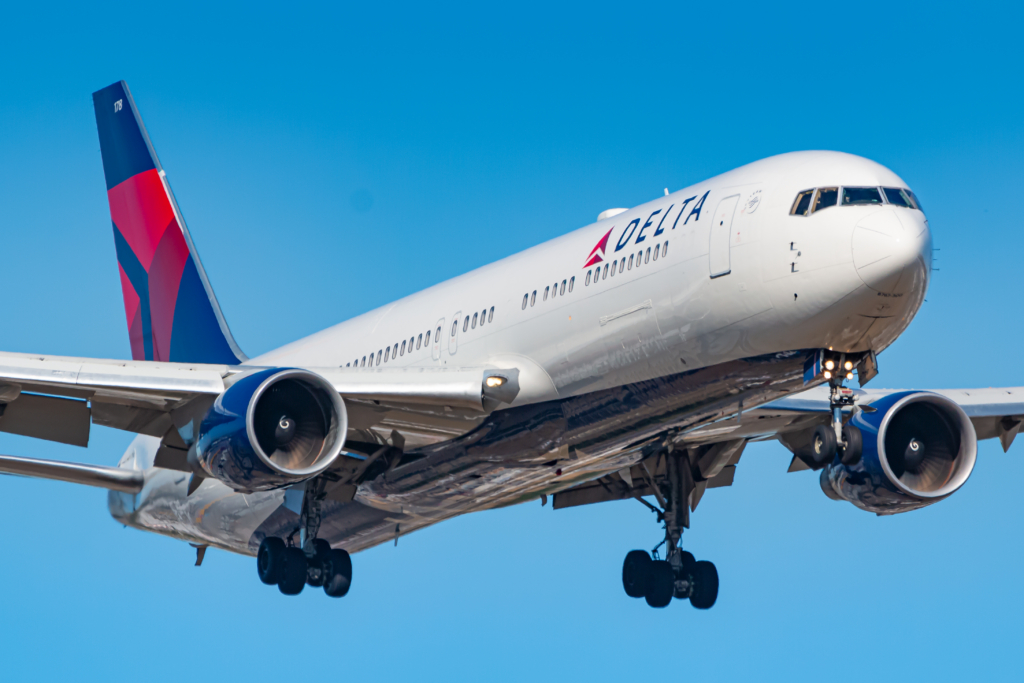
The arrival of increasingly reliable turbofan engines, combined with aircraft such as the 767, helped challenge that assumption. The regulatory concept that emerged was ETOPS (Extended Operations with Two Engines) aircraft.
In 1985, the FAA permitted approved twin-engined aircraft to operate up to 120 minutes from a suitable diversion airport, with this being extended to 180 minutes in 1988.
The 767 became one of the aircraft most closely associated with this revolution. Suddenly, airlines could operate economically viable transatlantic services with a relatively small wide-body aircraft.
Instead of requiring hundreds of passengers to fill a 747, airlines could connect cities with much smaller passenger flows.
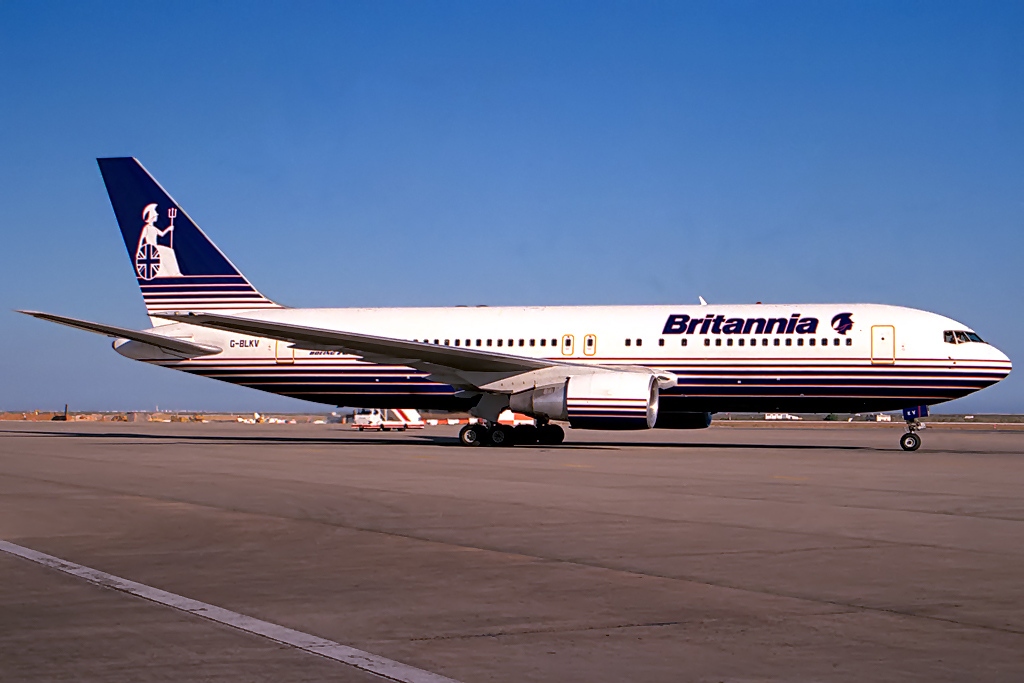
This was an important step towards the hub-and-spoke and long-haul network models that dominate modern aviation. The 767 helped make it practical to serve secondary cities directly rather than concentrating every long-distance passenger through a handful of major hubs.
Evolution of the family
Boeing steadily expanded the 767 family. The 767-200ER introduced greater range, while the stretched 767-300 provided additional passenger capacity.
The 767-300ER became particularly successful, combining the larger fuselage with increased range and becoming one of the most recognisable and employed variants.
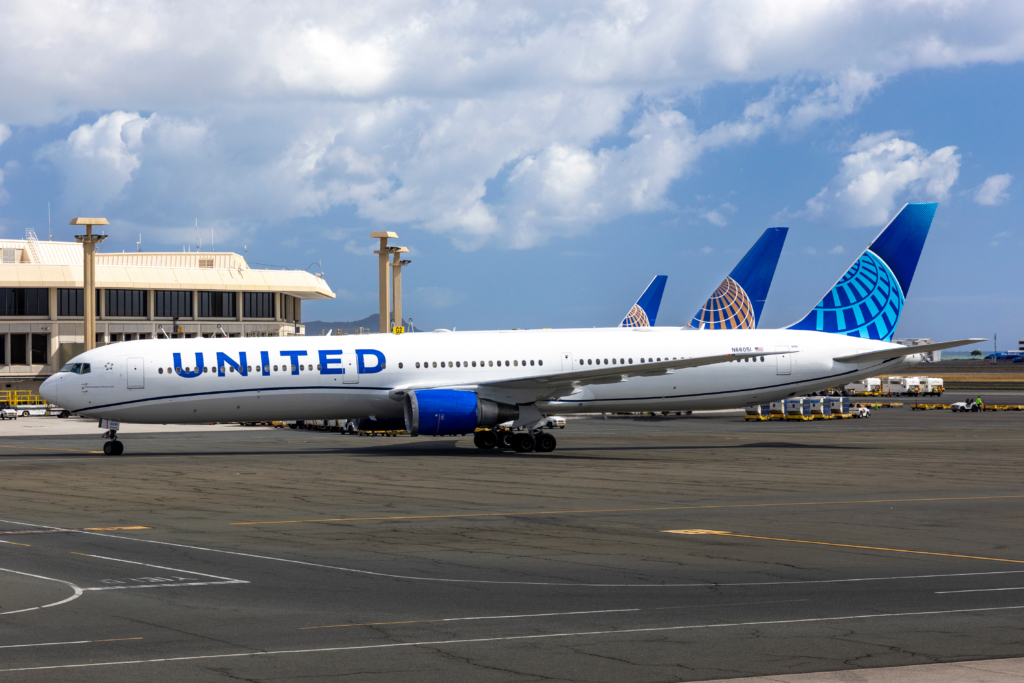
Later came the 767-400ER, which first flew in 1999. It was longer again and incorporated a number of features intended to modernise the aircraft. Boeing ultimately produced five principal passenger versions: the 767-200, 767-200ER, 767-300, 767-300ER and 767-400ER.
The aircraft’s career was not without setbacks. In May 1991, Lauda Air Flight 004, a 767-300ER, crashed following an uncommanded thrust-reverser deployment shortly after take-off from Bangkok, killing all 223 people aboard.
The investigation led to significant changes to thrust-reverser systems and regulatory requirements.
From passenger jet to cargo workhorse
The 767’s second life as a freighter may ultimately prove to be just as important as its passenger career. Boeing flew the first 767-300 Freighter in June 1995, with UPS among its early customers.
The combination of a wide-body fuselage, relatively modest size, good range and efficient twin-engine configuration made the aircraft attractive to cargo operators.
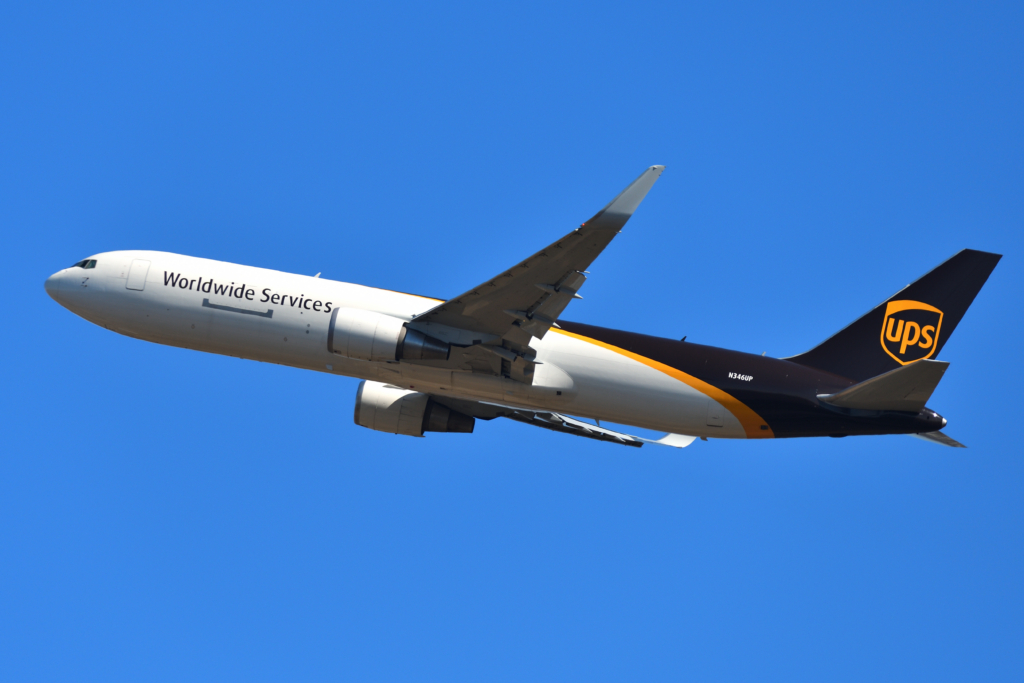
Express freight companies, in particular, found the 767 ideally suited to their networks. FedEx became the largest operator of 767-300 Freighters, and the aircraft became a familiar sight at cargo airports around the world.
By the late 2010s, Boeing had built more than 1,200 767s, and the manufacturer was increasing production to meet freighter demand.
Passenger 767s have also been converted into freighters. Boeing’s 767-300BCF programme has allowed older passenger aircraft to receive a new lease of life carrying parcels, mail and general cargo.
In 2026, Boeing and SCAT Airlines of Kazakhstan announced plans to convert another 767-300ER into a 767-300BCF, illustrating the continuing demand for the design nearly half a century after its first flight.
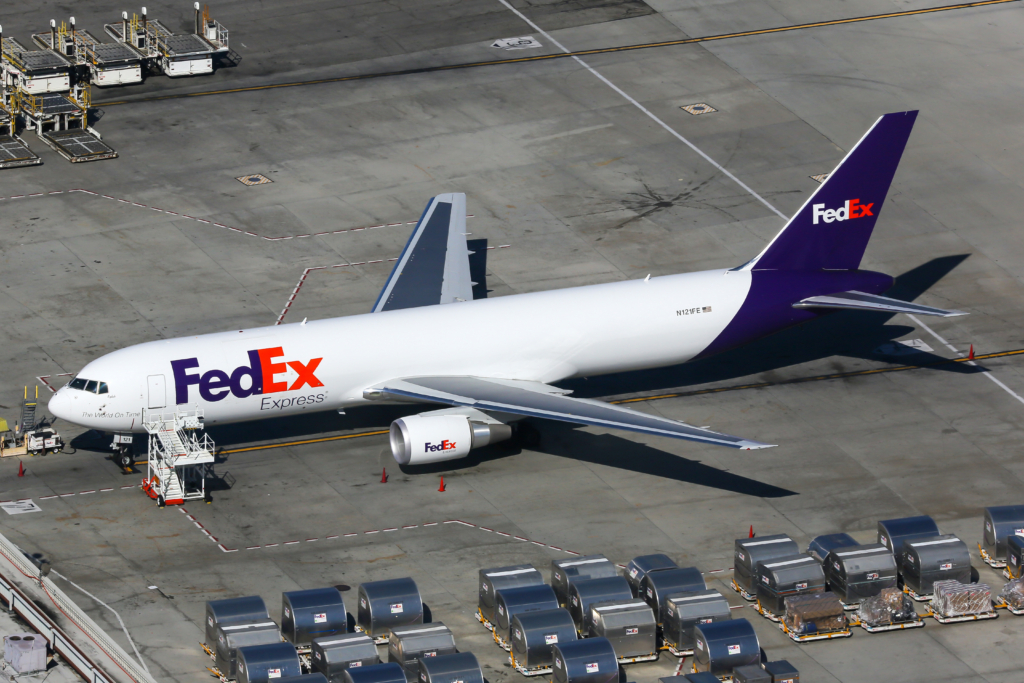
This longevity says something important about the original design. A passenger aircraft that first flew in 1981 remains commercially useful because its basic combination of payload, range, size and operating economics remains difficult to replace at exactly the same point in the market.
A platform beyond commercial aviation
The 767’s influence extends beyond airlines and freight. Its basic airframe has also been adapted for military applications.
Boeing developed the 767-2C as the basis for the KC-46A Pegasus aerial refuelling tanker for the United States Air Force. Other nations have operated or selected derivatives of the 767 for tanker and transport missions.
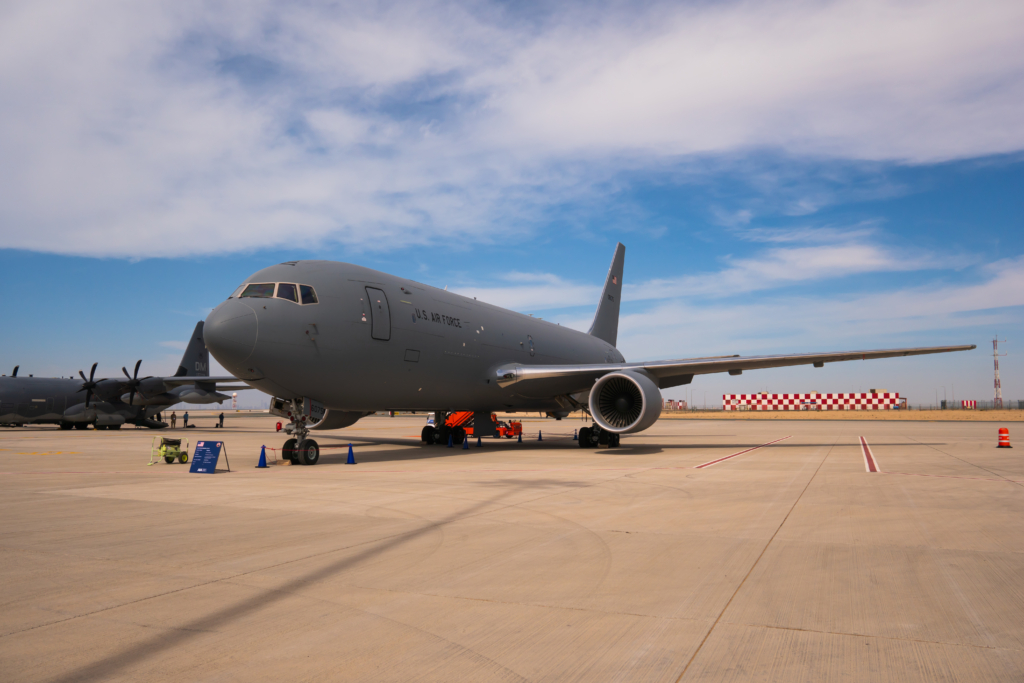
The KC-46 programme demonstrates the flexibility of an airliner design that was originally intended for passengers. A platform developed for commercial aviation has been adapted to carry fuel, cargo and personnel in a military environment.
The 767 at 45: an extraordinary afterlife
There is an interesting paradox about the 767 in 2026. The passenger version is unmistakably an aircraft of the late twentieth century.
Airlines have increasingly replaced their passenger 767s with newer aircraft such as the 787 and Airbus A330 families, which offer improved fuel efficiency, modern cabins and longer-range capabilities. Yet the 767 itself has proved extraordinarily difficult to retire completely.
The reason is economics. A cargo aircraft does not need the newest passenger cabin or latest entertainment system. What matters is payload, range, reliability, maintenance costs and the ability to move freight efficiently. The 767 remains strong on those criteria.
Boeing’s figures demonstrate that the programme is still active. The company delivered 30 767s in 2025, while in the first half of 2026 it delivered another 16.
But its final chapter is approaching. Boeing has said it intends to complete its remaining commercial 767 Freighter orders and conclude production of the commercial programme in 2027. Production of the 767-derived KC-46A tanker will continue.
What comes next for the 767?
The end of 767 production will not mean the end of the aircraft. Hundreds of 767s will continue flying for years, particularly as freighters. Converted aircraft will continue entering cargo fleets, while existing aircraft will receive maintenance and life-extension work.
The more significant legacy, however, is likely to be the idea that the 767 helped establish.
Modern long-haul aviation is built around efficient twin-engined wide-bodies. The Boeing 787, Airbus A330neo and A350 all operate within an environment that would have been much harder to imagine before ETOPS and the generation of aircraft that demonstrated the reliability and economics of long-range twins.
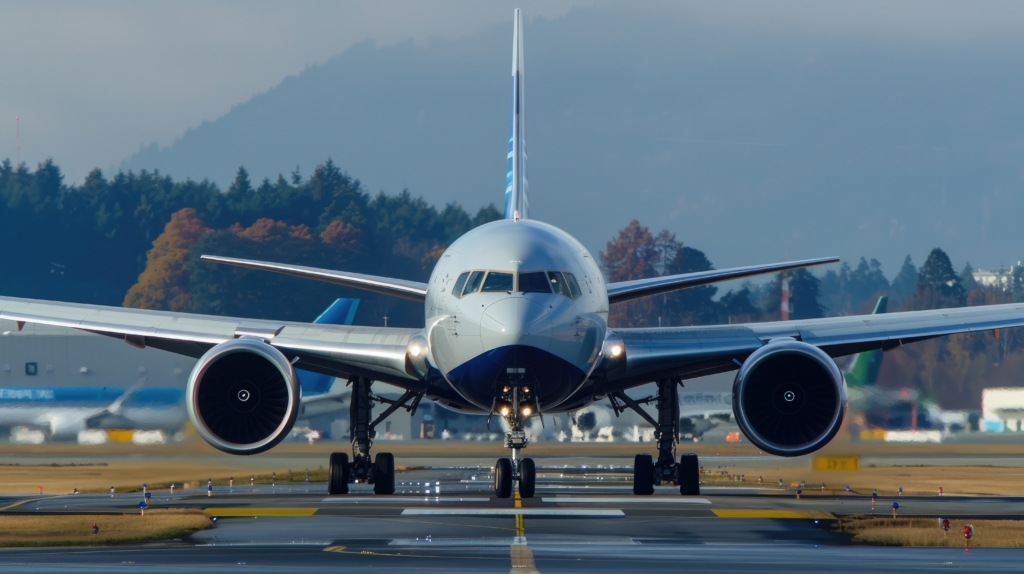
In that sense, the 767 was more than another Boeing product. It was part of the transition between the era of the four-engined wide-body and today’s highly efficient long-range twin.
Forty-five years after its first flight, the 767 is entering its final production chapter while remaining very much part of aviation’s present. Its passenger career may be largely behind it, but its cargo and military derivatives continue to demonstrate the strength of the original concept.
Few aircraft can claim such longevity. Fewer still can claim to have helped change the basic economics of global air travel. The 767 may have been designed in the 1970s and first flown in 1981, but its influence can still be seen every time a modern twin-engined wide-body crosses an ocean.
Sign up for our newsletter and get our latest content in your inbox.


More from


September 25, 20264 min read

September 25, 20264 min read

September 24, 20262 min read


