


US Airlines are cutting flights despite strong demand – here’s why

5 min read
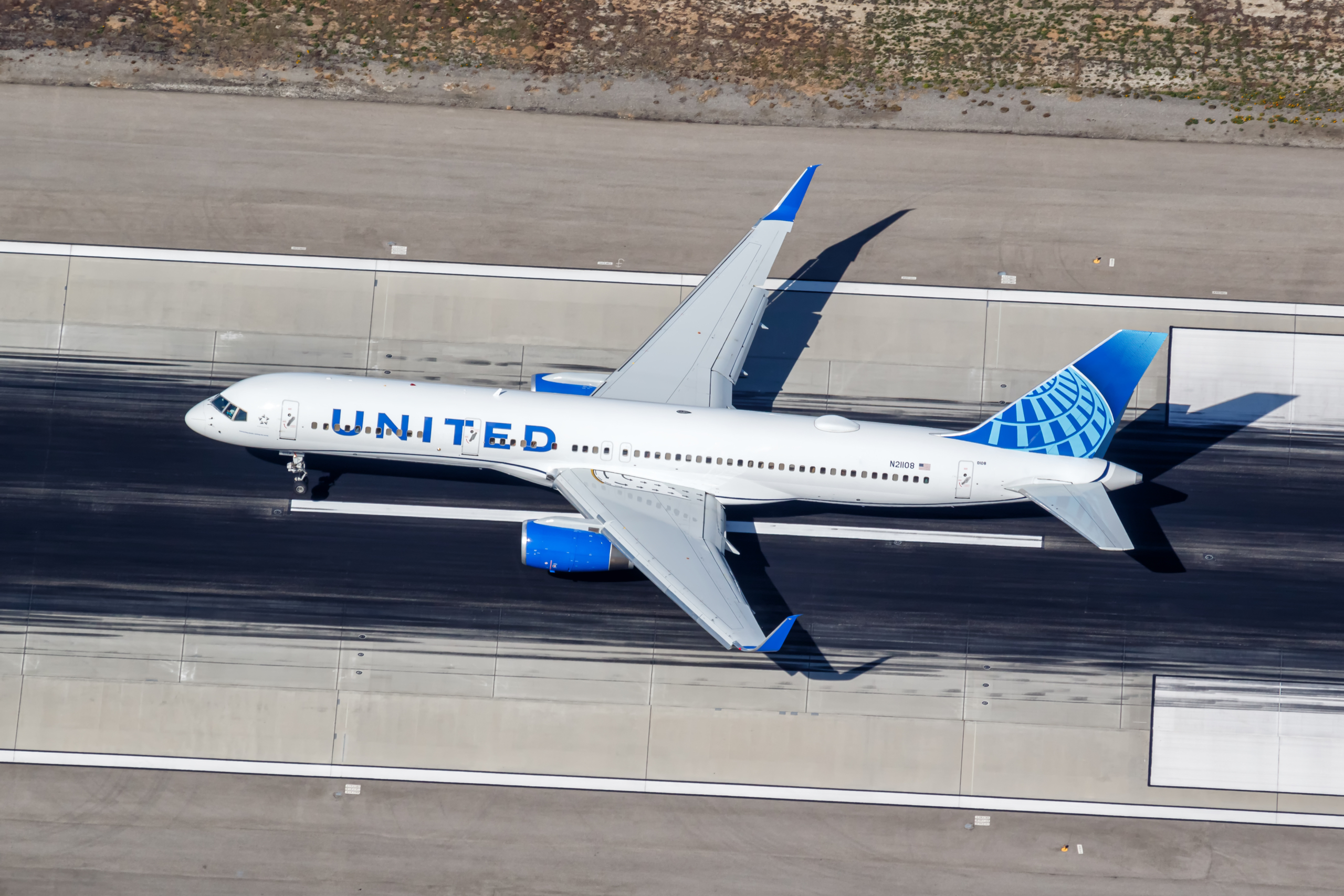
The US airline industry is facing an unusual problem in that passengers are still booking flights, but airlines are becoming less willing to operate them. American Airlines, United Airlines and Southwest Airlines are all scaling back planned flights as a sharp increase in fuel costs puts pressure on profitability.
The cuts may seem counterintuitive at a time when travel demand remains strong, fares have risen, and bookings continue to hold up. But the economics of operating an aircraft have changed quickly, forcing carriers to rethink which flights are worth keeping.
Rising fuel prices are stifling airline growth
According to a Reuters report published on 16 September, the latest surge in fuel prices is adding substantially to airlines’ costs.
American Airlines estimates that the recent increase alone will add roughly $1 billion to its fourth-quarter fuel bill. Its chief financial officer said the airline is continuing to adjust capacity in response.

The basic problem is straightforward – flying an aircraft only makes financial sense if the revenue generated by the passengers covers the costs of operating it, including fuel.
When fuel prices rise sharply, routes that were previously profitable can suddenly become marginal or loss-making.
That does not mean airlines need to stop flying altogether. Instead, they can remove flights where demand or fares are not high enough to compensate for the additional expense.
Strong demand is different from strong profitability
The most striking part of the current situation is that airlines are not responding to a collapse in passenger demand. United, for example, said its fourth-quarter bookings remained extremely strong.
The airline also reported continued strength in premium travel, improving corporate demand and resilient economy-class bookings.
American has similarly reported broad-based revenue strength across domestic and international markets and both premium and economy cabins.

Southwest has also said autumn revenue is running ahead of expectations. The carrier had originally planned to increase its 2026 capacity by around 2% to 3%, but it has already cut that planned growth roughly in half because of higher fuel costs. Further reductions remain possible if fuel stays expensive.
In other words, airlines are not necessarily cutting flights because people have stopped wanting to travel. They are cutting flights because some flights no longer generate enough money relative to what it costs to operate them.
That distinction matters. An airline can have full planes and still find a particular flight unattractive if ticket prices are too low or operating costs are too high. Conversely, a flight with fewer passengers can remain worthwhile if customers are paying substantially higher fares.
Why fuel prices matter so much
Jet fuel is one of an airline’s biggest operating expenses, so sudden changes in its price can have an outsized impact on profits.
American illustrates the scale of the problem. Its finance chief said fourth-quarter fuel prices had risen by about $1 a gallon compared with the assumptions used in July.
The airline estimates that every one-cent change in fuel prices affects its quarterly costs by roughly $10 million.
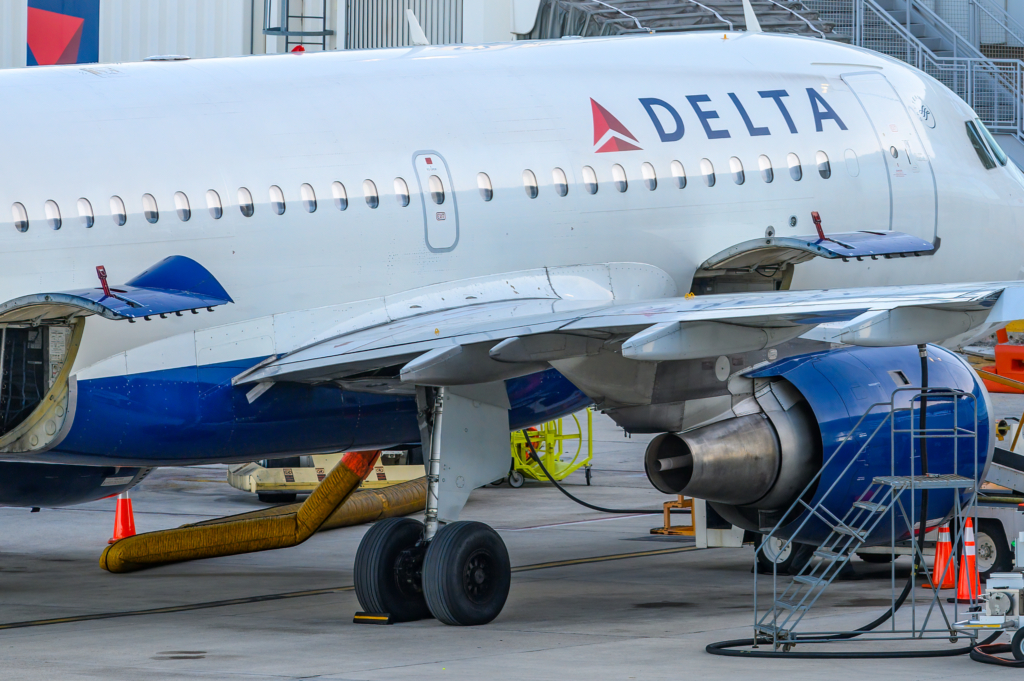
The broader fuel shock has been linked to the conflict involving Iran and growing concerns about energy supplies. Oil prices have risen sharply amid fears that disruption in the Middle East could threaten global supplies.
Brent crude recently moved above $100 a barrel, adding another layer of uncertainty for fuel-intensive industries such as aviation.
Airlines can protect themselves from some fuel-price movements through hedging and by passing higher costs on to customers through fares. But neither solution works instantly or perfectly.
There is also a limit to how much airlines can raise ticket prices before customers begin changing their travel plans. So far, executives at the three airlines say they have seen relatively little evidence of demand being damaged by higher fares. That gives carriers some room to recover increased costs through pricing.
The new priorities: profit over growth
The developments also highlight a broader shift in how airlines are thinking about capacity. For years, airlines have often competed by adding routes and flights, seeking greater market share and more passengers. But when costs rise dramatically, filling every available seat is no longer necessarily the best objective.
United has been particularly explicit about this change. Its chief financial officer said the airline was not operating flights simply to maximise market share, but to maximise profitability and free cash generation.
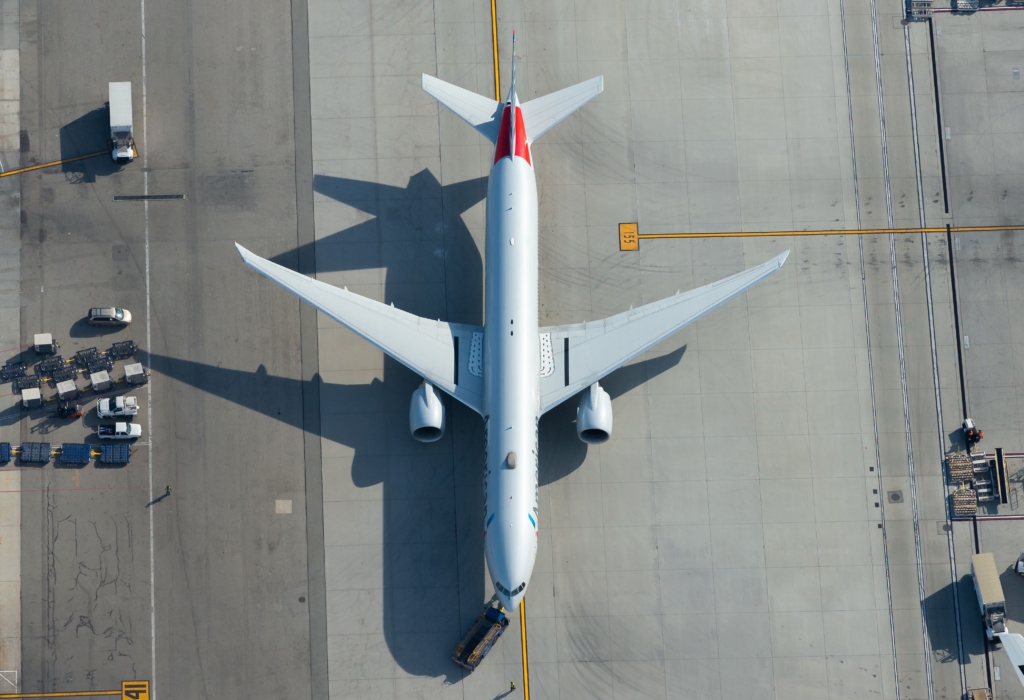
The carrier has already removed some flights planned for December because higher fuel costs made certain routes less attractive. Further adjustments could follow in early 2027 if fuel prices remain elevated.
For passengers, that could mean fewer flight options even while overall demand remains healthy. Some routes may see reduced frequencies, while airlines concentrate aircraft on flights where demand and fares are strongest.
The result could also be upward pressure on ticket prices. With fewer seats available, airlines have more opportunity to preserve or increase fares, particularly on routes where customers have limited alternatives.
What happens next for airlines and their passengers?
What happens next will depend largely on how long fuel prices remain elevated. If oil and jet fuel prices fall, airlines could restore some of the capacity they are now removing. If high prices persist, further cuts could follow, potentially extending into 2027.
For now, the message from American, United and Southwest is remarkably consistent – passengers are still willing to fly, but airlines cannot afford to treat every flight as equally valuable.

That is why the current airline squeeze is less about empty planes than about the economics behind each departure. Strong bookings can keep revenues healthy, but soaring fuel costs can still make individual flights unprofitable.
The industry’s response is therefore becoming more selective by charging more where demand allows, keeping the flights that generate attractive returns, and cutting the ones whose economics no longer work.
Passengers may still be booking. Airlines are simply becoming more careful about where, and how often, they fly.


