


BOC Aviation places largest-ever engine order for up to 300 CFM LEAP

5 min read
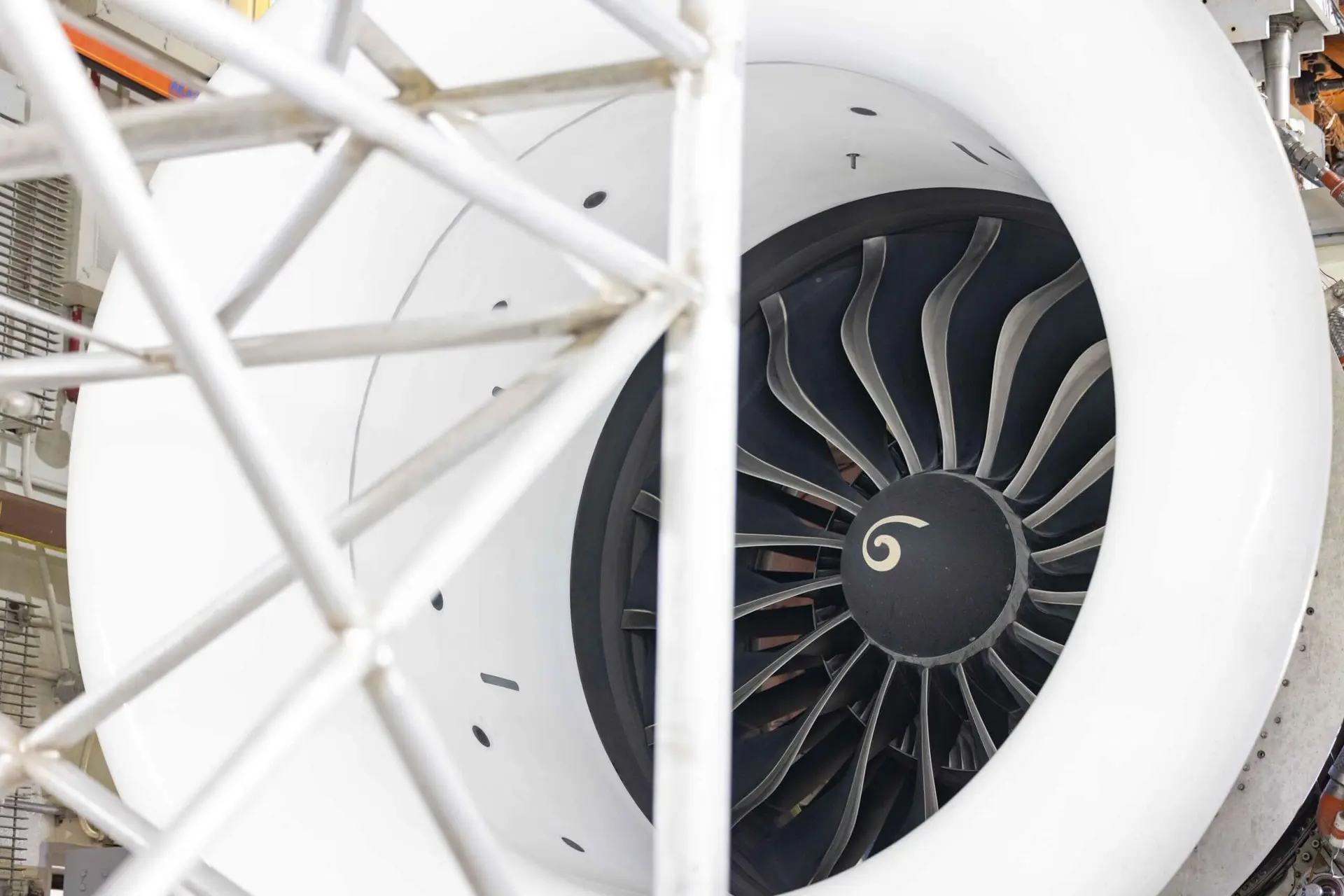
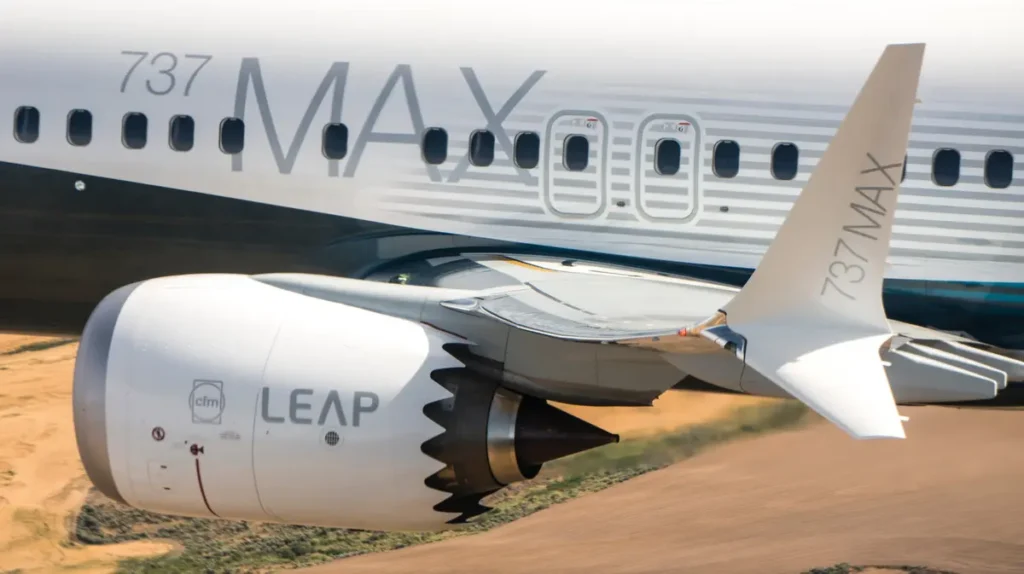
BOC Aviation has placed its largest-ever engine order, committing to up to 300 CFM International LEAP engines to power future Airbus A320neo and Boeing 737 MAX aircraft, in a deal that underlines the continuing dominance of the two single-aisle programmes and the growing role of lessors in shaping airline fleet strategies.
The Singapore-based aircraft lessor said the agreement covers firm orders and options for up to 200 LEAP-1A engines for the Airbus A320neo family and 100 LEAP-1B engines for the Boeing 737-8.
The engines will power a significant proportion of aircraft already included in BOC Aviation’s orderbook as the company expands its portfolio to meet sustained airline demand for fuel-efficient narrowbody aircraft.
The agreement comes at a time when airlines continue to prioritise fleet renewal despite production constraints affecting both Airbus and Boeing.
For aircraft lessors, securing engine availability has become as important as securing aircraft delivery positions, with supply chain pressures continuing to influence fleet planning across the industry.
Steven Townend, Chief Executive Officer and Managing Director of BOC Aviation, described the agreement as the company’s largest engine transaction to date.
“This is our largest-ever engine transaction, and it will support our growth from this decade into the next,” he said.
“The significant emissions reductions and lower fuel-burn characteristics of the CFM LEAP engine family align with our commitment to building one of the most environmentally-friendly fleets of any major lessor.”
For CFM International, the order further strengthens the position of the LEAP family as the dominant powerplant for the world’s two best-selling narrowbody aircraft.
Gael Meheust, President and Chief Executive Officer of CFM International, said the agreement reflected the long-standing relationship between the two companies.
“We are honoured to be such an integral part of BOC Aviation’s long-term strategy, both in terms of fleet growth as well as achieving its important sustainability goals,” he said.
“We value the deep relationship our two companies share and are committed to delivering the product attributes and support that BOC Aviation and its customers have come to rely on from CFM.”
The order reinforces the central role of leasing companies in modern fleet planning
Aircraft leasing companies have become increasingly influential in determining the composition of the global commercial aircraft fleet.
Rather than purchasing aircraft directly, many airlines now rely on operating lessors to finance fleet expansion, manage asset values and provide flexibility as market conditions change.
That shift has made companies such as BOC Aviation among the aviation industry’s largest customers for both aircraft manufacturers and engine suppliers.
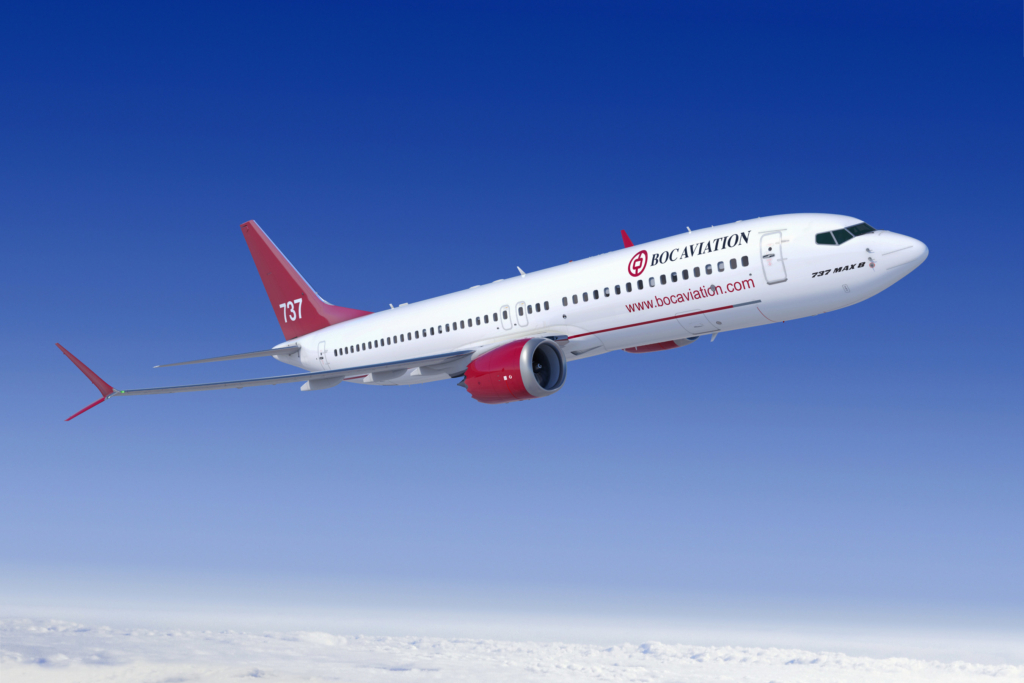
As of 30 June 2026, BOC Aviation’s portfolio comprised 811 owned, managed and ordered aircraft and engines, leased to 88 airlines across 45 countries and territories. Its customers range from major network carriers to low-cost operators, giving the lessor broad exposure to global airline demand.
The latest engine order ensures a substantial proportion of the company’s future Airbus and Boeing deliveries will be equipped with LEAP engines, reflecting continued confidence in the powerplant’s operational performance and long-term support network.
LEAP engines have become the benchmark for the latest generation of single-aisle aircraft
Since entering service, the LEAP engine family has become one of the fastest-growing commercial aircraft engine programmes in aviation history.
More than 4,000 LEAP-powered aircraft have now been delivered worldwide, with the fleet accumulating more than 90 million flight hours across a wide range of operating environments.
Developed as the successor to the widely used CFM56, the LEAP incorporates advanced composite fan blades, ceramic matrix composite materials and improved combustion technology to deliver around 15% lower fuel consumption and carbon emissions compared with the previous-generation engine.
Those efficiency gains have made the engine a cornerstone of airline fleet renewal programmes as operators seek to reduce fuel costs while meeting increasingly demanding environmental targets.
Recent durability upgrades are aimed at extending engine life and reducing maintenance costs
Like every new engine programme, the LEAP has faced challenges since entering commercial service.
Early operators reported durability issues affecting components operating in the engine’s hottest sections, particularly among aircraft flying in demanding environments with high temperatures and airborne dust.
Rather than introducing an entirely new engine standard, CFM has adopted a continuous improvement programme, rolling out a series of hardware upgrades intended to increase time on wing while reducing maintenance requirements.
Among the most significant developments has been the introduction of a new reverse bleed system, designed to improve the operating environment inside the engine’s high-pressure turbine.

Together with redesigned high-pressure turbine hardware and other durability improvements, the modifications are intended to increase component life and reduce the frequency of shop visits.
CFM said more than 1,200 durability enhancement kits have already been delivered to operators worldwide, with the upgrades progressively being incorporated across the global LEAP fleet.
The company expects the improvements to substantially increase time on wing as upgraded engines become more widely available.
Extensive environmental testing continues to shape the engine’s development
Beyond laboratory development, CFM has continued subjecting the LEAP to extensive operational testing designed to replicate some of the harshest conditions encountered by commercial aircraft.
The company has undertaken large-scale sand and dust testing to better understand how airborne particles affect engine performance and durability, particularly for aircraft operating in regions such as the Middle East, North Africa and parts of Asia, where environmental conditions can accelerate engine wear.
The testing has provided engineers with valuable operational data that has influenced component design and maintenance strategies, helping improve durability without compromising fuel efficiency.
As airlines increasingly deploy aircraft across diverse climates and operating environments, those refinements have become an important consideration for both operators and leasing companies seeking predictable maintenance costs over an aircraft’s service life.
Sign up for our newsletter and get our latest content in your inbox.


More from


September 21, 20263 min read


September 18, 20263 min read
