


VietJet applies to launch new Australian-based low-cost carrier using Boeing 737 MAXs

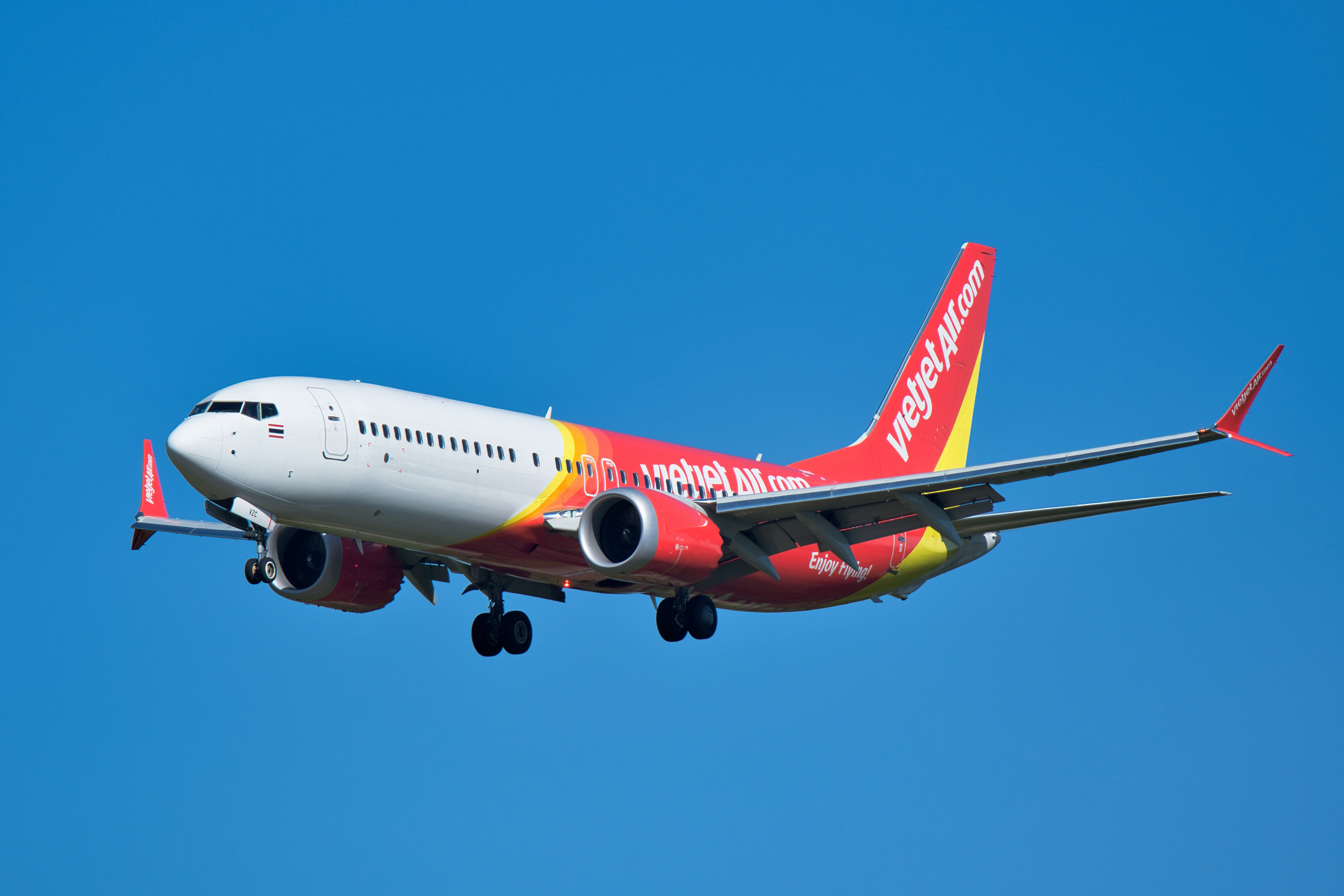
VietJet Air is seeking regulatory approval to launch a new domestic airline operation in Australia.
According to reports in the Australian media, the Vietnam-based low-cost operator has already sought to acquire slots at Sydney Airport (SYD) and intends to launch domestic services using Boeing 737 MAXs as soon as 2027 with routes connecting Sydney, Melbourne, and Brisbane.
If approved, VietJet’s Australian subsidiary would be the first international airline to compete directly in the domestic market since Tiger Airways launched in 2007.
VetJet eyes new Australian-based low-cost operator
According to a report published by the Australian Financial Review, the Vietnamese low-cost carrier has applied to the Civil Aviation Safety Authority of Australia (CASA) for an air operator certificate (AOC).
Once obtained, the airline plans to establish a locally incorporated subsidiary, with a name chosen to reflect the Australian domestic market in which it would operate.
The proposed operation would use up to 10 Boeing 737 MAX aircraft and would make VietJet the first international carrier to challenge Qantas and Virgin Australia directly in the Australian domestic market for over 10 years.
While there have been rumours swirling for some time that a non-Australian airline was considering setting up a new carrier in the country, the Australian Financial Review reported on 29 June that VietJet has applied to Australian regulators for an air operator’s certificate (AOC).
While most reports of an AOC application claim it has come from an undisclosed company, sources have told Aviation Week that the application was indeed filed by VietJet. CASA refused to confirm the reports when questioned, responding that the organisation does not comment on the commercial plans of airlines.
Previously, the Analytic Flyer website had reported that an undisclosed airline had been allocated slots at Sydney Airport for the upcoming northern winter season. This airline is now understood to be VietJet. However, any new entrant would need to have an AOC in place before any flying activities took place.
As the process for obtaining an AOC typically takes around 6-12 months to complete, to assess the technical and safety aspects of any application as well as the financial viability of the applicant, this timetable would appear to be ambitious, although not impossible.
Fortunately for VietJet, Australia maintains very liberal ownership and control laws for domestic companies, meaning that VietJet could start operations fairly quickly once a regulatory green light has been received.
10 Boeing 737 MAXs operating three routes to begin with
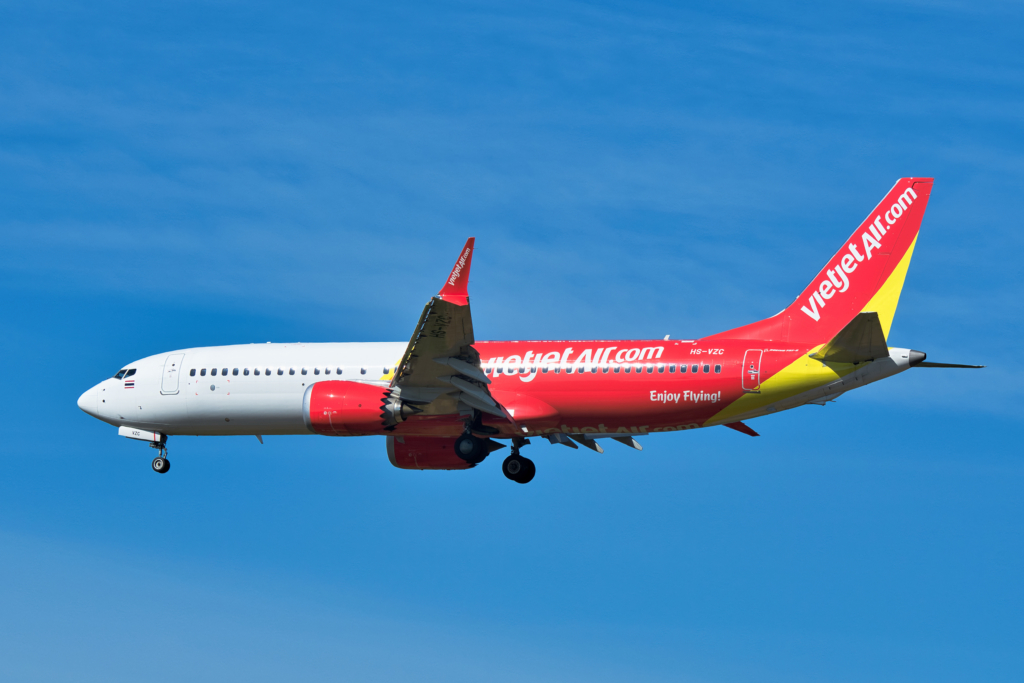
According to the Australian media, VietJet proposes starting with 10 Boeing 737 MAX 8s. With the Sydney slots it has been allocated, this would allow for ten round-trip journeys per day.
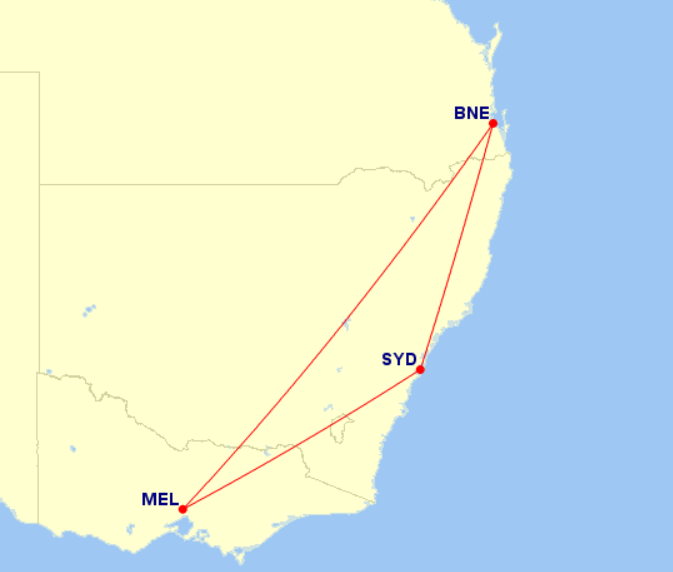
Initially, flights are expected to centre around the Australian ‘Golden Triangle’, the name given to the route network between Sydney, Melbourne and Brisbane. The Sydney to Melbourne corridor alone is the sixth busiest air route in the world, according to aviation data provider OAG.
Currently, only Qantas (along with its budget subsidiary Jetstar) and Virgin Australia serve the route. Regional airline Rex also served the route between March 2021 and July 2024, when the carrier filed for administration.
VietJet looks to spread its wings across the Asia-Pacific region
The well-backed and financially strong VietJet Group has already made its mark across Asia since its first flight in December 2001. Since then, the carrier has built up a fleet of 121 aircraft and operates subsidiaries in Vietnam, Kazakhstan, and Thailand.
VietJet already operates international services from points in Vietnam to Australian destinations including Brisbane, Melbourne, Perth and Sydney.
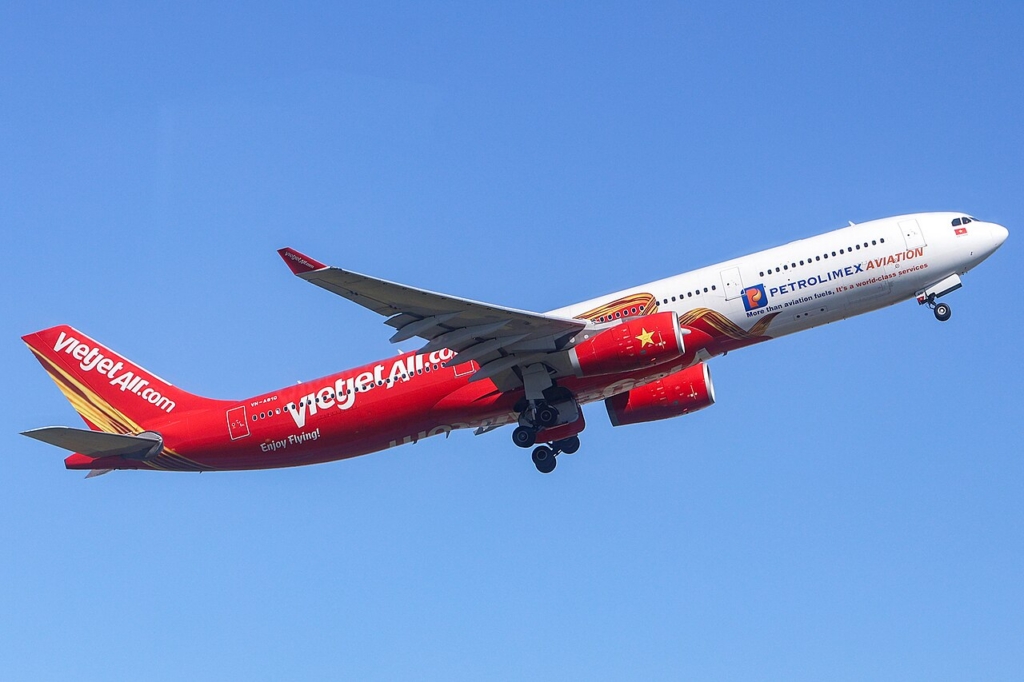
In addition to its existing fleet, VietJet has 188 Airbus narrowbodies on order, as well as 151 Boeing 737 Max family aircraft. In May 2016, the carrier placed its first order for 100 Boeing 737 MAX 8200 aircraft during a visit by then-President Barack Obama to Vietnam.
The deal was valued at around US$11.3 billion at list prices. Then, in July 2018, VietJet signed an additional order for 100 more 737 MAX aircraft, bringing its total commitment to 200 aircraft.
While 10 of these aircraft have already been delivered to VietJet Thailand, there are plenty more available that could be used to start a new Australian-based subsidiary.
VietJet to attempt where others have tried and failed?
Over the years, there has been a long list of carriers that have tried and failed to break the duopoly of first Qantas and Ansett, and later Qantas and Virgin Australia’s stranglehold on the Australian domestic market.
Along with Rex, the most recent attempt was by US-backed airline Bonza, which served secondary markets throughout Australia but ultimately failed in April 2024 due to mounting debts.
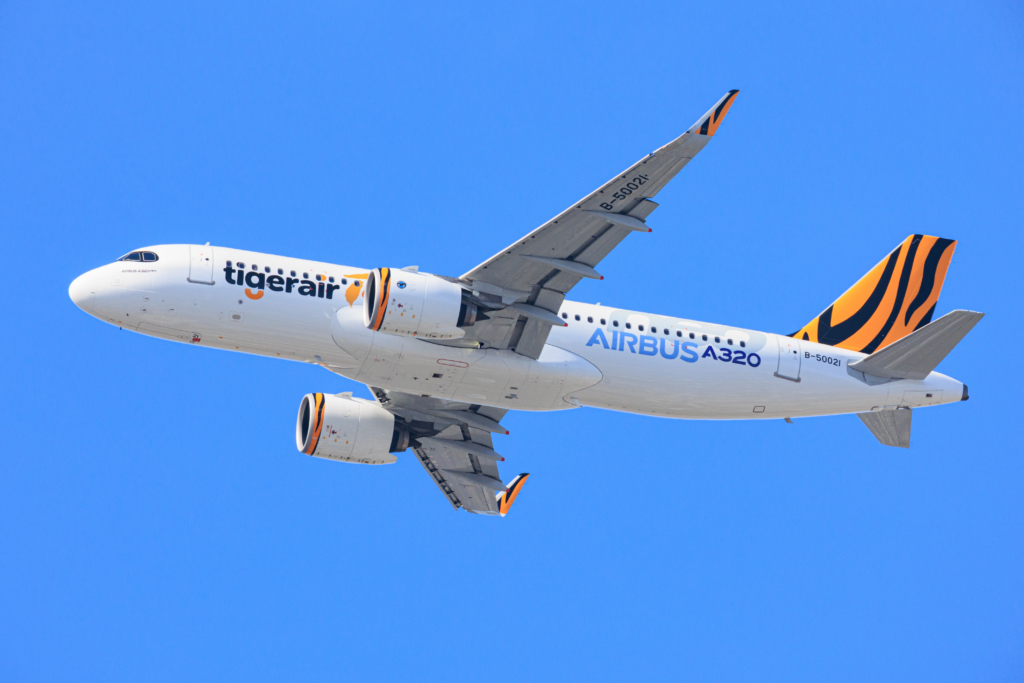
Before that, in 2007, Tigerair Australia, owned by Singapore-based Tiger Airways, began operating Australian domestic flights using a small fleet of Airbus A320s. The carrier was eventually acquired by Virgin Australia in 2014, before being closed down entirely in 2020 during the pandemic.
While there are two other startup carriers planning to start operations in the Australian domestic market, Zinc and Koala Airlines. However, their launch timelines are unclear, and as of the time of writing, neither has presented firm timelines on when operations may begin.
These plans may also now be affected by those of VietJet, hoping to shake up the Australian domestic aviation scene.
Featured image: zapper / stock-adobe.com


