


AeroDelft hydrogen aircraft completes successful taxi tests at Rotterdam The Hague Airport

3 min read
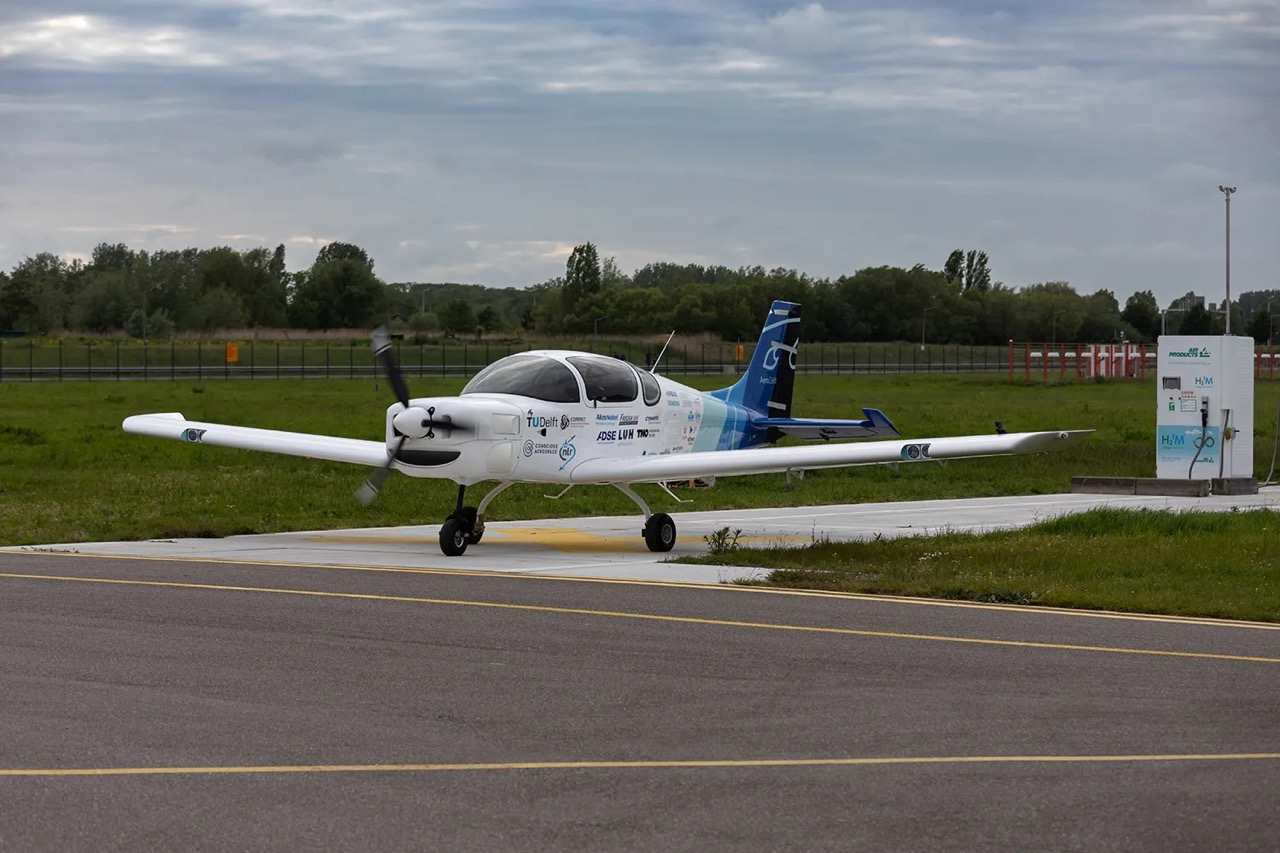
A student-built hydrogen aircraft has completed a series of successful taxi tests at Rotterdam The Hague Airport, marking the first time a hydrogen-powered aircraft has conducted ground operations at an operational airport in the Netherlands.
Delft-based student team AeroDelft completed the milestone as part of its efforts to develop a one-seat hydrogen-powered aeroplane. Tests included hydrogen refuelling, propulsion system evaluations and the aircraft’s first taxi run on airport infrastructure.
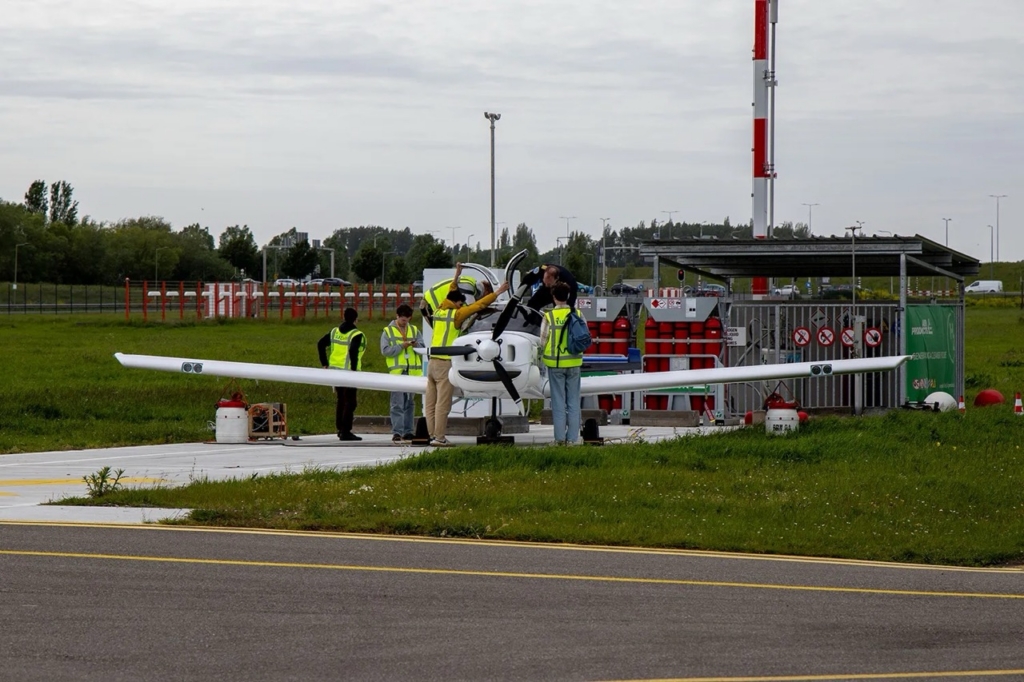
The demonstration is part of a collaboration to advance hydrogen-powered flight between Rotterdam The Hague Airport (RTHA), TU Delft, industrial gas supplier Air Products and the Rotterdam The Hague Innovation Airport Foundation (RHIA), which is coordinating efforts to establish hydrogen aviation capabilities at the airport.
“We want to demonstrate that flying on hydrogen works and that it’s safe in the air and at the airport,” said AeroDelft team manager Isha Moharir.
Moving hydrogen aviation from the laboratory to the airport
The tests are the latest step in AeroDelft’s phased approach to developing hydrogen-powered flight.
The team has spent several years testing individual hydrogen systems before successfully operating its complete liquid-hydrogen powertrain in a laboratory environment in 2025. The latest campaign moved testing into a real-world airport setting for the first time.
“We have already carried out several tests,” Moharir explained. “Initially, these focused mainly on the various subsystems. Last year, we successfully tested our entire powertrain running on liquid hydrogen in a laboratory setting. Now we have been able to test the propulsion system in a real aircraft at a real airport.”
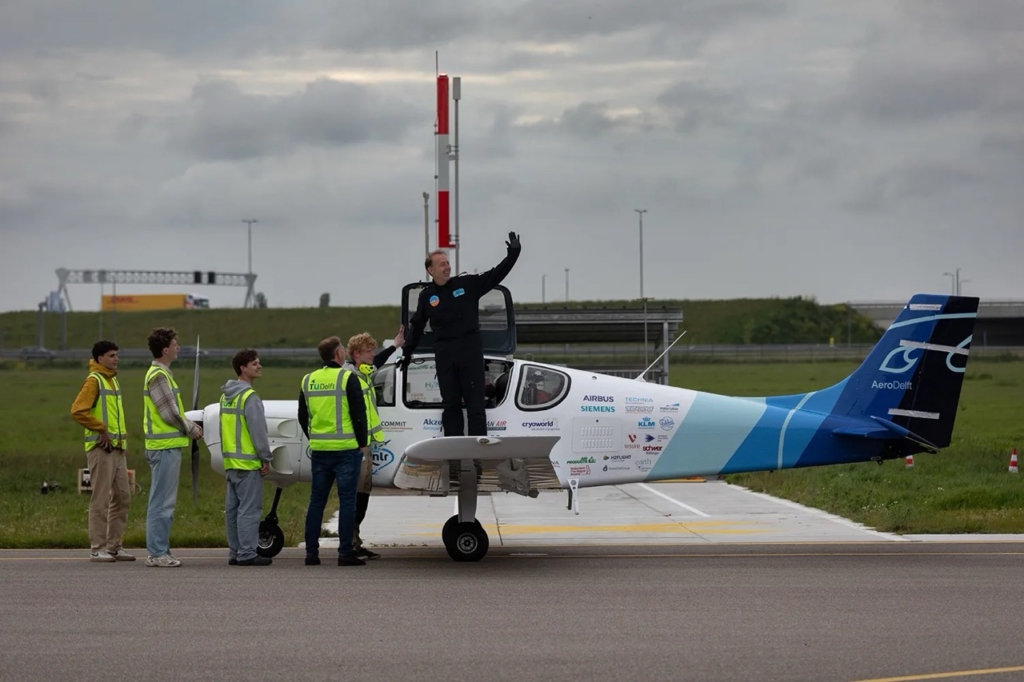
Although AeroDelft’s long-term goal is liquid-hydrogen flight, the taxi tests used gaseous hydrogen, which is currently a more mature technology.
According to the team, operating at an active airport provided valuable insights into safety procedures, airport operations and infrastructure requirements that the team could not replicate in a laboratory environment.
TU Delft‘s Flight Test Laboratory supported the testing campaign, with research test pilots Alexander in ‘t Veld and Hans Mulder helping develop risk assessments and operational procedures for the trials.
“We are making absolutely no concessions on safety,” Moharir said.
Rotterdam Airport sees hydrogen as a future aviation pathway
For Rotterdam The Hague Airport, the project forms part of wider efforts to position the airport as a testbed for sustainable aviation technologies.
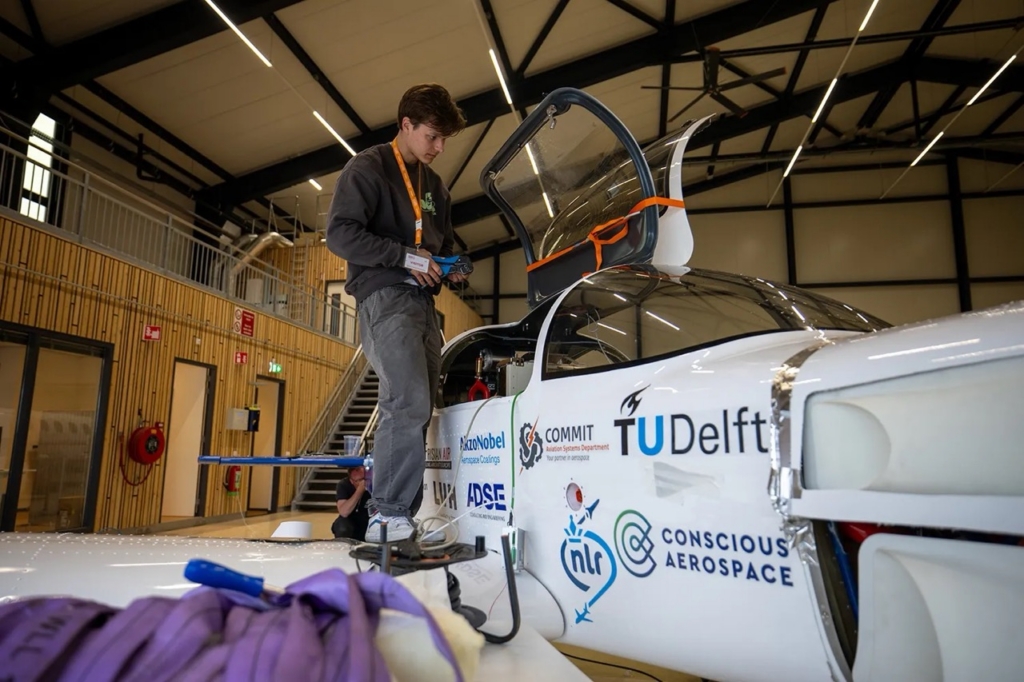
“This successful series of taxi tests shows that we are moving step by step closer to the aviation of the future,” said Daan van Dijk, Innovator at Rotterdam The Hague Airport. “They mark an important next step towards a more sustainable aviation sector. Rotterdam The Hague Airport is a testing ground for innovation, where we bring partners together and provide space to test new solutions in practice. It is precisely by testing at an operational airport that we learn what is really needed to make hydrogen-powered aviation safe and scalable.”
Next step: liquid hydrogen flight
AeroDelft aims to fly the aircraft using liquid hydrogen, which offers significantly higher energy density than gaseous hydrogen.
The current configuration can remain airborne for around 40 minutes using gaseous hydrogen. The team believes that transitioning to liquid hydrogen could extend the flight to approximately two hours.
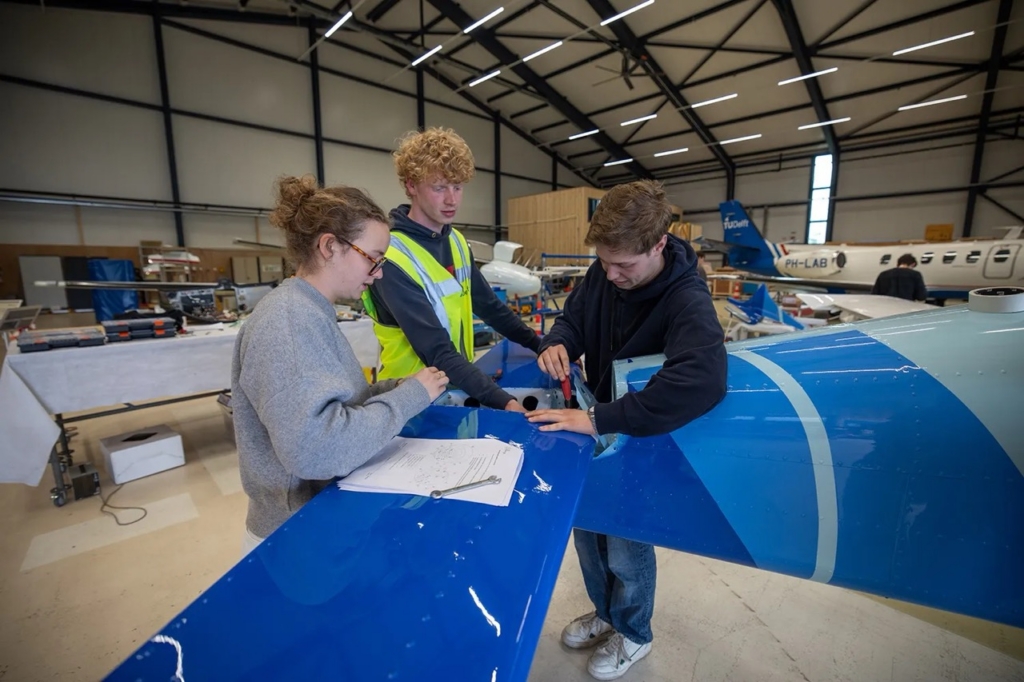
AeroDelft’s next development phase will focus on designing and certifying a safe liquid hydrogen storage tank and an onboard distribution system.
The project is part of the DutcH₂ Aviation Hub initiative, supported by the City of Rotterdam. The programme brings together AeroDelft, Rotterdam The Hague Airport, Air Products and TU Delft to develop and test hydrogen aviation technologies and supporting infrastructure.
While commercial hydrogen-powered airliners remain years away, the successful taxi tests demonstrate progress in both hydrogen propulsion and the ground infrastructure required to support future operations.
Featured Image: TU Delft
Sign up for our newsletter and get our latest content in your inbox.


More from


September 17, 20265 min read

September 17, 20263 min read


September 18, 20263 min read

