


EU steps in to protect summer flights as jet fuel supplies tighten

6 min read
As the conflict between the US and Iran rumbles on into its seventh week without a lasting peace settlement, various parties have begun warning of a jet fuel shortage across Europe unless a deal can be reached.
As the aviation industry heads into its busy summer season, the EU is proposing a new jet fuel sharing mechanism that may mitigate the impact of jet fuel shortages and keep planes in the air, should the worst-case scenario occur and shortages begin to bite.
Jet fuel shortages risk European flights as Strait of Hormuz disruption continues
Since the end of February this year, when the US declared war on Iran, the worldwide supply of oil has been impacted by the Iranian blockade of the Strait of Hormuz, the narrow waterway off Iran’s north coast that sees around 20% of the world’s oil pass through it on the way to refineries worldwide.
Europe imports around 30% of its jet fuel requirements, with the remainder produced locally. Normally, the majority of these imports come via the Strait of Hormuz, mainly from Kuwait, Saudi Arabia, Qatar, and the United Arab Emirates.
With the Strait still effectively closed, various authorities are warning that unless the blockage is lifted and shipping can start flowing fleetly once more, these oil shortages could shortly have an impact on the global availability of jet fuel.
The European Commission is stating that without a long-lasting resolution to the dispute, the tipping point for fuel shortages could come as early as mid to late June, as stocks dry up and tanks remain un-replenished by fresh supplies from the Gulf region.
Last week, the International Energy Agency (IEA) warned there could soon be flight cancellations if supplies remained blocked.
The head of the IEA, Fatih Birol, told reporters that Europe has “maybe six weeks of jet fuel left,” and that while supplies from other sources, such as Nigeria or the US, could alleviate the situation to a degree, the quantities involved are unlikely to match those that are no longer being supplied by the Gulf states.
EU proposes jet fuel sharing mechanism to prevent flight disruption
In response to those remarks, and following concerns being raised by airlines within the bloc, on 20 April, the European Commission unveiled plans to propose a jet fuel sharing mechanism to the 27 member states of the European Union.
According to the EU’s energy commissioner, Dan Jørgensen, any such proposal would ensure that limited stocks are used more efficiently as concerns grow over the availability of jet fuel should the deadlock in the Strait continue./
“We need to be quite honest and say that the situation will become quite serious, and this is why we will be introducing these measures,” Jørgensen told the Financial Times.
He noted that initial concerns regarding the rising price of oil had since become more focused on the issue of availability, with airlines already beginning to cut flights and reduce flying as a result of those concerns.
“We aim to make sure that we don’t have regions, airports, or even member states that are hit disproportionately harder by this,” he added.
While exact details of how the mechanism could work in practice are yet to be disclosed, there would appear to be some urgency as to when these details might be disclosed, with numerous airlines already warning of possible flight disruptions in May and June unless a solution can be found in the meantime.
European Commission plans refinery boost and fuel stock coordination
Reuters previously reported that the specific measures to be taken to address the issue of looming jet fuel shortages would be included in an emergency proposal of the European Commission due to be presented on 22 April. According to Reuters, the EU administration is planning to propose several measures which would gradually decrease the bloc’s reliance on imported energy sources, both in the short and long term.
Specifically, these measures include mapping refinery capacity across Europe, increasing jet fuel production where possible, and ensuring refineries operate at maximum efficiency. The EU is also considering coordinated monitoring of fuel stocks, joint purchasing of kerosene, and the release of emergency reserves if needed.
Officials are said to be working with airlines, airports, and member states to protect summer travel schedules. While the EU is officially stating that no current shortage exists, it remains concerned and is preparing these rapid contingency actions accordingly.
Airlines begin cutting flights as fuel crisis deepens
While the full effects of jet fuel prices and shortages are yet to be fully realised in Europe, some airlines are already taking remedial actions to alleviate the effects of these adverse conditions.
The Air France-KLM Group has already said that it is cutting flights on certain routes, while on 19 April, Irish carrier Aer Lingus said it would be cutting around 500 flights over the summer period as concerns grow over the cost and availability of fuel.
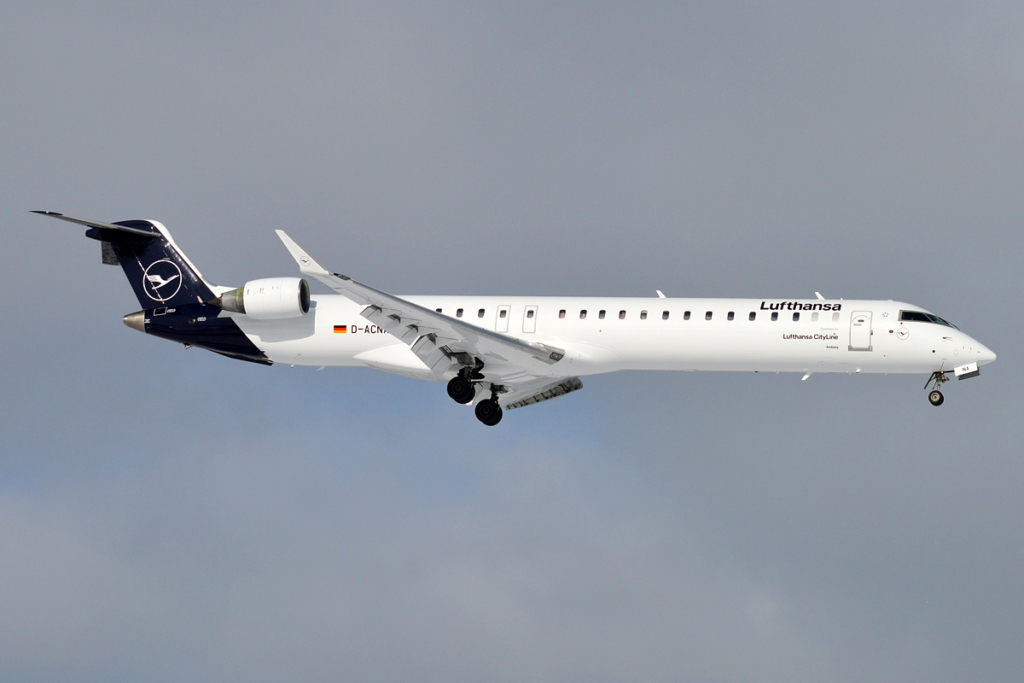
Additionally, just last week, German carrier Lufthansa announced that its CityLine regional subsidiary would cease operating immediately due to concerns that the rise in fuel prices would have on the carrier’s bottom line.
The airline said 27 CityLine aircraft would be permanently removed from service immediately as part of wider cost-cutting measures within the Lufthansa Group, which itself is battling a series of labour disputes.
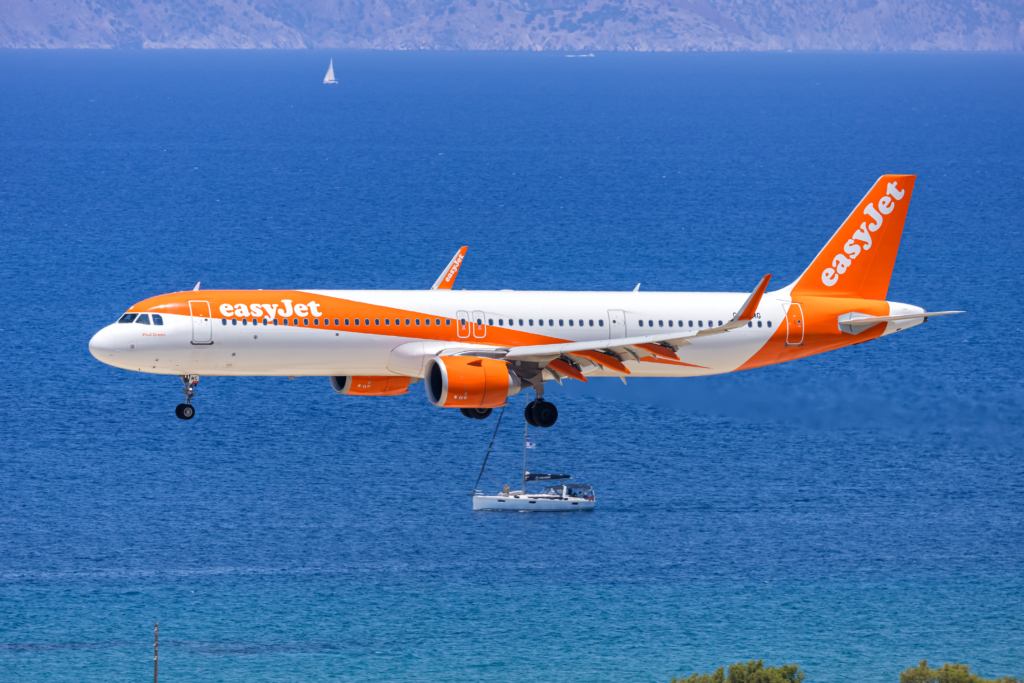
Elsewhere, as reported by Wales Online, Javier Gándara, easyJet’s CEO for Spain and Portugal, assessed the current fuel supply. “What the producers and airports are telling us is that there will not be any supply problems for the next three or four weeks. Beyond that, it is difficult to see.”
“In Spain, we are in a comparatively better situation than neighbouring countries for two reasons. Firstly, because of all the crude oil that is imported and then refined here, only 11% comes from the Middle East, which is the percentage affected by the closure of the Strait of Hormuz.”
“The remaining 89% comes from elsewhere. No one will be immune to potential supply problems. Ships that leave and pass through the Strait of Hormuz and come to Europe take an average of 45 days, and they have already been practically out of service for two months. It will take time to recover all of that. It is difficult to know what will happen, so we will react as we go.”
Meanwhile, Ryanair CEO Michael O’Leary has also previously said disruption could begin in May. He told Sky News: “Fuel suppliers are constantly looking at the market. We do not expect any disruption until early May, but if the war continues, we do run the risk of supply disruptions in Europe in May and June, and we hope the war will finish sooner than that, and the risk to supply will be eliminated.”
Featured image: Chalabala / stock.adobe.com


