MRO meets AI: The race to protect passengers and profit margins


Maintenance, repair and overhaul costs are spiralling. Recently, easyJet alone reported a colossal £451 million spend in 2025, up from £390 million a year earlier. That’s £8.7 million each week or about £1.24 million every single day. And they’re certainly not on their own.
Every part must perform perfectly. One mistake can see flights – and millions of pounds – at risk. Or worse.
For decades, aircraft maintenance relied on highly skilled technicians painstakingly inspecting, repairing, and servicing aircraft on tight schedules. It’s essential work, but slow, laborious, and limited by human eyes and hands. Enter: Artificial Intelligence.
AI beats the human eye
Aerospace engineers are using AI to detect tiny defects invisible to the naked eye, crunch massive amounts of sensor data in seconds, and predict problems before they happen.
Thanks to hybrid predictive models and real-time health monitoring, detection rates can hit up to 95%. A huge leap forward indeed.
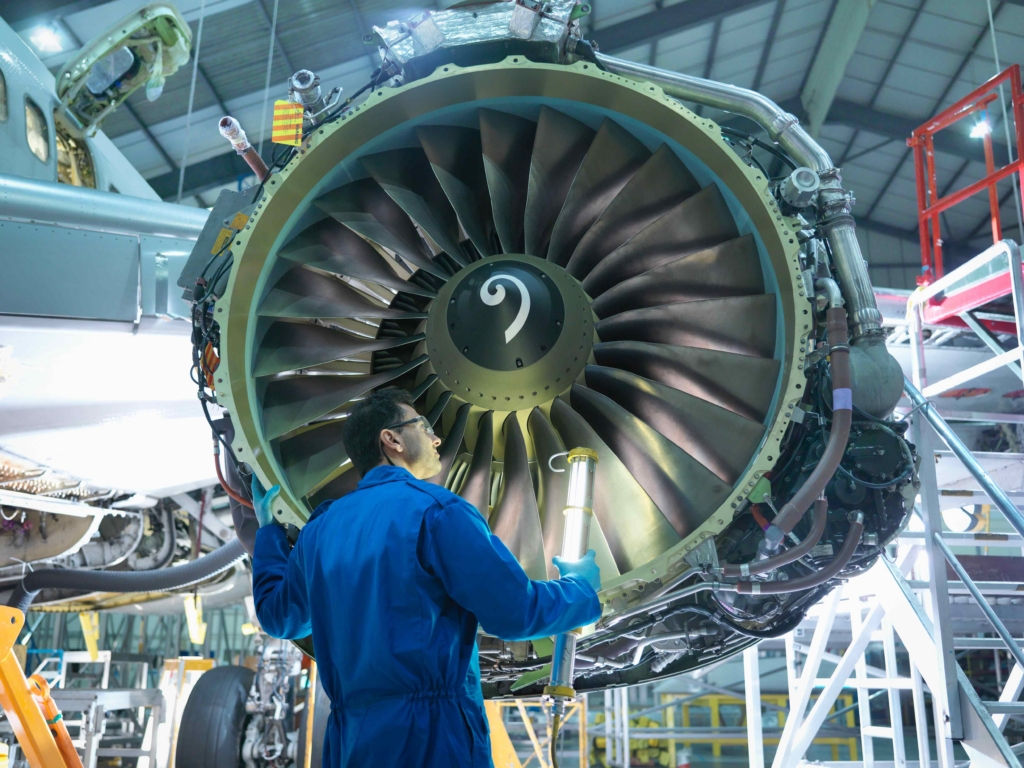
Every major component on the aircraft, from engines and avionics to wings, landing gear and fuselage skins can be continuously monitored. Problems that used to sneak up and cause delays are flagged long before they turn expensive or dangerous.
MRO decisions driven by data
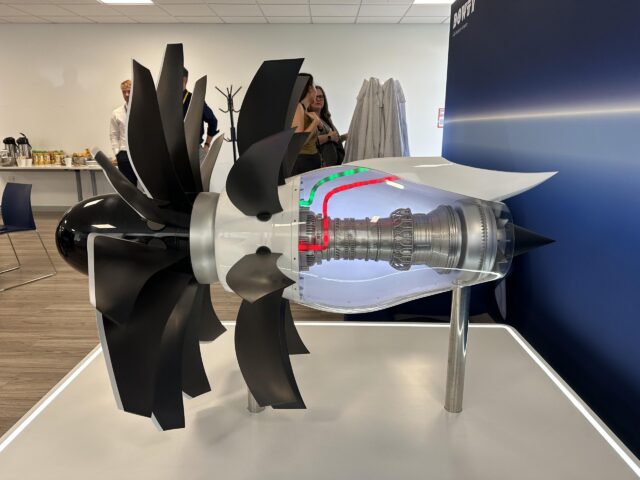
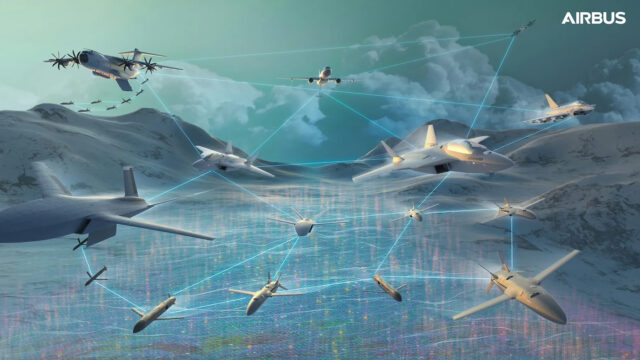
The real magic comes from AI-integrated platforms. Rolls-Royce’s IntelligentEngine, Airbus’ Skywise Predictive Maintenance, and Boeing’s Insight Accelerator (to name just a few), all turn raw aircraft and engine data into actionable insights.
They work by using thousands of onboard sensors to track engine temperature, oil consumption, pressure, vibration and more. That data is then fed into cloud analytics systems so engineers can pinpoint trouble before it happens. These technologies can also predict component life, and even create digital twins (more on this later) to mirror how an engine behaves.
As one Boeing engineer told us:
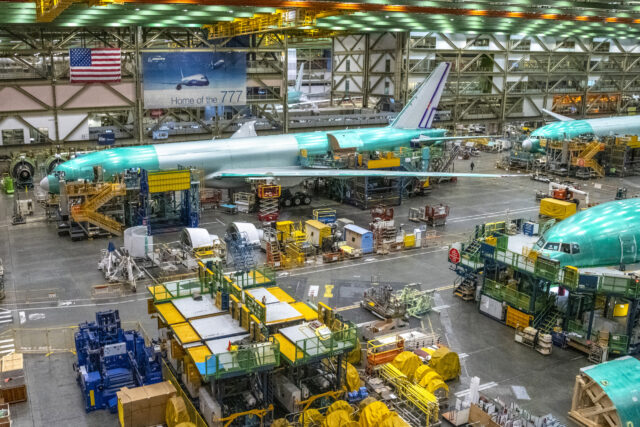
“Boeing’s Insight Accelerator helps turn the huge volumes of operational and shop-floor data generated across aviation into clear insights we can actually use. It allows MRO teams to move beyond scheduled maintenance toward more predictive, condition-based approaches that reduce AOG events, speed up repairs, and optimise spare parts.
At the same time, manufacturers get a real-time view of their tools and processes, helping them improve yield, move products through faster, and remove bottlenecks.”
Drones, cobots and why people still matter in maintenance
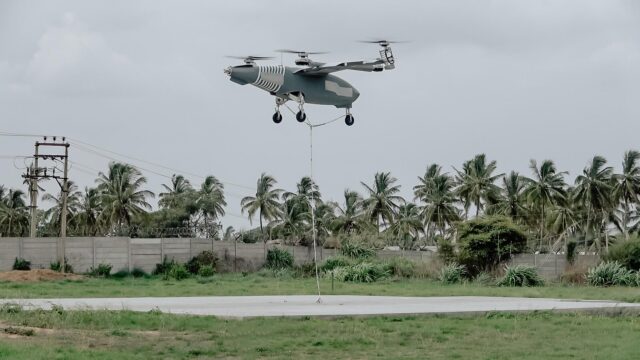
Autonomous drones equipped with high-resolution cameras, thermal imaging, and LiDAR can scan fuselages, wings and tails in under twenty minutes. It’s something that used to easily take six to ten hours by hand.
Very impressive stuff, but MRO (and Ground Support Equipment) still needs humans.
AI can show us where potential issues are, but only trained engineers can interpret anomalies, weigh external factors, and certify an aircraft as airworthy, as formalised by the CAA, FAA, EASA etc.
This is where cobots (short for ‘collaborative robots’) weave their way in, handling repetitive or hard-to-reach tasks with speed, precision and safety.
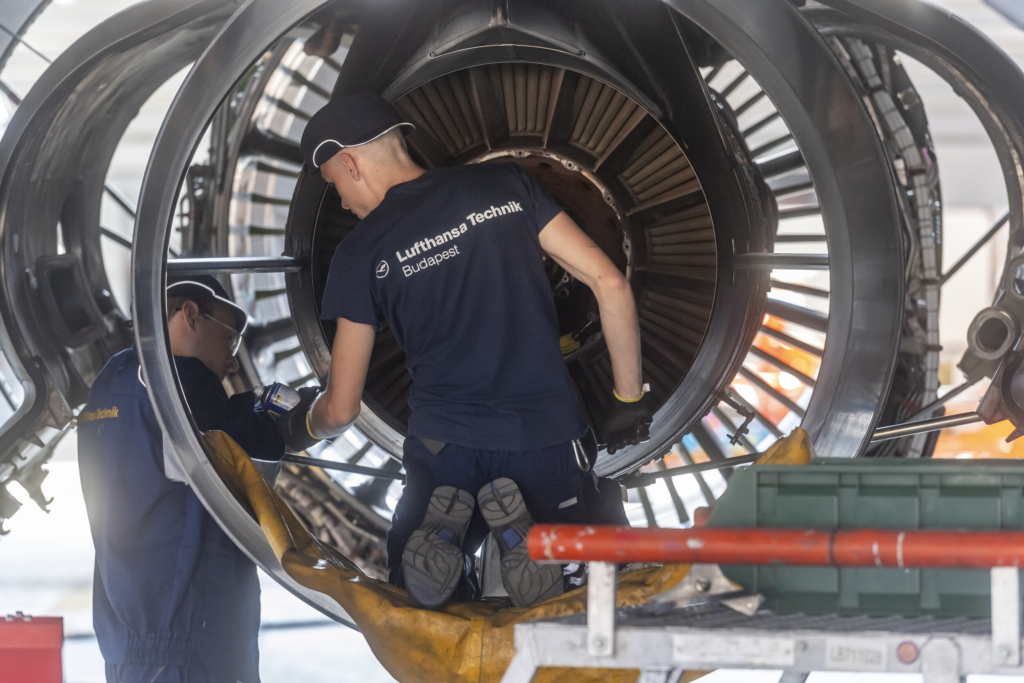
To take one example, Lufthansa Technik uses cobots to inspect threaded holes on engine casings and detect micro-cracks. Integrated with AI analytics and digital twins via AVIATAR, these robots make maintenance faster and more accurate.
Lufthansa’s Technical Repetitives Examination facility brings together AI logbook analysis with engineering expertise and is now used across more than twenty airlines operating Airbus and Boeing aircraft.
Dr. Jan Philipp Graesch, Product Lead for AVIATAR’s Reliability Suite at Lufthansa Technik, says:
“Our product significantly relieves airline maintenance control centres and engineering departments of a very time-consuming task, while enabling them to perform maintenance activities more efficiently.”
He continues:
“Lufthansa continues to push the envelope with autonomous inspection drones and advanced machine vision, letting humans and robots work together more seamlessly than ever. These innovations also help airlines forecast maintenance needs, plan spare parts, and assign personnel more effectively.”
Digital twins: the AI co-pilots
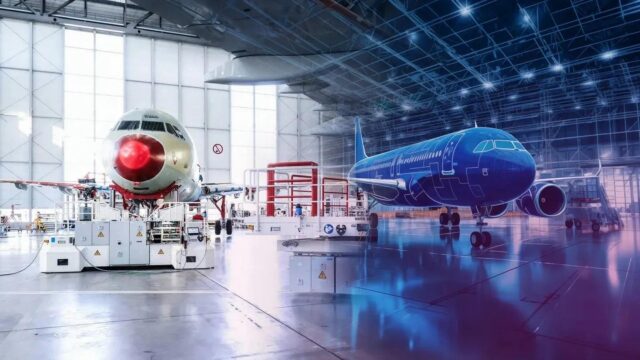
Digital twins are basically virtual replicas of aircraft components. They let engineers simulate wear, corrosion and fatigue without touching the actual aircraft part in real life.
The technology is used to anticipate maintenance, cut down on trial-and-error, and improve fleet reliability. It also plays a vital role in helping AI spot early problems in auxiliary power units and other critical systems.
By catching issues early, engineers prevent minor glitches from turning into major delays or cancellations.
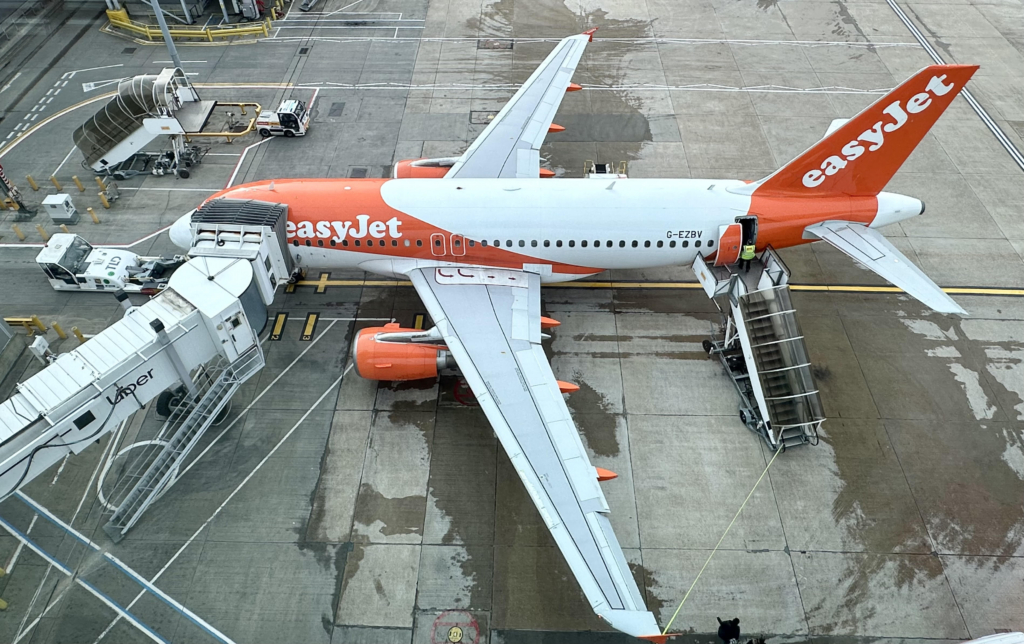
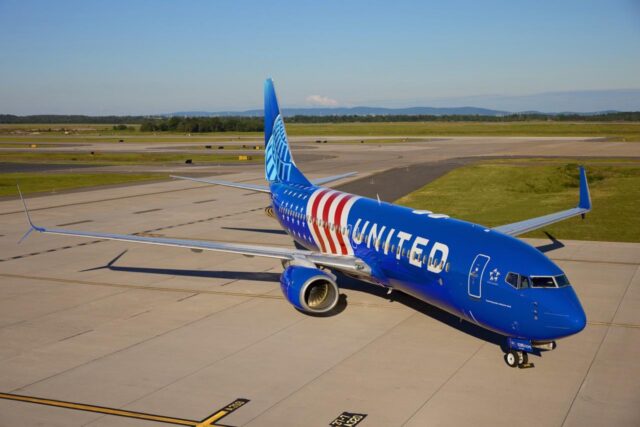
Translating this into the real world, between 2019 and 2025, easyJet avoided 1,343 cancellations and 171 major delays, thanks to predictive AI in its MRO operations. In 2024 alone, United Airlines also prevented over 300 out-of-service events and more than 1,000 delays. Time saved, cost avoided, efficiency gained.
AI in MRO still comes with challenges
Integrating AI into MRO and wider software development isn’t as simple as flipping a switch; it’s more like warming up an orchestra. The biggest challenge is data, because at the heart of AI is clean, systematic information.
The fact is, many airlines and aircraft operators still rely on paper or fragmented systems, making a trusted data stream difficult. A 2025 Aviation Maintenance Benchmark Report found that about 59% of operators use a mix of systems rather than a standardised maintenance platform. Siloed ways of working slow things down and leave gaps that hurt results.

Regulations also matter. Licensed technicians are still responsible for safety, so AI must supplement human know-how, not replace it, even as aviation suffers a talent shortage. Teams need consistent training and phased adoption to build trust.
Commitment to AI investment is another hurdle
AI systems, drones, digital twins and cloud analytics require robust IT, cybersecurity, high-speed connectivity, plus ongoing updates, retraining and system validation. None of this is exactly cheap.
The average age of many in-service fleets also now exceeds 11 years. Integrating older aircraft is especially pricey, particularly when interfacing with the sensor-heavy platforms of 2026 and beyond.

Yet the payoff is substantial. Industry experts say that predictive maintenance can cut unscheduled repairs by 30-40%, hugely reducing downtime. With digital twins, you can test and simulate in real time without ever taking aircraft out of service.
Getting there takes work and investment, but with the right data, clear processes, and trained teams, the payoff in efficiency, reliability and safety cannot be ignored. AI in MRO is here to stay.
Is the future of MRO really AI versus humans?
Fast forward twenty years – has AI completely taken over MRO? Maybe, maybe not. But it’s already reshaping everything from infrastructure and data systems to regulation, training and workplace culture.
The next wave will bring yet more real-time sensor data, smarter machine learning and augmented reality tools that shine an even brighter light on inspections and repairs.
A new and ever-changing partnership is evolving between human expertise and machine intelligence. Whether that relationship is the perfect meeting of minds or a more complicated tug-of-war remains to be seen.

One thing’s certain: it’s not a case of either/or. The future of MRO depends on how well humans and machines work together for the long haul.
Featured image: British Airways