Somalia explores buying up to 24 JF-17 Block III fighters to rebuild air force

More than three decades after its air force effectively disappeared with the collapse of the Somali state, Mogadishu is now exploring what could become the most ambitious defence procurement in its modern history.
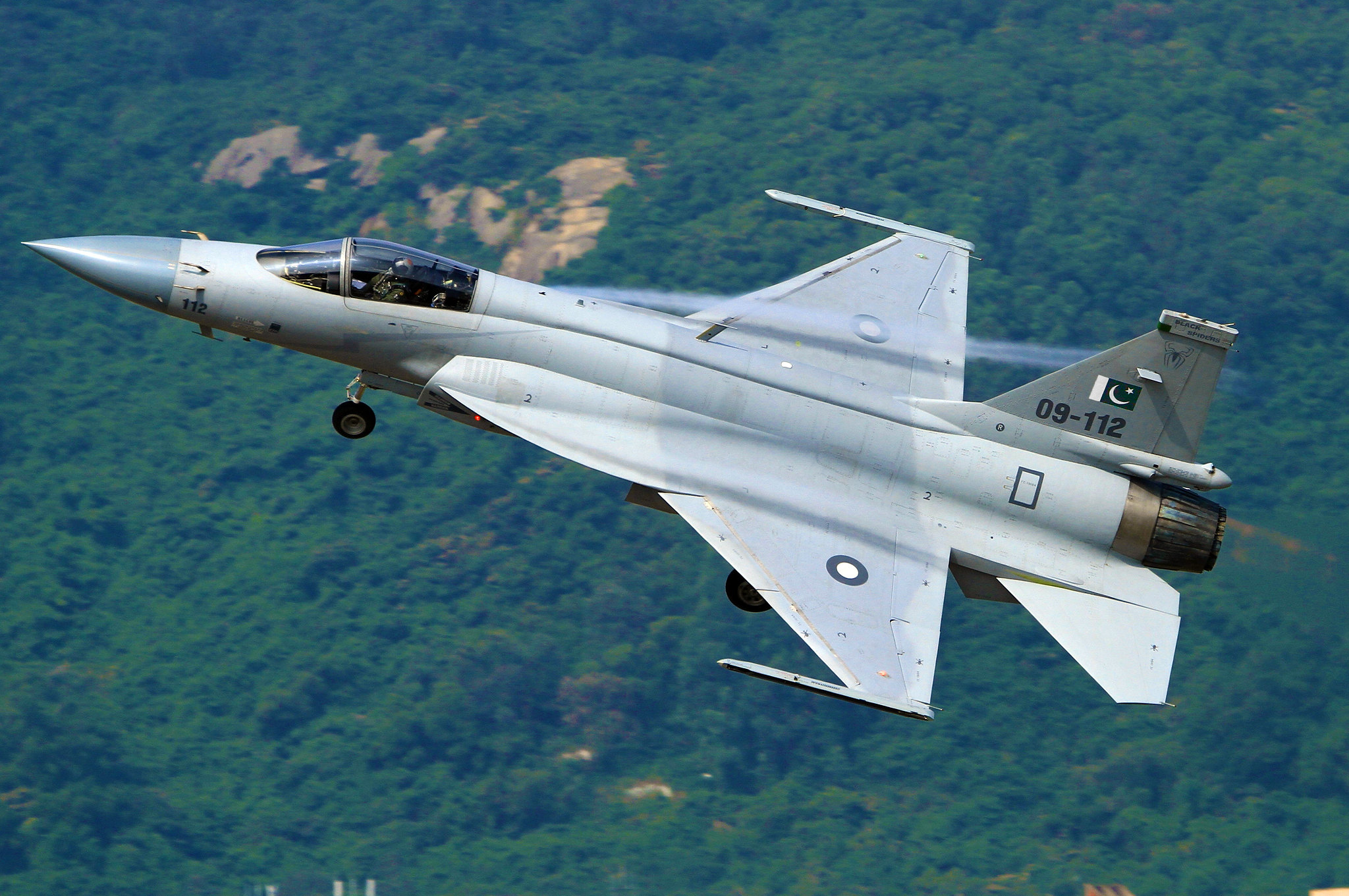
Somalia’s federal government is in advanced discussions with Pakistan over the possible purchase of up to 24 JF-17 Thunder Block III fighter aircraft, a move that would represent a dramatic attempt to restore sovereign air combat capability and reassert control over the country’s vast airspace and coastline.
The negotiations, first reported by Defence Security Asia and subsequently cited in regional media, have gathered momentum in recent months. According to reports, the potential deal could be valued at roughly $900 million, although financing arrangements remain unclear.
For a country that has not operated modern combat aircraft since the early 1990s, the discussions signal a strategic shift. If realised, the acquisition would mark Somalia’s most significant military modernisation effort since the civil war dismantled its national defence institutions.
Somalia seeks to rebuild an air force that collapsed in 1991
Somalia once maintained a functioning air force during the Cold War era, operating Soviet-supplied MiG fighters and transport aircraft. That capability evaporated almost overnight in 1991 when the central government collapsed, and the country descended into prolonged civil conflict.
For more than three decades since, Somalia has effectively lacked a credible fixed-wing combat force.
#OnTheHistory #17Dec1975 highest moment #SomaliAirForce was the 7th largest in the #Africa.
— Fouwzi A. Osman (@fouwzi) December 16, 2017
37 [MiG21]
41 [MiG17]
2 [C130] 2[PiaggioTrainingAircraft]
113 SomaliPilot. 35 JuniorPilot
4 Airfield [Mogadishu, BaliDogle, Kismayo & Largest Runway Airfield in #Africa Berbera. pic.twitter.com/0p2pQ0Qefp
The absence of air power has constrained the federal government’s ability to patrol its own airspace or support operations against militant groups. Control of Somali airspace has largely depended on international partners and foreign military assistance.
The renewed push to rebuild the air arm reflects an emerging consensus within the Somali leadership that the country cannot indefinitely depend on external air support.
“Our airspace must be protected by Somali hands,” a Somali defence ministry official said in comments reported by regional outlets, framing the procurement not only as a military upgrade but as a political statement about sovereignty.
The discussions gained fresh momentum after Somali Air Force Commander Mohamud Sheikh Ali, widely known as Dable Baylood, travelled to Islamabad in February 2026, where he held talks with Pakistani officials on possible aircraft acquisition and training arrangements.
Why Pakistan’s JF-17 fighter is an attractive option for Somalia
For a country rebuilding its armed forces from scratch, cost and logistical sustainability are central considerations.
Pakistan has positioned the JF-17 Thunder, jointly developed by Pakistan and China, as a comparatively affordable multirole fighter capable of delivering modern combat capability without the price tag attached to Western aircraft.
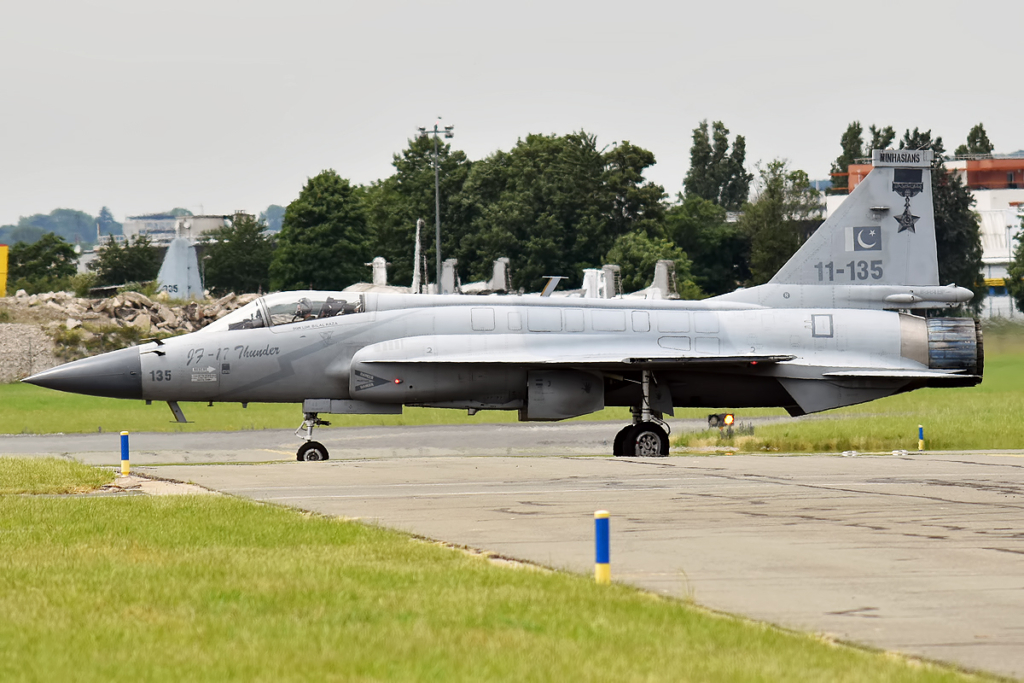
Pakistan’s defence production minister, Raza Hayat Harraj, has publicly emphasised the economic logic behind the aircraft.
“While some Western options may be more technologically advanced, they cost more than three times as much as an approximately $30 million to $40 million JF-17,” he was quoted as saying.
In its latest Block III configuration, the aircraft represents a significant upgrade over earlier versions. The fighter features an active electronically scanned array (AESA) radar, improved avionics and compatibility with beyond-visual-range missiles, placing it firmly in the so-called 4.5-generation category of combat aircraft. For Somalia, that would represent a technological leap.
Most air forces across parts of Africa still rely on older third-generation platforms or upgraded Cold War-era fighters. The Block III variant would give Somalia access to capabilities that were previously out of reach, including advanced radar detection and modern precision-strike options.
Why air power matters for Somalia in the Horn of Africa
Rebuilding an air force is not simply about prestige. For Somalia, it has clear strategic implications.
The country occupies one of the most sensitive geographic positions in the world, sitting along the maritime crossroads linking the Red Sea, the Gulf of Aden and the Indian Ocean. Some of the world’s busiest shipping routes pass along Somalia’s coastline.
Control of airspace above these waters carries economic and security significance.
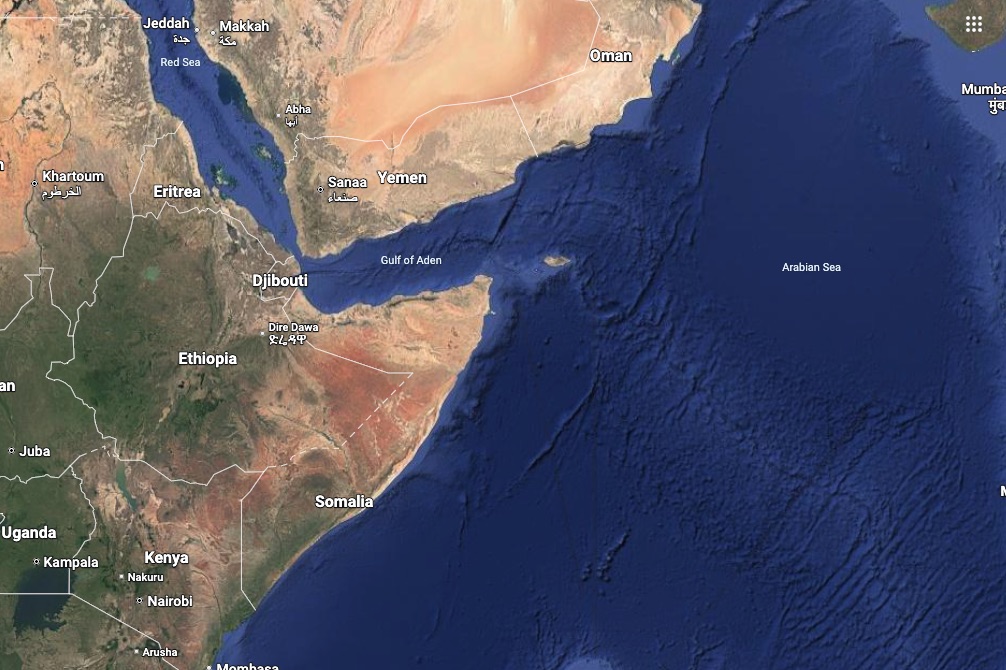
The Somali government is particularly concerned with monitoring areas stretching from Berbera and Hargeisa in the north to Kismayo, Ras Caseyr and Ras Kamboni in the south, where maritime activity, smuggling networks and militant movements intersect.
Modern fighters could theoretically allow Mogadishu to conduct air patrols, maritime surveillance and rapid strike operations against insurgent targets.
Somalia continues to battle Al-Shabaab, the al-Qaeda-linked militant organisation that controls or influences large rural areas and frequently launches attacks against government targets.
Air power could provide Somali forces with additional tools in that fight.
Can Somalia afford a fleet of JF-17 fighters?
The ambition to buy modern fighter jets inevitably raises questions about affordability.
Somalia remains one of the poorest countries in the world. Roughly 70% of the population lives below the international poverty line, and the country continues to depend heavily on international aid and security assistance.
Despite this fragile economic environment, the Somali government has been attempting to rebuild state institutions and strengthen its financial base.
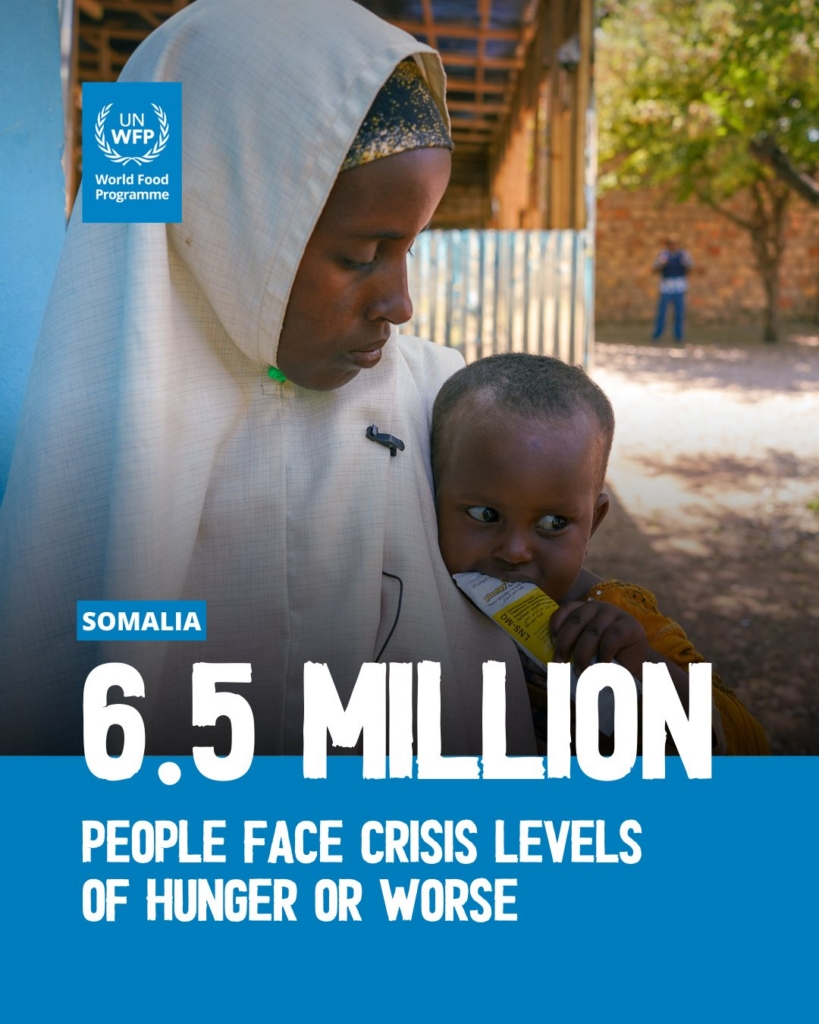
Following the completion of the Heavily Indebted Poor Countries (HIPC) initiative in 2023, Somalia significantly reduced its external debt burden. The country also joined the East African Community in 2024, opening new opportunities for regional trade integration.
According to the World Bank, Somalia’s economic growth remains modest but positive, with reforms under the National Transformation Plan 2024–2029 aimed at strengthening domestic revenue collection, improving public services and building institutional capacity.
However, large defence purchases still present major fiscal challenges. Analysts say that without external lenders or long-term financing support, sustaining a fleet of modern fighters would be difficult.
Operating advanced aircraft requires extensive infrastructure: trained pilots, maintenance crews, spare parts supply chains, secure air bases and long-term logistics budgets.
For Somalia, building that ecosystem could take years.
Somalia’s JF-17 fighters could reshape regional air power
If Somalia successfully acquires and deploys 24 JF-17 Block III aircraft, it could significantly alter the balance of air power within the East African Community (EAC) region.
Currently, regional fighter capabilities are concentrated in a handful of states.
Uganda operates Su-30MK2 Flanker fighters, a heavy multirole platform with substantial range and payload. Kenya maintains modernised F-5 fighters, while Tanzania fields Chengdu J-7 aircraft, an older design derived from Soviet technology.
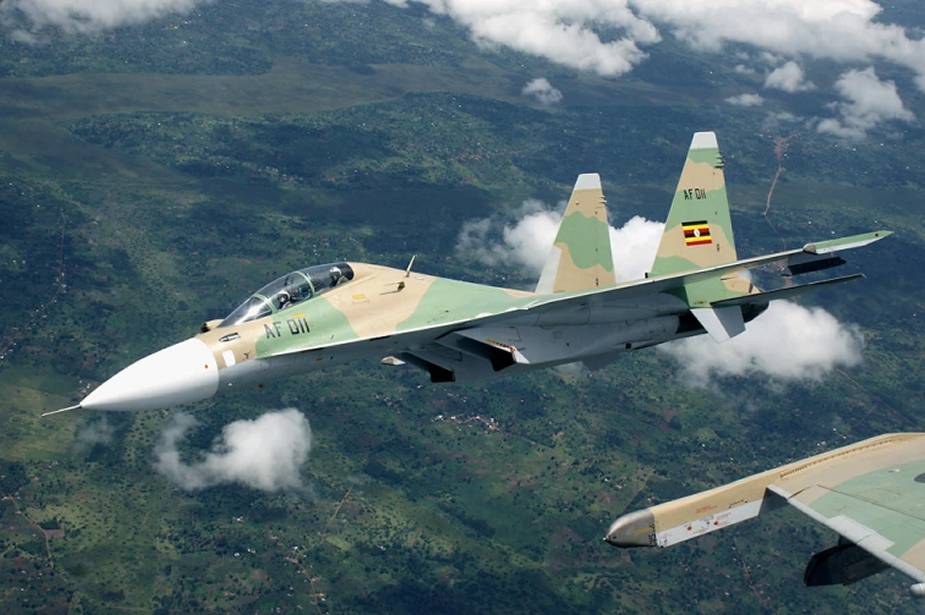
Other EAC members, including Rwanda, Burundi and South Sudan, maintain limited or no modern fighter capability.
In technological terms, the JF-17 Block III’s AESA radar and modern weapons suite could place Somalia ahead of Tanzania’s ageing J-7 fleet and potentially narrow the gap with Kenya’s upgraded F-5s.
What a Somalia–Pakistan fighter deal could mean for regional geopolitics
Beyond the technical and financial questions, the negotiations also reflect shifting geopolitical alignments in the Horn of Africa.
Somalia has been gradually recalibrating its external partnerships in recent years.
The country continues to receive security assistance from the United States and Turkey, while Gulf powers such as Saudi Arabia have become increasingly influential in the region.
At the same time, diplomatic tensions have grown after Israel formally recognised Somaliland, the breakaway northern region of Somalia, as a sovereign state in late 2025, a move that heightened sensitivities around territorial integrity and airspace sovereignty.
A defence relationship with Pakistan would introduce another strategic partner into Somalia’s security landscape.

The JF-17 programme itself has increasingly become a diplomatic tool for Islamabad, offering countries a relatively affordable combat aircraft combined with training, weapons integration and support packages without the export restrictions often attached to Western systems.
Whether the negotiations ultimately result in a signed contract remains uncertain.
Somalia faces formidable obstacles – financial, institutional and logistical – before it can field a modern fighter fleet.
Even if a deal is finalised, analysts say operational capability could take years to achieve.